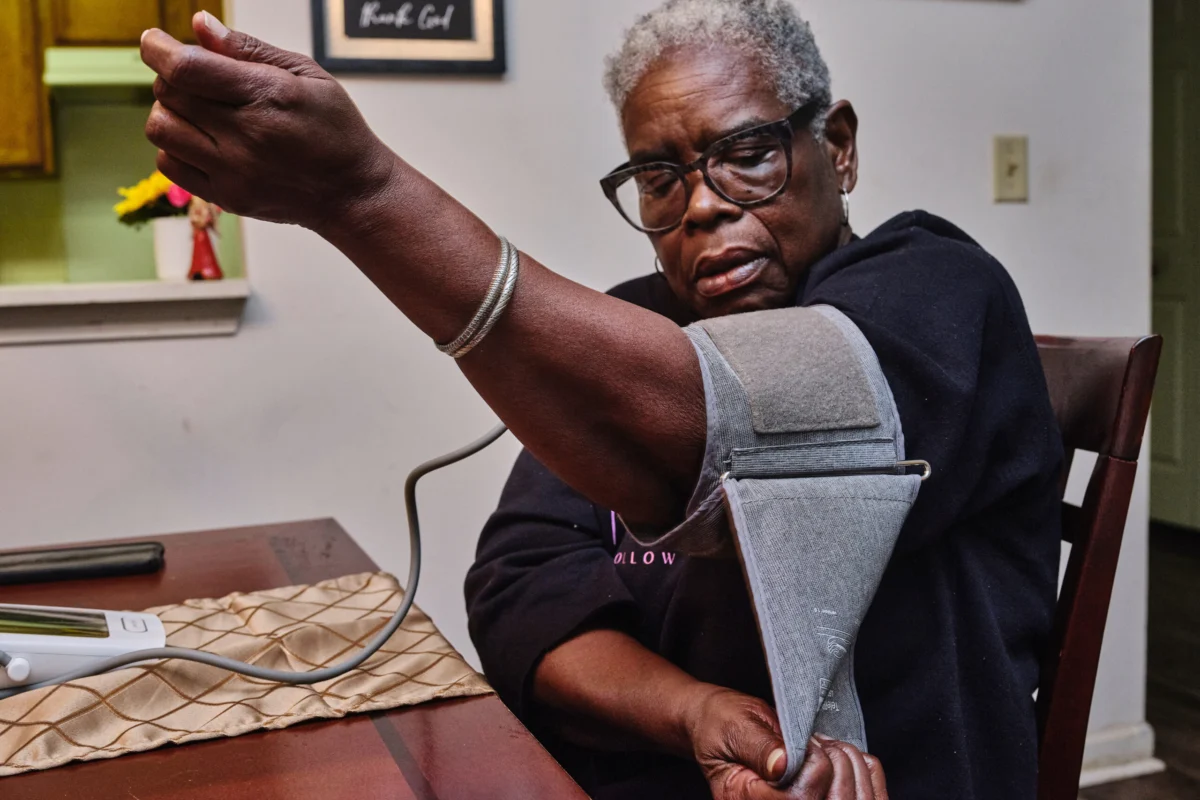
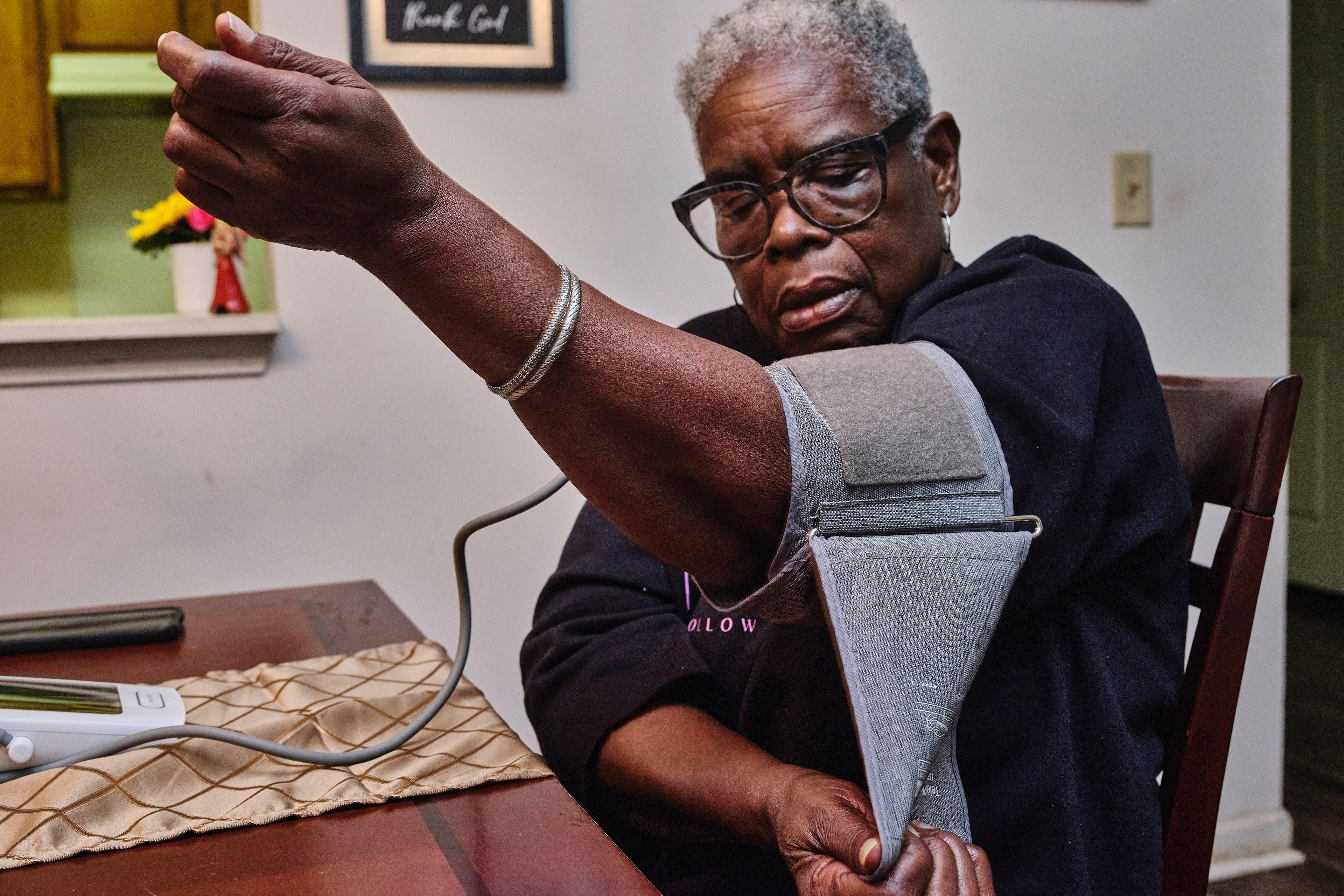
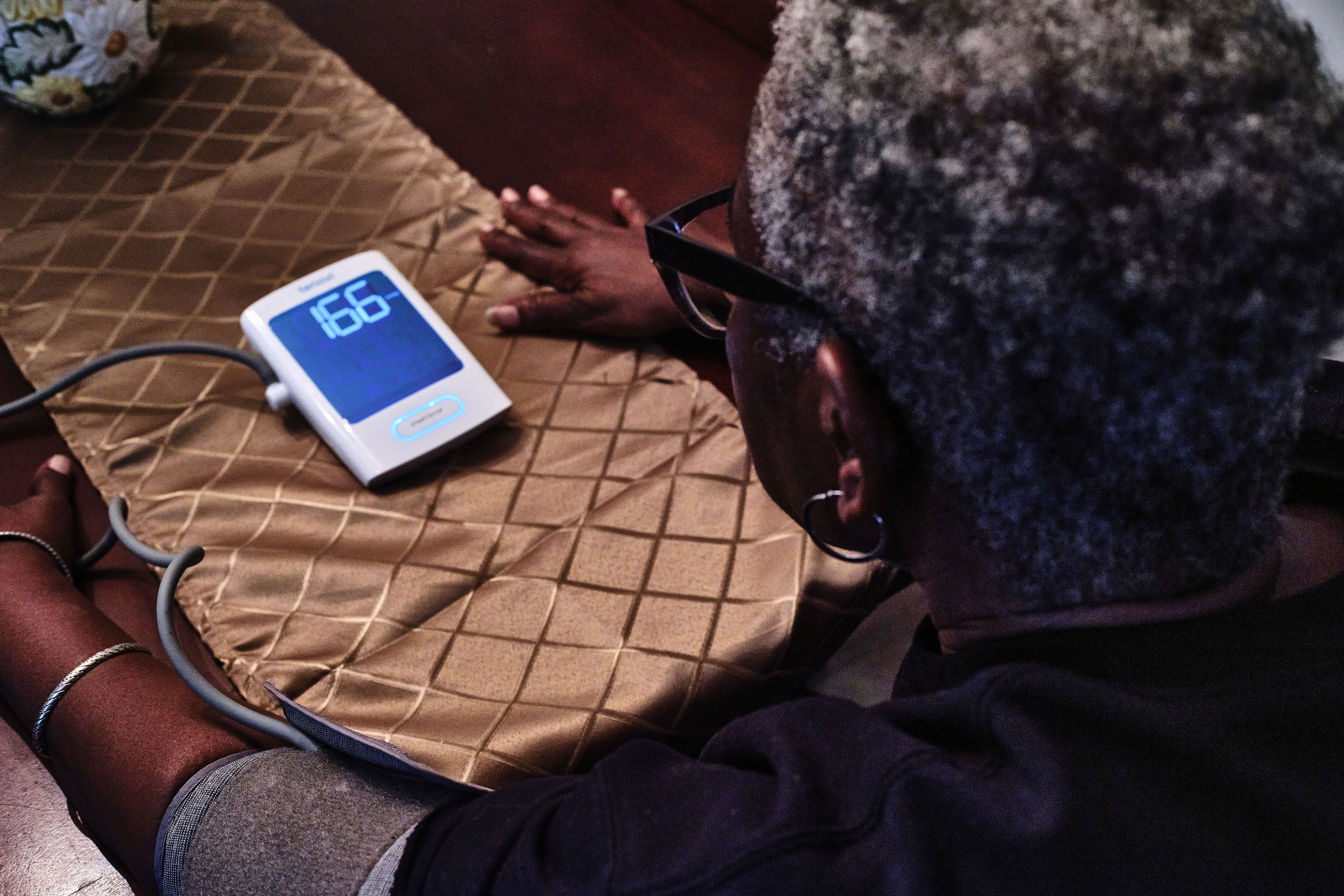
For Dianne Williams, a resident of rural Georgia managing chronic health conditions, the ritual has become second nature. Each morning, she sits at her kitchen table, straps a Bluetooth-enabled cuff around her arm, and presses a button. Within seconds, her blood pressure readings are transmitted wirelessly to CoachCare, a private health technology company that oversees patient data on behalf of her local medical clinic. Combined with quarterly doctor visits and monthly telephone check-ins with an assigned clinical nurse, this remote infrastructure helped Williams lose weight, successfully manage her hypertension, and overhaul her dietary and exercise habits.
Yet, this vital lifeline for Williams and hundreds of thousands of other Medicare beneficiaries across the United States may soon be dismantled. A sweeping new federal rule proposed by the Centers for Medicare & Medicaid Services (CMS) aims to halt Medicare reimbursements for healthcare providers who utilize third-party health technology vendors to administer remote patient monitoring (RPM) services. Under the proposed framework, Medicare would only reimburse clinicians for remote monitoring if the service is administered directly by personnel housed within the physical facility where the ordering physician works.
The policy shift has triggered immediate and intense pushback from medical advocacy groups, health technology companies, and rural healthcare providers who warn that the regulation will effectively choke off access to care for vulnerable populations. As the healthcare sector grapples with the fallout of the proposal, policymakers, providers, and patients are locked in a high-stakes debate over the balance between administrative oversight and the expansion of digital health equity.
The Anatomy of Remote Patient Monitoring
Remote patient monitoring encompasses a broad array of medical devices—including wireless blood pressure cuffs, electronic weight scales, continuous blood glucose meters, and smart fitness wearables—designed to track physiological metrics outside of traditional clinical settings. Initially created to assist patients recovering from acute surgeries, hospitalizations, or managing complex chronic conditions such as diabetes and cardiovascular disease, RPM has emerged as a cornerstone of modern preventative medicine.
The primary objective of these programs is twofold: to empower patients to actively participate in their daily health management and to intercept dangerous medical complications before they escalate into costly emergency room visits or hospital readmissions. For individuals residing in remote geographic areas, those with physical disabilities, or patients lacking reliable transportation, RPM bridges a critical gap in the healthcare continuum.
In Williams’ case, the data transmitted by her blood pressure cuff did more than merely record numbers. When her initial medication regimen failed to lower her blood pressure, her remote monitoring nurse intervened, recommending lifestyle modifications that included walking daily on a local community track and substituting fried foods with baked alternatives.
"It’s good to have somebody talk to you and tell you what your progress is like," Williams said, reflecting on the personal connection fostered through the monthly calls. "They didn’t just take my blood pressure and that was that."
Regulatory Catalyst and Oversight Concerns
The impetus behind the CMS proposed rule stems from critical findings published in 2024 and 2025 by the Department of Health and Human Services’ Office of Inspector General (OIG). As an independent federal oversight body, the OIG conducted exhaustive investigations into the rapid proliferation of remote physiologic monitoring within the traditional Medicare program.
The watchdog reports identified systemic vulnerabilities, highlighting issues of potential billing fraud, an alarming lack of robust data collection regarding clinical outcomes, and instances where patients received ongoing monitoring services entirely detached from the clinicians who originally prescribed the devices. Furthermore, federal investigators raised red flags over commercial vendors aggressively marketing their services to medical practices explicitly as a lucrative revenue-generation tool rather than a strictly clinical intervention.
In response to these findings, the Trump administration directed CMS to institute tighter guardrails. The agency’s proposed rule argues that outside technology vendors frequently maintain "little to no established relationship" with patients and their attending physicians, a dynamic that can lead to fragmented care. Furthermore, CMS questioned whether third-party monitoring entities involve the ordering clinician deeply enough to warrant public funding through Medicare physician fee schedules.
"CMS recognizes the important role that technology-enabled care can play in improving access to care, including in rural communities," said agency spokesperson Timothy Foster. However, he emphasized that comprehensive safeguards are required to ensure the integrity of the Medicare trust fund and protect patients from predatory billing practices.
Chronology of Growth and Policy Misalignment
The integration of remote monitoring into federal health programs represents a rapid evolution over the past decade. The federal government established specific Medicare billing codes for remote physiological monitoring during President Donald Trump’s first term, granting providers the structural mechanism to bill for initiating and overseeing digital devices. Medical facilities routinely utilize a portion of this reimbursement revenue to contract with specialized vendors for hardware, software infrastructure, and initial data triage.
Data compiled by the Peterson Center on Healthcare illustrates exponential growth following the introduction of these billing codes. Between 2019 and 2023, the number of traditional Medicare beneficiaries enrolled in remote physiologic monitoring programs expanded tenfold. Concurrently, annual Medicare expenditures on these services surged from just under $7 million to more than $194 million.
Despite this dramatic trajectory, RPM remains utilized by only a fraction—roughly 1%—of traditional Medicare participants, representing a minor percentage of overall national healthcare spending. However, the duration of enrollment has lengthened significantly, with the average patient monitoring period increasing from 1.7 months in 2019 to 5.2 months in 2023.
Industry advocates and policy analysts point to a striking paradox within current federal policymaking. The proposed restriction on third-party vendors arrives in deep misalignment with other prominent federal initiatives, notably the multi-billion-dollar Rural Health Transformation Program championed by the White House. This five-year, $50 billion initiative explicitly encourages states to leverage technological solutions to revitalize and expand access to rural healthcare systems.
According to a report by the Alliance for Connected Care, U.S. states have already earmarked at least $240 million from their initial rural health funding allocations specifically for remote patient monitoring deployments.
The Rural Healthcare Crisis and Vendor Dependency
For community health centers and rural medical practices operating on razor-thin margins, fulfilling remote monitoring requirements without external vendors is logistically impossible. Edward Vance, chief medical officer of Albany Area Primary Health Care—the clinical network serving Williams in Georgia—explains that rural facilities face chronic staffing shortages that preclude them from building internal tech monitoring divisions.
"We already run at a borderline understaffed situation," Vance noted, explaining that community health centers operate on strict budgets and rely entirely on third-party partnerships to deliver advanced digital care to low-income and geographically isolated patients.
Caroline Pearson, executive director of the Peterson Center on Healthcare, echoed these warnings, stating that the proposed rule would effectively eliminate or drastically curtail remote monitoring services for millions of older Americans.
"I think the rural communities will be some of the hardest hit," Pearson said. Because most rural clinics lack the institutional capacity to launch and oversee proprietary monitoring operations, they rely entirely on specialized vendors to supply devices, software dashboards, and initial nursing triage.
Industry Divide: Support vs. Opposition
The regulatory proposal has cleaved the healthcare sector into sharply opposing factions. A coalition of more than 230 health technology vendors, healthcare delivery systems, and patient advocacy groups formally submitted opposition letters to CMS, expressing shock over the abruptness and severity of the policy change.
Andrew Van Ostrand, senior vice president at the Alliance for Connected Care, noted that many tech vendors had already implemented operational reforms in response to the OIG’s earlier recommendations, making the absolute ban proposed by CMS an unexpected and draconian measure.
Furthermore, while the rule directly targets traditional Medicare—leaving privately run Medicare Advantage plans, which cover over half of all Medicare participants, technically untouched—experts warn that private insurers and state Medicaid programs will likely follow suit, magnifying the restrictive impact across the entire American insurance landscape.

Conversely, a small group of powerful health industry stakeholders has voiced support for the CMS proposal. Major managed care organizations and large integrated health systems, including Humana, the Blue Cross Blue Shield Association, and Sutter Health—a massive health system that operates its own internal remote monitoring infrastructure—submitted comments endorsing tighter federal oversight and the elimination of outsourced vendor models.
Toward a Value-Based Future
Even critics of the CMS proposal agree that the remote monitoring sector requires structural reform to curb unchecked spending and eliminate exploitative practices. Health policy experts emphasize that RPM delivers the highest clinical value when deployed strategically to stabilize acute conditions, rather than serving as an open-ended, multi-year subscription model for patients with well-controlled vital signs.
"We shouldn’t be paying for doctors to be reviewing huge numbers of readings, for years on end, for patients that have controlled blood pressure," Pearson argued. "That doesn’t feel like a clinically driven decision. That feels like a revenue decision."
Experts suggest alternative regulatory pathways, such as implementing strict clinical duration caps, mandating comprehensive outcome reporting, and transitioning toward value-based reimbursement frameworks that tie provider and vendor compensation directly to measurable improvements in patient health outcomes. While CMS has initiated pilot initiatives such as the ACCESS program—which reimburses both clinicians and vendors based on value metrics—these models currently offer lower reimbursement rates than traditional fee-for-service structures.
As the federal rulemaking process moves forward, patients like Dianne Williams remain anxious about the administrative decisions being made in Washington. For rural seniors whose health management depends on the seamless bridge between home devices and clinical guidance, the stakes extend far beyond bureaucratic policy adjustments, touching directly on their daily independence and longevity.