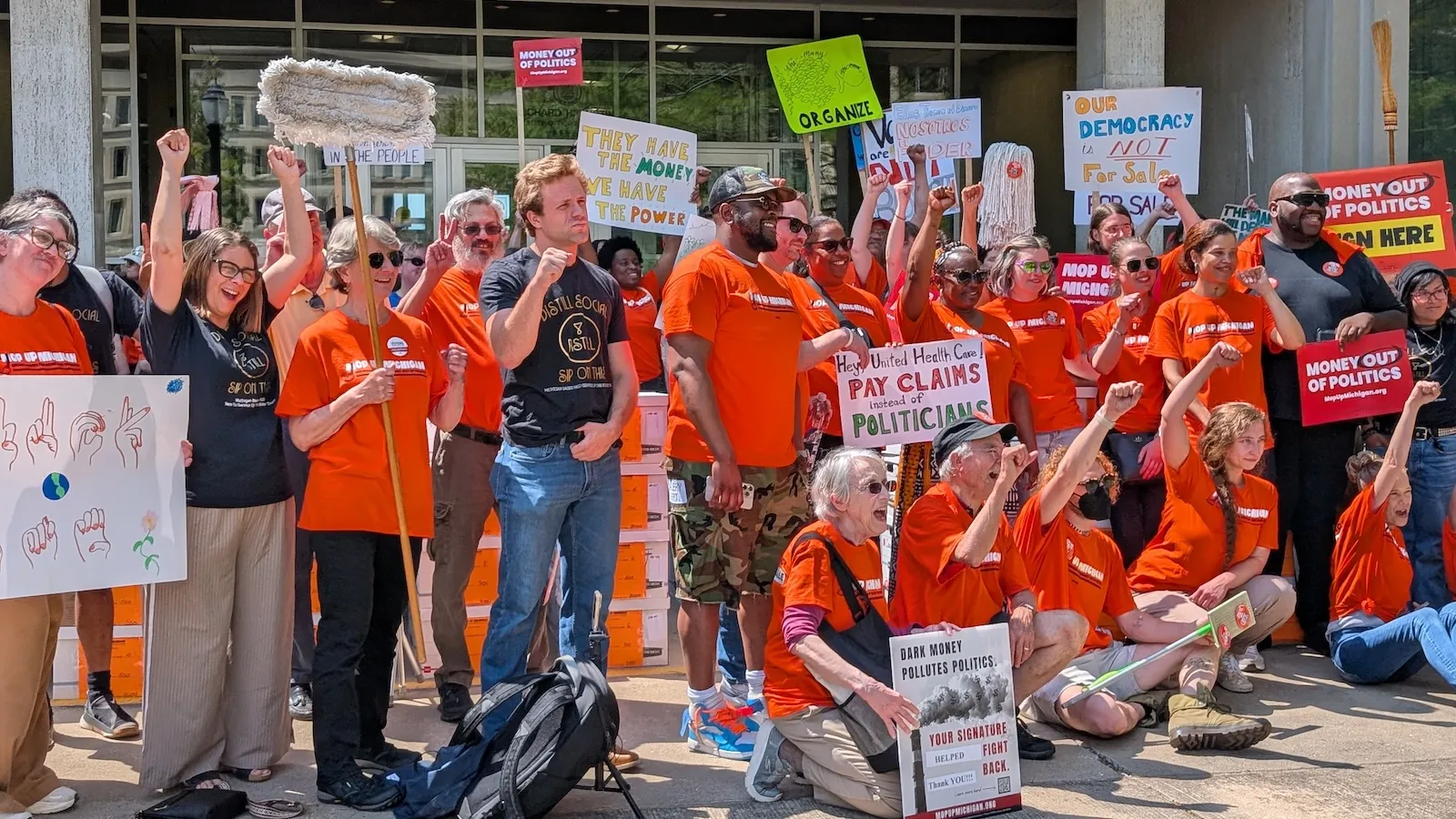
Michigan is bracing for a high-stakes electoral showdown that could redefine the boundaries of corporate influence in American politics. As voters prepare to head to the polls, all eyes are fixed on Proposal 2, a pioneering ballot measure designed to sever the financial ties between the state’s dominant electricity and gas utilities and the political campaigns of state lawmakers. Born out of deep-seated consumer frustration over soaring utility bills, chronic power outages, and a sluggish transition to renewable energy, the initiative has ignited a fierce statewide debate over campaign finance reform, free speech, and the power of corporate lobbying in the legislative process.
For 83-year-old Sam Getsinger, the motivations behind volunteering for the campaign are deeply personal. A resident of northern Michigan, Getsinger spent months knocking on doors and talking to neighbors about the future she envisions for her five grandchildren. Central to that vision is a functional, responsive democracy uncorrupted by outsized financial influence. Reflecting on the prevailing political climate, Getsinger expressed a sentiment shared by hundreds of thousands of residents: she does not want a system where the entity with the deepest pockets dictates the rules of governance.
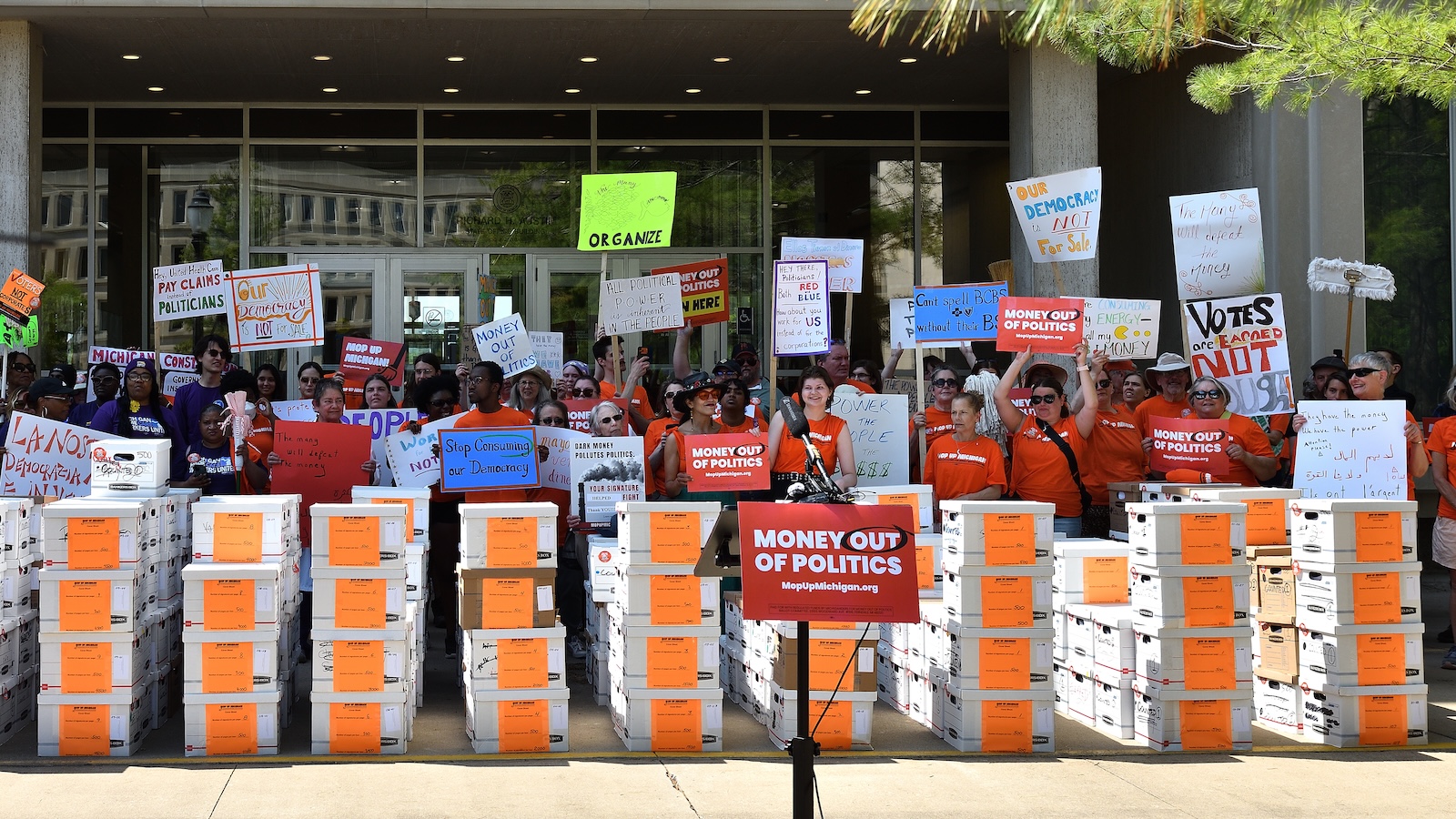
Getsinger’s grassroots efforts mirror a broader wave of populist discontent. Michiganders for Money Out of Politics, a coalition of local advocacy groups spearheading the campaign, successfully collected an astonishing 560,000 signatures to secure a spot for Proposal 2 on the ballot. According to Christy McGillivray, co-chair of the coalition, the daily reality for state residents—marked by inflated costs, degrading infrastructure quality, and persistent environmental pollution—is inextricably linked to the unchecked political influence wielded by utility companies in Lansing.
The Genesis of Consumer Resentment and Climate Frustration
To understand the momentum behind Proposal 2, one must examine the state of Michigan’s public utilities over the past several years. Residents currently contend with some of the highest electricity rates in the United States paired with some of the least reliable grid performance. A series of extreme weather events, including severe ice storms, heavy winter blizzards, and unexpected tornadoes, have repeatedly subjected hundreds of thousands of Michiganders to extended power outages.
Compounding these frustrations is the rapid expansion of energy-hungry data centers across the state, which has further strained local grids and escalated public scrutiny of utility operations. At the same time, environmental advocates argue that investor-owned utilities have consistently worked to obstruct Michigan’s ambitious climate goals. The state has formally committed to achieving 100 percent of its electricity from clean and renewable sources by 2040. However, major utilities have aggressively lobbied against community solar programs, claiming they would drive up rates, while successfully stalling "polluter-pay" legislation designed to hold corporations financially accountable for toxic waste cleanups.
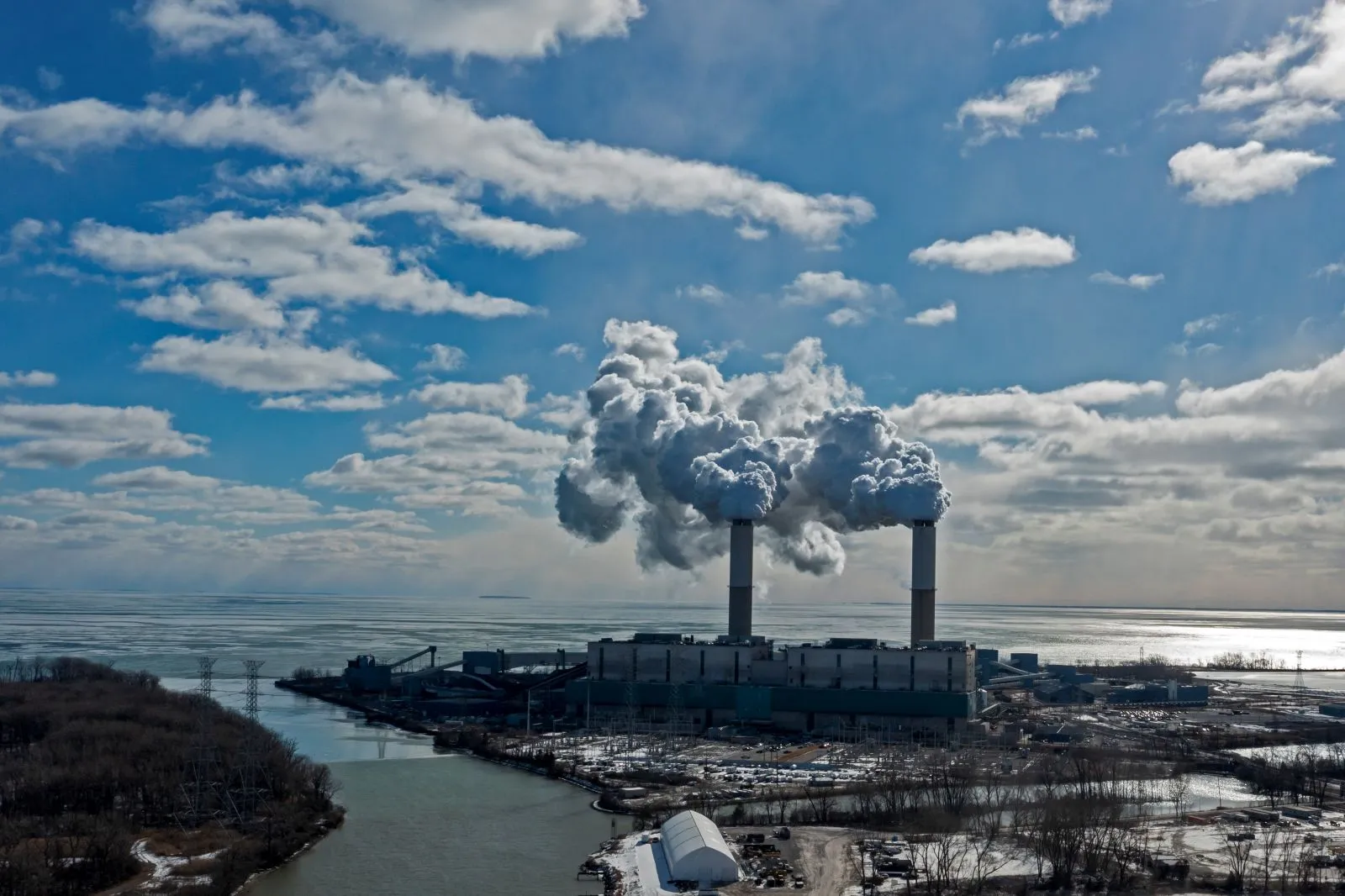
Critics point out that major energy providers like DTE Energy—whose Monroe Power Plant on Lake Erie remains one of the largest greenhouse gas emitters in the nation, despite planned closures by 2035—wield near-veto power over environmental policy. As McGillivray bluntly noted, virtually nothing moves through the state legislature if regulated gas and electric utilities refuse to greenlight it.
Anatomy of Proposal 2: Closing Loopholes in Campaign Finance
Michigan law currently prohibits corporations, including investor-owned utilities, from contributing directly to political candidate campaigns. Yet, corporations have historically navigated around these restrictions by establishing and funding political action committees (PACs), which subsequently funnel money into campaign coffers and sponsor political advertising. Data compiled by the Michigan League of Conservation Voters indicates that state lawmakers and committees across the political spectrum accepted $421,000 in corporate utility donations last year alone, following a staggering $1.6 million total during the 20022 election cycle.
Proposal 2 aims to dismantle these established conduits. If passed, the measure would explicitly ban utility-funded PACs from making direct campaign contributions. Crucially, the legislation takes aim at individual actors within the corporate hierarchy, prohibiting utility executives, board members, and even their immediate family members from donating to political campaigns or parties. Furthermore, these restrictions would extend to any company holding state or local government contracts valued at more than $250,000.
In addition to restricting direct financial flows, the ballot initiative introduces stringent transparency requirements for political advertising, including clear legal definitions and funding disclosures for online political campaigns.
The Political Shift: The Rise of the No Utility Money Pledge
The growing toxicity of utility money in Michigan politics has already shifted the legislative landscape ahead of the vote. When the Michigan League of Conservation Voters introduced its "No Utility Money Challenge" in 2025—urging candidates to pledge rejection of all financial contributions from utilities and their associated groups—fewer than 10 politicians signed on. Today, that number has surged to 126 candidates from both major political parties.

Karlee Weinmann, a research and communications manager for the Energy and Policy Institute, emphasizes how rapidly the political calculus has transformed. Maintaining a close affiliation with utility interests was once considered standard political practice in Lansing; today, it has become an electoral liability.
Corporate Opposition and Constitutional Challenges Ahead
Despite strong grassroots backing and favorable internal polling numbers, Proposal 2 faces fierce and well-funded opposition. Opponents argue that the measure overreaches, infringing upon constitutional free speech protections while failing to curb the growing influence of out-of-state independent expenditure groups.
John Sellek, spokesperson for the opposition coalition Protect MI Free Speech, characterizes the initiative as a deceptive maneuver that weaponizes legitimate public anxiety over the cost of living. Formed shortly after the proposal was introduced in 2025, Protect MI Free Speech has raised roughly $851,000, including $232,000 directly from utility interest groups, according to campaign finance data from the Michigan Transparency Network. By comparison, Mop Up Michigan has amassed over $8.7 million from individual donors and voter advocacy organizations.
Corporate entities have similarly voiced strong resistance. Katie Carey, spokesperson for Consumers Energy, argued that the ballot initiative will fail to eliminate money from politics entirely. Instead, Carey asserted, the measure will merely displace influence from local Michigan companies toward wealthy national donors and unaccountable special interests, while maintaining that the company strictly adheres to existing campaign finance disclosure laws.
Legal and Structural Implications for State-Level Reform
If Michigan voters approve Proposal 2, the state will enter uncharted legal territory, testing the absolute limits of state-level campaign finance regulation. While 21 states currently ban direct corporate contributions to political campaigns, none have attempted to restrict utility-related spending or executive-family contributions to this degree.
Nationwide, campaign finance reform remains constrained by decades of federal jurisprudence. Beginning with a series of rulings culminating in the landmark 2010 Citizens United v. FEC decision, the U.S. Supreme Court has consistently affirmed that political spending constitutes a protected form of free speech under the First Amendment, affording corporations many of the same speech rights as individuals. Consequently, state governments possess narrow legal avenues to regulate corporate political participation. They may ban direct contributions to prevent actual or apparent corruption, but they cannot legally bar corporations from funding PACs or engaging in independent expenditures—such as uncoordinated political advertising—which allow unlimited cash flows into elections.
Legal experts warn that if the initiative passes, it will immediately face intense courtroom challenges. Provisions targeting PAC expenditures and the political rights of executives’ family members are viewed as particularly vulnerable to judicial scrutiny.
Even in the event of a legal victory, analysts caution that the structural mechanisms of corporate influence will likely adapt rather than disappear. Karley Abramson, a research associate at the Citizens Research Council of Michigan, notes that capital possesses fluid qualities. If one direct regulatory avenue is blocked, corporate entities can easily redirect resources toward alternative organizations designed to achieve parallel political objectives.
Nevertheless, proponents of the measure remain resolute. Organizations like the Michigan League of Conservation Voters acknowledge the systemic limitations of what a single state ballot initiative can accomplish within the framework of modern American jurisprudence. However, they argue that pragmatism should not preclude progress. For advocates like Nick Dodge, senior director of programs for the coalition, Proposal 2 represents a vital, foundational step toward institutional transparency—and a definitive message to lawmakers that their constituents demand genuine accountability.