As escalating climate anomalies and deepening water scarcity relentlessly threaten conventional agriculture across Southern Africa, a consortium of international and regional scientists has unveiled a pioneering computational study designed to rescue and revitalize a historically neglected indigenous legume: the bambara groundnut. For generations, regional food security has hinged precariously on imported or water-intensive staple commodities like maize, wheat, and rice. However, with intensifying droughts and erratic rainfall patterns rendering these conventional crops increasingly unreliable, researchers have turned their attention toward native agricultural species that evolved naturally to withstand harsh environmental conditions. The newly published research provides smallholder farmers with precise, data-driven planting calendars, bridging the gap between ancient agricultural wisdom and modern predictive technology. By leveraging half a century of empirical soil and climate metrics, the study aims to transform underutilized indigenous plants into cornerstone assets for regional nutrition, economic stability, and long-term climate adaptation.
The Imperative for Agricultural Diversification
The urgency underpinning this scientific endeavor stems from a compounding agricultural crisis across Sub-Saharan Africa. Decades of policy focus on a narrow band of imported or heavily subsidized staple crops have left local food systems dangerously vulnerable to environmental shocks. Monoculture farming of maize, in particular, has proven catastrophic during prolonged dry spells, as the crop demands substantial and timely rainfall to yield successfully. When monsoons fail or arrive late, entire harvests wither, plunging rural communities into food insecurity and economic distress.
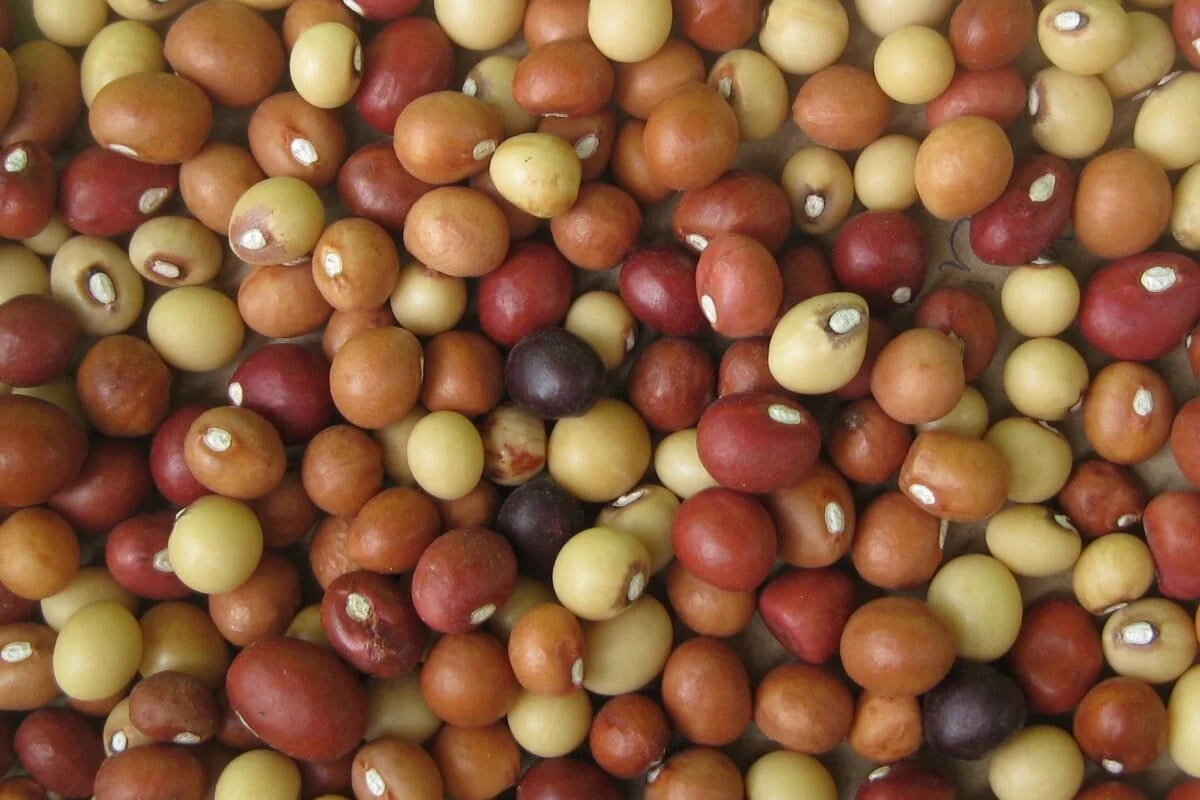
In contrast, indigenous African crops such as the bambara groundnut (Vigna subterranea) have demonstrated a remarkable physiological capacity to thrive in nutrient-deficient soils and endure severe moisture deficits. Beyond their resilience, these plants are nutritional powerhouses. Bambara groundnuts are exceptionally rich in dietary fiber, plant-based proteins, and vital micronutrients including iron, zinc, calcium, and various B-vitamins. They offer a complete nutritional profile that can help combat endemic malnutrition and hidden hunger in rural communities.
Despite these undeniable advantages, smallholder farmers have historically been hesitant to shift away from familiar staples toward neglected crops. The primary deterrent has been a lack of empirical, localized guidance. Without knowing precisely when to sow seeds, how plant density affects yields, or which microclimates suit specific cultivars best, farmers risk their scarce financial resources and seasonal labor on speculative ventures. Recognizing this knowledge gap, researchers set out to eliminate the guesswork, empowering agricultural communities with actionable, scientifically verified data.
Methodology and the Science of Simulation
To construct a reliable roadmap for farmers, the research team adopted an exhaustive modeling approach, analyzing historical environmental conditions spanning a 50-year timeline from 1950 to 1999. By utilizing the Food and Agriculture Organization’s advanced AquaCrop model, the scientists simulated 49 distinct growing seasons across 5,838 unique altitude zones within South Africa, Lesotho, and Eswatini.
The complexity of the model reflects the multifaceted nature of agricultural planning. The researchers fed daily meteorological records into the system—including precise air temperatures, rainfall distribution rates, and solar radiation metrics—alongside granular soil data governing water retention capacities. Furthermore, the simulation accounted for critical biological variables such as optimal planting dates, crop density parameters, and the physiological vulnerability of the legume to frost damage, which can severely curtail productivity in higher-altitude or southern latitudes of the region.
Significantly, the research team integrated rigorous spatial exclusions to refine the accuracy of their suitability maps. Land areas dedicated to commercial forestry, mining operations, urban expansion, and established orchards or plantations were systematically filtered out of the projections. This meticulous calibration prevented the over-estimation of arable land, ensuring that the resulting maps reflect true, practical opportunities for smallholder cultivation rather than theoretical maximums.
The findings of this extensive computational analysis yielded clear, actionable directives for agricultural extension officers and farmers alike. The model revealed that planting bambara groundnuts in October—broadly coinciding with the natural onset of the regional rainy season—consistently produced the highest and most stable yields. Conversely, delaying sowing later into the calendar year exposed the sensitive legume to late-season frosts and terminal moisture stress, resulting in sharp yield reductions.
Expert Insights and the Human Element
The implications of this research extend far beyond academic circles, offering practical tools for those on the front lines of food production. Richard Kunz, one of the primary researchers behind the study, emphasized the philosophical and strategic shift required to secure the region’s agricultural future. In an interview, Kunz articulated the core danger of agricultural homogenization, noting that true climate resilience cannot be achieved by depending on a fragile handful of globally traded commodities.

According to Kunz, the primary goal of the study was to protect vulnerable agrarian livelihoods from the hazards of generalized advice. By moving away from broad land-suitability maps based on long-term climate averages—which often fail to account for local topography and short-term weather anomalies—the researchers have provided a granular framework that minimizes economic risk for resource-poor farmers.
The methodology developed for the bambara groundnut is not an isolated solution; rather, it serves as a scalable template. Kunz confirmed that the same modeling architecture can be successfully adapted and applied to a wide array of other neglected and underutilized traditional crops. These include drought-resistant grains and greens such as amaranth, cowpeas, groundnuts, pearl millet, sorghum, spider flower, Swiss chard, and taro.
Furthermore, the spatial data generated by the study holds immense value for institutional planning, particularly in the establishment and placement of community seed banks. These localized repositories are vital for safeguarding agricultural biodiversity, preserving indigenous seed varieties, and bolstering food sovereignty across Sub-Saharan Africa. In nations like Malawi, where climate shocks frequently disrupt formal seed supply chains, community-managed banks anchored by scientific data can mean the difference between seasonal survival and structural famine.
Regional Perspectives on Future Climatic Pressures
The broader utility of the study has garnered enthusiastic support from agricultural experts operating outside the immediate research team. Leonard Manda, a specialist in neglected and underutilized crops at Mzuzu University in Malawi, noted that the predictive value of the study arrives at a critical juncture for the continent. Manda, who was not involved in the research, underscored that conventional crop varieties currently form the backbone of regional agriculture are structurally unequipped to survive the projected climatic extremes of the coming decades.
As global temperatures continue to rise and rainfall patterns become increasingly erratic, the agricultural status quo in Southern Africa is rapidly becoming untenable. Manda highlighted that indigenous crops represent a dual-benefit intervention, supporting both environmental restoration and human health by revitalizing degraded soils and providing dense, accessible nutrition. He praised the study for delivering a concrete planning instrument that enables farmers to optimize harvest volumes from bambara groundnuts, thereby transforming an underappreciated wild or semi-cultivated plant into a reliable commercial and subsistence commodity.
Implications for Policy, Trade, and Food Security
The publication of this study arrives as regional policymakers increasingly recognize the imperative of climate-smart agriculture. For decades, international agricultural aid and domestic subsidies in Southern Africa favored export-oriented or globally recognized staples, often marginalizing traditional indigenous foods as "poverty crops." This historical stigma is gradually dissolving under the weight of climate change, as governments search desperately for adaptive strategies that do not rely entirely on expensive chemical inputs, irrigation infrastructure, or genetically modified seeds.
Integrating bambara groundnuts and similar indigenous crops into mainstream agricultural frameworks requires coordinated policy action across multiple fronts. Agricultural ministries must update their national extension services, training field officers to utilize the new planting calendars and suitability maps effectively. Additionally, public procurement programs—such as school feeding initiatives and military or hospital food supply chains—can create guaranteed domestic markets for indigenous crops, stimulating production and stabilizing prices for smallholder farmers.
Moreover, the revitalization of these crops offers significant economic empowerment opportunities for rural women, who traditionally bear the responsibility of cultivating, harvesting, and processing indigenous legumes across many Southern African communities. Because bambara groundnuts require minimal capital investment in fertilizers and pesticides compared to conventional cash crops, they offer a low-risk entry point for female farmers seeking to generate independent household income.
Conclusion and the Road Ahead
The scientific validation of optimal planting schedules for the bambara groundnut marks a significant milestone in the ongoing effort to climate-proof Southern Africa’s food systems. By merging half a century of rigorous empirical data with advanced crop simulation modeling, researchers have stripped away the guesswork that has long hindered the adoption of indigenous agricultural resources.
As the impacts of climate change accelerate across the African continent, the transition toward diversified, locally adapted farming systems is no longer a matter of academic preference, but an absolute necessity for survival. Through targeted research, practical mapping tools, and supportive agricultural policies, neglected crops like the bambara groundnut are poised to transition from the margins of agriculture to the very center of regional food security, ensuring a more resilient and nourished future for generations to come.