The return of Atlas Sound, the experimental solo project helmed by Deerhunter frontman Bradford Cox, marks a significant milestone in the landscape of independent music. With the release of the new single "Octoberland," Cox has officially ended a 15-year hiatus for the project, signaling a transition back to his roots in atmospheric, bedroom-produced soundscapes. The track, which arrived alongside a self-directed music video, serves as the inaugural piece of content for this rebooted chapter and coincides with a slate of major festival bookings scheduled for 2027.
A Long-Awaited Resurgence
The trajectory of Atlas Sound has been defined by its erratic, prolific output during the late 2000s and early 2010s. Between 2007 and 2011, Cox released three seminal studio albums under the moniker: Let the Blind Lead Those Who Can See But Cannot Feel (2007), Logos (2009), and Parallax (2011). These records were instrumental in popularizing the "lo-fi" bedroom aesthetic, utilizing tape loops, glitchy electronics, and intimate songwriting to craft a unique sonic identity that complemented his work with the Athens, Georgia-based rock band Deerhunter.
Following the release of Parallax in 2011, Atlas Sound effectively entered a state of dormancy as Cox focused heavily on Deerhunter’s studio and touring obligations, including the acclaimed 2013 release Monomania and the 2015 follow-up Fading Frontier. While sporadic live performances and demos surfaced over the ensuing decade, "Octoberland" represents the first formal, standalone release under the Atlas Sound name in over a decade and a half.
Chronology of the Atlas Sound Project
To understand the weight of this return, one must analyze the timeline of Cox’s creative output and the evolution of the Atlas Sound brand:
- 2007: Debut album Let the Blind Lead Those Who Can See But Cannot Feel is released, establishing Cox as a formidable solo artist capable of dense, textured sound design.
- 2009: The release of Logos features high-profile collaborations with Panda Bear (of Animal Collective) and Laetitia Sadier (of Stereolab), elevating the project’s critical standing.
- 2011: Parallax is released to widespread critical acclaim, serving as the final major studio effort before a prolonged period of silence.
- 2012–2026: Cox shifts his primary creative energy to Deerhunter and various collaborative projects, while Atlas Sound is largely relegated to historical status or occasional unreleased archival leaks.
- October 2026: The release of "Octoberland" signals the official reactivation of the project, accompanied by a self-directed visual component.
- 2027: Atlas Sound is confirmed for a major festival circuit, including Big Ears, Kilby Block Party, and Primavera Sound.
The Sonic Landscape of Octoberland
"Octoberland" functions as a bridge between the lo-fi intimacy of Cox’s early recordings and the sophisticated, polished production techniques he has refined over his years as a producer. The track utilizes a dense layering of synthesizers, processed vocal samples, and rhythmic patterns that echo the experimentalism of Logos while maintaining a modern, crystalline clarity.
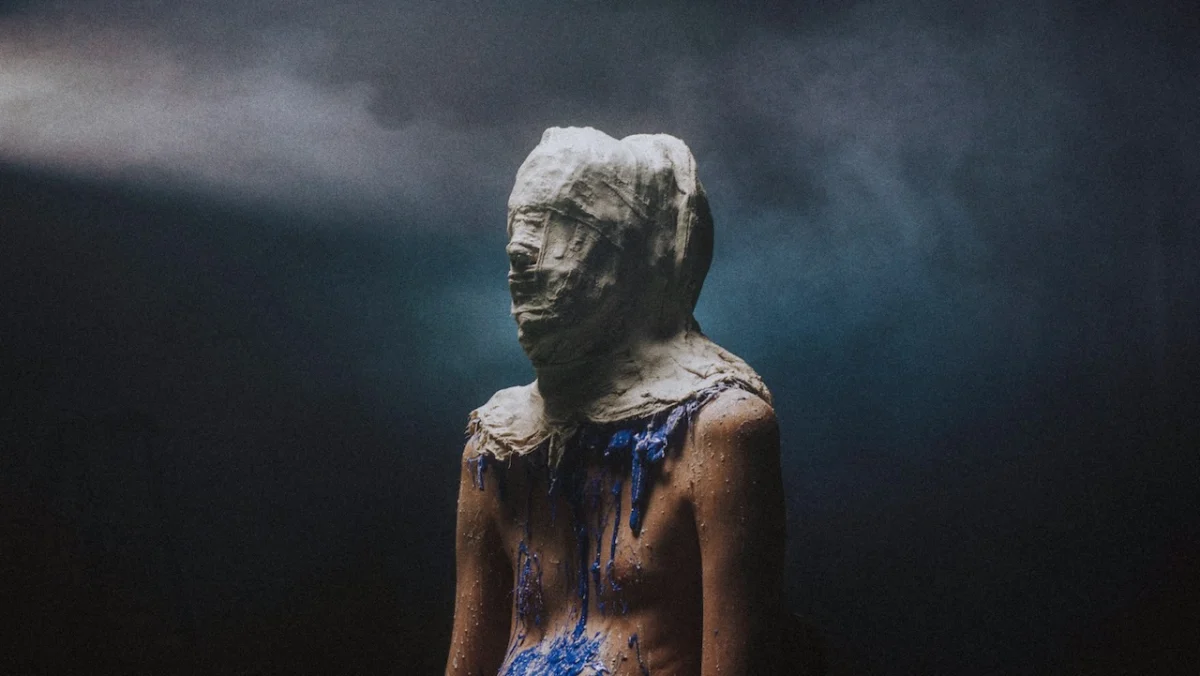
The music video, directed by Cox, aligns with the visual language he has cultivated for years—a mixture of grainy, found-footage aesthetics and surrealist imagery. By handling the directing duties himself, Cox asserts total creative control over the project’s re-emergence, reinforcing the "solo" nature of Atlas Sound as a vehicle for his personal, unfiltered creative impulses.
Industry Implications and Festival Appearances
The announcement of a 2027 festival run suggests that this is not a one-off experiment but a deliberate, strategic reboot. By securing slots at marquee events such as the Big Ears Festival in Knoxville, the Kilby Block Party in Salt Lake City, and the internationally renowned Primavera Sound in Barcelona, the project is being positioned to reach both a legacy audience that grew up with his 2000s-era work and a younger generation of listeners who have discovered his back catalog through digital streaming platforms.
Industry analysts note that the return of Atlas Sound comes at a time when the "bedroom pop" genre—which Cox helped pioneer—has become a dominant force in the mainstream music industry. Artists such as Beach Fossils, Real Estate, and various Bandcamp-based creators have cited the Atlas Sound era as a foundational influence. Consequently, the timing of this release allows Cox to re-enter the discourse from a position of renewed relevance, effectively positioning himself as the originator returning to a space he helped cultivate.
Critical and Commercial Context
Data regarding the streaming and physical sales of Cox’s previous work indicates a persistent, long-tail interest in the Atlas Sound catalog. Unlike many artists who see a sharp decline in interest after a decade of inactivity, the discography of Atlas Sound has remained a fixture in indie-rock discourse. The consistent engagement on platforms like Rate Your Music and the longevity of his influence on indie blogs and critics’ lists suggest a high level of "brand equity" that the artist is now prepared to leverage.
While official sales figures for "Octoberland" are currently being tracked, early indicators from social media engagement and playlist inclusion suggest that the reception is overwhelmingly positive. Fans of the project have long anticipated a return to the specific, melancholic, and deeply personal songcraft that defined the 2009–2011 era, and "Octoberland" appears to satisfy those expectations while hinting at new sonic directions.
Broader Impact on the Independent Music Scene
The revival of Atlas Sound serves as a case study in the cyclical nature of independent music. As artists who came to prominence in the mid-2000s enter their mid-career phase, many are finding that their early, self-produced projects hold as much, if not more, commercial and cultural value than their later, high-budget studio efforts.
For Bradford Cox, the reboot allows for a modular creative lifestyle. By maintaining both Deerhunter and Atlas Sound, he can balance the collaborative, often high-pressure environment of a full band with the solitary, introspective demands of a solo project. This duality is essential for artists who wish to maintain longevity in an industry that often incentivizes constant output and touring.
Furthermore, the choice of festivals is significant. Big Ears, in particular, is known for its focus on experimental and avant-garde music, a setting that is arguably more hospitable to the nuances of Atlas Sound than the typical pop-centric festival circuit. This strategic booking indicates that the project is being managed with a high degree of artistic intent, focusing on venues that prioritize sound quality and listener engagement over mass-market commercial appeal.
Future Projections
As of late 2026, there has been no official word regarding a full-length follow-up album to Parallax. However, the release of "Octoberland" and the subsequent tour announcements provide a strong framework for future activity. If the 2027 festival run proves successful, it is highly probable that a collection of new recordings will follow, potentially compiling the work Cox has produced during his years away from the public eye.
The return of Atlas Sound is not merely a nostalgia play; it is a recalibration of one of independent music’s most vital and restless voices. By choosing to revisit the project that established his identity as a solo creator, Bradford Cox is asserting his place in the current musical zeitgeist. Whether "Octoberland" remains a standalone artifact or becomes the first entry in a new era of Atlas Sound, its release provides a compelling narrative of endurance and artistic evolution in the modern age of digital music. As the 2027 festival season approaches, the industry will be watching to see how the project translates to a live environment—a context that historically served as the proving ground for the unconventional, loop-heavy sound of the early Atlas Sound era.