
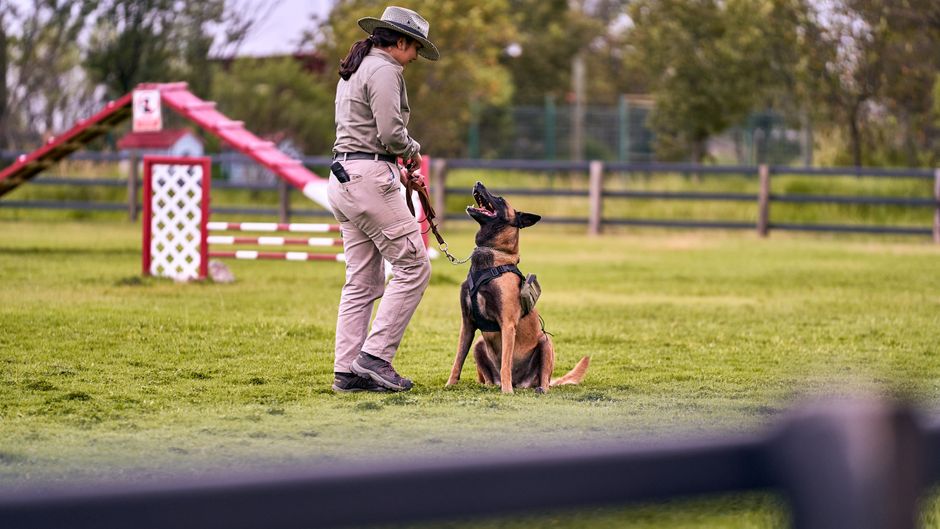
Unlock Your Dog’s Potential: A Comprehensive Guide to Effective Dog Training
Embarking on the journey of dog training is one of the most rewarding experiences a pet owner can have. Beyond the satisfaction of a well-behaved companion, training fosters a deeper bond, enhances safety, and unlocks your dog’s true potential. This comprehensive guide will equip you with the knowledge and strategies to effectively train your canine, covering everything from foundational principles to advanced techniques. Understanding the core tenets of dog psychology is paramount. Dogs, like humans, learn through association and repetition. Positive reinforcement, utilizing rewards such as treats, praise, and toys, is the most effective and humane method. This approach builds trust and makes training a positive experience for both dog and owner. Conversely, punishment-based methods can create fear, anxiety, and aggression, hindering the training process and damaging your relationship. Consistency is the cornerstone of successful training. This means using the same cues (words and hand signals) for specific behaviors and ensuring everyone in the household is on the same page. Irregularity confuses a dog, slowing down their learning and potentially leading to frustration. Patience is equally vital. Every dog learns at their own pace. Some may grasp commands quickly, while others require more time and practice. Celebrate small victories and avoid getting discouraged by setbacks. Short, frequent training sessions are more effective than long, infrequent ones. Aim for 5-10 minute sessions several times a day, especially for puppies or dogs new to training. This keeps their attention span engaged and prevents them from becoming bored or overwhelmed. Establishing clear leadership is also important, but it’s about guidance and structure, not dominance. A calm, confident leader provides the dog with a sense of security and understanding of their place within the family.
The journey begins with foundational commands, the building blocks of good behavior. "Sit" is often the first command taught. With your dog standing, hold a treat near their nose and move it upwards and slightly back over their head. As their head follows the treat, their rear end will naturally lower into a sit. As soon as their rear touches the ground, say "Sit" and give them the treat and praise. Repeat this process until they reliably sit when you say the word. "Down" is another crucial command. From a sit, hold a treat at their nose and slowly move it towards the ground between their front paws, then slide it away from them. This encourages them to lie down. As they lower their body, say "Down" and reward them. If they don’t lie down immediately, you can gently guide them by placing a hand on their back, but avoid forcing them. "Stay" teaches impulse control and is vital for safety. With your dog in a sit or down, say "Stay" and take one step back. If they remain in place, step back to them, reward them, and then release them with a word like "Okay" or "Free." Gradually increase the distance and duration of the stay as they succeed. "Come" or "Recall" is arguably the most important command for a dog’s safety. Start in a quiet, enclosed area. Get your dog excited, call their name followed by "Come," and back away from them, making yourself appealing. When they reach you, reward them enthusiastically. Never call your dog to you for punishment, as this will teach them to avoid coming when called.
Beyond basic obedience, leash training is essential for enjoyable walks. Start introducing the leash and collar indoors in short, positive sessions. Once they are comfortable, begin walking them around the house. When walking outdoors, if your dog pulls, stop moving. Only resume walking when the leash slackens. Reward loose-leash walking with praise and treats. Avoid yanking or jerking the leash, as this can cause discomfort and resentment. Crate training can be an invaluable tool for house-training, providing a safe den for your dog, and preventing destructive behavior when unsupervised. Introduce the crate gradually, making it a positive place with comfortable bedding and toys. Feed them meals inside the crate, and gradually increase the time they spend inside with the door closed. Never use the crate as punishment. Socialization is a critical period for puppies, typically between 3 and 14 weeks of age, but beneficial for dogs of all ages. Expose your dog to a variety of sights, sounds, people, and other well-behaved dogs in a positive and controlled manner. This helps them develop into confident and well-adjusted adults. Puppy classes are an excellent way to facilitate early socialization and provide structured training guidance.
Addressing common behavioral issues requires understanding their root cause. Barking can stem from boredom, anxiety, territoriality, or a need for attention. Identify the trigger and address it accordingly. For boredom, increase exercise and mental stimulation. For anxiety, consult a professional trainer or veterinary behaviorist. Jumping up is often a bid for attention. Ignore the behavior until all four paws are on the ground, then reward calm behavior. Nipping and biting in puppies is normal exploratory behavior, but needs to be managed. When they nip too hard, yelp loudly and withdraw attention. Gradually redirect their chewing to appropriate chew toys. Chewing is a natural dog behavior, especially during teething. Provide plenty of appropriate chew toys and redirect them when they chew on forbidden items. House-training requires consistency and supervision. Take your puppy out frequently, especially after waking up, after meals, and after play. Reward them immediately when they eliminate in the designated area. Accidents will happen; clean them up without fuss and recommit to your schedule.
Advanced training techniques can further enhance your dog’s skills and strengthen your bond. Clicker training, a form of positive reinforcement, utilizes a clicker to mark the exact moment a dog performs a desired behavior. This precise timing can accelerate learning. Trick training is a fun way to engage your dog’s mind and body, building on their obedience foundation. Teaching tricks like "shake," "roll over," or "fetch" can be highly rewarding. Agility training, scent work, and therapy dog training are examples of specialized disciplines that cater to a dog’s natural instincts and abilities. These activities provide mental and physical challenges, further enriching your dog’s life. Remember that training is an ongoing process. Even well-trained dogs benefit from regular practice and reinforcement. Continue to engage your dog in training exercises throughout their life, adapting your methods as they age and their needs change. Seek professional guidance when needed. Certified professional dog trainers (CPDTs) or veterinary behaviorists can provide invaluable support for complex issues or advanced training goals. They offer personalized advice and can help you navigate challenges effectively. The journey of dog training is one of mutual learning and understanding. By employing positive reinforcement, maintaining consistency, and exercising patience, you’ll not only shape your dog’s behavior but also forge an unbreakable bond built on trust and respect. Embrace the process, celebrate every milestone, and enjoy the incredible rewards of a well-trained and happy canine companion.






Leave a Reply