
Unlocking Infinite Possibilities: The Power of Unlimited Customization for Your Lock
The modern lock, once a purely functional and often rudimentary security device, is undergoing a profound transformation. No longer confined to a single key and a generic metallic finish, the contemporary lock market is embracing the concept of unlimited customization, empowering users to tailor their security solutions to an unprecedented degree. This shift caters to a growing demand for personalized aesthetics, enhanced functionality, and a deeper integration of security into individual lifestyles and architectural designs. Unlimited customization transforms a utilitarian object into a statement piece, a highly specialized tool, and an extension of personal or brand identity. This article delves into the multifaceted world of lock customization, exploring its various dimensions, benefits, and the technological advancements driving this revolution.
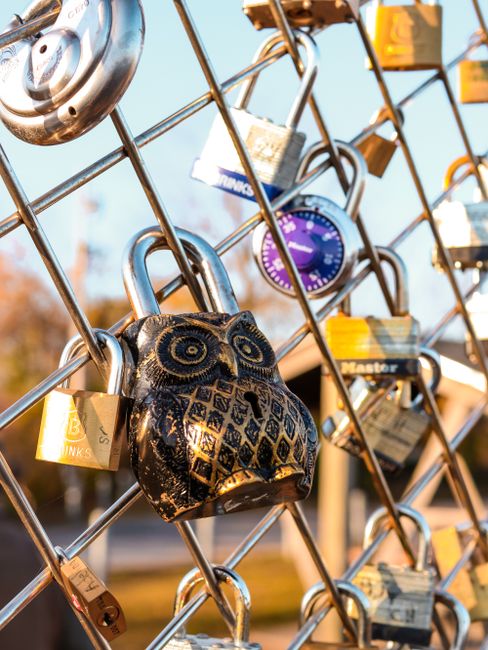
The most immediate and visually striking aspect of unlimited lock customization lies in aesthetics. Gone are the days of a limited palette of brass, chrome, or brushed nickel. Today, users can specify virtually any color imaginable, from subtle matte finishes that blend seamlessly with modern interiors to vibrant, high-gloss hues that act as bold architectural accents. Beyond color, material choices are expanding dramatically. While traditional metals remain popular, manufacturers are now offering locks crafted from exotic woods, polished stones, innovative composite materials, and even recycled plastics, each bringing its unique texture, weight, and visual appeal. The surface treatment of these materials can also be customized extensively. Finishes can range from highly polished and reflective to deeply textured and antiqued. Engraving and etching allow for the inclusion of personalized monograms, intricate patterns, company logos, or even custom artwork directly onto the lock mechanism or its escutcheon plate. This level of personalization extends to the shape and form factor of the lock itself. While standard deadbolts and lever handles persist, bespoke designs can be commissioned, featuring ergonomic grips, unique architectural silhouettes, or thematic elements that complement specific interior design styles, from minimalist chic to opulent baroque. For businesses, this aesthetic customization is invaluable for brand reinforcement. Consistent branding across all touchpoints, including physical security elements like door locks, contributes to a cohesive and professional image. Imagine a boutique hotel where each suite’s lock features a unique etching reflecting its theme, or a high-end retail store where the lock on the entrance door is precisely matched to the store’s signature color and material palette. This level of detail elevates the customer experience and reinforces brand identity at every interaction.
Beyond superficial aesthetics, unlimited customization extends to the core functionality of the lock, enhancing its performance and adaptability to specific needs. Key customization, while a foundational element, has evolved significantly. Traditional physical keys can be duplicated with custom head designs, incorporating intricate patterns or even miniature sculpted elements. However, the true revolution lies in the realm of digital and electronic access control. Smart locks offer a vast array of customization options for user access. Instead of a single key, access can be granted via unique PIN codes, RFID cards, fingerprint biometrics, or even smartphone applications utilizing Bluetooth or Wi-Fi. The number of users who can be granted access is often virtually unlimited, allowing for granular control over who can enter and when. This is particularly beneficial for businesses requiring temporary access for contractors, cleaning staff, or visitors, eliminating the need for physical key management and associated security risks. Furthermore, access schedules can be programmed, restricting entry to specific times of the day or days of the week. This level of control is invaluable for residential properties with multiple occupants, rental properties, or shared workspaces. For instance, a homeowner can grant a dog walker access only during specific afternoon hours, or a small business owner can ensure that cleaning crews only have access after business hours. The integration of smart home ecosystems is another critical area of functional customization. Locks can be programmed to interact with other smart devices, creating automated scenarios. A lock can be set to disarm the home security system and turn on the lights upon entry, or to lock all doors and activate the alarm when the last person leaves. This level of automation enhances convenience, security, and energy efficiency. The ability to remotely monitor and control the lock is a significant functional customization, providing peace of mind and real-time security insights. Users can receive notifications of door activity, grant or revoke access from anywhere in the world, and review access logs to track who has entered and when. This is particularly useful for busy professionals, frequent travelers, or those managing multiple properties.
The underlying technology enabling this level of unlimited customization is rapidly advancing. Traditional mechanical locks are being reimagined with modular designs, allowing for the interchangeability of components like cylinders, bolts, and even decorative trim. This modularity enables a degree of customization that was previously impossible with integrated units. However, it is the proliferation of smart lock technology and the Internet of Things (IoT) that truly unlocks unlimited customization. Advanced microprocessors, sophisticated sensor technology, and secure wireless communication protocols are the backbone of these customizable systems. Biometric scanners, for example, utilize complex algorithms to analyze unique physical characteristics, and their sensitivity and recognition parameters can often be adjusted. The software interfaces controlling smart locks are becoming increasingly intuitive and powerful. Mobile applications and web-based dashboards provide users with extensive control panels, allowing them to manage access, configure settings, and monitor lock activity with ease. Over-the-air software updates ensure that these systems remain secure and can even introduce new features and customization options over time, extending the lifespan and utility of the lock. The development of open-source APIs and integration platforms is also fostering a more dynamic and customizable ecosystem. This allows third-party developers to create innovative applications and integrations that further expand the functionality of smart locks, enabling them to connect with a wider range of smart devices and services. This collaborative approach to innovation means that the possibilities for lock customization are continuously expanding, driven by both manufacturers and a vibrant developer community. The security of these customizable systems is paramount, and manufacturers are investing heavily in robust encryption, secure authentication protocols, and regular security audits to protect against unauthorized access and cyber threats. The evolution of materials science also plays a crucial role. The development of durable, weather-resistant, and aesthetically versatile materials allows for a wider range of design possibilities without compromising the structural integrity or security of the lock.
The benefits of embracing unlimited customization for locks are manifold, impacting both individuals and organizations. For homeowners, it represents a fusion of security, style, and convenience. A custom-designed lock can enhance the curb appeal of a property, reflecting the owner’s taste and personality. The added functionality of smart locks, such as remote access and automated scenarios, simplifies daily routines and provides greater peace of mind. For businesses, unlimited customization offers a powerful tool for brand building, operational efficiency, and enhanced security. Consistent branding across all physical assets, including door hardware, reinforces brand identity and professionalism. The granular control over access provided by smart locks streamlines key management, reduces security risks associated with lost or stolen keys, and improves operational efficiency by enabling tailored access for different employee roles and schedules. This also extends to facilities management, where precise control over access points can be crucial for security and compliance in various industries. In the hospitality sector, customized locks can elevate the guest experience, offering personalized entry solutions and contributing to a unique and memorable stay. For architects and interior designers, the availability of unlimited customization opens up a new realm of creative possibilities, allowing them to specify security hardware that is not only functional but also integral to their overall design vision. They can move beyond selecting from a limited catalog of standard options and instead commission unique pieces that perfectly complement the aesthetic and functional requirements of any project, from residential homes to large-scale commercial buildings. This integration of security hardware as a design element, rather than an afterthought, is a significant paradigm shift.
The future of lock customization is geared towards even greater intelligence, seamless integration, and enhanced security. Expect to see locks that are not only customizable in appearance and function but also capable of predictive security analysis, learning user behavior patterns to proactively identify potential threats. Further integration with broader smart city initiatives and building management systems will create more interconnected and efficient environments. The concept of a truly “invisible” lock, where security is seamlessly integrated into the building fabric without visible hardware, may also become more prevalent. Biometric authentication methods will continue to evolve, becoming more accurate, faster, and more widely adopted. The focus on cybersecurity will intensify, with ongoing research and development into advanced encryption and threat detection technologies to ensure the integrity of these increasingly connected devices. The underlying principle of empowering the user with unparalleled control over their security and its aesthetic presentation will remain the driving force behind this ongoing evolution. The trend towards personalization in all aspects of life is extending irrevocably to our most fundamental security solutions, transforming the humble lock into a sophisticated, adaptable, and highly personal tool. The ability to dictate every facet of a lock’s design, from its material and color to its access methods and integration capabilities, represents a significant leap forward in both security technology and user empowerment, offering a truly bespoke approach to safeguarding our spaces.





Leave a Reply