
Google Maps: A Comprehensive Guide to its Features, Applications, and SEO Impact
Google Maps, a cornerstone of digital navigation and local discovery, has evolved far beyond its initial purpose of simply showing users how to get from point A to point B. It is now an indispensable tool for individuals and businesses alike, influencing purchasing decisions, driving foot traffic, and shaping online presence. This article delves deep into the multifaceted functionalities of Google Maps, its widespread applications across various sectors, and its profound impact on Search Engine Optimization (SEO), particularly for local businesses. Understanding the intricacies of this platform is no longer optional; it’s a strategic imperative for anyone seeking to thrive in the modern digital landscape.
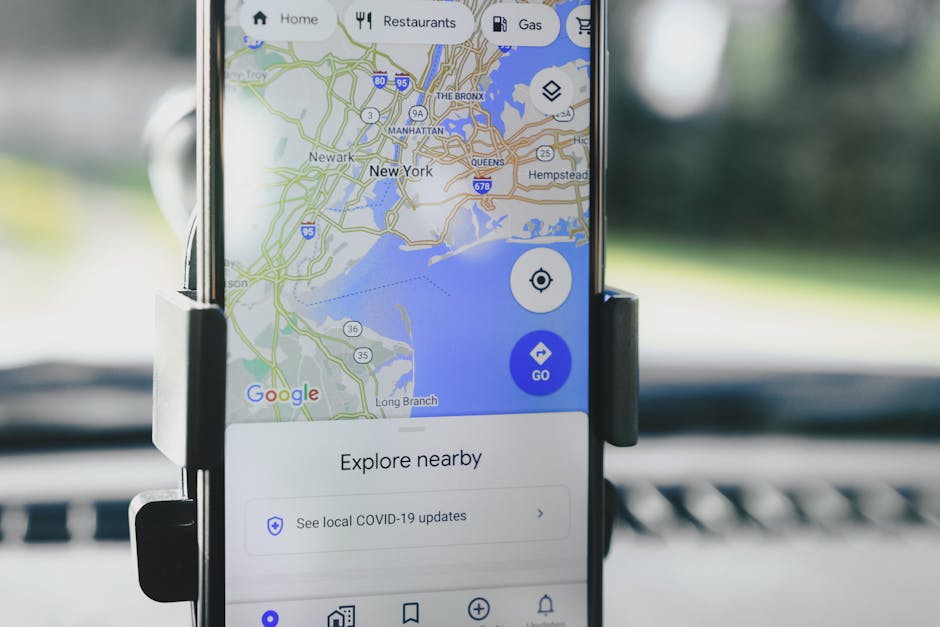
The core functionality of Google Maps lies in its robust mapping and navigation capabilities. Leveraging an enormous database of satellite imagery, street-level views (Street View), and user-generated data, the platform provides highly accurate and detailed maps of virtually the entire planet. Users can search for locations, obtain turn-by-turn directions for driving, walking, cycling, and public transit, and even access real-time traffic information to optimize their routes. This fundamental feature is crucial for everyday life, enabling people to explore new areas, commute efficiently, and plan travel itineraries with ease. The dynamic nature of the traffic data, which is constantly updated through anonymized data from Android devices and other sources, makes Google Maps an exceptionally reliable tool for avoiding congestion and saving valuable time. Beyond basic navigation, the platform offers a wealth of contextual information about points of interest (POIs). Users can discover restaurants, shops, attractions, and services, often with detailed descriptions, operating hours, contact information, photos, and crucially, user reviews and ratings. This rich layering of data transforms a simple map into a comprehensive local discovery engine.
A significant evolution of Google Maps has been its integration of business listings and the development of Google Business Profile (formerly Google My Business). This free tool empowers businesses to create and manage their online presence directly on Google Search and Maps. By claiming and optimizing a Google Business Profile, businesses can provide essential information such as their address, phone number, website, hours of operation, services offered, and business category. This information is directly displayed to users searching for relevant products or services in their vicinity, making it a primary channel for local customer acquisition. The ability to upload photos and videos, respond to customer reviews, post updates, and even offer online booking or ordering directly through the profile further enhances its utility. For brick-and-mortar businesses, a well-optimized Google Business Profile is arguably the most critical component of their local SEO strategy. It acts as a digital storefront, an information hub, and a direct line to potential customers.
The impact of Google Maps on SEO, particularly local SEO, cannot be overstated. Google’s algorithms prioritize local search results, aiming to provide users with the most relevant and geographically proximate options. The "Local Pack," a prominent feature in Google search results, displays a map with three business listings that are deemed the most relevant to the user’s query and location. Inclusion in this Local Pack is a significant driver of organic traffic and customer engagement. Several factors contribute to a business’s visibility and ranking within Google Maps and the Local Pack. Firstly, the accuracy and completeness of the Google Business Profile are paramount. Ensuring all information is up-to-date, consistent across other online directories, and categorized correctly is fundamental. Secondly, user reviews and ratings play a crucial role. A higher volume of positive reviews and a strong average rating signal to Google that a business is reputable and provides a good customer experience. Businesses should actively encourage customers to leave reviews and thoughtfully respond to both positive and negative feedback.
Thirdly, the relevance of the business to the search query is a key ranking factor. This is influenced by the keywords used in the business description, services, and within customer reviews. Optimizing the Google Business Profile with relevant keywords that potential customers are likely to use is essential. For instance, a bakery should use terms like "cupcakes," "birthday cakes," "artisanal bread," and the specific neighborhood or city it serves. Fourthly, proximity to the searcher’s location is a fundamental element of local search. While businesses cannot directly influence this, ensuring their address is accurately listed and verified is critical. Finally, online engagement and authority, including website quality, backlinks, and social media presence, indirectly influence a business’s ranking on Google Maps, as Google considers a business’s overall online credibility.
Beyond its core mapping and business listing functionalities, Google Maps offers a sophisticated suite of features that cater to a diverse range of needs. For travelers and explorers, features like saved places, custom maps, and offline maps are invaluable. Users can bookmark their favorite restaurants, hotels, or landmarks, create personalized travel plans by grouping saved locations, and download map areas for offline use, which is particularly useful in areas with limited or expensive mobile data. The platform also integrates with various public transportation APIs, providing real-time schedules and route planning for buses, trains, and subways in many cities. This makes navigating public transport systems significantly easier and more efficient. For businesses, the insights provided by Google Business Profile are a treasure trove of information. These insights offer data on how customers find the business (e.g., direct searches, discovery searches, branded searches), what actions they take (e.g., website clicks, phone calls, direction requests), and even insights into customer demographics and popular times for visits. This data allows businesses to understand their customer behavior, measure the effectiveness of their online presence, and make informed decisions about marketing strategies.
Street View, a groundbreaking feature of Google Maps, provides panoramic street-level imagery, allowing users to virtually explore locations before they visit. This feature is invaluable for reconnaissance, helping users understand the surrounding environment, identify parking options, and get a feel for the ambiance of a place. For businesses, high-quality Street View imagery, either through Google’s own efforts or user-submitted photos, can significantly enhance their online presence and attract potential customers by offering a realistic preview of their establishment. The ability to contribute to Google Maps, by suggesting edits, adding missing places, or uploading photos and reviews, empowers users to actively shape the platform’s data, fostering a sense of community and ensuring the accuracy and comprehensiveness of the information. This crowdsourced approach is a key reason for Google Maps’ continuous improvement and its vast repository of global data.
The commercial applications of Google Maps extend to fleet management and logistics. Businesses with delivery fleets can leverage Google Maps Platform APIs to optimize routes, track vehicle locations in real-time, estimate arrival times, and manage delivery schedules. This integration can lead to significant cost savings through reduced fuel consumption, improved driver efficiency, and enhanced customer satisfaction due to more accurate delivery ETAs. For real estate professionals, Google Maps is an essential tool for showcasing properties, providing detailed neighborhood information, and facilitating virtual tours. Users can explore surrounding amenities, view property locations in context, and even assess commute times to various points of interest.
The rise of geospatial data and its integration into various applications has cemented Google Maps’ position as a critical platform for businesses across all sectors. From small local shops relying on it for foot traffic to large enterprises optimizing their logistics, the influence is pervasive. The ongoing development of features, such as enhanced 3D mapping, augmented reality (AR) navigation overlays, and deeper integration with other Google services like Google Assistant and Google Lens, suggests that Google Maps will continue to evolve as a central hub for location-based information and services. For businesses, staying abreast of these developments and actively optimizing their presence on the platform is not just about visibility; it’s about participating in a dynamic ecosystem that directly impacts their success. The ability to be found, understood, and engaged with by potential customers through Google Maps is a fundamental requirement for thriving in the contemporary marketplace. The platform’s continuous updates to its algorithms, user interface, and feature set necessitate an ongoing commitment to understanding and adapting to its evolving landscape. Ignoring its significance is to overlook a primary channel through which consumers discover and interact with businesses in their local area and beyond. The data and insights derived from Google Maps usage are invaluable for understanding customer behavior, refining marketing efforts, and ultimately, driving business growth.





Leave a Reply