
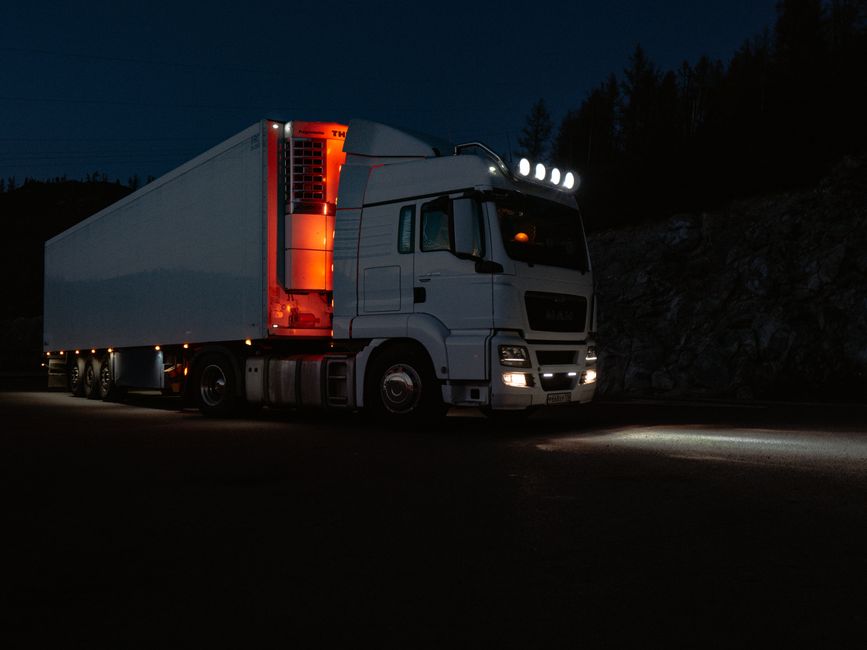
Aurora Innovation: Revolutionizing Long-Haul Logistics with Autonomous Trucking
Aurora Innovation, a prominent self-driving truck startup, is at the forefront of a technological revolution poised to reshape the long-haul trucking industry. Founded in 2017 by former leaders from Google’s self-driving car project, Tesla, and Uber, Aurora possesses a deep well of expertise in artificial intelligence, sensor fusion, computer vision, and robotics. This formidable team is dedicated to developing and deploying the Aurora Driver, a comprehensive autonomous driving system designed to power a range of vehicles, with a primary focus on commercial trucks for freight transportation. The company’s ambitious vision extends beyond simply automating the act of driving; it aims to create a safer, more efficient, and more reliable logistics network for the future.
The core of Aurora’s offering is the Aurora Driver, a sophisticated hardware and software platform. This system integrates a suite of advanced sensors, including lidar, radar, and cameras, to perceive the surrounding environment with exceptional accuracy and range. Lidar provides precise 3D mapping of the surroundings, radar excels at detecting objects in adverse weather conditions and at long distances, and cameras offer rich visual data for object recognition and lane keeping. The collected sensor data is then processed by Aurora’s proprietary AI, which interprets the environment, predicts the behavior of other road users, and makes real-time driving decisions. This complex decision-making process is further augmented by high-definition maps and advanced simulation capabilities, allowing Aurora to train and validate its system in a vast array of scenarios before deployment on public roads. The Aurora Driver is designed to be a "full-stack" solution, meaning it encompasses everything from perception and prediction to planning and control, enabling autonomous operation across diverse routes and conditions.
One of Aurora’s key strategies for market penetration involves strategic partnerships with established players in the trucking and logistics industries. The company has forged significant collaborations with truck manufacturers such as PACCAR (maker of Kenworth and Peterbilt trucks) and Volvo Trucks. These partnerships are crucial for integrating the Aurora Driver seamlessly into the truck’s chassis and control systems, ensuring robust hardware compatibility and facilitating large-scale production. Beyond manufacturing, Aurora is also working closely with major logistics companies, including FedEx, Uber Freight, and Werner Enterprises. These collaborations allow Aurora to gain invaluable real-world operational data, validate its technology in live freight movements, and develop a robust go-to-market strategy for its autonomous trucking services. By working with these industry leaders, Aurora aims to accelerate the adoption of its technology and build a comprehensive ecosystem for autonomous freight.
The potential impact of Aurora’s technology on the trucking industry is multifaceted and significant. Safety is a paramount concern. Human error is a leading cause of road accidents, and autonomous systems, when properly developed and validated, have the potential to drastically reduce collisions. Aurora’s system is designed to be vigilant, to avoid distractions, and to respond consistently to dynamic traffic situations, thereby contributing to safer roads for all. Efficiency is another major driver. Autonomous trucks can operate for longer periods without mandated driver breaks, potentially leading to faster delivery times and reduced transit costs. This also addresses the persistent driver shortage that plagues the industry, allowing carriers to move more freight with their existing driver workforce or to reallocate drivers to roles that require human judgment and interaction. Furthermore, autonomous trucks can be optimized for fuel efficiency through smoother acceleration and braking, contributing to lower operating costs and reduced environmental impact.
Aurora’s development roadmap is characterized by a phased approach. The company has been actively testing its autonomous trucks on public roads, accumulating millions of miles of real-world driving data. These tests are conducted under stringent safety protocols, with highly trained safety operators present to monitor the vehicle and intervene if necessary. The initial deployments are focused on specific freight corridors, often referred to as "middle mile" routes, which connect distribution centers or terminals. These routes are typically well-defined and predictable, offering a more controlled environment for initial autonomous operations. As the technology matures and regulatory frameworks evolve, Aurora plans to expand its operational capabilities to include longer, more complex routes and potentially even "last mile" delivery scenarios. The company’s simulation environment plays a critical role in this iterative development process, allowing for the rapid testing of new software updates and the exploration of a vast number of edge cases without risking public safety.
The regulatory landscape is a critical factor influencing the widespread adoption of autonomous trucking. While significant progress has been made, varying regulations across different states and countries present a complex challenge. Aurora is actively engaged with policymakers and regulatory bodies to advocate for clear and consistent guidelines that support the safe deployment of autonomous vehicles. The company’s commitment to transparency and its robust safety case are key to building trust with regulators and the public. As autonomous trucking moves from pilot programs to commercial deployment, the development of comprehensive safety standards, certification processes, and liability frameworks will be essential. Aurora’s proactive engagement in this area underscores its understanding of the broader ecosystem required for success.
The business model Aurora is pursuing centers on providing its autonomous driving technology as a service. Rather than selling trucks equipped with its system directly to individual carriers, Aurora aims to operate its own fleet of autonomous trucks, partnering with shippers and logistics providers to deliver freight. This "Aurora Horizon" service allows the company to maintain full control over the technology and its performance, ensuring a consistent and reliable service. This model also enables Aurora to capture a larger share of the value created by autonomous trucking, from reduced operating costs to increased freight throughput. The company envisions a network of Aurora-powered terminals where human drivers can hand off trailers to autonomous trucks for long-haul segments, with other human drivers taking over for the final leg of the journey. This hybrid approach leverages the strengths of both human drivers and autonomous technology, optimizing efficiency and addressing potential public perception concerns.
Looking ahead, Aurora’s trajectory is marked by ambitious goals. The company is not just aiming to be a technology provider but a full-fledged logistics operator powered by autonomous vehicles. The long-term vision includes expanding the Aurora Driver to a wider range of vehicle types and applications beyond long-haul trucking. However, the immediate focus remains on establishing a strong and scalable presence in the commercial freight market. The competitive landscape for autonomous trucking is intensifying, with other well-funded startups and established automotive and technology companies also vying for market leadership. Aurora’s strong technical foundation, strategic partnerships, and phased deployment approach position it as a formidable contender in this rapidly evolving space.
Aurora’s commitment to data and continuous improvement is a cornerstone of its strategy. The vast amounts of data collected from its extensive testing and initial commercial operations are fed back into its AI models, enabling constant refinement and enhancement of the Aurora Driver’s capabilities. This iterative learning process is crucial for achieving the high levels of reliability and safety required for widespread autonomous trucking deployment. The company’s investment in simulation capabilities further amplifies this data-driven approach, allowing for the virtual testing of an almost infinite number of scenarios, from rare edge cases to everyday driving challenges. This combination of real-world data and sophisticated simulation provides Aurora with a powerful engine for accelerating its technological advancement.
The economic implications of Aurora’s success extend beyond the immediate trucking industry. The increased efficiency and reduced costs in freight transportation can have ripple effects across various sectors of the economy, potentially leading to lower prices for goods and services for consumers. Furthermore, the development and deployment of autonomous trucking technology will spur innovation and job creation in related fields, such as AI development, sensor manufacturing, data analytics, and fleet management. While there are concerns about potential job displacement for truck drivers, Aurora’s stated approach of focusing on middle-mile operations and augmenting human drivers in a hybrid model suggests a pathway for the industry to adapt to this technological shift. The company’s engagement with industry stakeholders and policymakers underscores its awareness of the broader societal impact of its innovation.
In conclusion, Aurora Innovation is a leading force in the development and deployment of autonomous trucking technology. Through its sophisticated Aurora Driver system, strategic partnerships with industry giants, and a phased, data-driven approach, the company is charting a course to revolutionize long-haul logistics. By prioritizing safety, efficiency, and reliability, Aurora is not only aiming to transform the trucking industry but also to contribute to a more streamlined and sustainable global supply chain. The ongoing progress in testing, regulatory engagement, and operational scaling positions Aurora as a key player to watch in the unfolding era of autonomous transportation.




Leave a Reply