

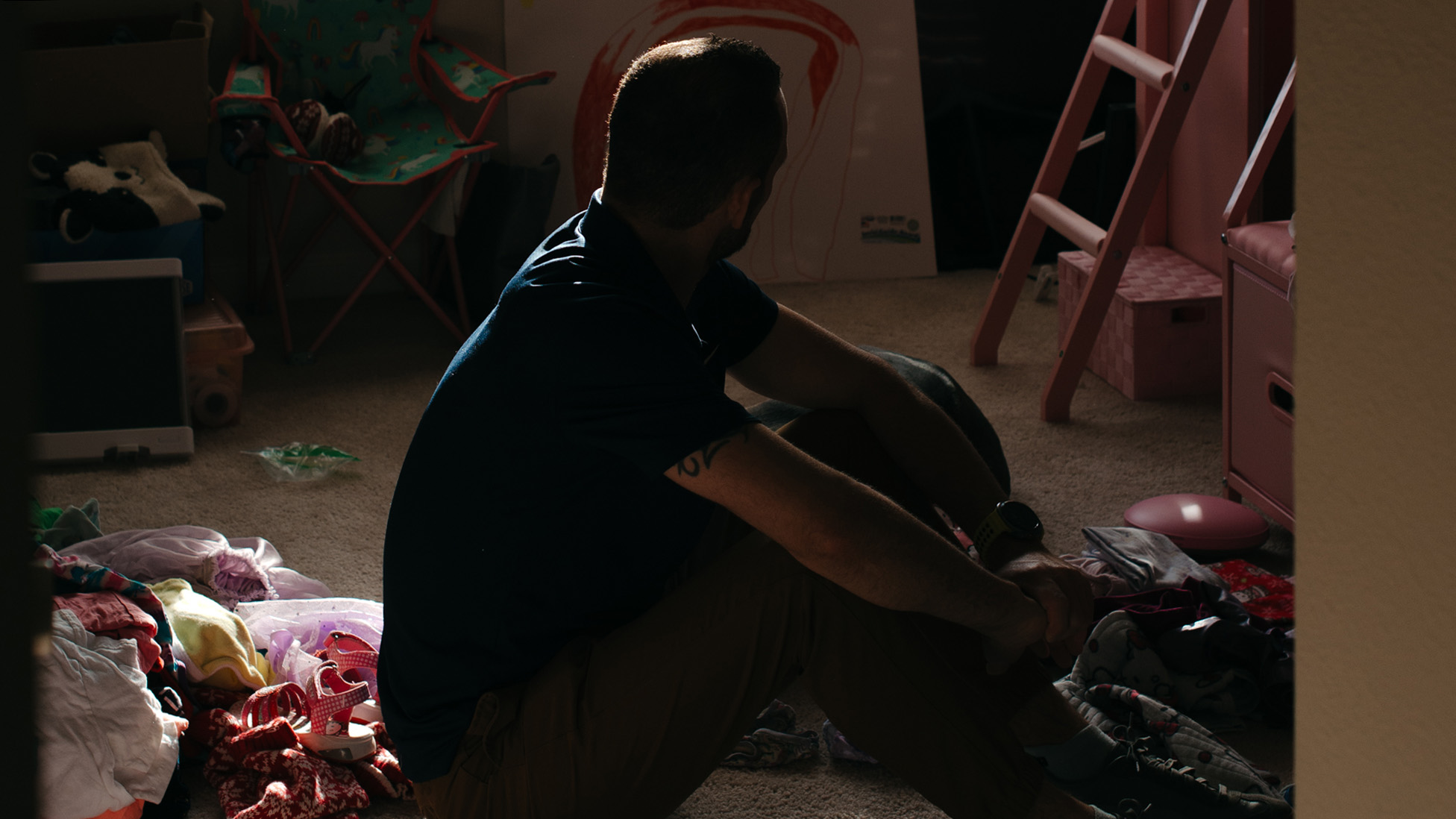
As Hurricane Helene tore through the Blue Ridge Mountains in September 2024, it did more than uproot ancient oaks and level historic neighborhoods in Asheville, North Carolina; it systematically dismantled the fragile infrastructure of recovery for thousands of individuals battling substance use disorder. For Devon, a 41-year-old Iraq War veteran, the storm was not just a meteorological event but a profound psychological trigger that threatened a decade of hard-won sobriety. As trees snapped like matchsticks around his home on a steep Asheville hillside, Devon found himself transported from the safety of his living room back to the combat zones of the Middle East.
Devon, who requested anonymity to honor the traditions of his 12-step program, returned from service in 2006 with a traumatic brain injury and post-traumatic stress disorder. His path to recovery had been a grueling journey through opioid and cocaine addiction, homelessness, and domestic upheaval. By 2019, he had found a precarious stability in the mountains of Western North Carolina, anchored by daily doses of Suboxone, regular Narcotics Anonymous meetings, and a consistent therapeutic routine. Hurricane Helene, however, fractured that "scaffolding" of support, illustrating a growing national crisis: the intersection of escalating climate disasters and the ongoing opioid epidemic.
The Geography of Vulnerability: Appalachia’s Double Crisis
The Appalachian region, a 13-state stretch from New York to Mississippi, has long been the epicenter of the American drug crisis. According to data from the Appalachian Regional Commission (ARC), mortality rates for people in their prime working years in this region exceeded the national average by 52 percent in 2023. In Western North Carolina counties like Buncombe, overdose mortality rates have hovered around 36 per 100,000 residents—a figure driven by a lack of accessible healthcare, economic stagnation, and the physical toll of manual labor industries.
When Hurricane Helene hit, it exacerbated these existing vulnerabilities. Sociologists and public health experts note that disasters do not merely cause temporary disruptions; they create long-term "trigger environments." Kristina Brant, a sociologist at Penn State University who has studied the longitudinal effects of flooding in rural areas, notes that overdose deaths often see a measurable increase that can persist for a decade following a major flood event. The loss of housing, the cessation of employment, and the sheer trauma of survival act as powerful catalysts for relapse.
The Collapse of Recovery Scaffolding
For individuals in recovery, stability is a clinical necessity. Sobriety is often maintained through a combination of Medication for Opioid Use Disorder (MOUD), such as Suboxone or methadone, and social "scaffolding"—the routine of meetings, therapy sessions, and community service.

When Helene struck, this scaffolding collapsed almost instantly.
- Infrastructure Failure: Flooded roads and destroyed bridges made it impossible for rural residents to reach clinics or pharmacies.
- Communication Blackouts: The loss of cellular and internet service transitioned 12-step meetings to a sporadic online format that many, including Devon, found inadequate.
- Displacement: As homes were destroyed, individuals were forced into temporary shelters or hotels, removing them from the neighborhoods and social circles that monitored their well-being.
Erin Major, a doctoral candidate in health services research at Boston University, emphasizes that rural Appalachia lacks the "redundancies" found in urban centers. In a city, if one clinic closes, another might be a few miles away. In the mountains, the closure of a single clinic due to flood damage can leave patients without medication for weeks, leading to withdrawal and a high risk of seeking street-level alternatives, which are increasingly contaminated with fentanyl.
A Timeline of Trauma: From the Storm to the "Trough of Disillusionment"
The immediate aftermath of a disaster often features a "honeymoon phase," characterized by intense social cohesion and mutual aid. Devon experienced this briefly, using his military background to help neighbors clear debris and organize supplies. However, as the months progressed, the adrenaline of survival was replaced by the grinding reality of financial and personal loss.
Devon’s family received a $750 emergency stipend from the Federal Emergency Management Agency (FEMA), but their repair costs exceeded $20,000. Despite having insurance, the financial strain forced them to sell their home for $30,000 less than its market value. The resulting stress led to the dissolution of his marriage. Under North Carolina law, which requires a year of separation before a divorce is finalized, Devon moved into a hotel, isolated from his primary support system.
This trajectory is a common pattern in disaster sociology. Once the initial surge of volunteers leaves and the news cycle moves on, the "trough of disillusionment" begins. It is during this period—six months to two years post-disaster—that mental health crises and substance use relapses typically peak.
Harm Reduction on the Front Lines
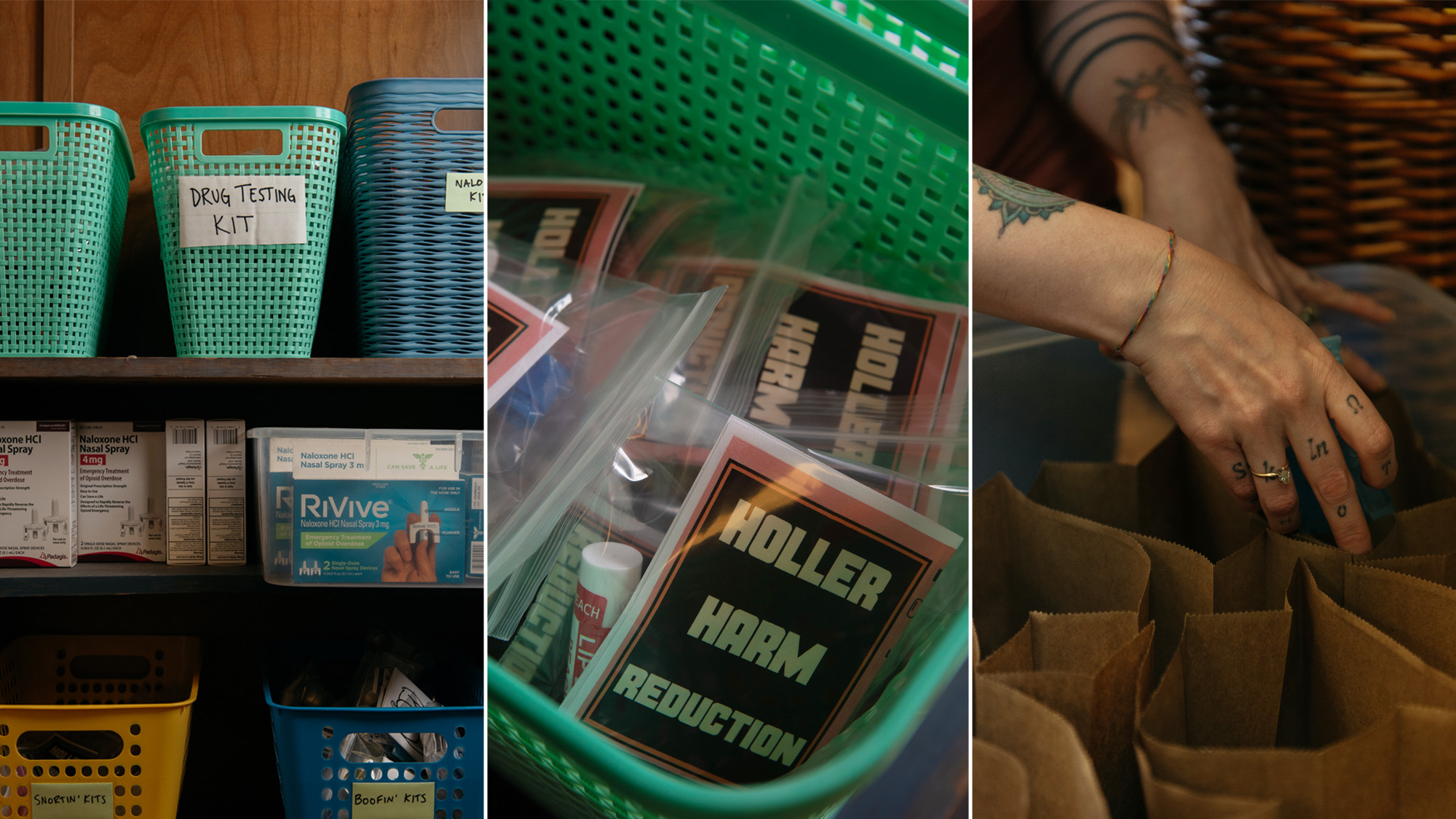
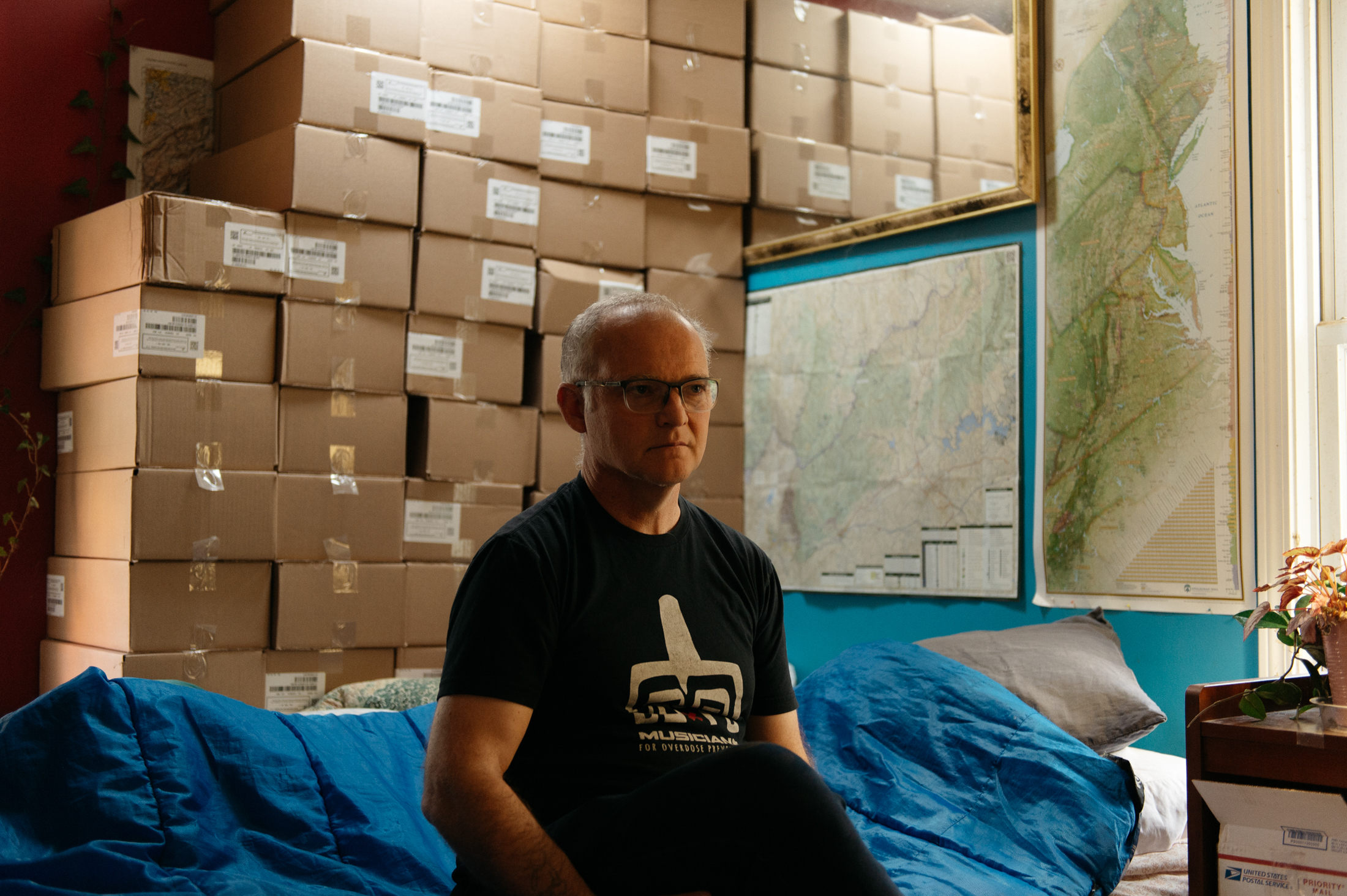
In the absence of immediate federal or state solutions for the addiction crisis post-Helene, local harm reduction groups have stepped into the vacuum. John Kennedy and his wife, Cinnamon, founders of Musicians for Overdose Prevention, have spent years distributing naloxone (Narcan) to music venues and bars in Swannanoa and Asheville.

Kennedy reports that the social fabric of these towns has been "ossified" by the storm. Many of the venues that served as distribution hubs and community gathering spaces have shuttered permanently. One regional survey found that small businesses in 23 North Carolina counties lost an average of $322,000 during Helene. The closure of these "third places" means fewer opportunities for community check-ins, increasing the likelihood that individuals will use drugs alone—a leading factor in fatal overdoses.
Similarly, the Buncombe County Post-Overdose Response Team (PORT) has had to adapt its operations. Brandi Hayes, a community health worker with PORT, describes slogging through mud and debris to track down patients who had missed appointments. She recounts the story of one patient who had achieved significant milestones—regaining his driver’s license and maintaining employment—only to lose everything in the storm, eventually cycling back into the carceral system after a relapse.
The Kentucky Precedent: Lessons from 2022
The challenges facing Western North Carolina mirror those experienced in Eastern Kentucky following the catastrophic floods of 2022. Jeremy Haney, a luthier in Knott County, lost his home and his workplace when Troublesome Creek was flooded. Haney, who is in recovery from methamphetamine and painkiller addiction, was part of a "recovery-to-work" program.
His story provides a rare example of how targeted intervention can prevent disaster-induced relapse. Doug Naselroad, who runs the program, secured emergency Department of Labor funding to transition the luthiers into disaster relief workers. By keeping the men employed and together as a cohort, the program maintained their social scaffolding. Despite the factory being closed for months, Haney stayed sober and eventually became one of the first recipients of a state-funded post-disaster housing program, moving into a new home three years after the flood.
Policy Implications and Future Disaster Planning
The recurring theme across Appalachia is that disaster preparedness must include specific provisions for substance use disorder. Public health experts and local officials are advocating for several key changes:
- Low-Barrier Sheltering: Ensuring that emergency shelters do not have strict abstinence requirements that might turn away those most in need of safety.
- Mobile MOUD Units: Deploying mobile clinics capable of dispensing Suboxone and methadone in the immediate aftermath of a storm when brick-and-mortar pharmacies are inaccessible.
- Judicial Flexibility: Encouraging courts to account for disaster-related displacement when monitoring individuals on probation or in drug court programs.
- In-Jail Treatment: Expanding access to addiction medications in county jails, as displacement often leads to increased interactions with law enforcement.
Dr. Cordelia Stearns, Chief Medical Officer at High Country Community Health, notes that without these systemic changes, the cycle of displacement, relapse, and incarceration will only accelerate as climate change increases the frequency of extreme weather events.

Conclusion: The Quiet Work of Resilience
For Devon, the battle for sobriety continues in a quiet apartment in Arden, south of Asheville. His life is now structured around his five-year-old daughter’s activities—ballet, gymnastics, and kickboxing. While he admits to periods of suicidal ideation and profound hopelessness over the past year, he credits his Narcotics Anonymous sponsor and his commitment to his daughter for keeping him from returning to heroin.
"This is why we do what we do—for when the shit hits the fan," Devon said. His experience serves as a stark reminder that in the era of climate change, the resilience of a community is measured not just by how quickly it can rebuild its bridges, but by how well it can hold onto those who are most at risk of falling through the cracks. As Appalachia enters a long period of reconstruction, the integration of addiction services into disaster recovery remains a matter of life and death.









Leave a Reply