
Say Goodbye to the Air Fryer: Exploring the Next Frontier in Healthy and Efficient Cooking
The air fryer, once hailed as a revolutionary kitchen appliance, is facing a significant paradigm shift. While its initial promise of healthier, crispy fried food without excessive oil captivated consumers, a deeper examination reveals its limitations and the emergence of superior alternatives that offer greater versatility, efficiency, and even healthier cooking methods. This article delves into the reasons why the air fryer is becoming increasingly obsolete and explores the technologies and appliances poised to take its place. Understanding the nuances of modern cooking demands transcends the singular focus of the air fryer, pushing us towards a more holistic approach to healthy and convenient meal preparation.
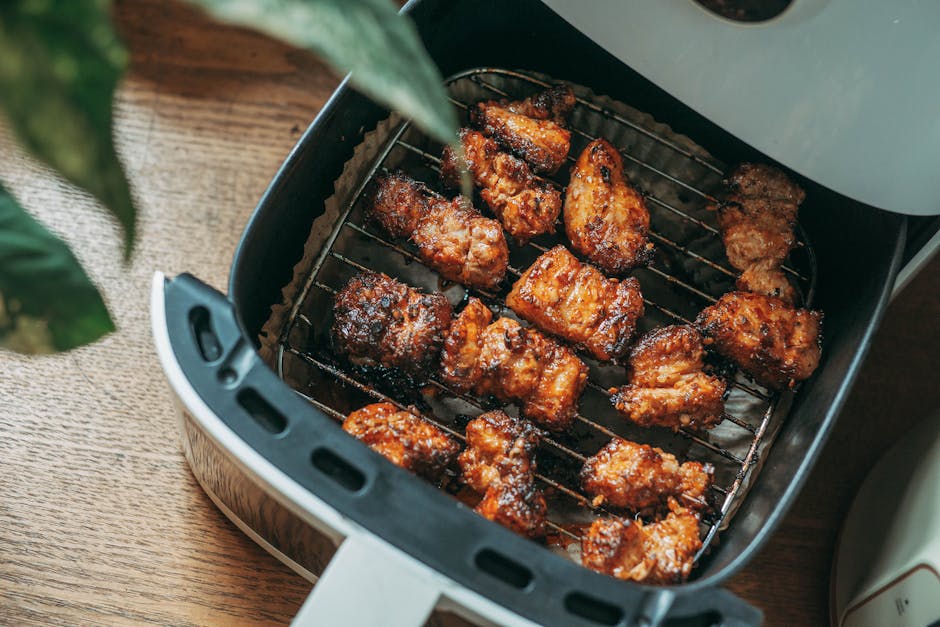
The core mechanism of an air fryer relies on rapid air circulation, essentially creating a convection oven within a compact unit. This process dehydrates and browns food, mimicking the texture of deep-frying. However, this method inherently has limitations. The small cooking chamber restricts the volume of food that can be prepared at once, making it impractical for larger families or entertaining. The uneven heating, a common complaint, often necessitates shaking or rearranging food mid-cook, adding an extra step and potential for burning if not monitored closely. Furthermore, the "fried" texture achieved by air frying is often a compromise. While crispier than oven-baked, it rarely replicates the authentic, decadent crunch of deep-fried food, leaving many users feeling unsatisfied with the end result, especially for certain types of dishes. The reliance on pre-packaged or specifically designed "air fryer" foods further limits culinary exploration, often containing additives and sodium to achieve optimal results in this specific cooking environment.
Beyond its functional limitations, the air fryer’s environmental impact and energy efficiency are also becoming points of contention. While often marketed as energy-saving, their small size and reliance on intense heat for short periods can be surprisingly inefficient when compared to larger, more advanced cooking appliances. The plastic components and the short lifespan of many air fryer models also contribute to e-waste concerns. As consumers become more conscious of their environmental footprint, the sustainability of their kitchen appliances is increasingly a deciding factor. The air fryer, with its often disposable nature and specialized function, falls short in this regard when placed alongside more durable and multi-functional alternatives.
The true innovation in modern cooking lies in appliances that offer a broader spectrum of capabilities, merging functionalities and delivering superior results across a wider range of culinary tasks. The multi-cooker, particularly those with advanced induction heating and precise temperature control, is emerging as the undisputed champion. These devices, often encompassing pressure cooking, slow cooking, steaming, sautéing, and even yogurt making, offer unparalleled versatility. For instance, the ability to pressure cook drastically reduces cooking times for meats and stews, while slow cooking allows for tender, flavorful dishes with minimal effort. Sautéing directly in the pot eliminates the need for separate pans, further streamlining the cooking process and reducing cleanup. This all-in-one approach directly addresses the air fryer’s single-purpose design, offering a far more comprehensive solution for the modern kitchen.
Induction technology, a key component of many advanced multi-cookers, represents a significant leap in cooking efficiency and precision. Unlike traditional heating elements, induction heats cookware directly through electromagnetic fields, resulting in faster heating, more consistent temperatures, and significantly less wasted energy. This precise temperature control is crucial for a multitude of cooking techniques, from delicate sauces to perfectly seared meats, something the air fryer’s blunt force hot air circulation simply cannot achieve. The ability to maintain specific temperatures for extended periods also opens up possibilities for sous vide cooking, a method that produces exceptionally tender and evenly cooked food.
Steam, another fundamental cooking method, is being re-imagined in sophisticated combi-steam ovens and integrated steam functions within premium ovens. These appliances utilize precisely controlled steam injections alongside conventional heating elements (convection, grill) to achieve a remarkable duality of textures. Foods cooked with steam retain more moisture and nutrients, leading to incredibly juicy results, while the accompanying convection heat ensures browning and crisping. This means you can achieve a perfectly roasted chicken with crispy skin and incredibly moist meat, or bake bread with a beautifully crisp crust and a soft, airy interior – feats far beyond the capabilities of an air fryer. The combination of steam and dry heat offers a level of culinary control that is simply unattainable with hot air circulation alone.
The evolution of ovens themselves has also rendered the air fryer increasingly redundant. Modern smart ovens, equipped with advanced convection systems, infrared grilling, and even steam injection capabilities, offer a far superior and more versatile cooking experience. Many of these ovens can mimic the air fryer’s hot air circulation effect with greater precision and larger capacity. The ability to roast, bake, broil, dehydrate, and even air fry (in some models) within a single, larger appliance makes the dedicated air fryer a secondary, and often unnecessary, addition to the kitchen. The intelligence of these ovens, often featuring pre-programmed settings and the ability to monitor cooking remotely, further enhances convenience and reduces the guesswork often associated with the air fryer.
Beyond these larger appliances, dedicated tools for specific healthy cooking methods are also gaining traction. Dehydrators, for example, offer a more controlled and efficient way to create dried fruits, jerky, and vegetable chips, achieving a superior texture and flavor profile compared to the results from an air fryer. Sous vide immersion circulators, when paired with vacuum sealers, provide a professional-level approach to achieving perfectly cooked proteins and vegetables, unlocking new dimensions of flavor and tenderness. These specialized tools, while not offering the broad versatility of a multi-cooker, excel at their intended purpose, delivering superior results in their respective domains.
The concept of "smart" kitchen technology is also playing a significant role in the decline of the standalone air fryer. Connected appliances that can be controlled via smartphone apps, offer recipe integration, and provide real-time cooking updates are becoming the norm. This integration simplifies meal preparation, allows for remote monitoring, and offers a level of convenience that the often basic interface of an air fryer cannot match. Imagine preheating your oven from the grocery store or receiving a notification when your meal is perfectly cooked – this level of seamless integration is the future of home cooking.
Cleaning and maintenance are also areas where the air fryer often falls short. The intricate heating elements and baskets can be difficult to thoroughly clean, leading to lingering odors and food particles. In contrast, many modern multi-cookers feature non-stick ceramic coatings or dishwasher-safe components, significantly simplifying the post-meal cleanup process. This practical consideration is a crucial factor for busy home cooks seeking efficiency and ease.
The marketing hype surrounding the air fryer also needs to be critically examined. While it offered a step up from traditional deep-frying in terms of oil reduction, it was never a truly healthy cooking method on par with steaming, baking, or poaching. The "fried" illusion it creates often comes at the cost of nutrient loss and the addition of less-than-ideal ingredients. As nutritional awareness grows, consumers are increasingly seeking cooking methods that actively preserve nutrients and avoid processed additives, pushing them towards more holistic and less gimmicky solutions.
Furthermore, the cost-effectiveness of a dedicated air fryer is being questioned when considering the capabilities of more advanced, multi-functional appliances. While an initial air fryer might seem affordable, the investment in a high-quality multi-cooker or a modern oven with integrated functions can offer far greater long-term value, reducing the need for multiple single-purpose gadgets. The clutter reduction alone in a kitchen that replaces an air fryer with a versatile multi-cooker is a significant benefit.
In conclusion, the air fryer, while a step in the right direction for some, has been surpassed by a new generation of intelligent, versatile, and truly healthy cooking appliances. The limitations in capacity, the compromise in texture, the questionable energy efficiency, and the growing availability of superior alternatives all point towards the air fryer becoming a relic of the past. The future of cooking lies in appliances that offer precision, versatility, and a commitment to preserving nutrients, empowering home cooks to create a wider array of delicious and genuinely healthy meals with greater ease and efficiency. The continued evolution of kitchen technology promises even more exciting innovations, making the single-minded air fryer an increasingly outdated proposition.





Leave a Reply