
The Unsung Canvas: Exploring the Impact and Significance of the Shirt on a Man’s Presence
The shirt, often perceived as a mere garment, functions as a profound visual communicator, shaping and influencing a man’s perceived presence in myriad ways. Far beyond its utilitarian purpose of covering the body, the shirt acts as an extension of personality, a projection of intention, and a fundamental element in constructing social narratives. Its fabric, cut, color, pattern, and even the way it is worn, all contribute to a complex interplay of signals that are constantly being decoded by observers. Understanding this intricate relationship between a man and his shirt is key to appreciating the subtle yet powerful influence this seemingly simple article of clothing wields in everyday interactions and broader societal contexts. From the boardroom to casual gatherings, the shirt is not just something he wears; it is a statement, a declaration, and an integral part of his personal brand.
The foundational aspect of a shirt’s impact lies in its material. The choice of fabric dictates not only comfort and suitability for different climates but also communicates socioeconomic status and attention to detail. A finely woven cotton, such as Egyptian or Supima, conveys a sense of luxury and refinement. The smooth texture and subtle sheen suggest quality craftsmanship and an individual who appreciates finer things. Conversely, a more robust linen might speak to a laid-back yet sophisticated sensibility, ideal for warmer weather and projecting an air of relaxed elegance. Polyester blends, while often chosen for their durability and ease of care, can sometimes be perceived as less formal or less indicative of meticulous personal presentation. The inherent drape and texture of a fabric are crucial. A heavy wool flannel shirt, for instance, evokes a sense of ruggedness and warmth, suitable for outdoor pursuits or creating a cozy, approachable image. A light silk shirt, on the other hand, immediately elevates the wearer, projecting an aura of opulence and making a bold statement of confidence. The way the fabric catches light, its breathability, and its ability to hold a crease all contribute to the overall impression. A well-chosen fabric will enhance the wearer’s natural silhouette and contribute to a polished, intentional appearance, while a poor choice can detract, making the wearer appear unkempt or out of place. The tactile experience of a fabric is also subconsciously processed, contributing to feelings of comfort or discomfort, which in turn can influence a man’s posture and self-assurance.
The cut and fit of a shirt are perhaps the most critical determinants of its visual impact. A perfectly tailored shirt is a testament to an individual’s self-awareness and respect for convention. It accentuates the wearer’s physique, creating a flattering silhouette that conveys confidence and professionalism. A shirt that is too loose can appear sloppy and unrefined, suggesting a lack of attention to detail or even a disregard for presentation. Conversely, a shirt that is too tight can project an image of being ostentatious or uncomfortable, potentially hindering effective communication. The ideal fit ensures that the shoulders sit squarely, the sleeves fall at the correct length, and the torso is neither strained nor baggy. This precision in tailoring communicates a sense of order and meticulousness, qualities highly valued in both professional and social settings. A well-fitting shirt can subtly enhance a man’s perceived height and breadth, contributing to a more commanding presence. The neckline, be it a classic collar, a more relaxed spread, or a sharp button-down, also plays a significant role. The collar, in particular, frames the face and can influence the perceived formality of the ensemble. A crisp, well-starched collar suggests a readiness for business and a commitment to presentation, while a softer, unbuttoned collar can denote a more relaxed and approachable demeanor. The length of the shirt’s body is also important, ensuring it tucks in neatly without bunching or riding up. Ultimately, the cut and fit of a shirt are not merely about aesthetics; they are about conveying a message of self-respect and preparedness.
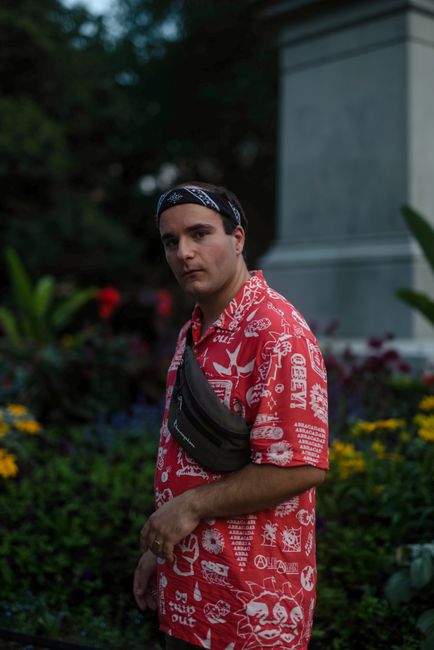
Color and pattern are the next powerful tools in a man’s shirt-based communication arsenal. Color psychology is well-documented, and the hues chosen for a shirt can evoke a wide range of emotions and associations. Deep blues and grays are often perceived as authoritative and trustworthy, making them staples in business attire. Crisp whites project cleanliness, purity, and a sense of formality. Brighter colors, such as reds or yellows, can signal confidence, energy, and a more outgoing personality, though their appropriateness often depends on the context. Pastels can convey a softer, more approachable, and sometimes romantic image. The boldness of a color choice can also reflect the wearer’s personality. A man who consistently opts for muted tones might be seen as reserved or traditional, while one who embraces vibrant shades may be perceived as more adventurous and expressive. Patterns add another layer of complexity. Stripes can lend a sense of structure and order, with finer stripes often appearing more formal than bolder ones. Checks and plaids can range from the sophisticated subtlety of a fine Glen check to the more casual, rustic feel of a buffalo plaid. The scale of the pattern is also significant. Small, intricate patterns can be more understated and versatile, while larger, more pronounced patterns demand attention and can project a bolder personality. The interplay between color and pattern is crucial. A bold color in a subtle pattern can create a balanced yet impactful statement, while a neutral color with a striking pattern can achieve a similar effect. The strategic use of color and pattern allows a man to subtly communicate his mood, his intentions, and his personal aesthetic, transforming a simple shirt into a deliberate form of self-expression.
The manner in which a shirt is worn – tucked or untucked, buttoned or unbuttoned, rolled or cuffed sleeves – significantly alters its perceived formality and the overall impression it creates. A shirt tucked neatly into trousers is almost universally understood as a sign of formality and professionalism. This is the standard for business environments, formal events, and any situation where a polished and put-together appearance is paramount. The clean line created by a tucked shirt projects order and intentionality. Conversely, an untucked shirt generally signals a more casual and relaxed approach. This is common in weekend wear, informal gatherings, and creative professional settings where a more laid-back aesthetic is accepted or even encouraged. However, the length of the untucked shirt is critical; an untucked shirt that is too long can appear sloppy. The degree to which a shirt is buttoned also communicates a message. A fully buttoned shirt, especially with a tie, signifies the highest level of formality. Leaving the top button unbuttoned offers a touch of casualness without sacrificing too much polish, creating an approachable yet still put-together look. Unbuttoning further, perhaps to reveal a glimpse of an undershirt, pushes the impression further towards casualness and can project a more confident, sometimes even daring, persona. The way sleeves are handled is another key element. Cuffed sleeves can add a touch of sophistication to a casual shirt, particularly if they are neatly folded. Rolled sleeves, depending on the neatness of the roll, can convey a sense of readiness for action, a relaxed attitude, or a desire to appear more approachable and less formal. The combination of these subtle wearing choices allows a man to fine-tune the message his shirt conveys, adapting it to different social contexts and personal preferences.
Beyond the shirt itself, the surrounding elements of a man’s attire and grooming further amplify or diminish its impact. The shirt does not exist in a vacuum. Its effectiveness is intrinsically linked to what it is paired with and how the wearer presents himself. A well-fitting shirt paired with ill-fitting trousers or worn-out shoes will negate its positive impact. Conversely, a simple, well-made shirt can be elevated by thoughtful pairings. A crisp white Oxford shirt, for example, looks exceptionally sharp when worn with well-tailored navy trousers and polished leather loafers. The choice of accessories, such as a tie, pocket square, watch, or even a subtle piece of jewelry, can further enhance or alter the shirt’s message. A tie can elevate a shirt to business formality, while a pocket square can add a touch of flair and personality. The condition of the shirt – its cleanliness, lack of wrinkles, and absence of stains or damage – is a fundamental indicator of self-care and respect for others. A man’s grooming, including his hair, beard (if any), and overall cleanliness, directly impacts how his shirt is perceived. A clean, neat appearance complements a well-chosen shirt, while a disheveled appearance can make even the finest shirt look unappealing. The posture and body language of the wearer are also integral. A confident stance, eye contact, and natural movement will all contribute to a positive reception of the message conveyed by the shirt. The shirt, therefore, becomes a focal point within a larger presentation of self, and its success is amplified by the coherence and intentionality of the entire ensemble and the wearer’s overall demeanor.
In conclusion, the shirt for a man is far more than a simple article of clothing; it is a sophisticated tool for communication, a canvas upon which his personality, intentions, and social standing are subtly but effectively projected. The careful selection of fabric, the precision of its cut and fit, the strategic use of color and pattern, and the intentionality of how it is worn all coalesce to create a powerful visual narrative. When considered in conjunction with meticulous grooming and appropriate accompanying attire, the shirt plays a pivotal role in shaping perceptions and influencing interactions. Its seemingly mundane presence belies its significant contribution to a man’s overall presence, making it an indispensable element in the art of personal presentation and self-expression. Understanding and leveraging the multifaceted power of the shirt is therefore essential for any man seeking to navigate the complexities of social and professional life with confidence and intention.





Leave a Reply