
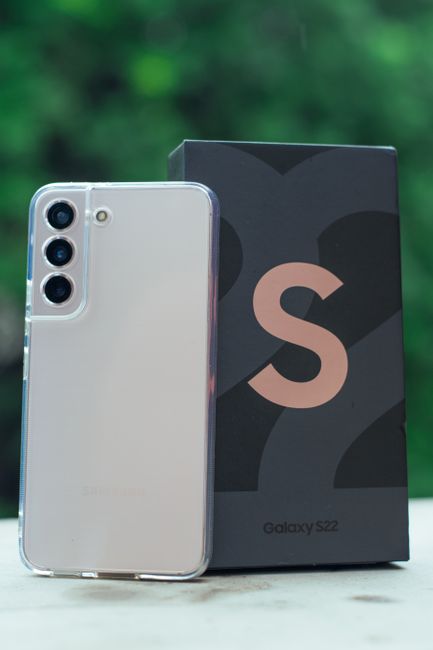
Samsung Galaxy F55: A Detailed Exploration of Features, Performance, and Market Positioning
The Samsung Galaxy F55 represents a significant entry into the competitive mid-range smartphone market, aiming to balance premium features with an accessible price point. This device builds upon Samsung’s established F-series lineage, known for offering a compelling blend of display technology, camera capabilities, and battery life. Understanding the F55 requires a deep dive into its hardware specifications, software experience, and how it stacks up against its direct rivals, ultimately defining its place within Samsung’s diverse smartphone portfolio and the broader Android ecosystem.
At the core of the Samsung Galaxy F55’s appeal lies its display. Samsung, a leader in display manufacturing, equips the F55 with a vibrant and sharp Super AMOLED panel. Typically, these displays offer excellent color reproduction, deep blacks, and impressive contrast ratios, making for an immersive viewing experience whether consuming media, browsing the web, or engaging in mobile gaming. The screen size is usually generous, catering to users who prefer larger displays for productivity and entertainment. High refresh rates are increasingly becoming a standard in this segment, and the F55 is expected to feature a smooth 120Hz refresh rate, which translates to fluid scrolling and more responsive touch interactions. This is a crucial differentiator for users accustomed to premium smartphone experiences, and its inclusion in a mid-range device like the F55 significantly elevates its perceived value. Resolution is also a key factor, and the F55 likely sports a Full HD+ resolution, ensuring sharp text and detailed imagery, further enhancing the overall visual fidelity. Brightness levels are another area where Samsung typically excels, ensuring good outdoor visibility even under direct sunlight, a practical consideration for any smartphone.
Under the hood, the Samsung Galaxy F55 is powered by a capable processor designed to handle everyday tasks with ease and offer respectable performance for more demanding applications. While Samsung often opts for its Exynos chipsets in many regions, they also partner with Qualcomm for Snapdragon processors in others. The specific chipset chosen for the F55 will dictate its raw processing power, efficiency, and graphics capabilities. For a device in this price bracket, users can expect a chipset that offers a good balance between performance and power consumption, ensuring a smooth user experience without rapid battery drain. This usually translates to efficient multitasking, lag-free app switching, and the ability to run most mobile games at playable frame rates. RAM configurations are equally important, and the F55 is expected to come with ample RAM, likely starting from 6GB and potentially offering 8GB or even 12GB variants. More RAM translates to better multitasking capabilities and the ability to keep more applications open in the background without performance degradation. Storage options are also a consideration, with the F55 likely offering internal storage starting from 128GB, with potential for 256GB variants. Expandable storage via a microSD card is a feature that is increasingly becoming less common, but it would be a welcome addition for users who require significant on-device storage for photos, videos, and apps.
The camera system on the Samsung Galaxy F55 is a significant selling point, aiming to capture high-quality photos and videos in a variety of lighting conditions. Samsung typically equips its F-series devices with versatile multi-camera setups. This usually includes a high-resolution main sensor, an ultrawide lens for expansive shots, and often a macro lens for close-up photography. The megapixel count of the main sensor is usually a key metric, with higher numbers often translating to more detail. However, Samsung’s image processing software plays a crucial role in delivering excellent results, utilizing AI enhancements and computational photography techniques to optimize every shot. Features like OIS (Optical Image Stabilization) on the main sensor would be a significant advantage, reducing blur caused by hand shake and enabling sharper photos, especially in low light. Video recording capabilities are also important, and the F55 is expected to support 4K video recording, providing crisp and detailed footage. Front-facing camera performance is also a consideration for selfie enthusiasts and video callers, and the F55 should offer a decent resolution for clear and vibrant self-portraits. Features like portrait mode, night mode, and various shooting modes are standard offerings that enhance the usability and creative potential of the camera system.
Battery life is a critical factor for any smartphone user, and the Samsung Galaxy F55 is designed to keep users connected throughout the day and beyond. It’s expected to house a substantial battery capacity, likely in the 5000mAh range or higher. This capacity, combined with the power-efficient processor and optimized software, should provide ample endurance for moderate to heavy usage. Fast charging support is another essential feature, allowing users to quickly top up their battery when needed. The wattage of the fast charger will determine the speed of charging, with higher wattages leading to quicker charge times. Wireless charging is a feature that is less common in this segment, but if included, it would add a layer of convenience. Battery optimization features within Samsung’s One UI software also contribute to extended battery life by intelligently managing background processes and app power consumption.
Software is where Samsung’s One UI, built on top of Android, brings its unique user experience to the Galaxy F55. One UI is known for its clean interface, extensive customization options, and a suite of features designed to enhance productivity and user convenience. The F55 will launch with a recent version of Android and Samsung’s One UI, promising regular software updates to ensure the device remains secure and up-to-date with the latest features and security patches. Features like Samsung DeX, which allows for a desktop-like experience when connected to an external display, may be present, offering added productivity for users who need to perform more complex tasks on their mobile device. The integration of Samsung’s ecosystem of apps and services, such as Samsung Pay, Samsung Health, and SmartThings, further enhances the user experience for those invested in the Samsung ecosystem. The presence of features like secure folder, for storing sensitive data, and various multitasking enhancements contribute to the overall user-friendliness and functionality of the software.
In terms of design and build quality, the Samsung Galaxy F55 aims to offer a premium feel without compromising on durability. While specific materials will vary, Samsung often uses a combination of glass and plastic to achieve a balance of aesthetics and cost-effectiveness. The design language will likely align with Samsung’s current smartphone trends, featuring clean lines and a modern appearance. Ergonomics are also important, with the F55 expected to have a comfortable in-hand feel and a well-distributed weight. Water and dust resistance ratings, while not always standard in this segment, would be a significant bonus for added peace of mind. Color options are usually diverse, allowing users to choose a device that reflects their personal style.
The market positioning of the Samsung Galaxy F55 is crucial to understanding its appeal. It sits in the highly competitive mid-range segment, vying for attention against offerings from brands like Xiaomi, Realme, and OnePlus. Samsung’s advantage lies in its brand recognition, extensive distribution network, and a reputation for reliable hardware and software. The F55 aims to attract users who are looking for a device that offers a premium smartphone experience without the flagship price tag. This includes individuals who prioritize a high-quality display, a capable camera, long battery life, and a smooth software experience. By striking a balance between these key features, Samsung seeks to capture a significant share of the mid-range market, appealing to a broad audience of consumers. Its success will depend on its pricing strategy, feature set relative to its competitors, and the overall user satisfaction it can deliver. The F55 represents Samsung’s ongoing commitment to providing compelling options across all price segments, ensuring that its brand remains accessible and desirable to a wider range of consumers.





Leave a Reply