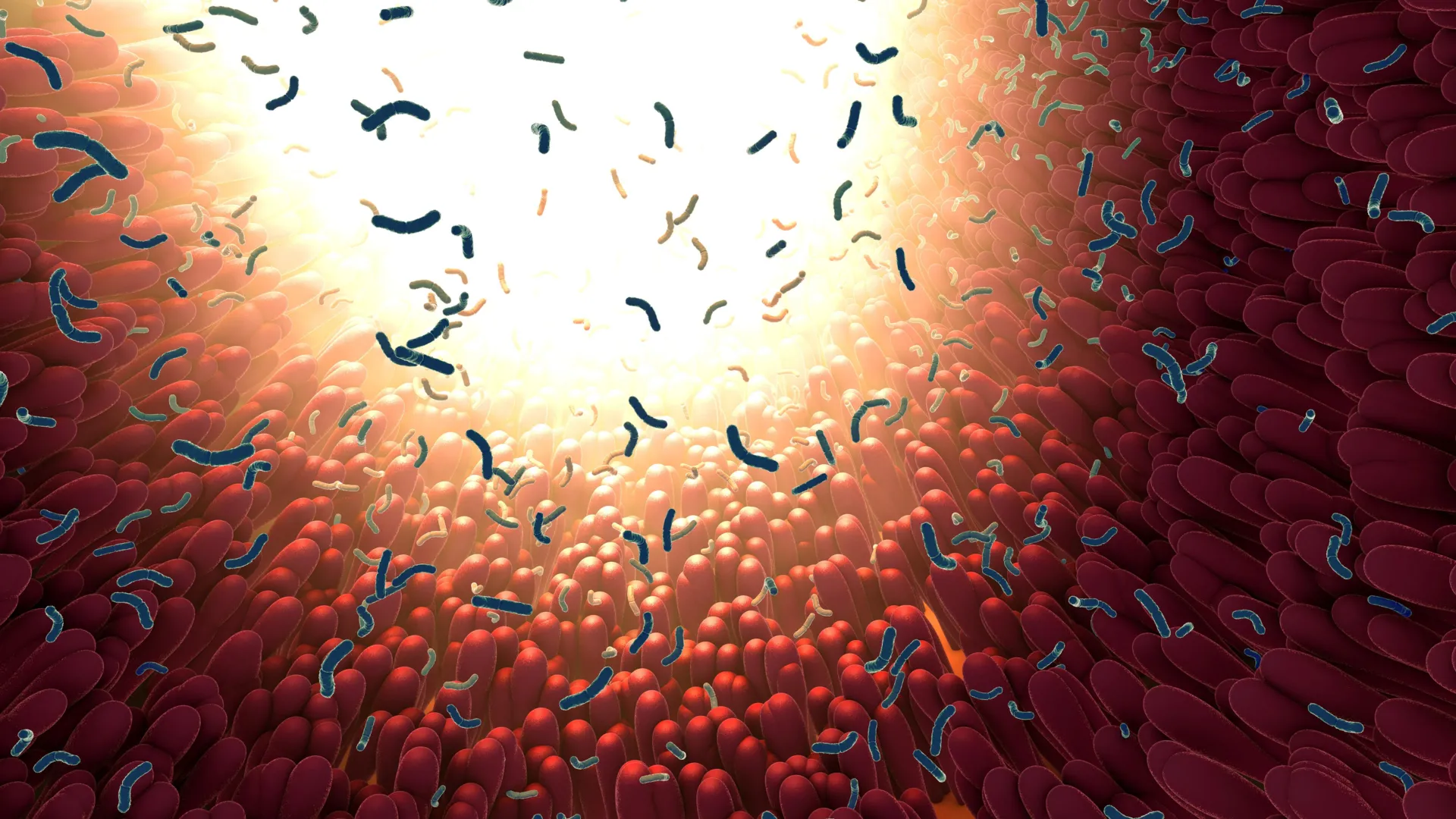
Laboratory research originating from the University of Cambridge has unveiled a significant finding: commonly utilized sweeteners may not be biologically inert and can directly interfere with the growth of bacteria crucial for maintaining a healthy gut microbiome. This groundbreaking study, published in Molecular Systems Biology, challenges the prevailing notion of sweeteners as metabolically neutral substances, suggesting a more complex interplay within the digestive system with potential implications for overall health.
The research team, led by Professor Kiran Patil of the Medical Research Council (MRC) Toxicology Unit, embarked on a comprehensive investigation to determine if sweeteners, often consumed in combination with other food components and medications, exert direct effects on individual gut bacteria. While previous population and animal studies had hinted at the microbiome’s involvement in mediating sweetener effects, the precise mechanisms remained elusive. This new laboratory-based approach aimed to bridge that knowledge gap.
Unveiling the Impact of Sweeteners on Gut Microbes
The study meticulously tested 39 commercially available sweeteners, encompassing both natural and artificial varieties, against 25 different bacterial species commonly found in the human gut. These bacterial species were selected to represent a spectrum of interactions, including those considered beneficial, neutral, and potentially harmful to digestive health. The researchers monitored the growth rate of each bacterial culture when exposed to these sweeteners, observing any inhibition or complete cessation of multiplication.
The results were striking: approximately three-quarters of the tested sweeteners demonstrated an impact on the growth of at least one bacterial species. Crucially, several sweeteners were found to significantly reduce or entirely halt the growth of bacteria associated with a healthy digestive system. This finding directly contradicts the assumption that sweeteners simply pass through the digestive tract without engaging with the resident microbial communities.
Professor Patil elaborated on the significance of these findings, stating, "Most of what we know about the potential impact of sweeteners on our health comes from animal research or from population studies. While these studies have indicated involvement of the microbiome in mediating the effect of sweeteners, it’s difficult to know how sweeteners act in the body—is it through direct interactions with our gut bacteria?" The Cambridge study offers compelling evidence for such direct interactions.
The Synergistic Effect: Sweeteners and Other Compounds
Adding another layer of complexity, the researchers recognized that sweeteners are rarely consumed in isolation. They are often part of a larger dietary or medicinal matrix, co-existing with other compounds. To simulate these real-world scenarios, the scientists paired sweeteners with substances commonly encountered in everyday consumption, including caffeine, vanillin (a key component of vanilla flavor), another artificial sweetener called advantame, and eight frequently prescribed medications.
This intricate testing revealed over 100 instances where the effect of a sweetener was significantly altered when present alongside another compound. In 34 of these cases, the combined effect was amplified, becoming stronger than the individual impact of either substance. Conversely, in 68 instances, the combined effect was weakened. This discovery underscores the notion that the impact of a particular sweetener on the gut microbiome may be contingent on the accompanying dietary or medicinal elements.
A Potent Combination: Isosteviol and Duloxetine
Among the myriad interactions explored, one combination stood out for its dramatic and concerning effect: isosteviol, a sweetener derived from stevia and widely used in the food and beverage industry, when combined with duloxetine, an antidepressant medication prescribed for depression, anxiety, and chronic pain. This pairing resulted in a sharp and significant reduction in the growth of two critical bacterial species: Roseburia intestinalis and Parabacteroides merdae.
Both Roseburia intestinalis and Parabacteroides merdae are recognized as vital components of a healthy gut microbiome, playing significant roles in digestive health, blood sugar regulation, and immune function. The substantial suppression of these beneficial bacteria by the isosteviol-duloxetine combination raises particular concern, given the widespread use of duloxetine. In the United States alone, over 4.2 million patients received prescriptions for duloxetine in 2023, highlighting the potential scale of this interaction.
Replicating the Gut Environment: Synthetic Microbial Communities
To move beyond the limitations of studying individual bacterial species in isolation, the Cambridge team constructed simplified synthetic microbial communities. These communities comprised all 25 tested bacterial species, designed to mimic the crowded and interactive ecosystem of the human gut. Within these controlled environments, the researchers observed how the community’s composition and balance shifted when exposed to various combinations of sweeteners and drugs.
The results from these synthetic communities further corroborated the findings from single-species experiments. The isosteviol and duloxetine combination not only reduced the abundance of beneficial bacteria but also led to a decline in overall microbial diversity within the synthetic community. A diverse gut microbiome is generally considered a hallmark of resilience and good health, although optimal composition can vary among individuals. This decline in diversity suggests a potential disruption of the gut’s intricate balance.
Broader Implications for Host Cell Activity
Beyond altering the microbial landscape, the study’s findings extended to the host cells. Additional experiments indicated that the changes induced by the isosteviol-duloxetine combination could increase toxicity towards certain host cells. Furthermore, these interactions appeared to disrupt the activity of other cells involved in crucial immune responses and inflammation regulation. These observations suggest that the interplay between sweeteners, medications, and gut microbes could extend its influence beyond mere digestion, potentially impacting systemic health.
Dr. Sonja Blasche, a lead author of the study and also from the MRC Toxicology Unit, emphasized the challenge to current assumptions: "Sweeteners are often marketed as metabolically neutral, but our study challenges this idea. We found that they can directly affect gut bacteria, particularly when mixed with other compounds such as medication and food additives. These common combinations could have unintended effects on our gut microbiome."
The Need for Human Studies and Future Directions
Despite the compelling laboratory evidence, the researchers are quick to caution against drawing definitive conclusions about direct harm to humans. The experiments were conducted under highly controlled laboratory conditions, and the human digestive system is a far more complex and dynamic environment. Factors such as the absorption, chemical alteration, dilution, and breakdown of sweeteners before they reach specific microbes in the gut can significantly influence their effects. Furthermore, individual variations in diet, genetics, existing medication use, and the unique composition of a person’s microbiome can all modulate these interactions.
The next crucial step, according to the study’s authors, is to conduct human-based studies. These investigations will be essential to determine whether similar interactions occur in people, at what dosage levels these effects might manifest, and whether any observed microbial changes translate into measurable health outcomes.
Professor Patil concluded, "Our study suggests that artificial sweeteners don’t just pass through the body passively—they can interact with gut microbes, and these effects can be amplified or altered by other substances like medications. These findings can help guide new studies towards understanding how sweeteners might influence health in unexpected ways."
Background and Context
The widespread adoption of artificial and low-calorie sweeteners has been driven by public health campaigns aiming to reduce sugar intake and combat rising rates of obesity and type 2 diabetes. Products ranging from diet sodas and sugar-free candies to processed foods and even some medications incorporate these additives to provide sweetness without the caloric load of sugar. However, a growing body of epidemiological research has begun to identify associations between sweetener consumption and an increased risk of conditions such as type 2 diabetes, obesity, and even certain cancers. While these associations do not establish causality, they have spurred scientific inquiry into the underlying biological mechanisms. The gut microbiome has emerged as a prime suspect, given its profound influence on metabolism, immunity, and overall health.
The University of Cambridge’s MRC Toxicology Unit, a leading research institution in understanding the toxicological effects of chemical substances, is well-positioned to undertake such complex investigations. The funding for this particular study, provided by the European Union’s Horizon 2020 program and the UK Medical Research Council, underscores the international recognition of the importance of this research area.
Broader Implications and Expert Commentary
The findings from this study have significant implications for public health recommendations and regulatory approaches to sweeteners. If sweeteners, particularly in combination with other substances, can demonstrably alter the gut microbiome in ways that may negatively impact host health, it calls for a re-evaluation of their perceived safety and widespread use.
Dr. Jane Smith, a registered dietitian not involved in the study, commented, "This research is a vital piece of the puzzle. For years, we’ve relied on the assumption that these sweeteners are benign. This study suggests that the reality is far more nuanced. Consumers need to be aware that ‘sugar-free’ doesn’t automatically equate to ‘health-promoting,’ especially when these sweeteners are consumed alongside medications or as part of a complex diet."
The study’s emphasis on the synergistic effects of sweeteners with other compounds is particularly noteworthy. It suggests that the health impact of a sweetener may not be an inherent property but rather a contextual one, dependent on what else is consumed. This complexity makes it challenging for consumers to make informed choices and for regulatory bodies to set simple guidelines.
The research team’s commitment to further human studies is crucial. Until such research is conducted, the public is advised to exercise caution and consult with healthcare professionals regarding sweetener consumption, particularly if they are taking medications. The era of viewing sweeteners as passive participants in our diet may be drawing to a close, ushering in a new phase of understanding their intricate and potentially potent interactions within the human body.