The enduring legacy of Homer’s epic poem, "The Odyssey," continues to captivate audiences across millennia, inspiring countless adaptations and reinterpretations. Among these, the 1980s French-Japanese animated co-production, "Ulysses 31," stands as a unique and influential entry, boldly transporting the ancient Greek hero and his perilous journey to the far reaches of the 31st century. While the creative liberties taken with the source material might stir purists, the series offered a generation of young viewers a vibrant, action-packed introduction to classical mythology, blending space opera spectacle with timeless themes of heroism, perseverance, and divine intervention.
A Cosmic Odyssey for the 1980s
"Ulysses 31," which first aired in 1981, was a groundbreaking collaboration between French animation studio DIC Audiovisuel and Japanese animation house Tokyo Movie Shinsha. The series presented a futuristic vision of Odysseus, the legendary king of Ithaca, reimagined as Captain Ulysses of the starship Odyssey. This bold reimagining sought to make the epic accessible to a new audience, embedding its narrative within the popular science fiction tropes of the era, reminiscent of the burgeoning space opera genre exemplified by films like "Star Wars."
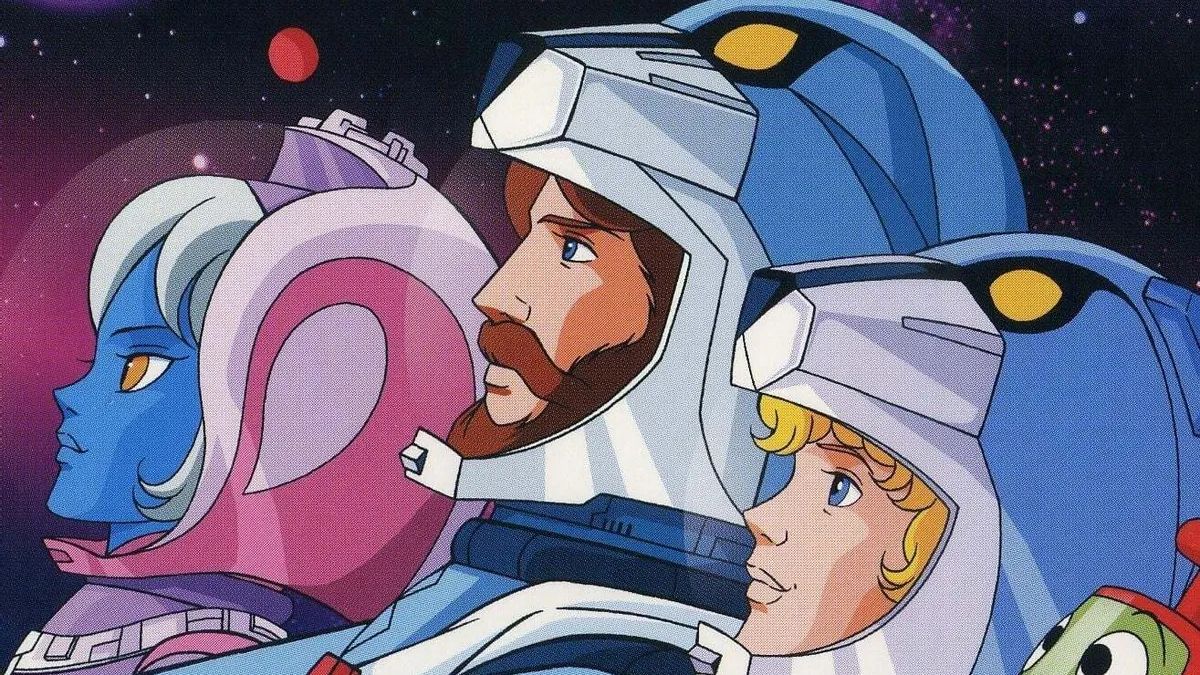
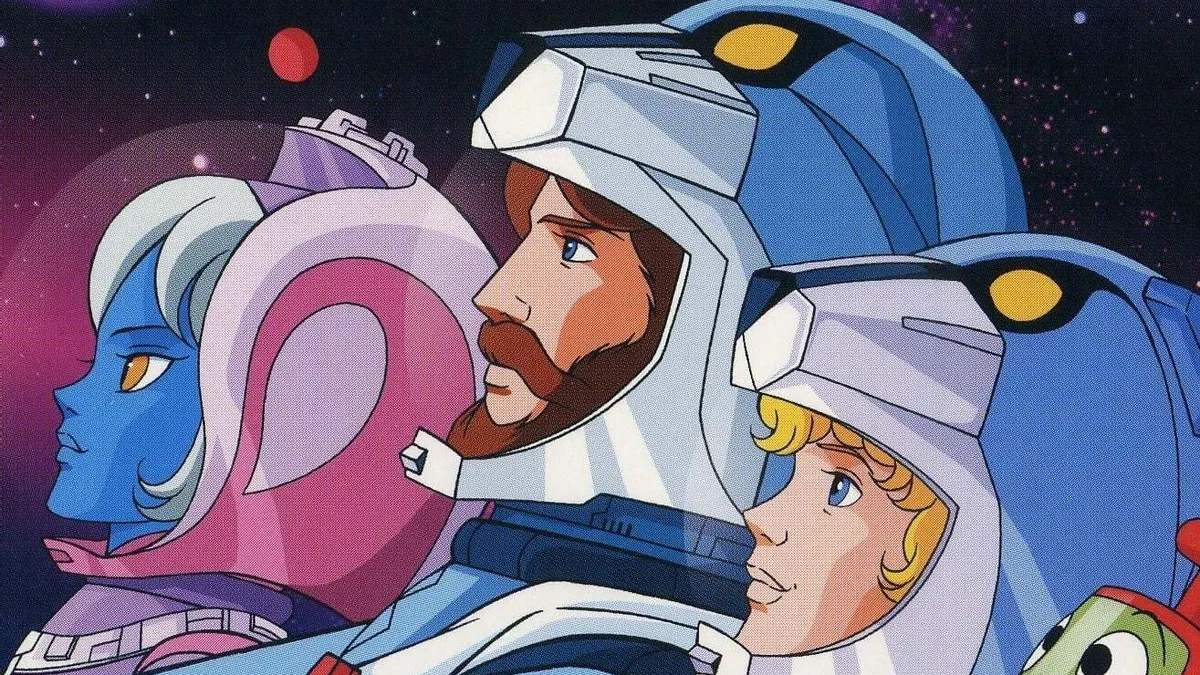
The core premise of "Ulysses 31" mirrors the foundational elements of Homer’s epic. Captain Ulysses, returning from a victorious campaign at the Troy starbase, finds himself on a quest to return to his wife, Penelope. However, his journey is dramatically interrupted when his son, Telemachus, is abducted. This abduction sets in motion a chain of events that embroils Ulysses and his crew in a cosmic struggle against the Greek gods, who have taken up residence in outer space.
Divine Retribution in the Cosmos
The inciting incident of the series involves Telemachus’s capture to be sacrificed to a colossal, robotic Cyclops. Ulysses, embodying the heroic spirit, swiftly defeats the one-eyed mechanical menace, rescuing his son along with Yumi and Numinor, two alien Zotrians who were not part of Homer’s original pantheon. This act of defiance, however, draws the ire of the robotic Cyclops’s owner: Poseidon, the Greek god of the sea, now a formidable presence in the vastness of space.
Poseidon’s wrath is immense, compelling his brother, Zeus, the king of the gods, to inflict divine retribution upon Ulysses. The consequence is a sentence of exile: Ulysses and his crew are cursed to "travel among unknown stars" while their ship’s navigational databanks are purged, rendering them lost in the cosmos. Furthermore, Ulysses’ loyal companions are placed in a deep, perpetual slumber, leaving him to navigate the treacherous void with only his son, Telemachus, and the two alien companions. To break this curse and return home to Penelope, Ulysses must embark on a desperate quest to find the mythical Kingdom of Hades before his 26-episode journey concludes.
A Tapestry of Mythological Encounters
"Ulysses 31" masterfully weaves together key episodes from "The Odyssey" with other prominent myths from Greek antiquity, recontextualizing them within a science fiction framework. The series faithfully recreates Ulysses’ encounters with the seductive Sirens and the disorienting Lotus Eaters, adapting them into cosmic phenomena or alien encounters.
Beyond the direct adaptations of Homer, the show boldly incorporates figures and challenges from other classical myths. Ulysses confronts Sisyphus, doomed to his eternal, futile task; he encounters Orpheus on his journey to the underworld to rescue his beloved Eurydice; and he faces the monstrous Cerberus, reimagined as a formidable, three-headed interceptor satellite. These mythological interpolations enrich the narrative, transforming the series into a broader exploration of classical storytelling.
Character Adaptations and Creative Liberties
The series also takes considerable creative liberties with its characters and their relationships. While the use of "Ulysses" instead of the Greek "Odysseus" is a nod to Roman nomenclature, it’s a notable departure for purists. Telemachus, who in Homer’s original often spends a significant portion of the narrative apart from his father, is a constant presence in "Ulysses 31," acting as a co-protagonist and a moral compass for Ulysses.
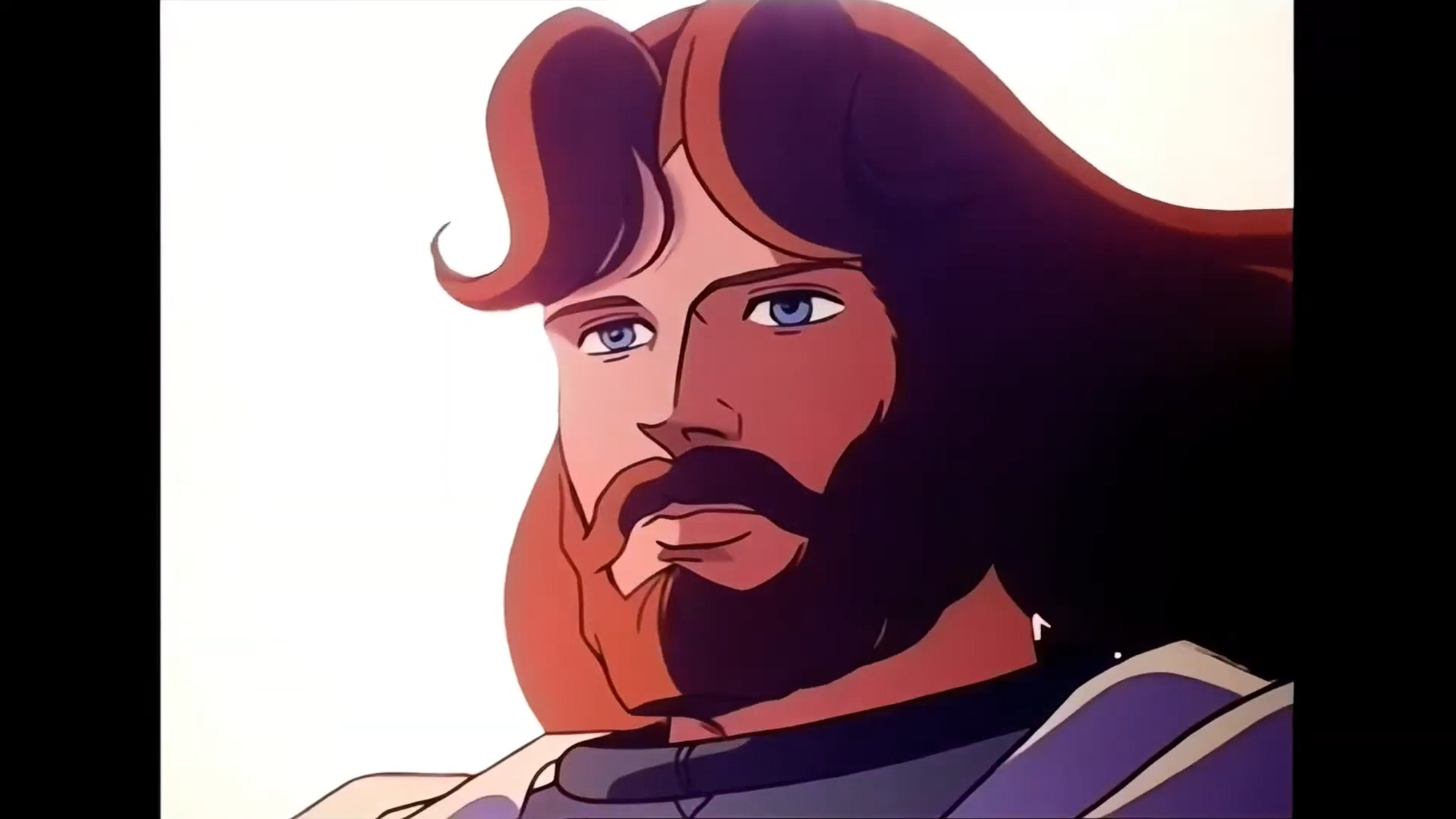
The fate of Ulysses’ shipmates also differs dramatically. Instead of succumbing to death as in Homer’s account, they are placed in a state of suspended animation, their lifeless forms drifting within the ship’s hold – a visually striking and unsettling image that contributed to the show’s sometimes eerie atmosphere.
Several supporting characters also bear mythological names, further connecting the series to its classical roots. Priam, the commander of the Troy starbase, shares his name with the last king of Troy. Nestor, Ulysses’ loyal second-in-command, echoes the wise elder advisor from Homer’s epic. Shirka, the ship’s computer, is a clear allusion to the sorceress Circe, who famously ensnared Odysseus. In a particularly meta moment, one episode even sees Ulysses travel back in time to meet his ancient namesake, a clever narrative device that underscores the enduring legacy of the hero.
A Darker Undertone Beneath the Cosmic Spectacle
Despite its animated format and target audience, "Ulysses 31" possessed a surprising depth and a genuinely unsettling tone at times. The animation, though characteristic of its era, effectively conveyed moments of horror and suspense. The levitating, slumbering crewmates and the grotesque designs of some of the alien monsters and divine manifestations created a sense of unease.
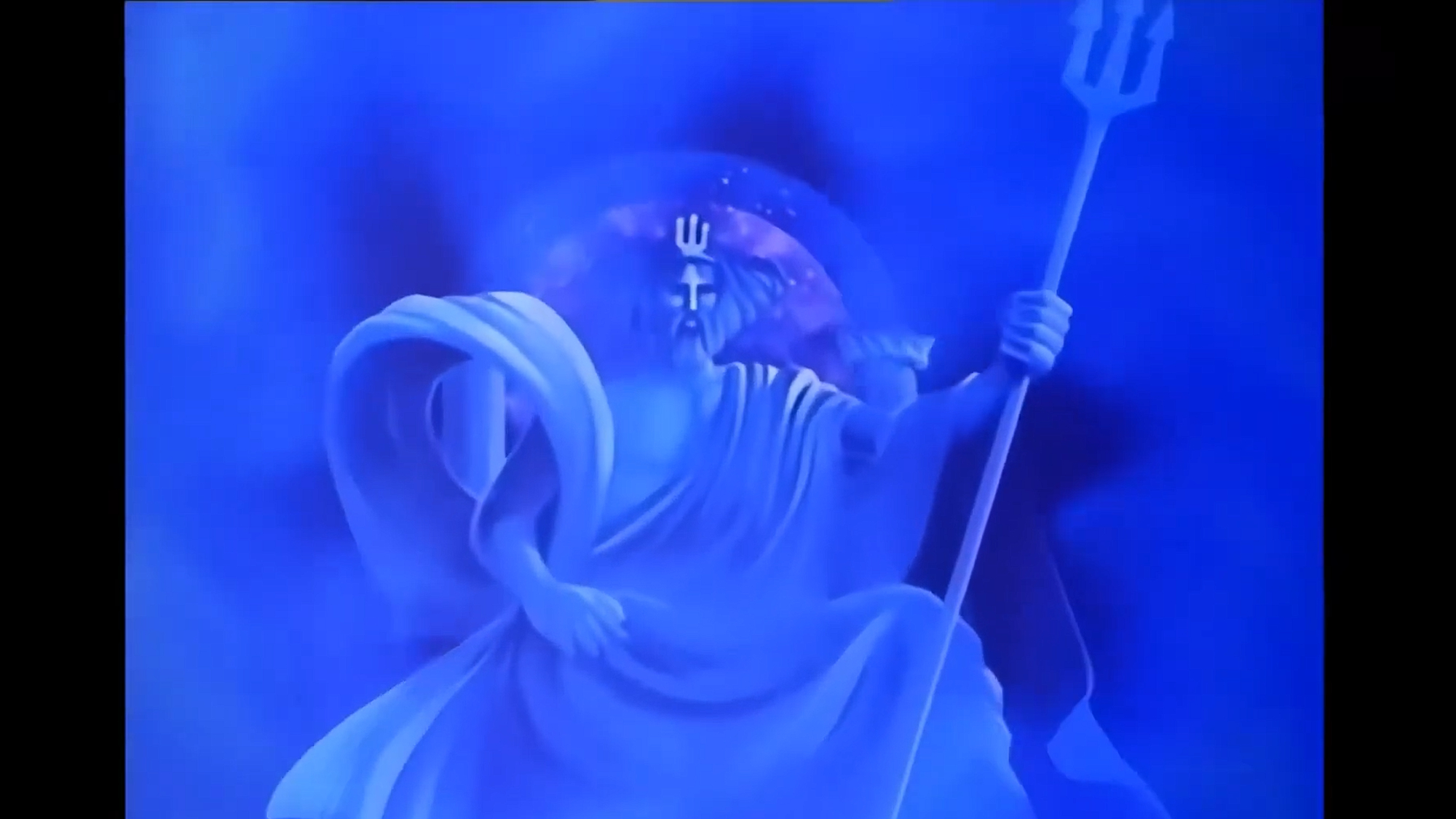
The portrayal of the Greek gods was particularly effective in establishing this darker undertone. They were depicted not as benevolent deities, but as capricious and powerful beings who viewed humanity as mere pawns in their cosmic games. Ulysses’ struggles were often framed as a twisted spectator sport for these omnipotent entities, adding a layer of existential dread to his quest. This nuanced portrayal of divine power, coupled with the understanding that the protagonists were not always guaranteed victory, set "Ulysses 31" apart from many of its contemporaries in the science fiction cartoon landscape of the 1980s, such as "Masters of the Universe" or "He-Man."
Production and Legacy
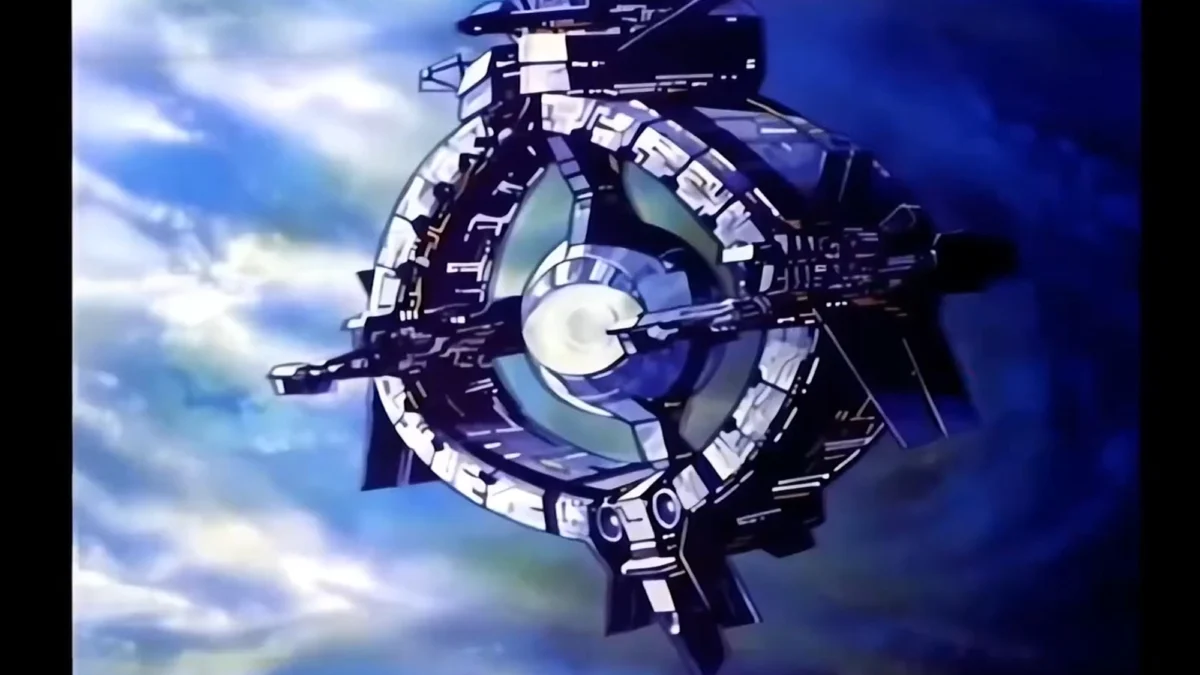
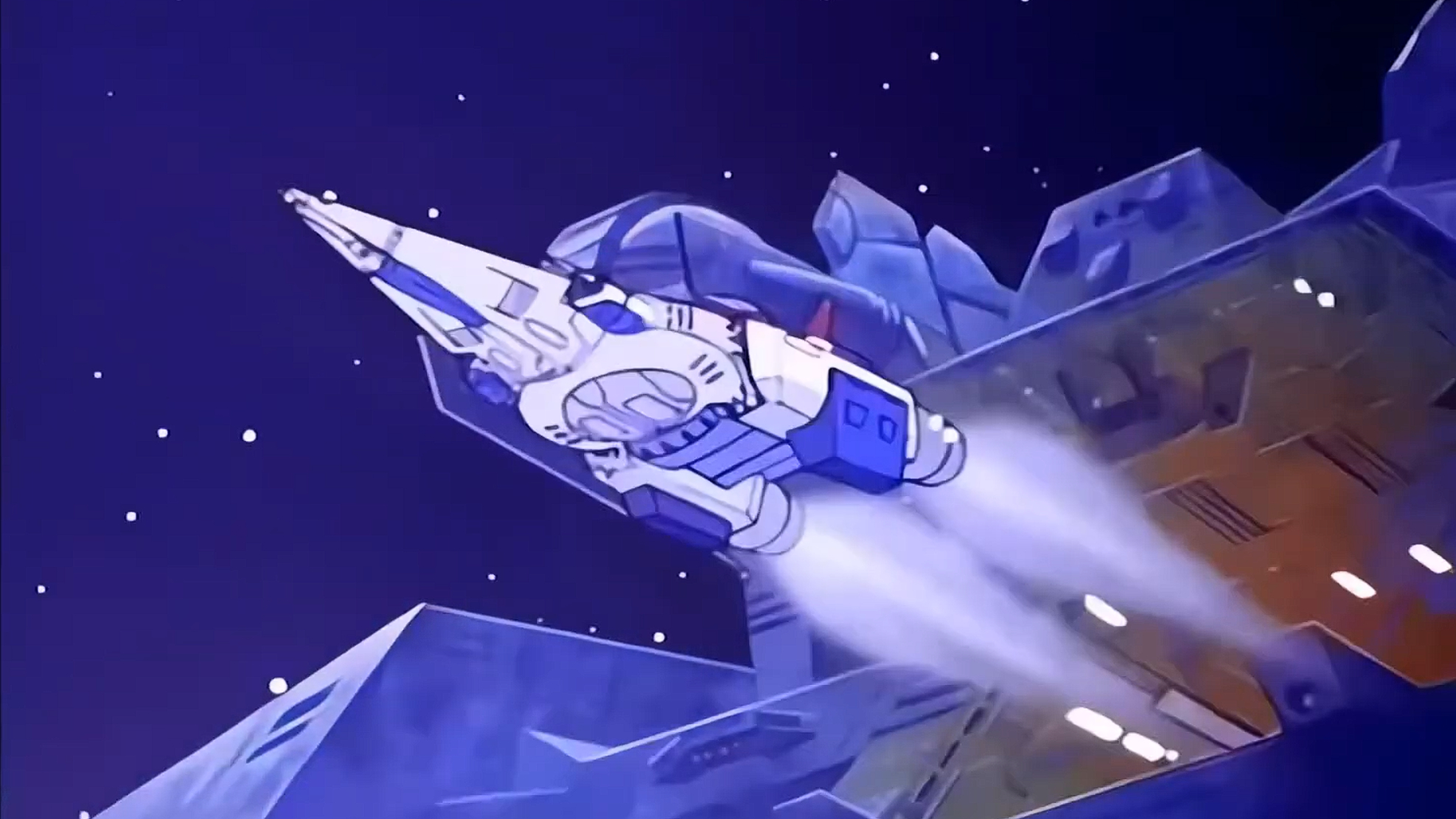
The series’ visual aesthetic drew heavily from the science fiction art of the time, with spaceship designs often evoking classic book covers. Ulysses’ distinctive, eye-shaped vessel, the Odyssey, remains an iconic image. The show also incorporated elements reminiscent of "Star Wars," with Ulysses’ weapon resembling a lightsaber and some of the incidental music echoing John Williams’ iconic score.
However, the most indelible aspect of "Ulysses 31" for many viewers is its unforgettable theme song. Composed by Shuki Levy and Haim Saban (also known for their work on "Inspector Gadget" and "M.A.S.K."), alongside Denny Crockett and Ike Egan, the music elevated the series beyond its visual limitations. The main theme, with its rousing chorus of "Ulysses!", became an earworm of epic proportions, indelibly linking the character and his cosmic journey in the minds of a generation. Even now, the song is instantly recognizable to those who grew up with the show, a testament to its enduring power.
Enduring Appeal and Modern Relevance
While "Ulysses 31" may be considered rudimentary by today’s animation standards, its narrative ambition and the sheer audacity of its premise continue to resonate. The show’s ability to translate the profound themes of "The Odyssey" – the longing for home, the struggle against overwhelming odds, the consequences of hubris – into a vibrant, futuristic setting proved remarkably effective.
The series’ impact can be seen in its continued cultivation of a dedicated fanbase. Though not readily available on major streaming platforms, fan uploads on sites like YouTube ensure that new viewers can discover this unique piece of animation history. The show’s reinterpretation of ancient myths for a modern audience highlights the timeless nature of these stories and their capacity to be reimagined across different media and genres.
In an era where reboots and remakes are commonplace, "Ulysses 31" serves as a fascinating case study in how classic narratives can be adapted and reimagined for new generations. It stands as a testament to the enduring power of Homer’s epic and the creative possibilities that emerge when ancient myths collide with the boundless frontiers of science fiction. The echoes of Ulysses’ journey, amplified by a catchy theme song and a cosmic backdrop, continue to captivate and inspire, proving that the odyssey of the human spirit is truly timeless.