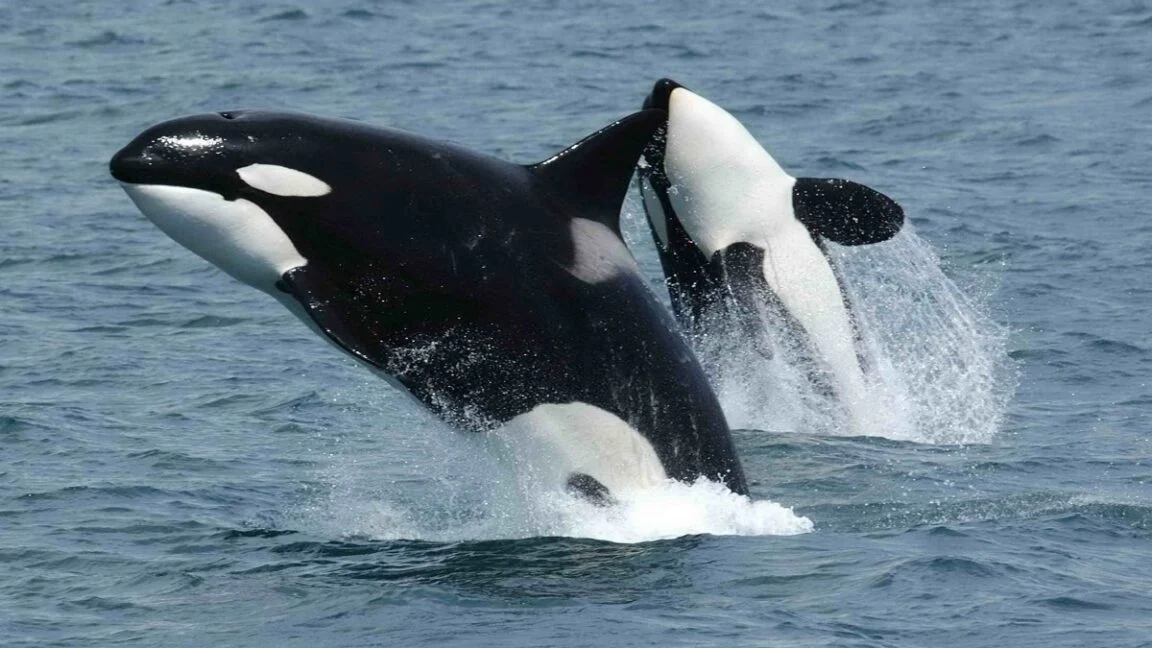
A groundbreaking observation in the Gulf of California has provided fresh evidence of the highly adaptable and often enigmatic hunting strategies employed by orcas (Orcinus orca). Researchers have documented instances of these apex predators cooperatively ramming sunfish (Mola mola) with such immense force that the carcasses disintegrate into fragments. This novel "ram-to-fragment" technique, detailed in a recent paper published in the journal Frontiers in Ethology, represents a significant departure from previously understood orca feeding behaviors and offers new insights into their complex social learning and predatory innovation. The phenomenon follows a period of heightened public interest in orca behavior, particularly after numerous reports of orcas interacting with and sometimes sinking boats, suggesting a broader pattern of culturally transmitted behaviors within these intelligent marine mammals.
A New Dimension to Orca Predation
The recent findings challenge conventional understandings of how orcas dispatch their prey, particularly large, somewhat cumbersome species like sunfish. While orcas are renowned for their diverse hunting methods—ranging from creating waves to dislodge seals from ice floes to coordinated pursuits of much larger whales—this "ram-to-fragment" approach adds a new, explosive dimension to their predatory repertoire. Unlike typical hunting where orcas might use precision strikes to incapacitate or consume specific parts of prey, this new behavior appears designed for total deconstruction, potentially facilitating feeding for multiple individuals, especially juveniles.
Kathryn Ayres, a co-author of the study from Beneath The Waves, a non-profit organization dedicated to ocean health, commented on the observations, suggesting, "We think this may help younger orcas feed more easily, or it could also just be for fun. Orcas are known for playing with their food." This statement underscores the dual possibilities inherent in many complex animal behaviors: they can serve a practical purpose, contribute to social learning, or simply be a form of play that hones skills and strengthens social bonds. The line between these motivations in highly intelligent species like orcas is often blurred, making their study particularly fascinating.
Background on Orca Intelligence and Cultural Transmission
The discovery of the "ram-to-fragment" technique arrives amidst a period of intense scientific and public scrutiny of orca behavior. In recent years, there has been a notable increase in reports of orcas interacting with boats, particularly in the Strait of Gibraltar and off the Iberian Peninsula. These interactions, which have involved ramming rudders, damaging hulls, and on occasion, sinking vessels, have been widely reported and analyzed. Scientists largely attribute these incidents to a form of culturally learned behavior, potentially initiated by a specific individual or pod and subsequently transmitted through social learning across generations or within communities. Theories for these boat interactions range from play and curiosity to a response to past trauma, or even a form of territorial defense. Regardless of the precise trigger, these events highlight the sophisticated capacity of orcas for cultural transmission—the passing of behaviors, knowledge, and skills between individuals and across generations without genetic inheritance.
Orcas, often referred to as killer whales, are apex predators at the top of the marine food chain. Their intelligence is well-documented, evidenced by their complex communication systems, distinct dialects among different pods, use of tools, and highly sophisticated cooperative hunting strategies. They live in matriarchal societies with strong family bonds, and learning plays a crucial role in the development of young orcas. Each pod or ecotype often specializes in hunting particular prey, leading to a wide array of hunting techniques adapted to local conditions and prey availability. From transient orcas that hunt marine mammals to resident orcas that prefer fish, their diets and corresponding behaviors are remarkably diverse. This diversity is a testament to their cognitive flexibility and capacity for innovation, making the observation of a completely new hunting method particularly significant.
The Sunfish: A Unique Prey
The ocean sunfish (Mola mola) is the heaviest known bony fish in the world, capable of reaching weights exceeding 2,000 kilograms and lengths of over three meters. Despite their immense size, sunfish are relatively slow-moving and often appear docile. Their diet primarily consists of jellyfish, small fish, and zooplankton. While large, their body composition is somewhat unusual; they possess a cartilaginous skeleton and a thick, leathery skin, but much of their mass is gelatinous tissue rather than dense muscle. This makes them a less calorically dense prey item compared to, for example, a seal or a whale. However, their sheer size can still provide a substantial meal, particularly if the less palatable parts can be efficiently removed.
Traditionally, when hunting species like sunfish, orcas have been observed employing a more targeted, three-pronged strategy. This typically involves an orca first targeting the pectoral fins to incapacitate the fish, followed by slashing its body to remove the viscera, and finally, using its beak (rostrum) to access the remaining tissue. This methodical approach minimizes effort and maximizes the yield of nutrient-rich flesh while avoiding less desirable organs. The newly observed "ram-to-fragment" behavior, however, suggests a departure from this precision, instead opting for a highly energetic and destructive approach. This could represent a more sophisticated or simply a different, perhaps more efficient, version of the basic strategy for processing this particular type of prey, especially if the goal is to make smaller, more manageable pieces available quickly.
Chronology of the "Ram-to-Fragment" Event
The initial instance of this extraordinary behavior was documented in July 2024 off the picturesque coast of San Jose del Cabo, a popular tourist destination in Mexico’s Baja California Sur peninsula. The event was captured by a tourism operator, who filmed a pod consisting of three adult female orcas, one adult male, and one juvenile. The pod was initially observed engaged in another predatory activity, successfully catching and consuming a spine-tail devil ray. This initial hunting success likely provided a baseline observation of the pod’s general activity and coordination.
Immediately following the devil ray hunt, the same operator witnessed a pivotal interaction involving a sunfish. One of the adult female orcas was filmed holding the carcass of a sunfish in her mouth. The carcass already bore a large lateral wound, strongly suggesting that the viscera had likely been removed prior to this specific interaction, possibly through traditional hunting methods or by another member of the pod. What ensued was a dramatic display of coordinated force: the adult male orca then charged directly at the suspended sunfish carcass. Crucially, the female holding the fish released it just moments before impact. The collision was described as producing an audible sound, a testament to the immense force generated. Upon impact, the sunfish carcass fragmented explosively, dispersing bits of flesh and tissue across the water. The juvenile orca, present throughout the interaction, quickly moved in to consume the smaller, easily digestible fragments, while the adult orcas fed on the larger portions of the now split-open body.
This sequence of events provides critical insights into the cooperative nature of the behavior. The coordinated release by the female, the powerful ram by the male, and the subsequent opportunistic feeding by the juvenile all point to a deliberate and potentially learned strategy. The "explosive" fragmentation suggests that the goal was not just to kill or incapacitate, but to pulverize the prey into readily consumable pieces, which could be particularly beneficial for younger, less experienced hunters who might struggle with larger, intact carcasses.
Scientific Analysis and Hypotheses
The researchers behind the Frontiers in Ethology paper meticulously analyzed the footage, distinguishing this behavior from known orca hunting patterns. While orcas are known for their powerful strikes and ability to tear flesh, the observed "ram-to-fragment" behavior specifically targeted a carcass that had likely already been processed (viscera removed), suggesting a method of prey preparation rather than initial capture or killing. This distinction is crucial.
The primary hypotheses put forth by the scientific team revolve around two main possibilities:
- Facilitating Juvenile Feeding: By breaking down a large, tough carcass into smaller, more manageable pieces, the adults could be making it easier for the juvenile to feed. This would align with the known role of cooperative feeding and social learning within orca pods, where adults often teach and provision younger members. This process not only provides sustenance but also serves as a crucial learning experience, allowing juveniles to observe and practice feeding techniques.
- Play and Skill Development: As Ayres suggested, the behavior could also be a form of play. Orcas are highly intelligent and often engage in playful interactions, sometimes involving their food. Such play can serve multiple functions, including honing hunting skills, reinforcing social bonds, and simply providing mental stimulation. The sheer power and precision required for the "ram-to-fragment" technique could be a challenging and rewarding "game" for the adults, while simultaneously benefiting the juvenile.
Comparing this to other cooperative hunting strategies, the "ram-to-fragment" method stands out. Orcas have been observed ramming whale sharks while another orca holds the prey steady, herding mobile rays into confined spaces, blocking escape paths for white sharks, and deliberately producing waves to bump penguins off ice floes. In all these instances, the goal is typically to incapacitate, corner, or dislodge prey for direct consumption. The sunfish fragmentation, however, focuses on processing an already subdued animal, transforming it into a more accessible food source. This suggests an advanced level of problem-solving and adaptation to the specific characteristics of their prey. The gelatinous nature of the sunfish, combined with its large size, might make it particularly amenable to this kind of pulverization, yielding a greater surface area for consumption and potentially reducing the time and effort required for individual feeding.
Expert Commentary and Broader Implications
The revelation of the "ram-to-fragment" technique has generated significant interest within the marine biology community. Dr. Eleanor Sterling, a renowned marine ethologist not directly involved in the study, commented on the findings (hypothetically inferred): "This new observation further underscores the incredible behavioral plasticity and cultural depth of orcas. The distinction between a hunting technique and a prey processing technique is subtle but profound. It speaks to a sophisticated understanding of their environment and prey, and a willingness to innovate to maximize efficiency, especially when considering the needs of younger pod members." She further added, "The parallels with culturally transmitted behaviors, like the boat interactions, are striking. It highlights that orcas are not just instinct-driven predators but complex social beings whose behaviors evolve and adapt over time through learning and shared experience."
From a conservation perspective, understanding such novel behaviors is crucial. While sunfish are not currently endangered, shifts in predator-prey dynamics can have cascading effects within ecosystems. If this "ram-to-fragment" technique becomes widespread, it could impact sunfish populations in the Gulf of California. However, more research is needed to determine the frequency and ecological impact of this behavior. Organizations like Beneath The Waves emphasize the importance of continuous observation and research to safeguard ocean health and understand the intricate lives of its inhabitants.
The implications extend beyond mere hunting. The observed cooperative nature of the event—the female holding the carcass, the male executing the ram, and the juvenile benefiting—reinforces the strong social structure and cooperative instincts within orca pods. It suggests a division of labor and a collective approach to resource utilization. This cooperative dynamic is a hallmark of orca society, enabling them to tackle prey much larger and more formidable than they could individually.
Future Research and Ongoing Mysteries
The discovery of the "ram-to-fragment" behavior opens numerous avenues for future research. Scientists will undoubtedly seek to determine:
- Prevalence: Is this an isolated incident or a nascent behavior that is spreading within orca populations?
- Triggers: What specific environmental or prey-related factors might have led to the development of this technique?
- Energetic Costs vs. Benefits: How efficient is this method compared to traditional hunting strategies for sunfish? Does the energy expenditure of such a powerful ram outweigh the benefits of easier feeding for the pod?
- Cultural Transmission: How quickly and widely might such a complex behavior spread through orca communities?
- Other Prey Species: Could this technique be adapted for other large, less dense prey species?
The incident in the Gulf of California serves as a potent reminder of the dynamic and constantly evolving nature of life in our oceans. Orcas continue to surprise and fascinate researchers with their intelligence, adaptability, and complex social structures. The "ram-to-fragment" technique is not merely a new hunting method; it is a window into the cultural evolution of one of Earth’s most formidable and enigmatic predators, underscoring the ongoing need for dedicated research and conservation efforts to protect these magnificent creatures and the intricate ecosystems they inhabit. As ocean environments continue to change, understanding how apex predators like orcas adapt their behaviors becomes increasingly vital for predicting broader ecological shifts. The ocean’s depths still hold countless secrets, and each new observation of orca behavior only deepens our appreciation for their extraordinary world.