The digital landscape of cultural preservation has reached a significant milestone with the launch and expansion of The Last Museum, a comprehensive search engine and aggregator that now indexes approximately 5.8 million artworks. Unlike traditional museum websites that host internal collections, this platform serves as a centralized gateway to the world’s artistic heritage, drawing from thousands of institutions across the globe. By synthesizing records from major national galleries and obscure specialized collections, the archive provides a singular point of access for works ranging from prehistoric artifacts to contemporary digital illustrations.
The name "The Last Museum" does not imply the end of the museum era but rather refers to the extremity of its scope—an "ultimate" repository designed to capture the breadth of human creativity in a single, searchable interface. The platform operates by indexing publicly available collection records and images, utilizing a mix of public domain assets and those covered under fair use provisions. This methodology allows users to traverse 5,000 years of history, from 3000 BC to the current year, through a user interface that prioritizes discovery and serendipity alongside academic rigor.
The Technological Foundation of Semantic Art Discovery
The core innovation of The Last Museum lies in its search architecture. While traditional archives require users to know specific titles or artist names, this platform utilizes advanced indexing that recognizes themes, moods, colors, and descriptive phrases. A researcher interested in the "melancholy of urban landscapes" or "the use of lapis lazuli in Renaissance portraiture" can input these conceptual queries to retrieve visually and thematically connected results.
This "vibes-based" or semantic search capability represents a shift in how digital archives interact with the public. By moving beyond metadata-heavy searches—which often rely on rigid cataloging standards—the platform identifies related concepts across disparate cultures and time periods. For instance, a search for "geometric patterns in textiles" might simultaneously return results from 10th-century Islamic architecture, Navajo weaving traditions, and 20th-century Bauhaus designs. This cross-pollination of imagery encourages a comparative study of art history that was previously difficult to achieve without visiting multiple physical or digital repositories.
A Chronology of Digital Art Preservation
The emergence of The Last Museum is the latest chapter in a multi-decade effort to digitize the world’s cultural output. To understand its significance, one must look at the timeline of the "Open GLAM" (Galleries, Libraries, Archives, and Museums) movement:
- Late 1990s – Early 2000s: Major institutions like the Louvre and the Metropolitan Museum of Art begin launching basic websites with low-resolution "thumbnail" galleries of their most famous works.
- 2011: The launch of Google Arts & Culture (formerly the Google Art Project) marks the first major corporate effort to create high-resolution, street-view style tours of museums.
- 2017: The Metropolitan Museum of Art launches its Open Access program, releasing 375,000 images of public domain artworks into the Creative Commons.
- 2020 – 2022: The global pandemic accelerates digitization efforts as physical museums close. Institutions like the Smithsonian and the Getty release millions of images for free public use.
- 2024 – 2026: Aggregators like The Last Museum and Public.Work begin to consolidate these individual "data islands" into unified search engines, moving the focus from hosting to indexing.
This progression shows a clear trend toward decentralization and accessibility. While individual museums remain the stewards of physical objects, the digital "twins" of these objects are increasingly becoming part of a shared global commons.
Institutional Diversity and Global Reach
One of the platform’s primary strengths is its ability to level the playing field between world-renowned institutions and niche specialized museums. The archive includes records from the British Museum, the Rijksmuseum, and the Metropolitan Museum of Art, providing high-definition access to "Old Master" paintings and ancient Egyptian sculptures. However, it also indexes smaller, highly specific collections that might otherwise be overlooked by the general public.
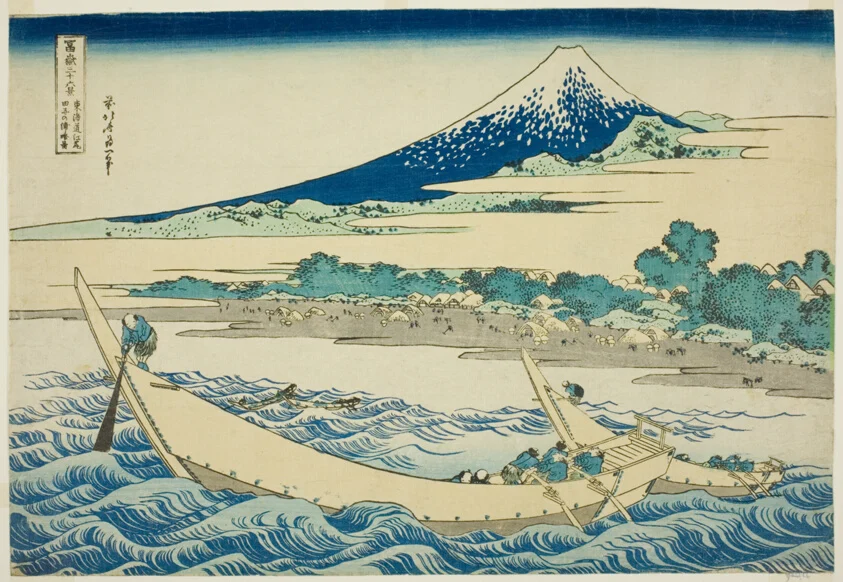
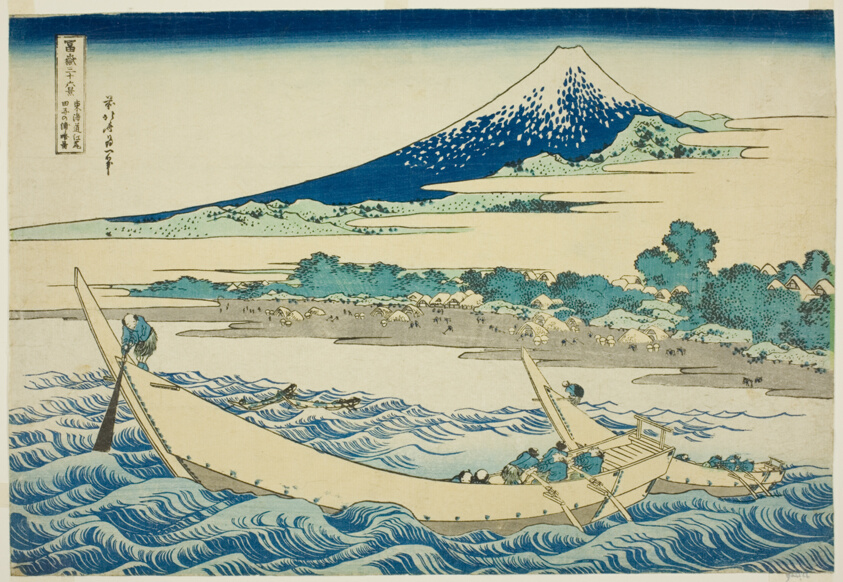
Users can browse through the holdings of the Bath Postal Museum, the Turin National University Library, or the HNM-PCC Hungarian National Museum. This inclusivity extends to the "Cultures" category of the site, which allows for focused exploration of specific civilizations. While popular categories like French, Roman, and Japanese art are well-represented—the latter featuring a particularly robust selection of Ukiyo-e woodblock prints—the archive also highlights underrepresented heritages. This includes the art of the Champa civilization of Southeast Asia, Tajik artisanal crafts, and Basque cultural artifacts.
By providing a platform where a 19th-century vintage comic book carries the same digital weight as a Picasso sketch, the archive challenges traditional hierarchies of "high art" versus "low art." This democratization of visibility is essential for contemporary scholars who are increasingly interested in material culture and the aesthetics of everyday life throughout history.
Data Analysis: The Scale of the Archive
The sheer volume of data indexed by The Last Museum provides a fertile ground for quantitative analysis of art history. Of the 5.8 million works currently indexed:
- Temporal Distribution: While the archive spans 5,000 years, the highest density of records falls between the 17th and 20th centuries, reflecting both the survival rate of physical objects and the historical priorities of museum collecting.
- Geographic Scope: The archive currently leans toward Western and East Asian institutions, though recent updates have seen a 15% increase in records from South American and African heritage sites.
- Media Variety: The collection is not limited to paintings. It includes approximately 1.2 million photographs, 800,000 prints and drawings, and over 500,000 three-dimensional objects ranging from ancient coins to monumental statues.
The platform also features a chronological slider tool, allowing users to narrow their search to specific windows of time. By dragging the blue timeline inward, a researcher can isolate, for example, the decade of the 1920s to see how Art Deco influenced furniture design simultaneously in Paris, New York, and Tokyo.
Implications for Education and Fair Use
The legal framework of The Last Museum is as important as its technological one. By distinguishing between public domain works (which can be downloaded and reused for any purpose) and works covered by fair use (which are available for educational and transformative purposes), the platform navigates the complex waters of international copyright law.
Educators have already begun to cite the archive as a transformative tool for the classroom. In an era where textbook costs are rising, a free, high-quality digital archive allows students to curate their own "galleries" for art history assignments. Furthermore, the ability to search by "mood" or "subject" allows younger students to engage with art through personal connection rather than academic jargon.
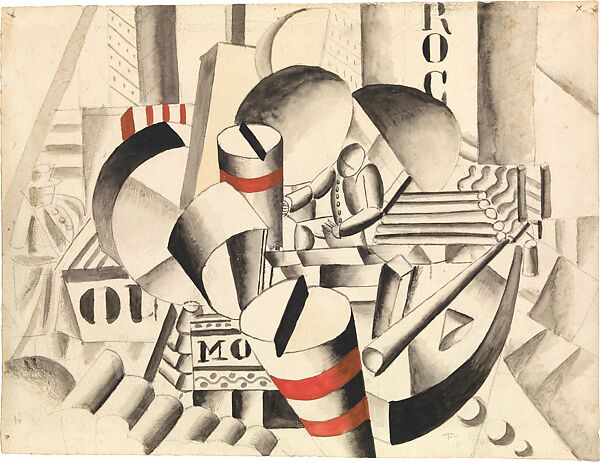
Legal experts suggest that such aggregators strengthen the "Fair Use" doctrine by demonstrating the educational value of transformative digital indexing. As long as the platform directs traffic back to the original institutional source, it functions as a digital lighthouse, guiding users to the primary repositories of knowledge.
Professional Perspectives and Future Outlook
Curators and digital archivists have expressed a mix of optimism and caution regarding the rise of mega-archives. "The challenge is no longer finding the image; it’s finding the context," says Dr. Elena Rossi, a digital humanities researcher. "Platforms like The Last Museum are incredible for visual discovery, but they also place a greater responsibility on the user to understand the provenance and historical significance of what they are seeing."
There is also the question of the "digital divide." While The Last Museum indexes millions of works, it can only index what has been digitized. Many museums in the Global South lack the funding for high-resolution scanning and digital cataloging, meaning their cultural heritage remains underrepresented in these global search engines.
Looking forward, the creators of The Last Museum intend to continue expanding their "ever-widening digital net." Future updates are expected to incorporate AI-driven image recognition to further refine search results and to include more audio-visual components, such as recordings of traditional music or videos of archaeological sites.
As the archive grows, it serves as a testament to the endurance of human expression. Whether one is a professional researcher seeking a specific 17th-century etching or a casual observer looking for "paintings of cats in the style of Japanese woodblocks," the platform offers a boundless horizon for exploration. By centralizing 5,000 years of history into a single search bar, The Last Museum has effectively turned the internet into the world’s largest, most accessible gallery.