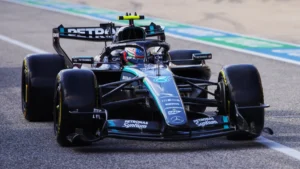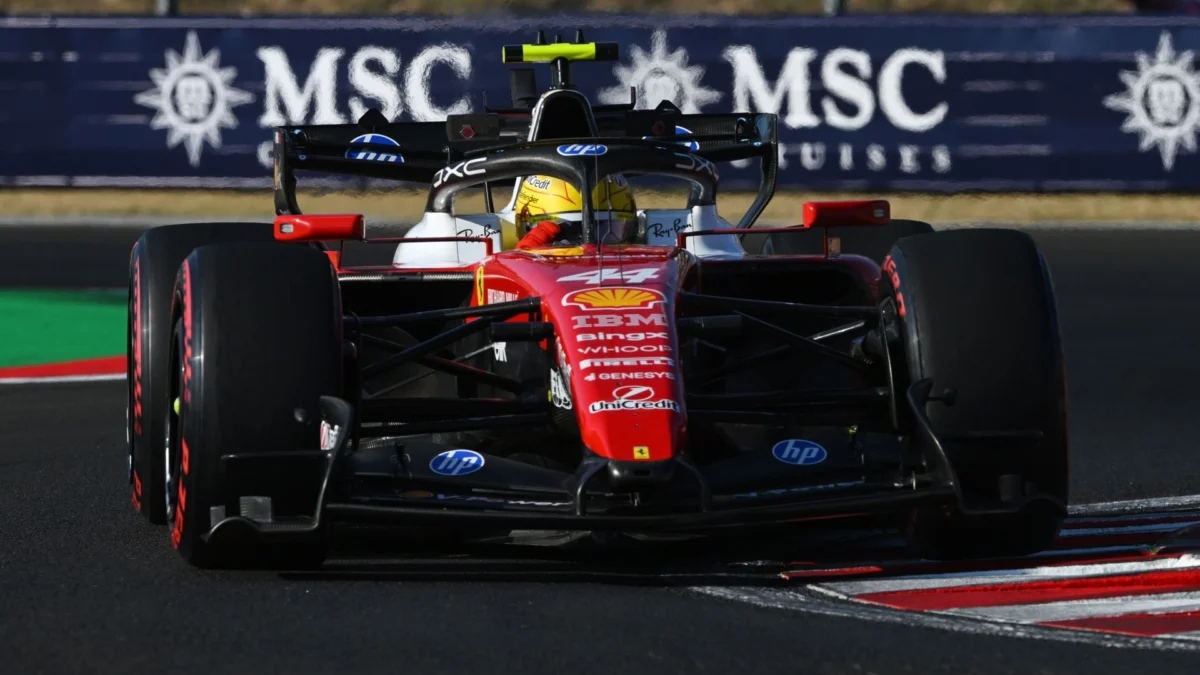
The Hungarian Grand Prix weekend is in full swing at the iconic Hungaroring, with Saturday’s schedule packed with crucial practice sessions and the highly anticipated qualifying showdown that will set the grid for Sunday’s race. Fans across the globe are tuning in to witness the drama unfold, with Sky Sports F1 providing comprehensive live coverage, including all the best video highlights. The racing spectacle commenced on Saturday, July 25, 2026, at 11:38 AM UK time, promising a day of intense competition and strategic battles on one of Formula 1’s most demanding circuits.
Hungaroring: A Tight and Technical Challenge
The Hungaroring, located just outside Budapest, has been a staple on the Formula 1 calendar since 1986. It is renowned for its tight, twisty, and often dusty nature, which makes overtaking a significant challenge. The circuit’s demanding layout, characterized by a succession of medium-to-high-speed corners and a relatively short main straight, tests driver skill, car aerodynamics, and tyre management to their limits. Grip levels can fluctuate significantly throughout the weekend, influenced by track temperature and the rubber laid down by numerous racing categories. This unpredictability often leads to unexpected performances and strategic gambles, making every session vital.
Practice Session Insights: Setting the Pace
Saturday’s proceedings typically begin with the third and final free practice session, offering teams and drivers their last opportunity to fine-tune their car setups before the intensity of qualifying. This session is critical for simulating race conditions, testing different tyre compounds, and practicing race pace. Teams analyze data from Friday’s practice, making adjustments to aerodynamics, suspension, and power unit settings. The driver who consistently tops the timesheets in FP3 often enters qualifying with a psychological advantage, although the true performance picture only emerges when the stakes are highest.
During the 2026 Hungarian Grand Prix weekend, the FP3 session was keenly observed for emerging performance trends. Early indications suggested a strong showing from the dominant constructor of the season, with their drivers demonstrating impressive pace through the technical middle sector of the track. However, rivals were not far behind, with several teams showing promising signs of closing the gap. The performance of midfield teams was also a key talking point, as the tight margins at this level often mean that small improvements can lead to significant gains in grid position. tyre degradation and management were also heavily scrutinized, with teams experimenting with different strategies to find the optimal approach for Sunday’s race.
Qualifying: The Battle for Pole Position
The main event of Saturday is the qualifying session, where drivers battle it out in a knockout format across three segments (Q1, Q2, and Q3) to determine the starting order for the Grand Prix. Q1 sees the slowest five drivers eliminated, Q2 narrows the field further, and Q3 pits the top ten drivers against each other for the coveted pole position.
The Hungaroring’s layout, with its lack of long straights, often means that aerodynamic efficiency and mechanical grip are paramount. Cars that excel in slower, twisty sections tend to perform well here. The pressure is immense, as a single mistake can cost a driver valuable tenths of a second, potentially dropping them several places on the grid. The strategic use of tyre compounds and the timing of runs are also crucial factors in qualifying.
In the 2026 Hungarian Grand Prix qualifying, the battle for pole was anticipated to be fierce. Based on practice session performances, pre-qualifying analysis pointed towards a duel between the leading contenders. The championship leader’s car, known for its exceptional downforce, was expected to be a strong contender. However, a resurgent rival team, which had shown marked improvements in recent races, was also considered a serious threat. The performance of the ‘king of the Hungaroring,’ a driver with a remarkable track record at this circuit, was also closely watched.
Key Moments and Surprises
Qualifying sessions at the Hungaroring have historically delivered their share of surprises. The tight nature of the track can allow drivers to extract exceptional performance from their machinery, leading to unexpected grid positions. Factors such as track evolution, changing weather conditions (though less common in the Hungarian summer), and crucial driver performances can all play a role.
For instance, in past seasons, a team that struggled in practice might find a sudden surge of pace in qualifying, particularly if they manage to find the optimal setup or if a driver delivers a flawless lap. Conversely, a pre-session favorite might encounter traffic, make a small error, or face a technical issue that hinders their performance. The ability of drivers to adapt to changing track conditions and push their cars to the absolute limit under immense pressure is what makes qualifying so compelling.
Post-Qualifying Analysis and Reactions
Following the conclusion of qualifying, the focus shifts to the immediate reactions from drivers and team principals. These insights provide valuable context to the on-track battles and offer a glimpse into the strategic thinking behind the teams’ performances.
- Drivers: Winning pole position is a significant achievement, and drivers typically express elation and gratitude for their team’s efforts. Conversely, those who fall short of expectations often reflect on areas where they could have improved, such as tyre management, cornering lines, or the crucial final sector. Comments about the car’s balance, the grip levels, and the challenge of the circuit are common.
- Team Principals: Team principals often highlight the collective effort involved in achieving a strong grid position. They may discuss the technical developments that contributed to their success, acknowledge the hard work of the engineers and mechanics, and set expectations for the race. They might also comment on the performance of their rivals and the challenges they anticipate for Sunday.
The 2026 Hungarian Grand Prix qualifying was no exception. The pole-sitter, speaking after the session, likely expressed immense satisfaction, perhaps noting the challenging nature of the circuit and the intense competition. "It’s incredibly satisfying to secure pole here," the driver might have commented. "The Hungaroring is a real test of a driver and a car, and the team has done a phenomenal job. We’ve been working hard to optimize our performance, and to see it pay off like this is fantastic. The competition was incredibly close, and every tenth mattered."
A rival driver who secured a front-row start might have expressed cautious optimism: "We’re happy with second, it’s a strong position for the race. We gave it our all, but the pole sitter was just a little bit faster today. We’ve made good progress, and we’ll be looking to challenge them tomorrow. The race pace looked promising in practice, so it should be an exciting fight."
Drivers who narrowly missed out on Q3 or qualified lower down the order might have voiced their frustration and determination to fight through the field. "It’s disappointing not to make Q3," one such driver might have stated. "We struggled a bit with balance in the final sector, and qualifying here is so critical. We’ll need a strong start and a clever strategy to make up ground in the race."
Broader Impact and Implications
The qualifying results at the Hungarian Grand Prix have significant implications for the rest of the weekend and the wider championship battle.
- Championship Standings: A strong performance in qualifying, especially securing pole position or a front-row start, can be a major boost to a driver’s championship aspirations. It allows them to control the early stages of the race and potentially dictate the pace. Conversely, a poor qualifying session can put a driver on the back foot, requiring them to push harder and take more risks to recover positions, which can increase the likelihood of mistakes or incidents.
- Team Performance: The qualifying results provide a clear indicator of a team’s current competitiveness. A team that consistently qualifies at the front is likely to be a championship contender. For teams further down the order, a strong qualifying performance can be a significant morale booster and might signal progress in their development program.
- Race Strategy: The starting grid heavily influences race strategy. Teams will analyze their qualifying positions and those of their rivals to formulate their pit stop strategies, tyre choices, and potential race objectives. A driver starting from pole might aim for a straightforward race, while a driver further back might need to employ an aggressive, alternative strategy to gain track position.
- Driver Morale: For drivers, qualifying performance is a significant morale factor. A strong qualifying result can build confidence and momentum, while a disappointing one can be disheartening. This psychological aspect can play a crucial role in race performance.
The 2026 Hungarian Grand Prix qualifying session, as always, provided a dramatic prelude to the main race. The performances witnessed on Saturday at the Hungaroring set the stage for what promises to be a thrilling Grand Prix on Sunday, with drivers and teams having all worked tirelessly to maximize their potential on this challenging circuit. The live updates and video highlights provided by Sky Sports F1 offered fans an immersive experience, capturing every crucial moment of this intense motorsport spectacle.