Denmark’s energy infrastructure reached a significant milestone last Friday as the nation’s wind power capacity surged to 140% of its total domestic electricity demand. This surplus, recorded during the early morning hours, highlights the nation’s advanced integration of wind resources into its national grid. While Denmark continues to expand its "energy island" initiatives to facilitate both domestic supply and international exports, the United States finds itself at a regulatory crossroads regarding its own vast offshore wind potential. Despite possessing an estimated 35,000 megawatts of offshore wind capacity, the current U.S. administration has implemented policies that have effectively halted the expansion of this sector, prioritizing alternative energy pathways and imposing significant legal and administrative barriers on offshore leaseholders.
The Danish Model: Scaling Toward Energy Independence
The record-breaking output of 140% in Denmark serves as a testament to decades of investment in wind energy technology and grid modernization. Because this peak occurred at 3:00 AM—a time of low consumer demand—the excess electricity was seamlessly diverted into regional interconnectors, providing neighboring countries with carbon-free energy. This is not an isolated success; it is the intended outcome of a strategic national roadmap.
The Danish Energy Agency (DEA) is currently overseeing the development of two massive offshore "energy islands" located in the North and Baltic Seas. These hubs are designed to function as centralized nodes for wind power collection, distribution, and conversion. Beyond providing electricity to approximately 5 million households, these islands are engineered to host large-scale green hydrogen production facilities. By converting surplus electricity into hydrogen, Denmark is solving the challenge of energy storage, allowing wind-generated power to be utilized for industrial processes and heavy transportation that cannot be easily electrified. The North Sea facility is projected to eventually handle up to 10 gigawatts of capacity, cementing Denmark’s position as a primary exporter of renewable energy in the European market.
Chronology of U.S. Offshore Wind Policy Shifts
The trajectory of U.S. offshore wind development has been marked by a significant shift in federal strategy over the past 24 months. Following the declaration of an "energy emergency" upon his inauguration, President Donald Trump initiated a series of executive actions aimed at curbing the growth of the offshore wind sector.
In early 2025, the administration directed the Department of the Interior to suspend the issuance of new offshore wind leases. While several legal challenges were mounted by industry stakeholders and environmental groups, a federal court ruling ultimately affirmed the President’s authority to pause these leasing processes. Following this, the administration moved to invalidate or buy out existing lease agreements, a move that surprised many market analysts. This policy pivot stands in stark contrast to the previous federal stance, which had prioritized the rapid development of the Atlantic and Pacific coasts as key drivers for the nation’s transition toward sustainable energy.
Economic and Geographical Potential of the U.S. Coastline
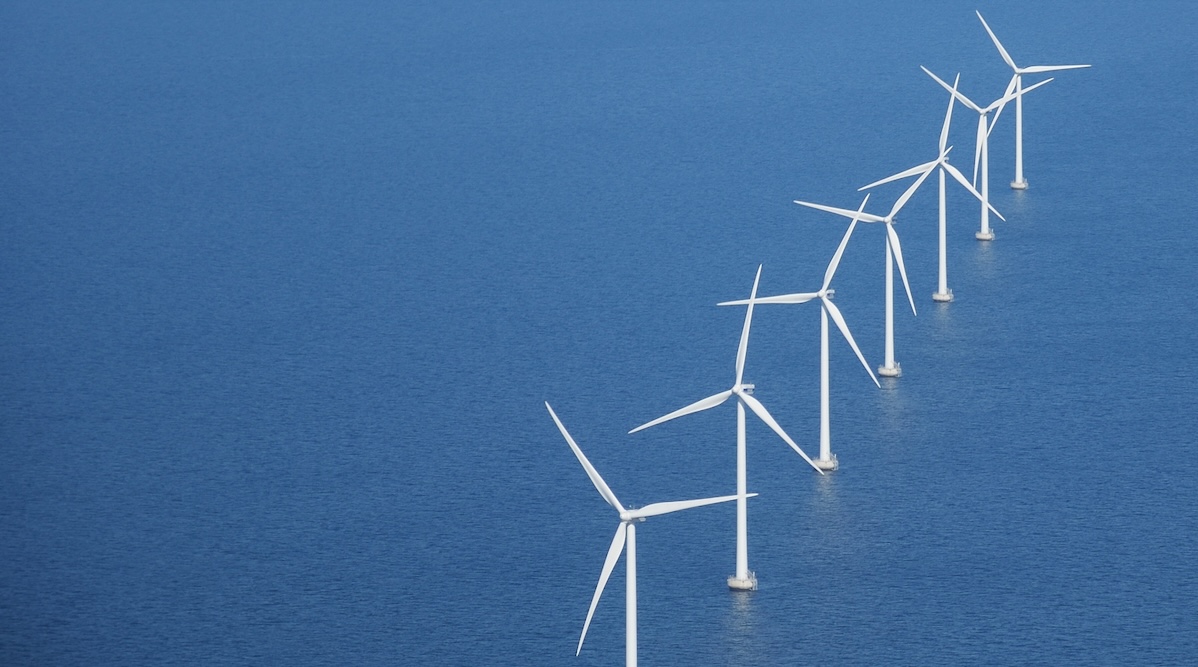
The United States holds a unique geographical advantage in offshore wind, with the Atlantic and Pacific coasts offering distinct technical opportunities. The Atlantic shelf, characterized by shallower waters, has long been viewed as an ideal environment for traditional monopile turbine foundations. Conversely, the deeper waters of the Pacific coast have necessitated the development of floating offshore wind platforms.
Recent advancements in floating technology, pioneered by U.S. research institutions and private firms, have demonstrated the viability of tethering turbines to the seabed via high-strength, flexible cables. These technologies, already being exported to international markets such as Japan and Norway, represent a significant intellectual property asset for the U.S. manufacturing sector. Furthermore, the Gulf of Mexico has emerged as a potential site for renewable energy conversion, with industry consortia exploring the feasibility of repurposing decommissioned oil and gas infrastructure to support wind and hydrogen production.
The economic implications of these abandoned projects are notable. Proponents of offshore wind argue that the current moratorium prevents the creation of a robust domestic supply chain, which would include turbine manufacturing, specialized vessel construction, and long-term maintenance employment. By stalling these projects, the U.S. risks ceding its early-mover advantage in the global floating wind market to European and Asian competitors.
The Administration’s Stance: Reliability and Energy Dominance
The current administration’s energy policy, branded as "American Energy Dominance," prioritizes a specific definition of reliability that favors baseload power sources—namely, nuclear energy, hydropower, and traditional fossil fuels. Under this framework, wind and solar power are often marginalized due to their variable nature.
Interior Secretary Doug Burgum has frequently cited the need for 24/7 reliability, asserting that intermittent sources like solar and wind cannot meet the standards required for the national grid without significant, potentially cost-prohibitive, storage solutions. This narrative, however, faces pushback from the Department of Energy, which continues to fund advancements in battery storage, including lithium-ion, sodium-ion, and long-duration flow batteries. These technologies are increasingly capable of balancing the variability of wind and solar, effectively debunking the argument that renewable energy cannot be reliable.
Interestingly, the administration has shown a surprising willingness to support marine energy, including wave, tidal, and current energy. The Department of Energy recently signaled support for marine energy projects, such as the PacWave South test bed off the coast of Oregon. While these technologies are still in their infancy compared to the mature wind industry, the administration’s support for them suggests that the primary issue may not be an aversion to all renewable energy, but rather a specific targeting of the wind industry.

Broader Implications and Future Outlook
The decision to obstruct offshore wind development has created a ripple effect across the U.S. energy market. States that previously relied on federal cooperation to develop their maritime energy resources are now navigating a complex landscape of litigation and state-level policy shifts. The economic cost of this delay is twofold: the immediate loss of investment capital and the long-term cost of potentially higher energy prices as the nation fails to tap into its most abundant and accessible renewable resources.
The "grudge" theory, often discussed in political circles, suggests that personal disputes may be influencing federal energy policy. Observers point to the President’s well-documented opposition to offshore wind projects in Scotland, which he famously fought in the early 2000s, as a possible driver for his current domestic agenda. Regardless of the motivation, the administrative focus on halting projects that were already in the development pipeline has created a climate of uncertainty for investors and utility providers.
As the U.S. energy landscape evolves, the contrast between the European approach—which treats wind as a vital export commodity—and the current U.S. approach—which views it as a policy target—is becoming increasingly stark. The long-term success of the "American Energy Dominance" policy will depend on whether the transition to nuclear and marine energy can outpace the economic and environmental benefits that wind energy has already proven it can provide.
Ultimately, the technical viability of offshore wind remains unchanged. With the potential to generate 35,000 megawatts of power, the U.S. offshore wind sector remains a "gold mine" waiting for a shift in federal priority. Whether the nation will pivot back to this resource, or whether it will rely on the slower, more experimental development of wave and tidal energy, remains the defining question of the current energy era. For now, the global wind industry continues to accelerate, with nations like Denmark setting the pace for a future powered by the persistent energy of the sea.