The North American summer box office has officially shattered historical revenue records, generating an estimated $4.765 billion between May 1 and Labor Day. Propelled by blockbuster hits, high-concept epics, and a resurgence in premium-format screenings, cinemas across the United States and Canada managed to edge past the previous all-time benchmark set in 2013 by a slim $9.3 million margin. However, a deeper look beneath the financial windfall reveals a starkly different narrative concerning actual audience turnout. While the nominal revenue figures suggest a golden era for theatrical distribution, the industry is operating on a fundamentally transformed economic model—one where higher ticket prices and soaring concession spending mask a considerable deficit in total ticket sales compared to pre-pandemic baselines.
The Chronology of a Discrepancy: From Pre-Pandemic Baselines to the 2026 Resurgence
To understand the current state of the theatrical market, industry analysts look back at the defining markers of the past decade. The year 2013 long held the unadjusted box-office revenue record, a milestone that stood until this past summer’s slate pushed past it. Yet, the gold standard for modern comparison remains 2019, the final full year of traditional theatrical operations before the COVID-19 pandemic upended global entertainment consumption.
In 2020, theatrical attendance collapsed to near-zero as lockdowns shuttered cinemas worldwide, forcing studios to experiment with day-and-home streaming releases and compressed theatrical windows. The recovery has been protracted, marked by shifting consumer habits and a reduced volume of wide theatrical releases.
When analyzing the 2026 summer season through the lens of inflation, the numbers tell a sobering story. Adjusted for inflation, this summer’s box office remains approximately 17% below the levels achieved in 2019. Furthermore, data from S&P Global Market Intelligence reveals that North American cinemas sold nearly 249 million fewer tickets through mid-August compared to the same period seven years prior. Total admissions through mid-August sat at 547.1 million tickets, a steep drop from the 795.9 million tickets sold during the corresponding months of 2019. Additionally, market researchers noted that the 2026 summer movie season spanned 130 days—giving it a crucial one-week calendar advantage over the 2013 record-setting season.
The Premium Plot Twist: Making More From Fewer Patrons
Faced with structural shifts in consumer behavior and competition from ubiquitous at-home streaming platforms, major exhibition chains have successfully pivoted toward a high-margin, low-volume business model. Rather than relying solely on high-volume admissions, theater operators are extracting significantly more revenue per individual patron through strategic pricing and upgraded cinematic experiences.
Exhibition giants like Cinemark and AMC Entertainment have reported record-breaking financial metrics that underscore this shift. During the second quarter, Cinemark noted that premium large-format (PLF) screenings accounted for nearly 15% of its worldwide box office revenue despite representing a mere 6% of its total auditorium footprint. At the same time, sales for motion-seat experiences like D-BOX surged more than 50% year-over-year to reach an all-time quarterly high.
Cinemark’s average domestic ticket price climbed 4.2% to $10.83 during the quarter, a bump the company explicitly attributed to strategic pricing initiatives and an increasing mix of premium formats. Concession sales followed a similar upward trajectory; concession revenue per patron rose 4.3% to $8.70. Combined, the average moviegoer spent roughly $19.53 per visit on tickets and snacks alone.
AMC similarly reported robust financial health, finishing the previous fiscal year with all-time per-patron records across admissions, food, and beverage segments. AMC’s overall attendance climbed 17.9% during the second quarter, helping drive total quarterly revenue to a company record of $1.6 billion.
Industry analysis from Texas Capital Securities suggests this trend is more than a temporary anomaly. Equity analyst Eric Wold notes that while theaters continue to battle a lower volume of studio releases, the customers who do purchase tickets are increasingly opting for upscale formats and luxury amenities. Combined with disciplined operational cost controls, this behavior allows theater operators to generate greater profitability from a lower baseline of total ticket sales. Wold projects that domestic box office earnings will maintain this momentum, potentially pushing total yearly revenue past the $10 billion threshold in 2026 for the first time since the pandemic.
Cinematic Fast Food Versus Cinematic Fine Dining
The content driving this financial recovery has been marked by a distinct dichotomy in audience taste. Rather than a homogenous slate of mid-budget releases, studios found immense success by offering starkly contrasting cinematic experiences.
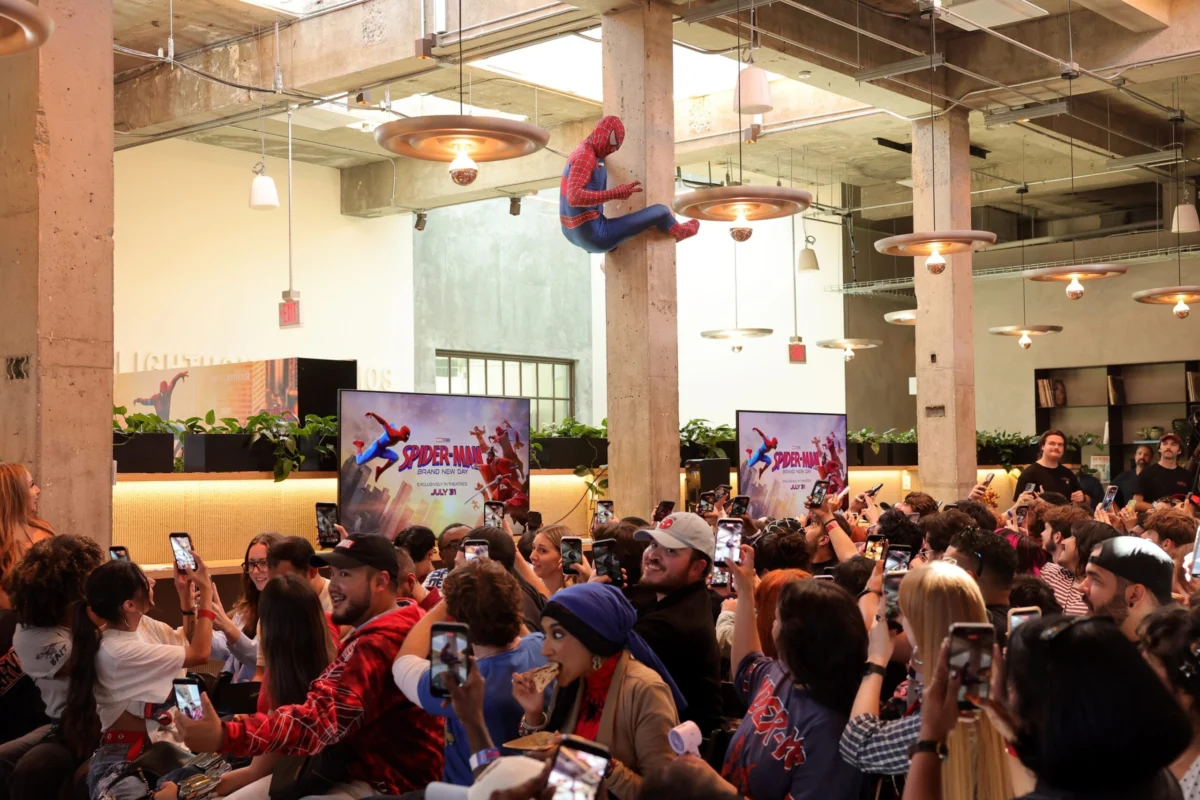
Industry observers have highlighted the dual triumphs of highbrow prestige epics and broad commercial blockbusters. Notably, Christopher Nolan’s high-concept period piece The Odyssey and the global blockbuster Spider-Man each crossed the coveted $1 billion threshold worldwide, collectively accounting for roughly one-third of the entire summer box office. This varied appetite demonstrates that modern audiences are seeking a carefully calibrated mix of what analysts describe as "cinematic fast food and cinematic fine dining."
This shift in programming coincides with broader demographic changes in consumer spending. Paul Dergarabedian, senior media analyst at Rentrak, points out that the recovery is heavily bolstered by younger demographics, particularly Generation Z. Rejecting traditional rowdy nightlife or bar culture in favor of wholesome weekend entertainment, Gen Z moviegoers are treating the cinema as a premier social destination.
Importantly, theaters have retained accessibility for price-conscious consumers through weekday discounts and matinee pricing, ensuring that premium formats remain an optional upgrade rather than an exclusionary barrier.
Looking Ahead: The Final Test of 2026
Despite the celebratory tone surrounding the summer season’s record-shattering revenue, studio executives and financial analysts caution that the momentum must be sustained through the remainder of the year and into 2027.
The ultimate test of Hollywood’s premium-pricing and event-driven strategy arrives on December 18, when two colossal titles—Avengers: Doomsday and Dune: Part Three—land simultaneously in theaters. The studios are leaning heavily into specialized presentation formats to capture consumer demand. Dune: Part Three, shot natively with IMAX film cameras, has already driven immense advance sales for select 70 mm engagements. Concurrently, The Walt Disney Company is utilizing the release of Avengers: Doomsday to showcase Infinity Vision, its newly developed certification standard featuring ultra-large screens, advanced laser projection, and immersive acoustic systems.
Industry insiders predict that the mid-December weekend could shatter historical box-office records, anchoring a generational shift in moviegoing habits reminiscent of the 1970s blockbusters that created lifelong cinema fans. Yet, as analysts like Dergarabedian note, setting such high benchmarks in 2026 will undoubtedly leave subsequent years with a formidable opening act to follow as Hollywood navigates its newly minted economic reality.