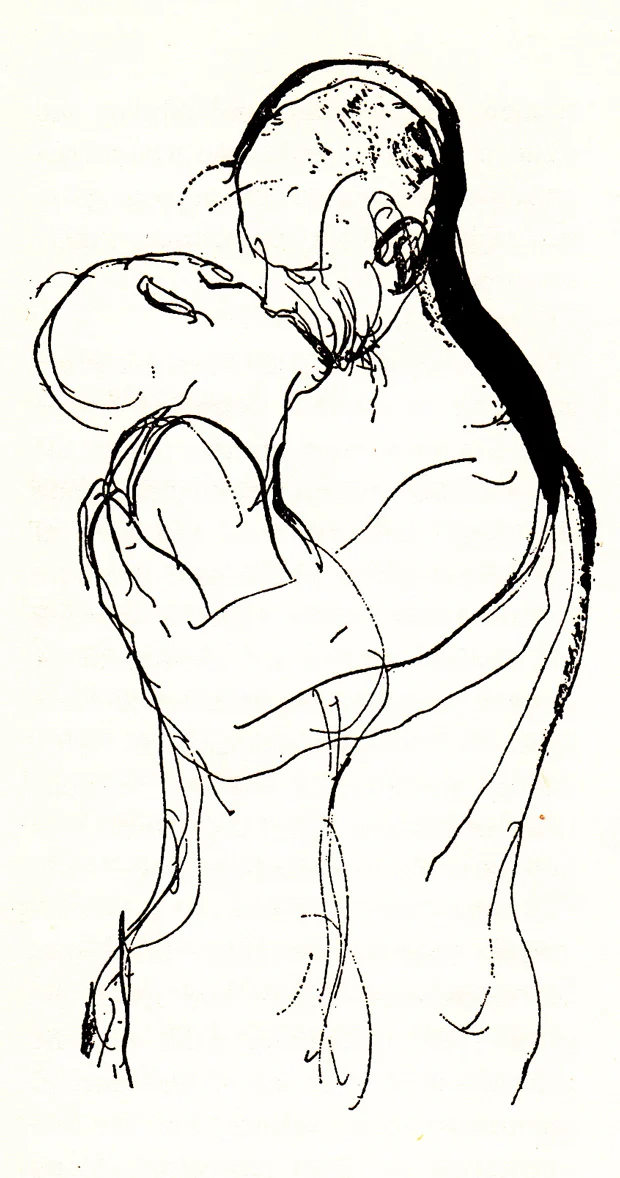
The intersection of vulnerability and human connection has long served as a focal point for philosophical inquiry, perhaps nowhere more poignantly than in the 1923 literary masterpiece, The Prophet, by Lebanese-American poet, philosopher, and visual artist Kahlil Gibran. As global interest in Gibran’s work persists—nearly a century after his death—scholars and readers alike continue to analyze his exploration of love not as a static state of peace, but as a dynamic, often tumultuous process of self-actualization. This examination of his work provides a framework for understanding the psychological resilience required to sustain meaningful relationships in an era increasingly characterized by emotional detachment and the avoidance of intimacy’s inherent risks.
Historical Context and the Genesis of The Prophet
Kahlil Gibran, born in 1883 in Bsharri, Mount Lebanon, emigrated to the United States as a child, eventually settling in Boston and later New York City. His life was defined by the synthesis of Eastern mysticism and Western intellectual tradition. The Prophet, published by Alfred A. Knopf in 1923, represents the culmination of Gibran’s creative evolution. The book consists of 26 prose poetry essays written in English, structured as a series of philosophical responses provided by a fictional prophet named Almustafa.
At the time of its publication, the world was reeling from the aftermath of the First World War and the Spanish Flu pandemic. Societal structures were shifting, and traditional concepts of marriage and companionship were being challenged by rapid industrialization and urbanization. Gibran’s work emerged as a counter-narrative to the hardening of the human spirit. By 1931, the year of Gibran’s death, The Prophet had achieved significant critical acclaim, though its true cultural ubiquity would solidify in the 1960s, as it became a cornerstone of the counterculture movement, appealing to a generation seeking spiritual alternatives to institutionalized norms.
The Philosophical Anatomy of Love
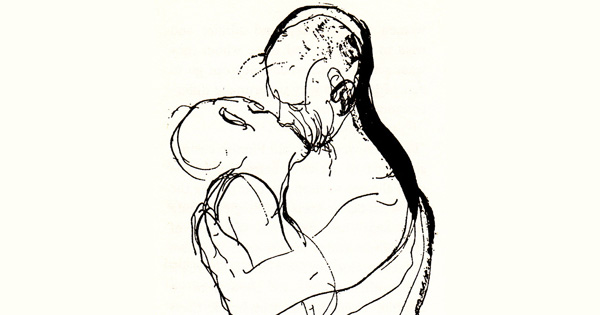
Central to the text is the contention that love is a transformative, if often painful, force. Gibran argues that the individual must be willing to endure the "threshing" of their ego to achieve a deeper state of being. This perspective aligns with modern psychological observations regarding the necessity of vulnerability in intimate bonding.
Contemporary studies in social psychology suggest that the "fear of intimacy"—the avoidance of the deep emotional exposure Gibran describes—often correlates with lower levels of relationship satisfaction. By characterizing love as an experience that includes "pruning" and "wounding," Gibran provides a metaphorical bridge between the idealistic view of romance and the grounded reality of long-term human connection. His assertion that "love possesses not nor would it be possessed" echoes the later work of philosophers such as Martha Nussbaum, who emphasizes the structural instability of the heart as a fundamental feature of the human condition.
Chronology of Influence
- 1883: Kahlil Gibran is born in the Ottoman Empire, modern-day Lebanon.
- 1908–1910: Gibran studies art in Paris under Auguste Rodin, who famously refers to him as "the William Blake of the twentieth century."
- 1923: The Prophet is published in New York; it is initially met with modest sales but steady growth.
- 1931: Gibran passes away; his remains are returned to Lebanon. The Prophet begins a steady climb into global literary canon.
- 1960s–1970s: The book experiences a massive resurgence in popularity, with millions of copies sold globally, cementing its status as one of the best-selling books of all time.
- Present Day: The text has been translated into over 100 languages, maintaining its relevance in academic, theological, and secular circles.
Comparative Analysis and Scholarly Reception
The influence of Gibran’s prose is evident in the literary contributions of subsequent generations. Notably, John Steinbeck’s 1958 letter to his son, Thom, regarding the nature of love, mirrors Gibran’s sentiment that love is a force that cannot be directed by the individual but rather directs the individual. Both authors emphasize the importance of "surrender" to the experience of love, rather than the attempt to commodify or control it.
Modern literary analysis often points to Gibran’s ability to strip away the artifice of social etiquette to expose the raw, often uncomfortable realities of human attachment. While some critics in the early 20th century viewed his work as overly sentimental or mystical, contemporary scholars argue that Gibran’s "prophetic" voice was actually a sophisticated psychological insight into the human capacity for growth through adversity. The "sacred fire" he describes is, in modern terms, the crucible of self-awareness that is forged in the presence of another.

Data and Cultural Impact
While sales figures for older classic texts are often estimated, Alfred A. Knopf has reported that The Prophet has never been out of print since its release. As of the early 2020s, it remains one of the most widely read books in the English language, alongside works by Shakespeare and the Bible. This sustained interest suggests that Gibran’s exploration of the "alternations between love and its denial" resonates with a universal human experience that transcends specific cultural or religious boundaries.
Furthermore, the integration of Gibran’s work into popular culture—ranging from film adaptations to frequent citations in marriage ceremonies and therapeutic settings—underscores its role as a secular scripture. It serves as a tool for individuals navigating the "turbidity of the heart," providing a vocabulary for feelings that are otherwise difficult to articulate.
Implications for Modern Relationships
The implications of Gibran’s philosophy are particularly relevant in the digital age. As algorithmic matchmaking and digital communication alter the landscape of courtship, the "courage to show up" that Gibran advocates remains a rare and vital commodity. His work suggests that the "peace and pleasure" many seek in relationships are insufficient without the willingness to engage with the "hard and steep" paths of genuine emotional development.
The broader impact of Gibran’s work lies in its capacity to normalize the struggles of intimacy. By positioning pain and growth as inextricable partners, Gibran offers a paradigm that discourages the abandonment of relationships during periods of difficulty. Instead, he invites the reader to view these moments as opportunities for internal expansion.

Conclusion
Kahlil Gibran’s legacy is defined by his ability to capture the paradoxes of the human heart with profound simplicity. By framing love as an active, courageous pursuit rather than a passive emotion, he challenges his readers to embrace the fullness of their own vulnerability. As society continues to grapple with the complexities of connection in an increasingly fragmented world, the wisdom contained within the pages of The Prophet offers not just comfort, but a blueprint for the "honorable" and transformative relationships that are essential to the human experience. Through the lens of his poetic inquiry, Gibran reminds us that the price of profound love is the willingness to be transformed, pruned, and ultimately, made whole.