
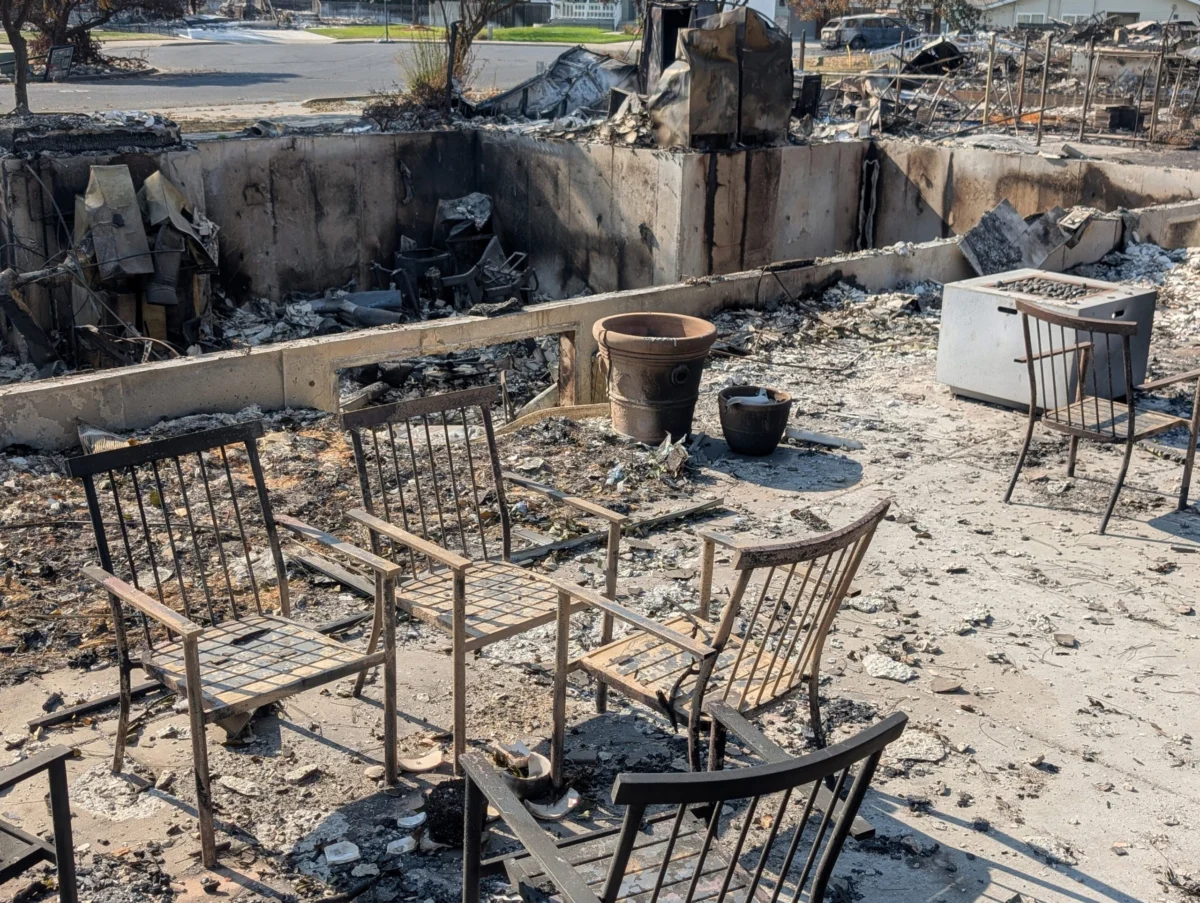
The rapid escalation of wildfire activity in the Pacific Northwest has forced communities to confront not only the physical destruction of homes and infrastructure but also the acute psychological toll on the youngest members of society. In Spokane, Washington, the aftermath of a devastating wildfire season in August revealed a critical gap in traditional emergency response: the lack of immediate, structured childcare for displaced families. As thousands were forced to evacuate, school districts and specialized non-profits pivoted to provide a sanctuary for children, creating a model for "education in emergencies" that is becoming increasingly vital as climate-related disasters intensify across the globe.
A Community Under Siege: The Spokane Wildfire Crisis
On the afternoon of August 1, the landscape in and around Spokane shifted violently as wildfires encroached from multiple directions, forcing at least 60,000 residents to evacuate their homes. The blaze, fueled by extreme heat and dry conditions, consumed over 10,000 acres and obliterated approximately 920 structures. For the local school systems, the impact was immediate and profound. Spokane Public Schools reported that 169 students and 38 staff members lost their homes entirely, while the smaller, semi-rural Nine Mile Falls School District recorded an additional 20 displaced students.

For families like that of Mareesha Backman, the evacuation was a chaotic, traumatic experience. Forced to flee with her husband and five sons—ranging from a 16-year-old to a medically fragile 7-year-old—the family spent nine days living in a cramped travel trailer on a Christmas tree farm in Idaho. Without electricity, running water, or a functional toilet, the family faced not only the loss of their home’s safety but the immediate stress of survival in a "hot box" environment. The children, particularly 7-year-old Bennett, began to show signs of regression, including night terrors and increased anxiety.
The Rise of Emergency Education as a Best Practice
The concept of "education in emergencies"—a framework originating in international humanitarian aid—centers on the understanding that children require predictable routines and safe spaces to process trauma. Sarah Dryden-Peterson, an expert in refugee education at the Harvard Graduate School of Education, notes that childcare in these settings is not merely a convenience for parents; it is a clinical intervention that helps young people make sense of the chaos.
By the morning of August 3, just two days after the fires broke out, Spokane Public Schools transformed a local high school into a resource hub. The district’s leadership, including Chief Academic Officer Laurie Morrison, recognized that the survival of the community depended on the ability of parents to manage the logistics of displacement—filing insurance claims, finding new housing, and accessing medical care—tasks made impossible without reliable, safe supervision for their children.

What began as a small initiative quickly ballooned. On the first day, 120 children arrived; by midweek, that number had surged to 300. The district, pivoting away from standard summer planning, utilized its auditorium and gymnasium to provide food, resources, and, most importantly, a structured environment for the affected youth.
The Operational Model: Project:Camp and Rapid Response
Recognizing that the district’s staff were stretched thin, Spokane Public Schools partnered with Project:Camp, a non-profit organization that specializes in deploying temporary, high-quality day camps in the wake of climate disasters. Since its inception in 2021, Project:Camp has mounted 33 such operations across 10 states, ranging from the aftermath of Hurricane Ian in Florida to wildfires in Maui and Los Angeles.
Mikey Latner, the co-founder of Project:Camp, explains that the organization is designed to be "ambulance chasers for the good." By monitoring emergency alert systems and using a roster of seasoned camp directors, the organization can arrive at a disaster site within days. Their approach is built on the science of Adverse Childhood Experiences (ACEs). The camp does not function as a formal therapy center; instead, it uses the "language" of summer camp—organized games, arts and crafts, and sports—to return children to a state of normalcy.

In Nine Mile Falls, the collaboration between national expertise and local knowledge proved essential. Superintendent Jeff Baerwald emphasized that in rural, tight-knit communities, outside help can sometimes be viewed with skepticism. The success of the program relied on integration with local institutions, particularly churches. Youth pastor Joel Heiser became a fixture at the Lake Spokane Elementary site, providing the necessary bridge between the professional camp counselors and the local families who were struggling to process the destruction of their neighborhoods.
The Psychological Impact and the Role of Routine
The daily schedule at these emergency camps is intentionally rigid. Children participate in "ME checks," where they use their fingers to signal their emotional energy levels, and engage in "gratitude circles"—a ritual that allows them to articulate their fears and their hopes. During one such circle in Spokane, children openly discussed their relief at surviving the fires, highlighting the depth of the trauma they had internalized.
The data supports the necessity of these interventions. A 2024 study of 38,000 teenagers found that those residing in areas with federal disaster declarations exhibited a 20 percent higher likelihood of reporting mental distress up to five years later. Furthermore, the RAPID Survey Project at the Stanford Center on Early Childhood has found that two in three parents report an increase in child anxiety following extreme weather events.

For parents like Backman, the camp offered more than just a place to leave her children. It provided the "hug she needed." When she was finally able to drop her sons off at the camp, she was able to attend a doctor’s appointment and sit in the quiet of a friend’s home, allowing her to process her own grief and overstimulation. It was during these pickups that she realized the true impact of the crisis on her children, noting that the camp’s trauma-informed environment allowed her boys to express their fear in a way that wouldn’t have been possible in the cramped, stressful environment of their temporary trailer.
Implications for the Future of Disaster Preparedness
The increasing frequency of extreme weather—wildfires, floods, heatwaves, and hurricanes—means that "emergency education" must transition from an ad-hoc response to a permanent component of disaster management. Matthew Kraft of Brown University’s SustainableED research center highlights that in the 2024-25 school year alone, at least 9 million public school students faced interrupted learning due to severe weather. This figure, while staggering, is likely an underestimation of the total impact on student well-being.
As Spokane Public Schools prepares for the long-term aftermath, the focus is shifting from immediate relief to recovery. This includes managing enrollment fluctuations, as many families who lost their homes may not return, and providing ongoing counseling support. The district has even begun consulting with school leaders from Southern California who dealt with the 2025 Palisades fires to better understand how to maintain the viability of schools in areas where large numbers of families have been displaced.

The logistical lesson for government agencies is clear: emergency response centers are often underutilized because essential personnel—police, fire, and medical staff—cannot report to duty if they lack childcare. By integrating childcare into the primary emergency response plan, communities can keep their workforce active while providing a safety net for the most vulnerable residents.
As Superintendent Baerwald observes while driving past the blackened "burn scar" of his district, the process of healing is not instantaneous. Just as the landscape will eventually see new growth, the children of Spokane are beginning the slow, steady process of recovery. Through the collaboration of schools, non-profits, and the community, they are ensuring that while their environment has been scorched, their futures remain rooted in support, structure, and resilience.








Leave a Reply