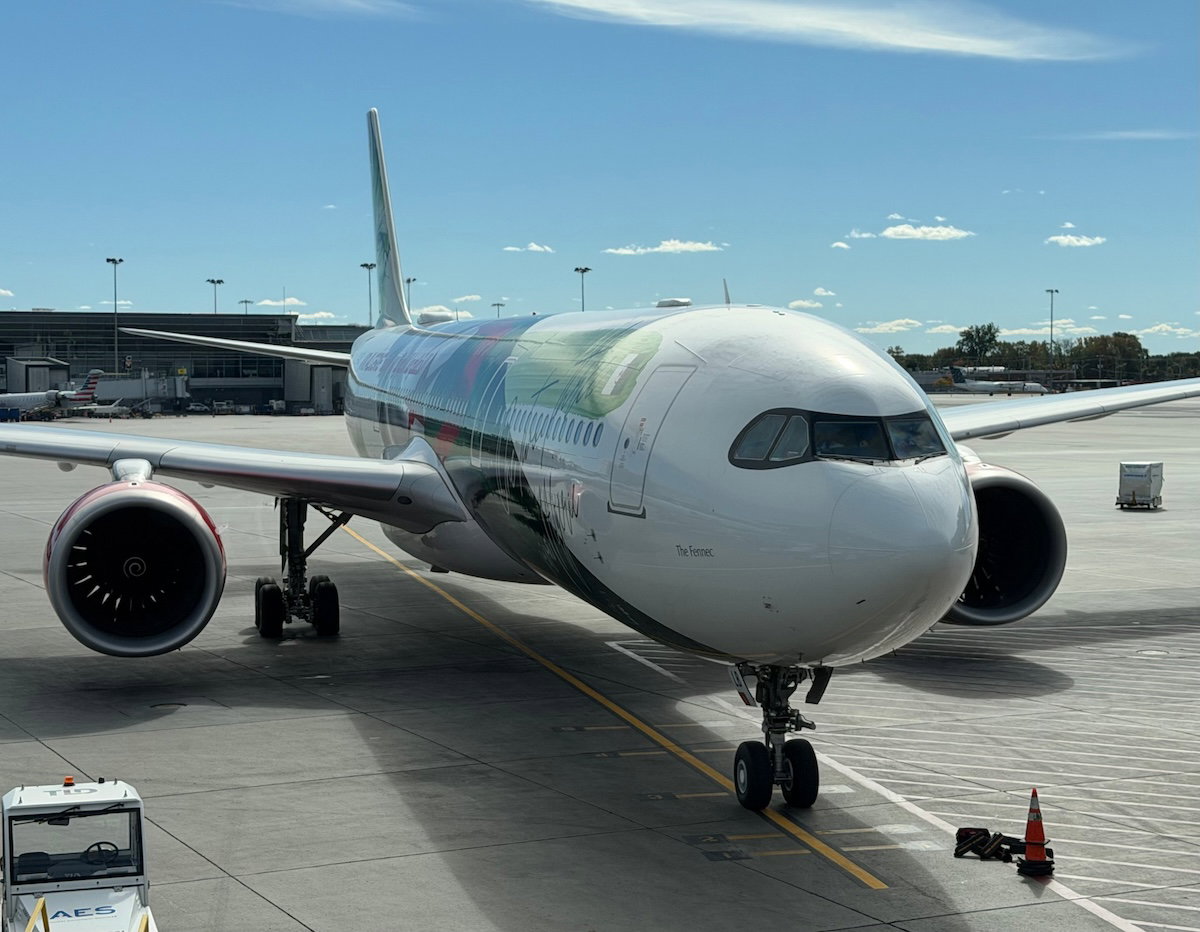
The contemporary landscape of long-haul commercial aviation is typically defined by fierce competition among global carriers striving to offer cutting-edge luxury, sophisticated dining, and seamless connectivity. However, state-owned flag carriers in specific regions continue to operate with distinct models that prioritize point-to-point regional connectivity over consumer-facing frills. A recent review of Air Algerie’s flagship long-haul business class product aboard its newly acquired Airbus A330-900neo highlights a stark divergence from modern international premium standards. Operating a nearly seven-hour flight from Montreal (YUL) to Algiers (ALG), the airline delivers a hard product that meets basic industry parameters, contrasted by a soft product and service delivery that aviation analysts describe as uniquely deficient.
Fleet Modernization and Strategic Context
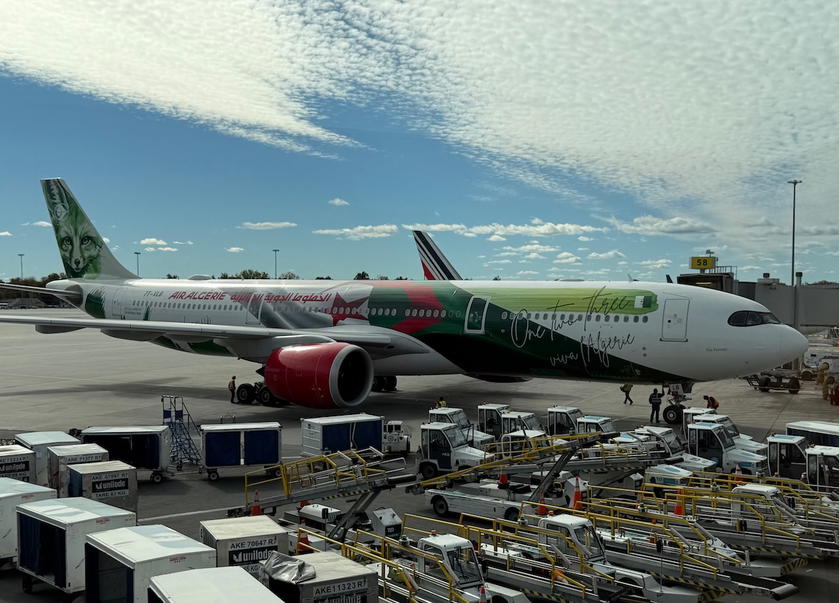
Air Algerie, the primary flag carrier of Algeria headquartered in Algiers, has historically maintained a conservative network strategy focused primarily on connecting the North African nation with European diaspora hubs, select Middle Eastern destinations, and targeted North American markets such as Montreal. As part of a broader fleet modernization initiative, the airline began integrating modern Airbus A330-900neo aircraft into its operations.
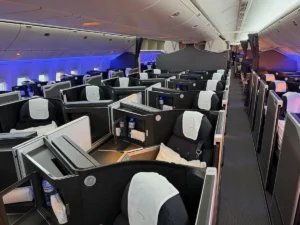
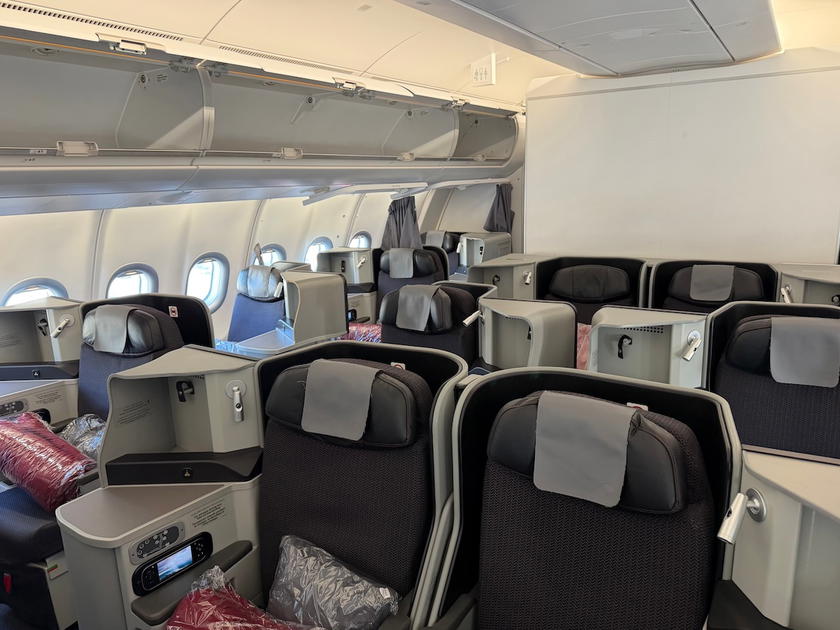
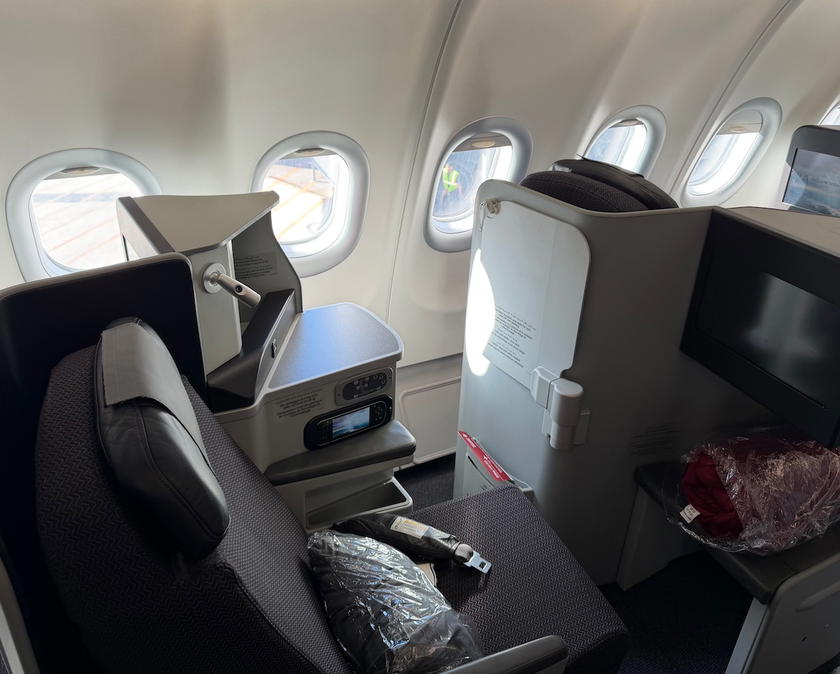
Notably, some of these additions were acquired secondhand following the bankruptcy of Air Belgium. Retaining the previous operator’s interior configurations, the aircraft feature a staggered 1-2-1 business class layout utilizing Stelia Aerospace Solstys seating hardware. While the acquisition of modern widebody equipment signals an effort to upgrade operational efficiency and passenger capacity, the implementation of onboard service standards has lagged behind the hardware investment. Industry observers note that Air Algerie remains largely isolated from major global airline alliances, reducing the pressure to conform to standardized frequent-flyer and premium service benchmarks adopted by competing carriers operating similar trans-Atlantic routes.
Ground Experience and Check-In Procedures
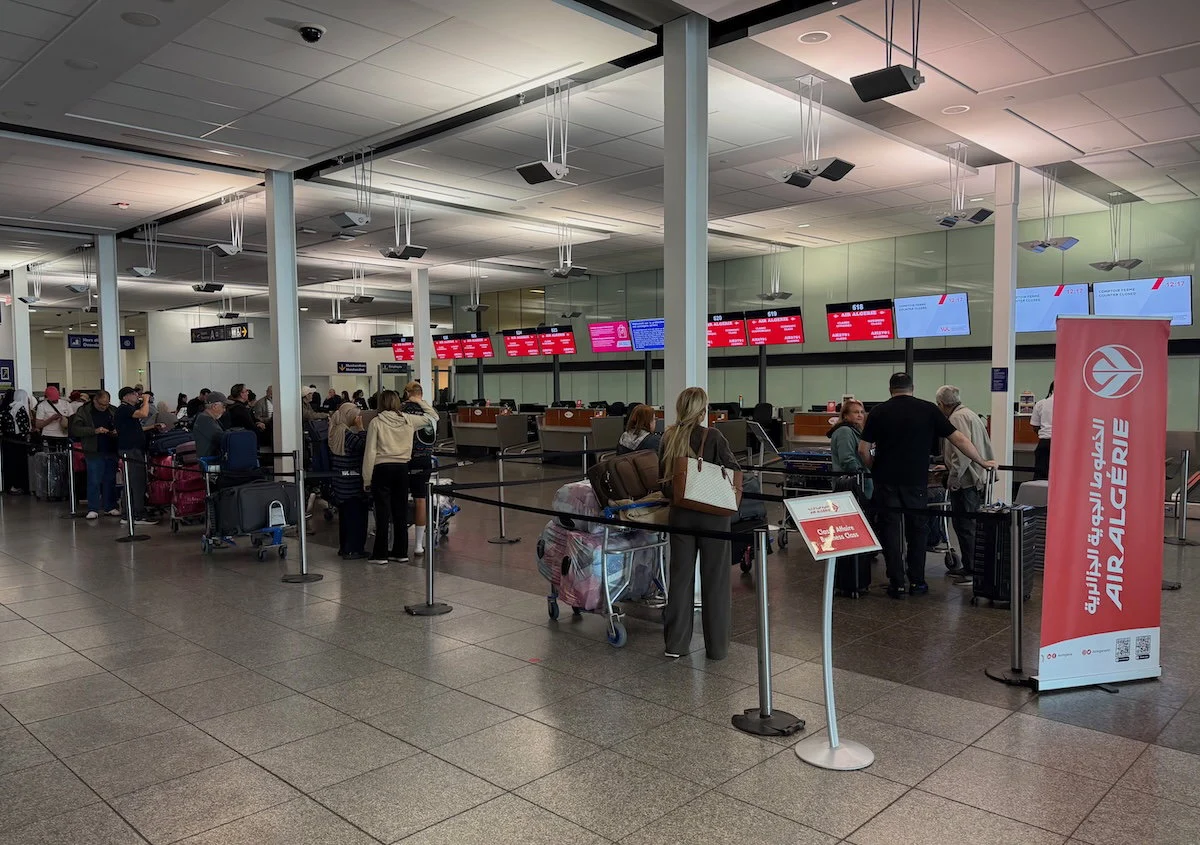
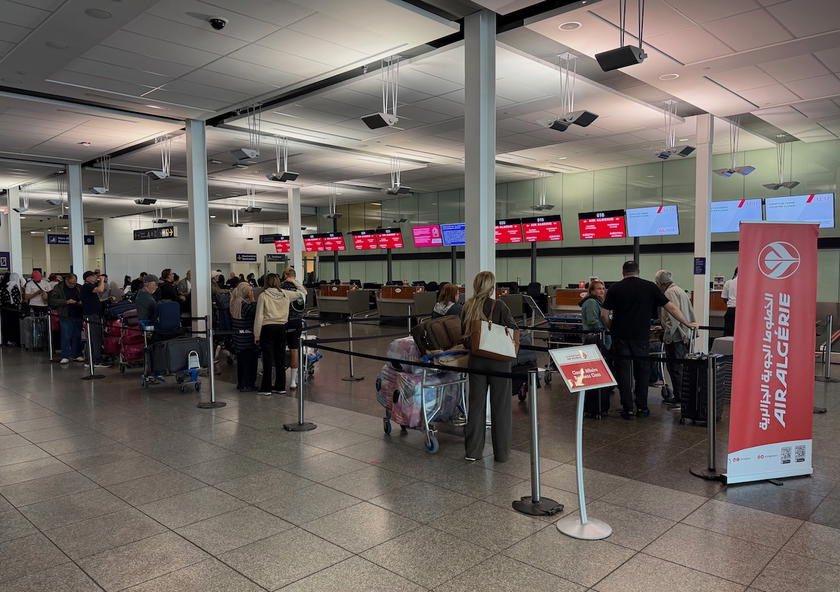
Passengers traveling in Air Algerie business class on the Montreal-to-Algiers route begin their journey at Montréal-Trudeau International Airport. Check-in operations for the carrier often reflect the unique demographic and luggage trends common to North African routes, characterized by substantial volumes of checked baggage per passenger.
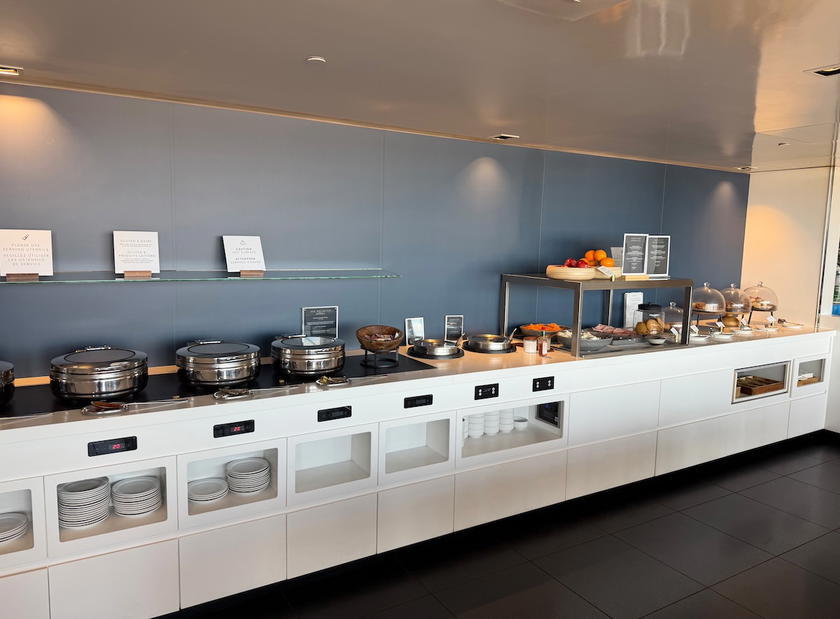
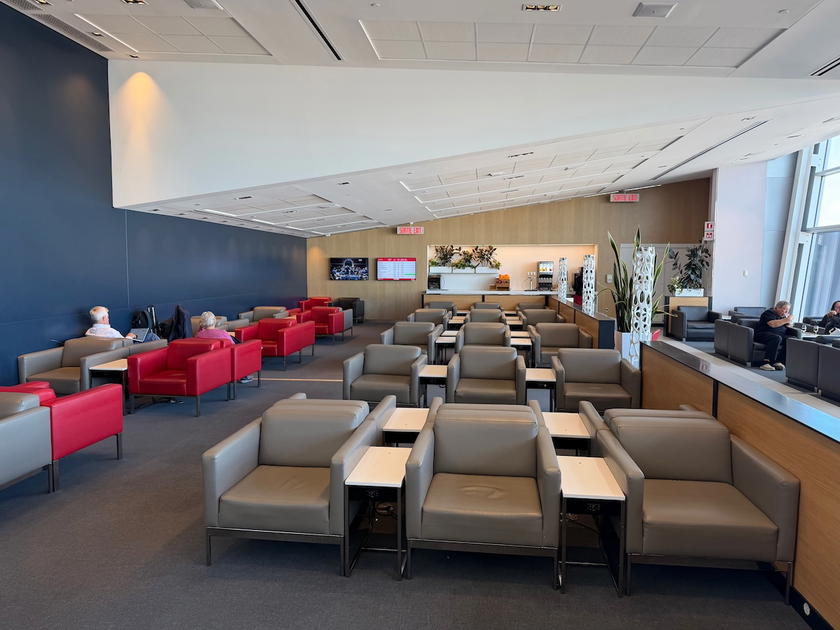
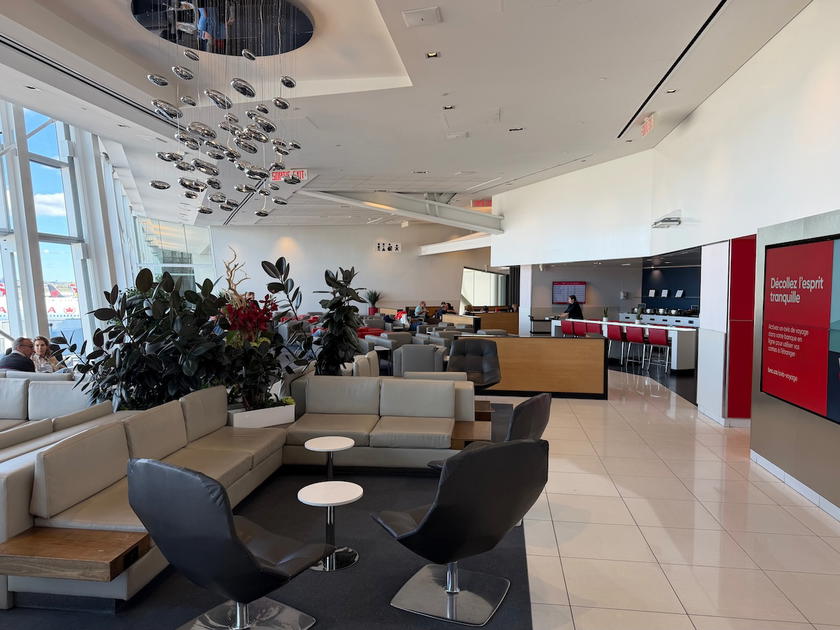
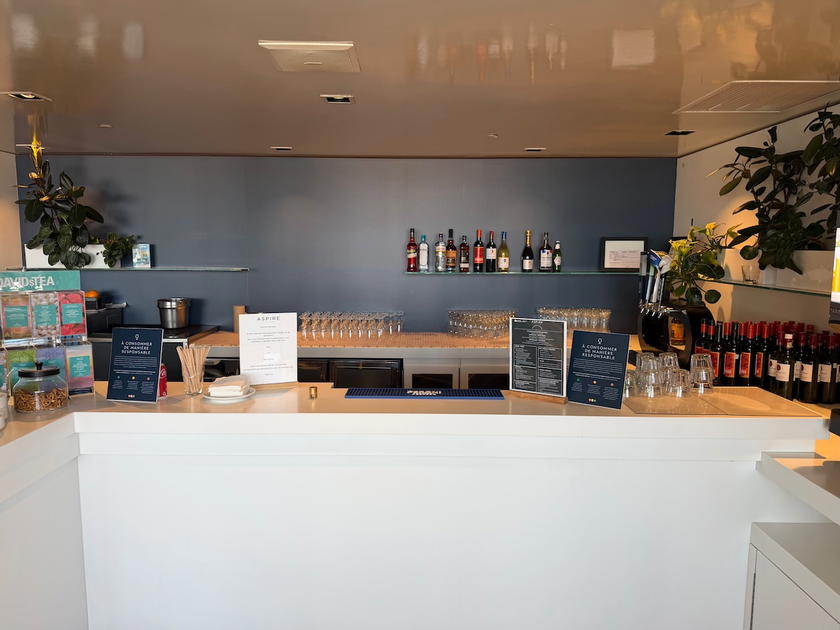
Due to limited international transfer traffic and rigorous visa requirements for visitors entering Algeria, ground staff frequently encounter passengers with complex transit itineraries. Check-in for premium passengers involves dedicated lanes, though processing times can be extended during peak departure windows. Upon completion of formalities, business class passengers are granted access to the National Bank Lounge within the international terminal. The contract facility offers standard amenities, including a buffet selection of hot and cold items, self-serve beverages, and comfortable seating arrangements with natural light.
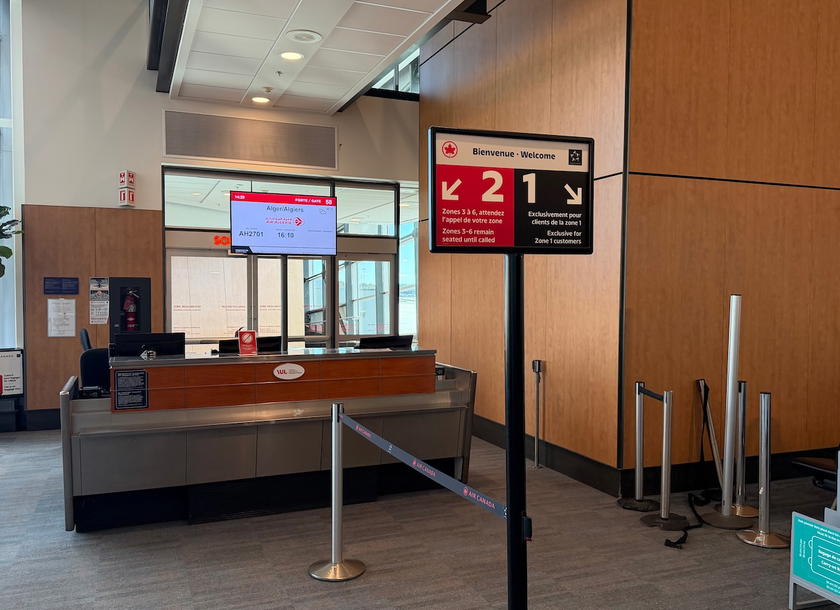
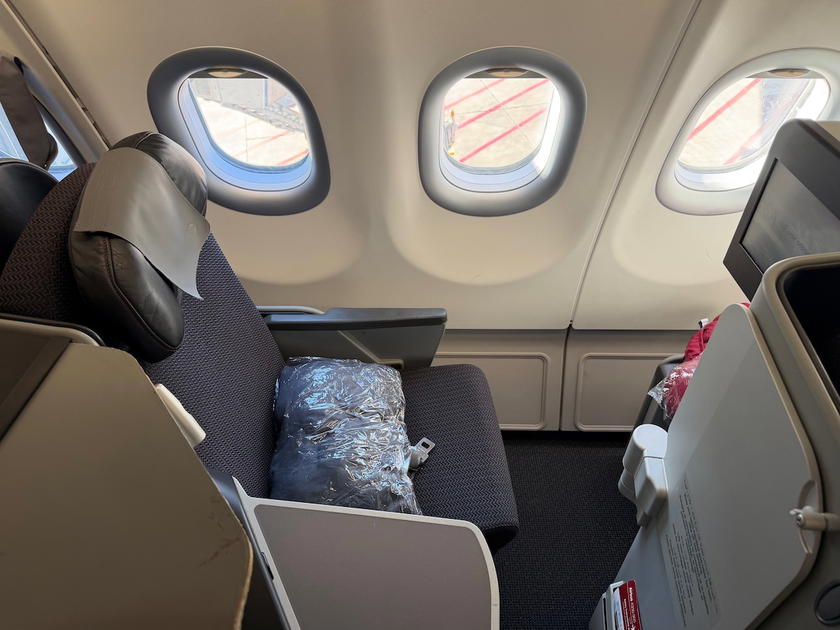
Boarding procedures at Montreal’s gate infrastructure typically commence an hour prior to scheduled departure. Given the configuration of the A330-900neo, which features 30 business class seats arranged in a 1-2-1 layout between the first and second sets of doors, boarding management requires coordination to handle high passenger loads. The cabin features direct-aisle access for all passengers, though specific seat selections dictate proximity to either the window or the aisle.
Cabin Environment, Hardware, and Seating
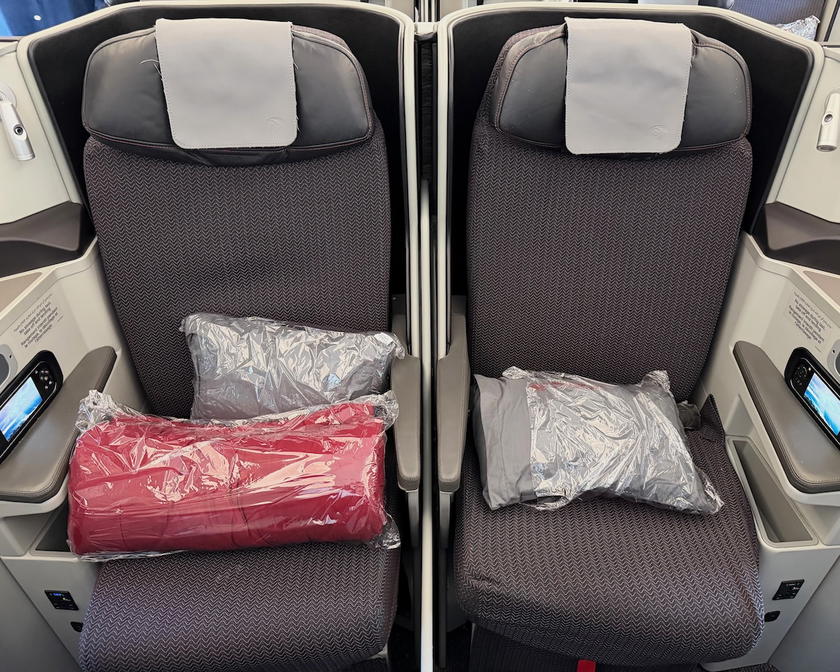
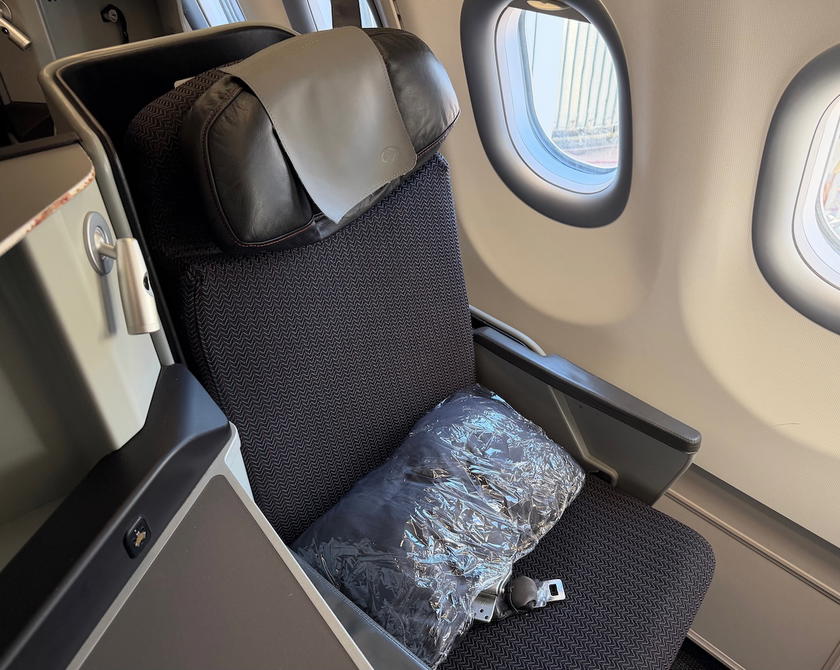
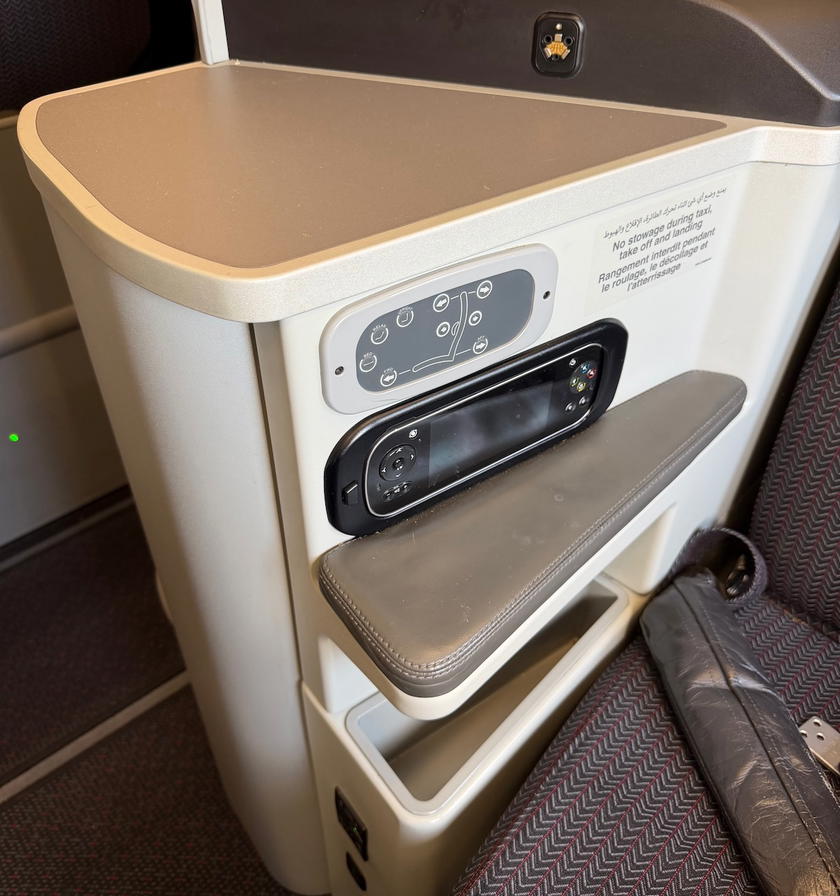
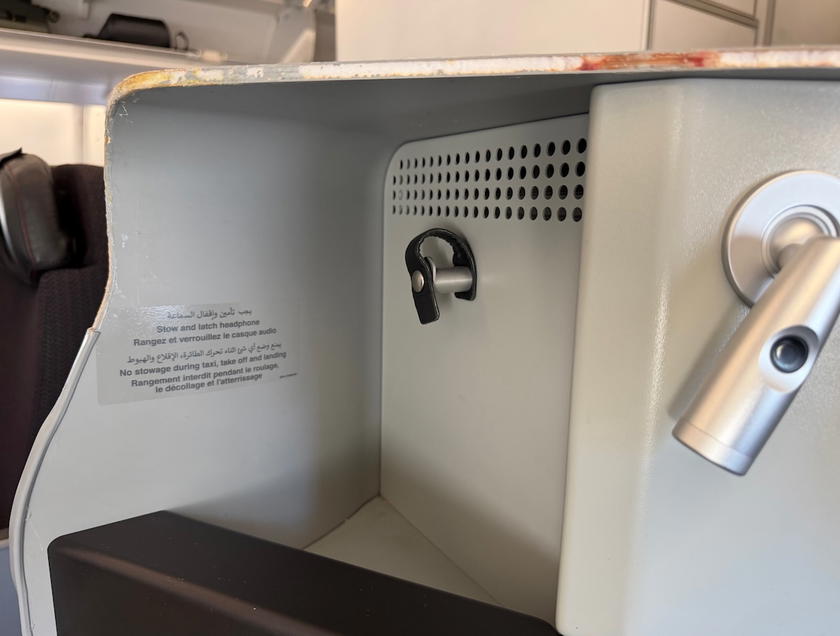
The hard product aboard Air Algerie’s A330-900neo offers a mixed evaluation. The Stelia Solstys seats provide a pitch of 44 inches, a width of 21 inches, and extend into 77-inch fully flat beds. Storage options include side consoles and open shelving, though maintenance standards across the cabin have drawn criticism for visible wear and inadequate baseline cleanliness prior to departure.
Significant operational observations during boarding included issues with cabin temperature control, attributed by passengers to auxiliary power unit (APU) limitations prior to engine startup. Furthermore, the cabin design lacks individual overhead air nozzles (individual gasper vents), a feature increasingly standard on modern widebody aircraft to regulate localized passenger comfort. Coupled with an ambient cabin temperature maintained at elevated levels during the trans-Atlantic crossing, the absence of adjustable airflow negatively impacted the overall comfort of the flight.
In-Flight Entertainment and Connectivity Deficits
In-flight entertainment (IFE) systems on the A330-900neo fleet represent a notable departure from contemporary expectations. The fixed 16-inch touchscreen monitors feature a limited media library comprising approximately 100 films and a minimal selection of television programming, often featuring older or single-episode content.
Crucially, the IFE system lacks a standard flight map application, a staple feature of modern commercial aviation. Additionally, despite the aircraft being equipped with hardware capable of supporting inflight Wi-Fi—inherited from its previous configuration with Air Belgium—Air Algerie chooses not to activate or offer connectivity services to passengers. Consequently, travelers experience total digital isolation for the duration of the intercontinental flight.
Catering, Service Delivery, and Dry Airline Policy
The primary area of divergence between Air Algerie and international business class norms lies in its catering and service execution. Air Algerie operates as a "dry" airline, meaning no alcoholic beverages are loaded or served on its flights. Furthermore, the beverage selection lacks common alternatives such as diet carbonated soft drinks, offering only water, juices, and standard full-calorie sodas.
The meal service structure follows a rigid, non-customized format characterized by the absence of printed menus or advance meal choices. On the Montreal-to-Algiers leg, the dinner service spanned nearly three hours, utilizing a continuous tray-stacking method rather than course clearing. Dishes—including an appetizer course, an overcooked and unseasoned fish main course, cheese plates, and whole fruit—were served without active solicitation of dietary preferences or proactive beverage replenishment.
Service flow logistics included extended intervals between meal components and language barriers between cabin crew and international travelers. Safety protocols also drew scrutiny from aviation safety commentators, who noted the absence of standardized safety demonstrations in English and minimal pre-departure compliance checks regarding seatbelts, unsecured cabin items, and tray table stowage.
Arrival and Broader Industry Implications
The flight touched down at Houari Boumediene Airport in Algiers ahead of schedule, concluding with a smooth landing followed by a remote stand parking procedure. Deplaning via airside buses concluded without priority disembarkation protocols for premium ticket holders.
Analyzing the broader implications of Air Algerie’s long-haul premium offering, aviation economists suggest that state-owned carriers operating in captive markets face minimal commercial incentive to invest in high-cost soft products. Because a significant portion of traffic consists of VFR (visiting friends and relatives) travelers or passengers utilizing bilateral government routes, demand remains inelastic regardless of service quality.
Nevertheless, as North African aviation hubs seek to position themselves as competitive transit corridors between North America, Europe, and sub-Saharan Africa, discrepancies between modern hardware investments—such as the A330neo acquisition—and legacy service execution highlight ongoing challenges in regional airline modernization. For the commercial aviation sector, the carrier’s product serves as a distinct outlier in an industry increasingly convergence-driven toward standardized global luxury.