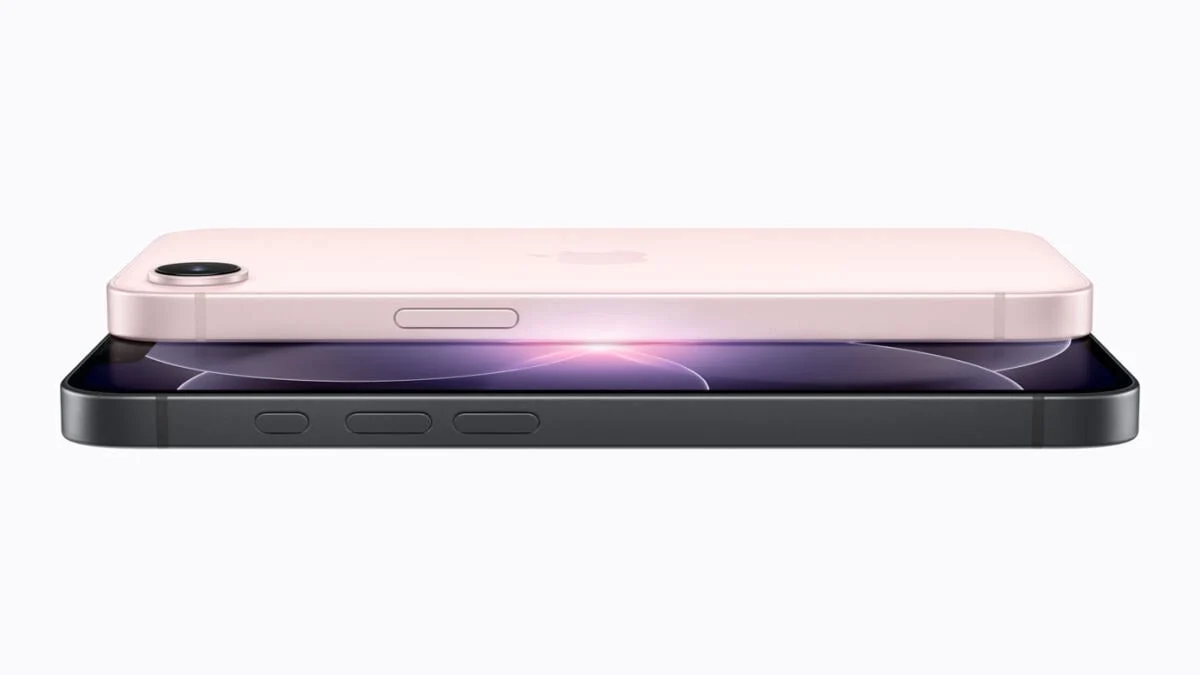
The landscape of Apple’s smartphone lineup is bracing for a significant shift as reports emerge regarding the specifications of the upcoming iPhone 18e. As the Cupertino-based tech giant continues to refine its strategy for the budget-conscious consumer segment, new leaks originating from the Chinese social media platform Weibo suggest that the entry-level device will benefit from substantial internal hardware upgrades while maintaining a conservative stance on display technology. Industry analysts are closely monitoring these developments, which indicate a continued reliance on 60Hz refresh rates for non-Pro models, a choice that remains a point of contention among power users but serves as a clear differentiator for Apple’s premium hardware tiers.
Technical Specifications and Hardware Expectations
According to details shared by the leaker Digital Chat Station, the iPhone 18e is currently projected to feature a 6.12-inch OLED display. While the adoption of OLED across the entire iPhone range has been a welcome transition, the report claims the device will be capped at a 60Hz refresh rate. This hardware limitation aligns with Apple’s historical product segmentation, where high-refresh-rate "ProMotion" technology is reserved for the flagship Pro and Pro Max iterations.
Under the hood, the device is expected to house the A20 Bionic chip. This inclusion is consistent with the "e" series tradition, which typically prioritizes raw computational power and longevity through the latest silicon, allowing the phone to remain compatible with future iterations of iOS for several years. By utilizing the same architecture as its more expensive counterparts, the iPhone 18e serves as a gateway to the Apple ecosystem’s software capabilities, including the increasingly complex suite of Apple Intelligence features.
The imaging department is where the rumors take a more controversial turn. The report suggests a 48-megapixel main sensor paired with a 24-megapixel front-facing camera. The latter specification has drawn skepticism from industry observers, as the current iPhone 18 Pro series utilizes 18-megapixel sensors for front-facing optics. If accurate, this would represent a significant leap in hardware for an entry-level device, potentially signaling a shift in Apple’s strategy toward prioritizing high-resolution video conferencing and social media content creation for younger demographics.
The Evolution of the iPhone SE and "e" Series Lineage
The history of Apple’s budget-focused iPhones is defined by a "best of both worlds" approach: integrating the latest processing power into a chassis that utilizes established, cost-effective manufacturing processes. The original iPhone SE, launched in 2016, set the template by placing the A9 chip inside the iPhone 5s body. Subsequent models, such as the 2020 and 2022 SE iterations, continued this trend by repurposing the iPhone 8 design while upgrading internal components.
The transition to the "e" branding for the 2027 model year marks a departure from the numerical naming conventions previously associated with the SE line. This rebranding suggests a broader strategic move to align the entry-level offering more closely with the contemporary iPhone family aesthetic. By moving away from the dated home-button designs of the past, the iPhone 18e is expected to adopt the modern full-screen, Dynamic Island aesthetic, albeit with the aforementioned display limitations.
Market Context: Why 60Hz Persists
The decision to retain a 60Hz refresh rate in 2027 may seem counterintuitive in a market where even mid-range Android handsets frequently offer 90Hz or 120Hz displays. However, Apple’s product strategy is governed by several factors, including supply chain optimization, power efficiency, and market segmentation.
Following the release of the iPad mini earlier this year, which also utilizes a 60Hz OLED panel, it has become evident that Apple views 60Hz as the acceptable standard for its "standard" tier products. From a manufacturing perspective, sourcing millions of high-quality OLED panels at 60Hz is significantly more cost-effective than sourcing ProMotion-capable displays. This cost reduction is essential to maintaining the competitive price point that defines the "e" series, allowing Apple to preserve its margins while providing a premium user experience in terms of color accuracy and contrast, which are the primary benefits of OLED technology over legacy LCDs.
Strategic Implications and Industry Impact
The release of the iPhone 18e, projected for the spring of 2027, will occur in a crowded field of handsets. Launching alongside the standard iPhone 18 and the highly anticipated iPhone Air 2, the device will be positioned as the primary entry point for consumers who wish to enter the Apple ecosystem without the financial commitment of a Pro-level device.
The implications of the A20 chip inclusion cannot be overstated. By ensuring that the most affordable device in the lineup can handle the same machine learning tasks and high-fidelity gaming as the flagship models, Apple is effectively future-proofing the device. This strategy is designed to drive long-term user retention. When a device remains performant for five to six years, it increases the likelihood that a user will remain within the Apple ecosystem for their next hardware purchase.
However, the lack of a 120Hz display remains the primary hurdle for Apple in terms of market perception. In the tech community, the "refresh rate gap" between standard and Pro models is frequently cited as a form of artificial market limitation. Whether the average consumer—who primarily uses their smartphone for messaging, browsing, and social media—will notice the difference between 60Hz and 120Hz is a subject of ongoing debate. Apple’s data likely suggests that the average entry-level user prioritizes battery life and overall device longevity over the fluidity of scrolling animations.
Future Outlook and Chronology
The timeline for the spring 2027 launch is strategically chosen. Historically, Apple has utilized the spring window to refresh its non-flagship portfolio, providing a mid-cycle boost to its annual sales figures. By introducing the iPhone 18e, the iPhone 18, and the ultra-thin iPhone Air 2 concurrently, Apple is attempting to address three distinct market segments:
- The Budget/Value Segment: Served by the iPhone 18e, focusing on performance-per-dollar.
- The Mass Market Segment: Served by the standard iPhone 18, balancing features and cost.
- The Ultra-Premium/Design Segment: Served by the iPhone Air 2, focusing on form factor and industrial design.
As the industry moves toward 2027, the focus will likely shift from raw hardware specifications to software integration. With the A20 chip as the engine, the iPhone 18e will be optimized for the next generation of generative AI, which Apple is currently embedding deeper into its operating system. The 48-megapixel camera, while not matching the triple-lens arrays of the Pro series, will likely leverage computational photography to provide a camera experience that exceeds the requirements of the vast majority of consumers.
Conclusion
The iPhone 18e represents the continued evolution of Apple’s "trickle-down" technology strategy. While the absence of a high-refresh-rate display may disappoint hardware enthusiasts, the inclusion of the A20 chip and a high-resolution camera setup underscores Apple’s commitment to providing a powerful, long-lasting device at a more accessible price point. As the spring 2027 launch window approaches, the tech industry will continue to scrutinize these specifications, evaluating how they balance the demands of modern performance with the necessity of supply chain efficiency. For Apple, the success of the iPhone 18e will hinge on its ability to offer a compelling, cohesive experience that encourages users to upgrade their legacy devices without feeling the need to step up to the much more expensive Pro or Air models.