New York State is grappling with a critical challenge in its public health infrastructure: a fragmented and underfunded mosquito monitoring system that experts warn is ill-equipped to handle the escalating threat of vector-borne diseases. Current surveillance efforts, largely managed at the county level, are characterized by inconsistency, significant logistical hurdles, and a lack of unified data sharing, creating a "patchwork system" that allows invasive mosquito species and potential disease outbreaks to fly under the radar. This vulnerability has spurred the introduction of a new bill in the New York State Legislature, S10393, aimed at establishing a comprehensive, statewide mosquito surveillance program to bolster public health defenses before an outbreak takes hold.
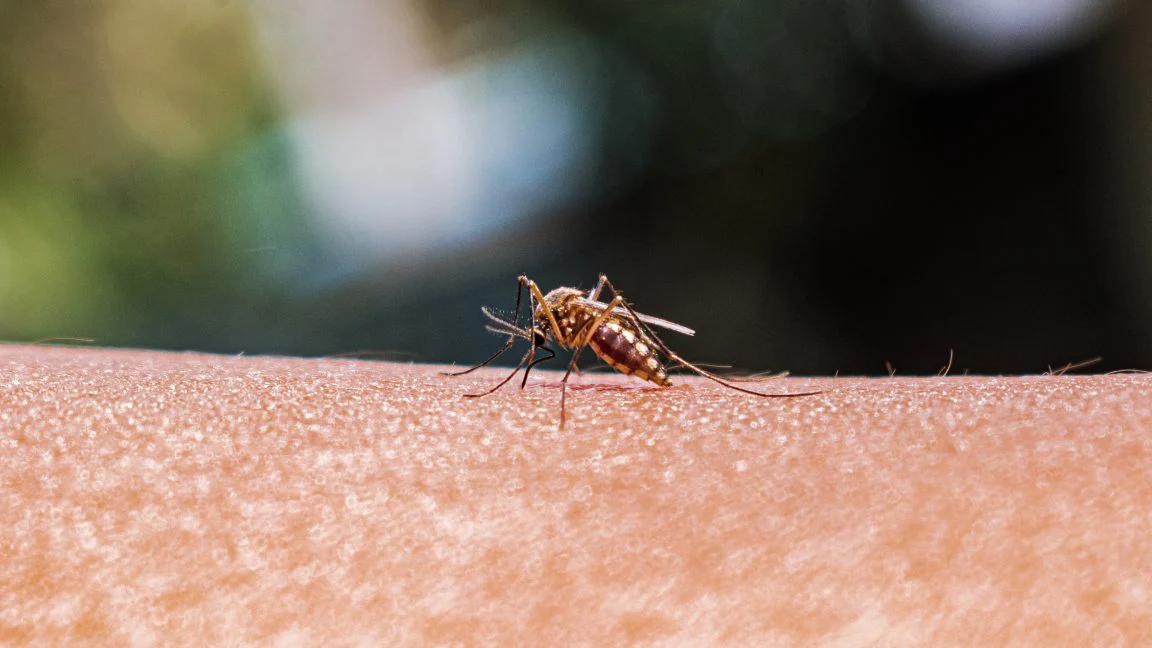
The existing paradigm for mosquito monitoring is inherently labor-intensive and costly. Teams on the ground are tasked with setting and meticulously checking various types of traps, often in remote and challenging terrains. These traps are specialized, designed to attract female mosquitoes, which are the primary vectors for disease transmission. Some employ "stinky water"—a concoction loaded with decaying organic material that mimics natural breeding sites and lures gravid females seeking a place to lay eggs. Others utilize dry ice, which sublimes to release carbon dioxide, a potent attractant for mosquitoes hunting for mammalian hosts. The logistical challenges are substantial; in rural parts of New York, for instance, procuring dry ice can be so difficult that monitoring teams are forced to produce their own, adding another layer of complexity and expense to an already demanding process. Beyond the physical demands and resource drain, the fundamental issues of communication, coordination, and standardized data sharing plague the current decentralized system.
Dr. Laura Leydet, a prominent researcher in this field, articulated the core problem: "One of the problems with states that are not comprehensively doing these surveillance programs is that surveillance is hit or miss. A lot of these surveillance programs are run by the counties, and they’re not really talking to each other." This lack of inter-county dialogue and a cohesive statewide strategy means that crucial data—such as the emergence of new invasive species or the detection of specific pathogens—may not be shared efficiently or consistently, leading to significant blind spots in public health oversight. Leydet’s lab has directly observed that this disjointed approach allows certain invasive mosquito species, which could carry dangerous diseases, to establish themselves and expand their range undetected, posing a silent but growing threat to New Yorkers.
Funding remains a perennial and significant obstacle to effective mosquito surveillance. "If the county doesn’t have money or resources, these programs fade away," Leydet emphasized. The precarious nature of county-level funding often means that surveillance efforts are among the first to be cut during budget constraints, leaving communities vulnerable. This reactive approach, where public health officials are only able to respond after a problem has manifested, stands in stark contrast to effective preventative strategies. "If we don’t have these surveillance programs, then all we’re doing is responding to a problem when it’s already a problem, and that’s never how prevention works," Leydet noted, underscoring the critical importance of proactive monitoring in safeguarding public health.
The Rising Tide of Vector-Borne Diseases in New York
New York, like many states across the U.S., has seen a concerning trend in the prevalence and geographic spread of mosquito-borne diseases. While West Nile Virus (WNV) has been endemic in the state since its introduction in 1999, causing hundreds of human cases and several fatalities over the years, the threat profile is rapidly evolving. The Centers for Disease Control and Prevention (CDC) consistently highlights WNV as the leading cause of mosquito-borne disease in the continental United States, with New York reporting sporadic outbreaks and persistent viral activity in mosquito populations annually. For instance, in 2023, New York State reported its first human case of WNV in August, with subsequent detections in mosquito pools across various counties, signaling ongoing local transmission.
Beyond WNV, New York faces the looming threat of Eastern Equine Encephalitis (EEE), a rare but often fatal disease that can affect humans, horses, and birds. Though less common than WNV, EEE outbreaks in upstate New York, particularly in wetland-rich areas, have historically prompted intense public health interventions, including aerial spraying. The increasing concern, however, stems from invasive mosquito species like Aedes albopictus (the Asian tiger mosquito) and Aedes aegypti (the yellow fever mosquito). These species, historically confined to warmer climates, are expanding their ranges northward, driven in part by climate change. Aedes albopictus has already established populations in several New York counties, including New York City and its suburbs, and is a competent vector for diseases such as Zika, dengue, and chikungunya viruses. While local transmission of these exotic diseases has not yet been widespread in New York, the presence of competent vectors significantly increases the risk, particularly with increased global travel.
The U.S. Environmental Protection Agency (EPA) and the CDC have repeatedly warned that changing climate patterns, including warmer temperatures, increased precipitation, and altered seasonal cycles, are creating more favorable conditions for mosquito breeding and survival, extending their active seasons and allowing them to colonize new territories. This environmental shift directly amplifies the urgency for robust and coordinated surveillance.
A Chronology of Growing Concern and Legislative Response
The recognition of a fragmented surveillance system is not new, but the legislative push for a comprehensive solution gained significant momentum during the recent legislative session. While the exact introduction date of Senate Bill S10393 falls within the 2025 legislative session (typically spanning January through June), its genesis lies in years of accumulating scientific evidence and public health advisories regarding the inadequacies of the current system.
- 1999: West Nile Virus first detected in New York, marking a pivotal moment in the state’s battle against mosquito-borne diseases and prompting the initial, albeit fragmented, development of county-level surveillance programs.
- Early 2000s-Present: Persistent WNV activity and sporadic EEE outbreaks continue to highlight the need for consistent monitoring. Research by institutions like Cornell University and the New York State Department of Health (NYSDOH) increasingly points to the expansion of invasive Aedes species into the state.
- Mid-2010s: The global Zika virus epidemic underscores the potential for exotic diseases to spread rapidly if local mosquito vectors are present, further elevating concerns about Aedes aegypti and Aedes albopictus in the U.S.
- Recent Years: Scientific papers and public health reports detail the challenges faced by county health departments, including funding shortfalls, lack of standardized protocols, and difficulties in data sharing across jurisdictions. Leydet’s research, cited in the original article, directly contributed to this growing body of evidence.
- 2025 Legislative Session: Senate Bill S10393 is introduced, directly addressing the "sparse and disintegrated" nature of the current system and proposing a framework for a comprehensive, statewide mosquito surveillance program. This bill represents a direct legislative response to years of scientific findings and public health recommendations.
The Proposed Solution: Senate Bill S10393
The bill, S10393, aims to fundamentally transform New York’s approach to mosquito monitoring. While specific details of the bill’s language would outline the exact mechanisms, its stated goal is to lay the groundwork for a comprehensive program, moving away from the existing "sparse and disintegrated" system. Key components of such a program, logically inferred from the bill’s intent and expert recommendations, would include:
- Standardized Protocols: Implementing uniform trapping methods, sample collection techniques, and laboratory testing procedures across all counties. This would ensure data consistency and comparability statewide.
- Centralized Data Repository: Establishing a central database for all mosquito surveillance data, including species identification, pathogen detection, and population densities. This would allow for real-time tracking of mosquito activity and disease risk across the state.
- Dedicated Funding Mechanisms: Creating stable, long-term funding streams to support county-level surveillance efforts, reducing their reliance on often precarious local budgets.
- Inter-agency Coordination: Fostering collaboration between state agencies (e.g., NYSDOH, Department of Environmental Conservation), academic institutions, and county health departments.
- Rapid Response Framework: Developing clear protocols for coordinated responses to elevated disease risk or confirmed outbreaks, ensuring timely and effective interventions.
The bill’s sponsors, presumably driven by public health concerns, would likely emphasize the preventative nature of this legislation. A legislator might state, "This bill is not just about catching mosquitoes; it’s about catching diseases before they spread. We cannot afford to wait for an outbreak to act. A coordinated statewide effort is essential to protect every New Yorker, from Buffalo to Long Island, from the increasing threat of vector-borne illnesses."
Broader Impact and Implications
The successful implementation of a comprehensive mosquito surveillance program in New York would have far-reaching implications, extending beyond immediate public health benefits.
- Enhanced Public Health Protection: The most direct impact would be a significant improvement in the state’s ability to detect, track, and respond to mosquito-borne disease threats. Early detection of invasive species or pathogen circulation allows for targeted interventions, preventing widespread outbreaks and reducing illness and mortality. Proactive measures can include removing pools of standing water, applying targeted larvicides in breeding habitats, and issuing public health warnings to use insect repellent and cover bare skin when outdoors. In cases of confirmed outbreaks, a coordinated system would enable more widespread and effective pesticide spraying, if deemed necessary, with clear guidelines and public communication.
- Economic Benefits: While Leydet noted that the cost of such programs can deter interest, the long-term economic benefits of prevention far outweigh the costs of reaction. Outbreaks of diseases like WNV or EEE can incur substantial healthcare costs, including emergency room visits, hospitalizations, and long-term care for neurological complications. Beyond direct medical expenses, outbreaks can negatively impact tourism, outdoor recreation industries, and agricultural sectors (e.g., EEE affecting horses). A robust surveillance system represents an investment in public health infrastructure that mitigates these potential economic disruptions.
- Environmental Stewardship: A centralized system could also promote more efficient and environmentally conscious vector control strategies. By pinpointing specific areas of high risk, public health officials can deploy targeted interventions (e.g., larvicides in specific breeding sites) rather than resorting to broad-spectrum adulticide spraying, which can impact non-target species. This precision is a hallmark of Integrated Pest Management (IPM) principles, which aim to minimize environmental impact while effectively controlling pests.
- Scientific Advancement and Data Sharing: A comprehensive program would generate an invaluable dataset on mosquito populations, species distribution, and pathogen prevalence across New York. This data would be a critical resource for researchers, enabling a deeper understanding of mosquito ecology, disease dynamics, and the impacts of climate change. It could also facilitate collaborations with neighboring states, creating a regional defense network against mobile vector threats.
- Challenges of Centralization: Leydet’s concern about the cost of a centralized program is valid. Implementing a statewide system in a geographically diverse state like New York, with its mix of dense urban centers, suburban communities, and vast rural areas, presents significant logistical and financial hurdles. There could also be resistance from some counties regarding the loss of autonomy in their local public health decisions or concerns about how state-mandated programs would be funded and implemented at the local level. However, advocates argue that the long-term benefits of a unified approach to public health security far outweigh these initial challenges.
Expert and Stakeholder Reactions
Public health officials at the state level would likely welcome the proposed legislation. A representative from the New York State Department of Health might state, "A truly comprehensive and coordinated mosquito surveillance system is a foundational component of modern public health. It provides us with the real-time intelligence needed to protect our communities from emerging and re-emerging vector-borne diseases, which are increasingly dynamic threats."
Environmental groups would likely support the bill, particularly if it emphasizes sustainable and targeted control methods. An environmental advocate could say, "By understanding where and when mosquito populations pose the greatest risk, we can apply solutions that are effective while minimizing the impact on New York’s delicate ecosystems."
Conversely, some county health departments, while acknowledging the need for resources, might express concerns about the practicalities of implementation. A county health director might comment, "We are stretched thin as it is. While a statewide program sounds ideal, the devil will be in the details of how it’s funded, how mandates are passed down, and how our unique local needs are addressed within a centralized framework."
Looking Ahead: Securing New York’s Health Future
The introduction of Senate Bill S10393 marks a crucial juncture for public health in New York. The current fragmented system, characterized by logistical difficulties, funding instability, and a lack of coordination, leaves the state vulnerable to escalating threats from mosquito-borne diseases. As invasive species expand their ranges and climate change creates more favorable conditions for vector proliferation, the need for a robust, comprehensive, and proactive surveillance program has never been more urgent.
While the financial investment and logistical coordination required for such a statewide overhaul are substantial, the alternative—a reactive approach that waits for outbreaks to occur—carries a far greater human and economic cost. Leydet’s pragmatic assessment, "any help is better than nothing," underscores the immediate need for action, but the proposed bill offers the promise of more than just "help"; it offers a strategic vision for a resilient public health defense system. By establishing standardized protocols, centralizing data, and securing stable funding, New York can move from a "hit or miss" approach to a systematic, data-driven strategy that protects its residents from the silent and growing threat of mosquito-borne illnesses, ensuring a healthier future for all.