
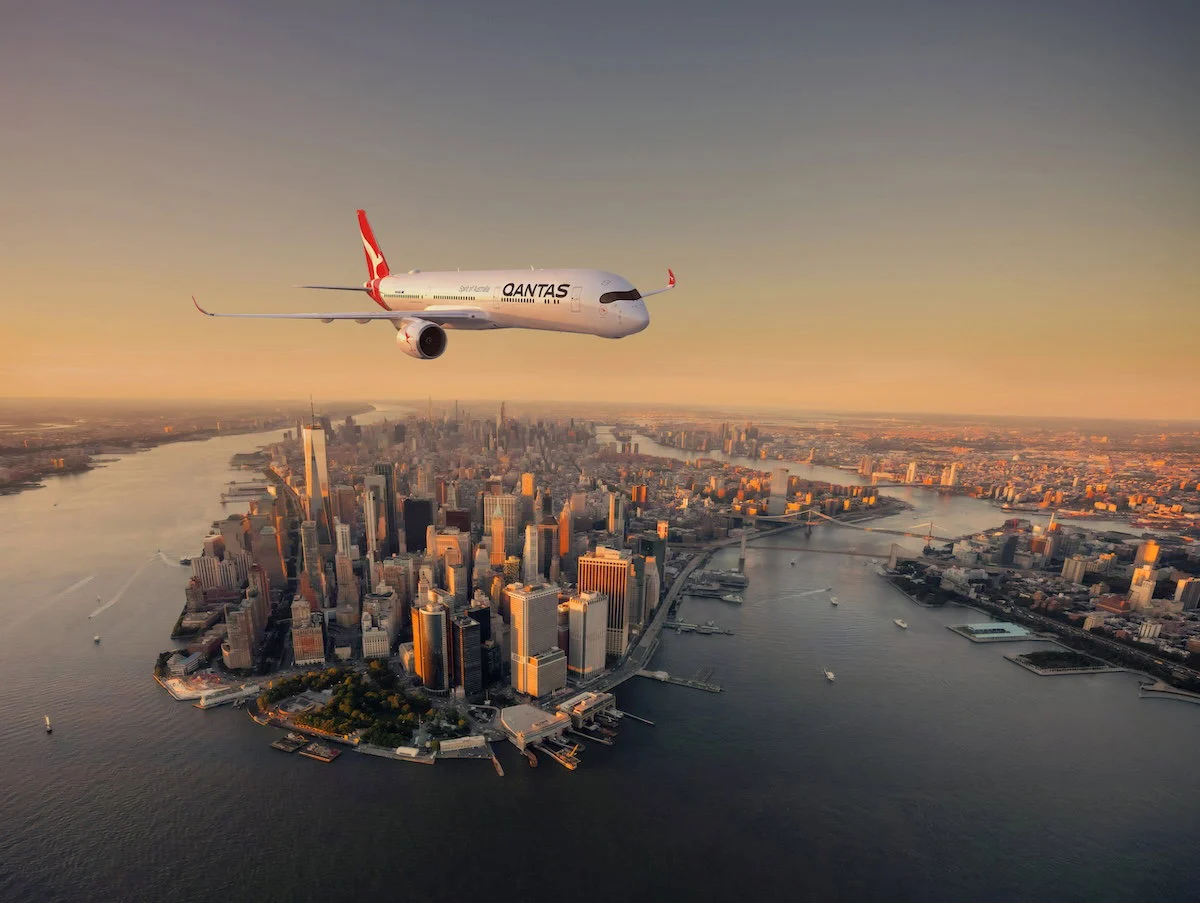
The global aviation landscape is on the brink of a historic transformation as national carrier Qantas officially confirms the timeline for its long-awaited Project Sunrise initiative. Following years of meticulous planning, regulatory coordination, and aircraft development, the airline has announced that nonstop flights between Sydney and New York will commence in mid-2028. This milestone announcement closely follows the scheduled October 2027 launch of Qantas’s pioneering nonstop route from Sydney to London. Together, these two ultra-long-haul services will redefine the limits of commercial aviation, connecting Australia directly to the world’s major financial capitals and permanently altering the geography of international travel.
The introduction of the Sydney-to-New York route marks a significant evolution in Qantas’s operational history. While the airline has maintained a presence on the transpacific route since 1958—initially utilizing island-hopping itineraries through the South Pacific—modern operations rely on a daily Boeing 787-9 service that routes through Auckland, New Zealand. The upcoming nonstop service, operated by specially modified ultra-long-range aircraft, will eliminate the intermediate stop entirely. By removing the Auckland layover, Qantas expects to slash total travel time by approximately three hours, creating a streamlined, continuous journey across the Pacific Ocean.
The Evolution of Project Sunrise and Operational Timeline
The genesis of Project Sunrise dates back to 2017, when Qantas first challenged aircraft manufacturers to produce commercial airliners capable of carrying passengers halfway around the globe with a full commercial load. The conceptual name is a nostalgic nod to the historic "Double Sunrise" flights operated by Qantas during the Second World War, where flying boats endured journeys long enough to see the sun rise twice.
Turning this ambitious vision into a reality has required nearly a decade of strategic alignment. The timeline leading up to the 2028 New York launch features several key milestones:
- 2017: Qantas formally introduces the Project Sunrise concept, challenging Boeing and Airbus to design ultra-long-range aircraft.
- 2022: Following extensive evaluations, Qantas places a firm order for 12 Airbus A350-1000ULR aircraft, committing heavily to the future of non-stop global connectivity.
- February 2027: Tickets for the inaugural Sydney-to-London nonstop route officially go on sale to the public.
- October 2027: Qantas launches its first Project Sunrise route, offering the world’s longest commercial flight between Sydney and London (Heathrow).
- August 2027: Tickets for the Sydney-to-New York nonstop service are scheduled to go on sale, roughly one year ahead of the flight’s debut.
- Mid-2028: Regular commercial operations officially begin for the nonstop Sydney-to-New York route.
Despite the advanced planning and the long-standing familiarity with the route concept, Qantas has actively promoted the upcoming milestone with high-profile industry events, signaling to the market that the era of ultra-long-haul travel is finally within reach. Even after the nonstop route goes live, Qantas has confirmed it will retain its existing one-stop service via Auckland to ensure schedule flexibility and accommodate varied passenger preferences.

Specialized Fleet and Aircraft Engineering
Operating routes of this magnitude requires specialized equipment capable of enduring record-breaking airborne hours. Qantas has ordered 12 Airbus A350-1000ULR (Ultra Long Range) aircraft to anchor the Project Sunrise program. These variants are distinct from standard A350-1000s, featuring auxiliary fuel tanks integrated into the structural design and an increased maximum takeoff weight to support the immense fuel load required for journeys lasting nearly a full day.
Of the 12 aircraft on order, Qantas has earmarked six airframes exclusively for the core Project Sunrise network connecting Sydney and Melbourne to key global hubs, though current deployment strategies focus primarily on Sydney. To maintain a reliable schedule on the Sydney-to-New York rotation, the airline requires a minimum of five active aircraft: two planes operating in transit simultaneously, two positioned for return departures, and one designated as a technical spare to mitigate potential disruptions.
The operational parameters of the Sydney-to-New York route underscore the sheer scale of the journey:
- Distance: Approximately 9,950 miles (16,013 kilometers).
- Eastbound Flight Time (Sydney to New York): Approximately 18 hours.
- Westbound Flight Time (New York to Sydney): Approximately 20 hours, factoring in prevailing upper-level jet stream headwinds.
- Global Ranking: It will officially stand as the second-longest commercial flight in the world, trailing only the Sydney-to-London route, which spans an astonishing 10,573 miles.
Cabin Design and Passenger Wellness
Recognizing that spending nearly an entire day inside a pressurized aluminum tube presents significant physiological and psychological challenges, Qantas has approached the interior architecture of the A350-1000ULR through the lens of human health and aviation science. The aircraft will feature a remarkably spacious layout capped at just 238 seats across four distinct cabins—a significantly lower passenger density than standard configurations found on similar-sized airliners operated by other international carriers.
Working alongside medical researchers, sleep experts, and industrial designers over the past decade, Qantas has tailored the onboard experience to mitigate the effects of fatigue, dehydration, and jet lag:
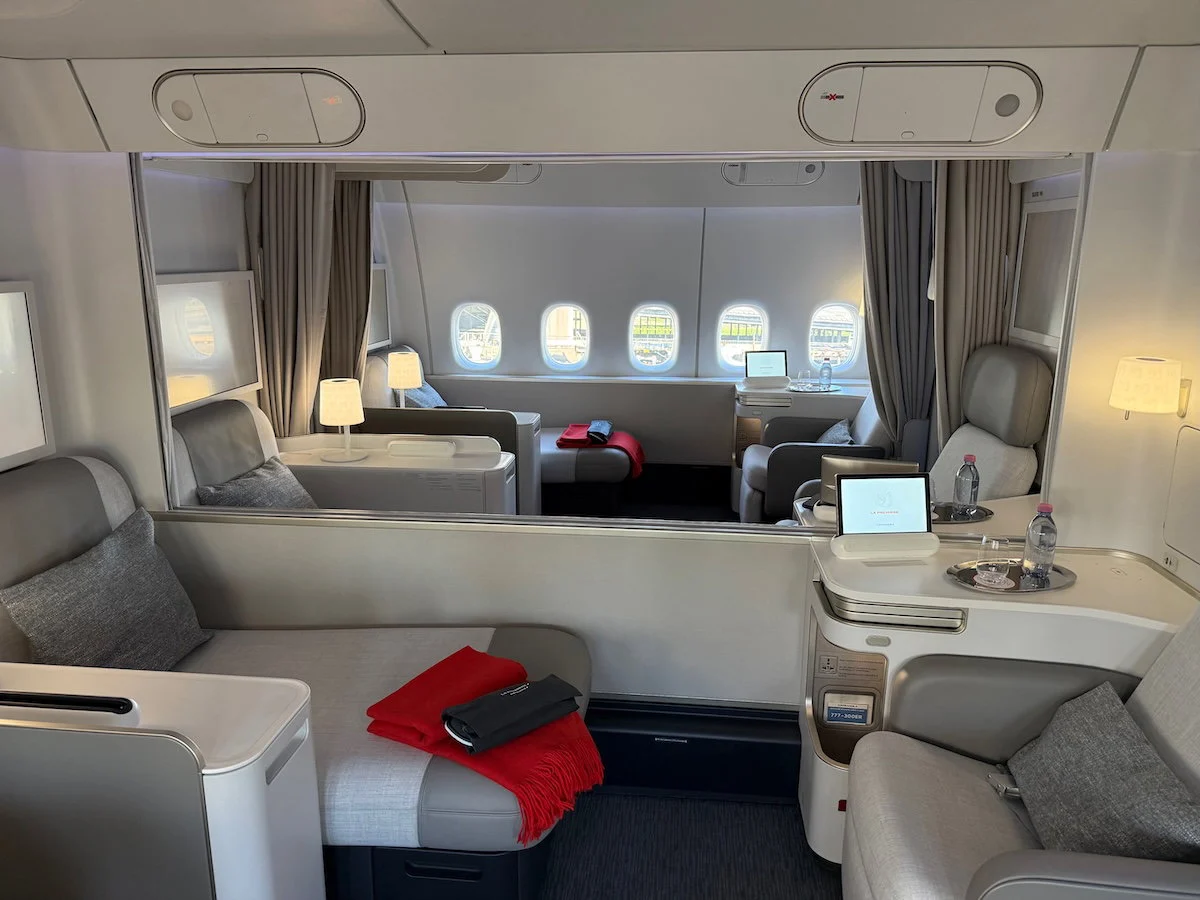
- First Class: Private suites equipped with a separate bed, reclining armchair, and personal wardrobe.
- Business Class: Next-generation private suites with direct aisle access and enhanced privacy doors.
- Premium Economy: Wider seats with dedicated legroom and ergonomic support designed for prolonged rest.
- Economy: Generously spaced rows offering superior pitch compared to standard long-haul configurations.
- The Wellbeing Zone: A dedicated, custom-designed communal area located between the premium economy and economy cabins, encouraging passengers to stretch, hydrate, and engage in light movement during the grueling flight.
Furthermore, advanced lighting programs will simulate circadian rhythm adjustments, while tailored nutritional menus and optimized cabin pressurization and humidity levels aim to ensure passengers arrive at their destination feeling significantly refreshed compared to traditional multi-leg itineraries.

Leadership Perspectives and Strategic Implications
Announcing the milestone, Qantas Group CEO Vanessa Hudson emphasized the historical significance of bridging the geographic divide between Australia and the United States.
"Conquering the tyranny of distance has been part of who Qantas is from the very beginning," Hudson stated. "Reaching New York non-stop completes a vision we set out many years ago, and it’s a moment of enormous pride for the thousands of our people who have been working hard to make Project Sunrise a reality."
Hudson added that the meticulous design of the aircraft and the onboard product reflects a fundamental philosophy regarding ultra-long-haul operations. "Flying these distances is only worth doing if our customers arrive feeling their best, and that belief has shaped everything we’ve built. Over the past decade, working alongside experts, we’ve designed the aircraft and the onboard experience around the science of ultra long-haul travel, from the lighting to the meals to a world-first Wellbeing Zone. This is a fundamentally different way to fly."
Industry analysts note that Project Sunrise represents a calculated commercial gamble. Qantas is widely expected to price these premier nonstop tickets at a roughly 20 percent premium over standard one-stop itineraries, testing the willingness of corporate and leisure travelers to pay for maximum efficiency and time savings. Whether the market embraces this premium pricing model will depend heavily on the perceived value of bypassing intermediate hubs like Auckland, Los Angeles, or San Francisco.
As the August 2027 ticket sales window approaches, anticipation continues to build across the aviation sector. With London and New York secured as the foundational pillars of Project Sunrise, Qantas is poised to redefine ultra-long-haul commercial travel, setting a new benchmark for global connectivity that will be scrutinized by airlines worldwide.







Leave a Reply