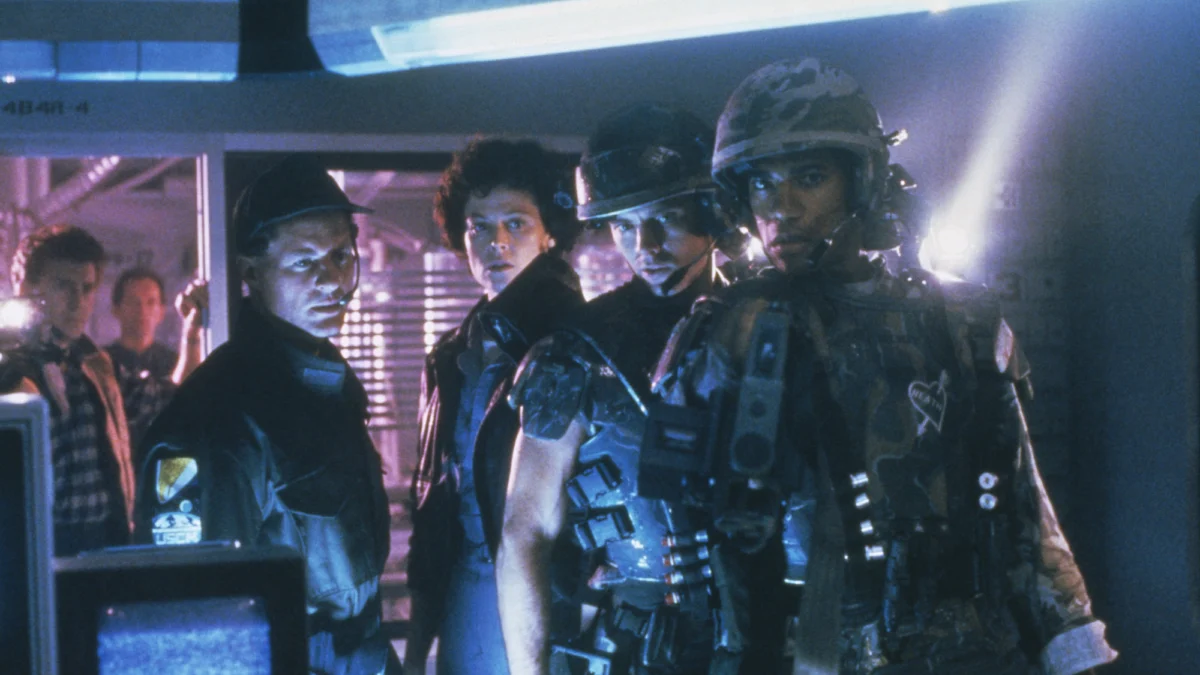
The legacy of James Cameron’s 1986 science fiction action film, "Aliens," is that of an undisputed triumph, a sequel that not only matched but arguably surpassed its groundbreaking predecessor. However, the journey from concept to cinematic masterpiece was a tumultuous one, fraught with studio indecision, creative clashes, and near-fatal budgetary disputes. This is the untold story of how "Aliens" nearly became a casualty of Hollywood’s often-treacherous production landscape, a testament to the resilience of its creative forces and the enduring power of compelling storytelling.

A Bold Shift in Genre: From Horror to High-Octane Action
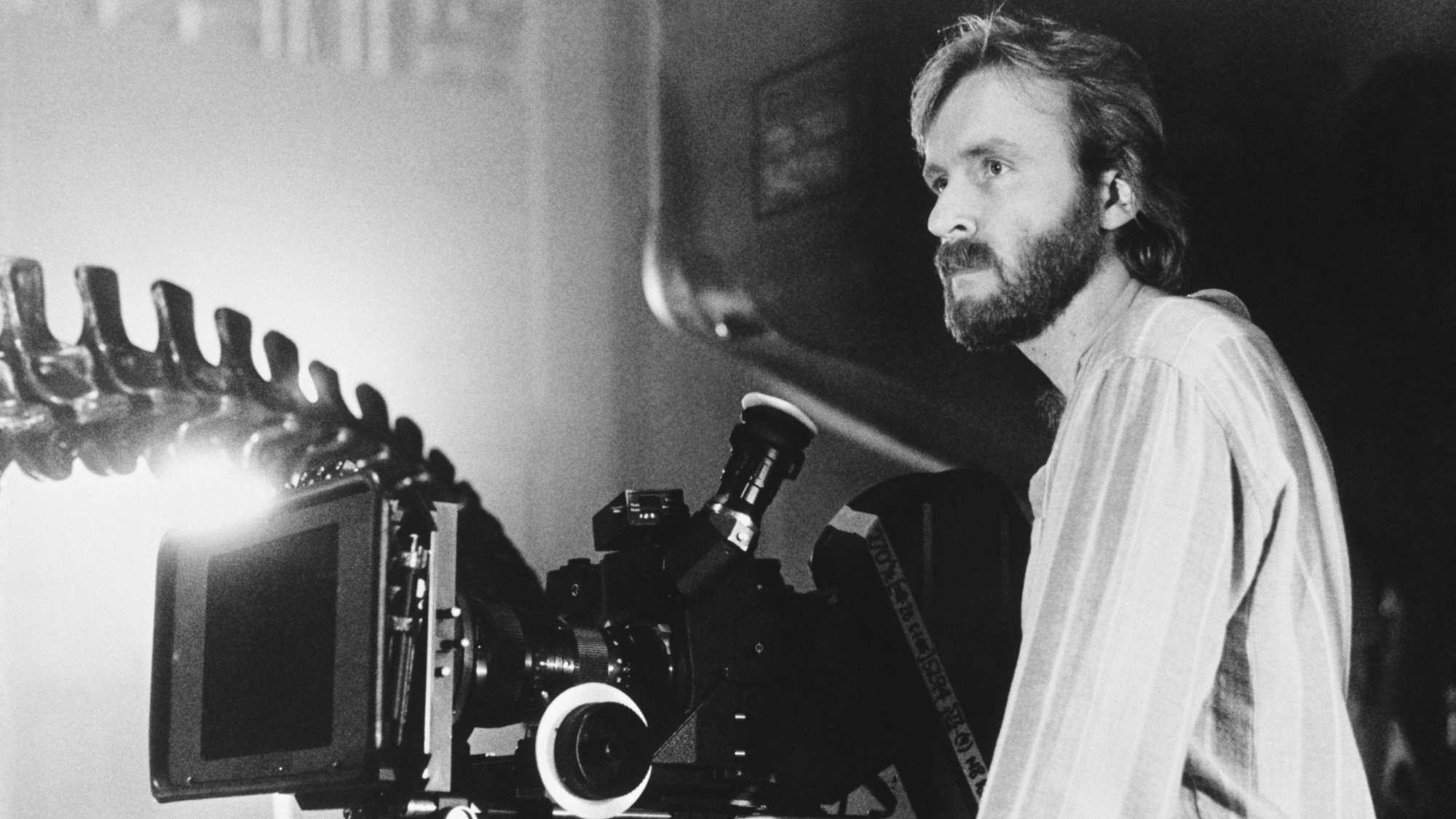
James Cameron, a director already making waves with "The Terminator," envisioned "Aliens" not as a direct replication of Ridley Scott’s claustrophobic horror, but as a deliberate evolution of the franchise. As Cameron himself articulated in an interview with Lofficier, his intention was to craft a film that, while retaining its frightening elements, would pivot towards a more intense and "exhilarating" experience. This strategic shift from pure horror to action-tinged sci-fi was crucial in expanding the appeal of the "Alien" universe and setting a new benchmark for sequels. The original 1979 film, "Alien," had established a terrifying foundation, introducing the world to the iconic Xenomorph and Ellen Ripley, a survivor who would become one of cinema’s most formidable female protagonists. "Aliens" picks up 57 years after the events of the first film, with Ripley, now living in cryosleep and haunted by her past encounters, being awakened to a new threat. The discovery of a colony on LV-426, the very planet where the Nostromo met its doom, ignites a desperate mission to investigate the colonists’ sudden silence.
The Shadow of Doubt: Fox’s Hesitation and Near Misses
Despite the critical and commercial success of "Alien" – which, on paper, was a significant profit generator – Hollywood accounting practices created a peculiar situation where the film was, by some internal metrics, deemed less successful than anticipated. This financial ambiguity cast a long shadow over the prospects of a sequel. 20th Century Fox, the studio behind the original, found itself in a state of indecision, reportedly even considering selling the rights to the "Alien" franchise. In a bizarre turn of events, the studio nearly entered into discussions with the producers of "Rambo," a proposition that, while offering a darkly humorous "what-if" scenario of John Rambo battling Xenomorphs, highlighted the studio’s lack of clear direction for the franchise. This period of uncertainty persisted for years, with the potential for a sequel hanging precariously in the balance.

Cameron’s Vision Takes Shape: The 1983 Treatment
The tide began to turn with the burgeoning success of James Cameron’s "The Terminator" in 1984. This critically acclaimed film demonstrated Cameron’s prowess in crafting intense, character-driven science fiction narratives. Recognizing his talent, 20th Century Fox approached him to develop a treatment for a potential "Alien" sequel. In an astonishing feat of creative output, Cameron, in just three days in 1983, produced a 45-page document that laid the groundwork for what would become "Aliens." This treatment, accessible online, already contained the core narrative elements, including the return of Ellen Ripley, the establishment of a military response, and the introduction of a hive of Xenomorphs. However, even with this compelling blueprint, Fox remained hesitant, reportedly seeking more reasons to shelve the project than to greenlight it.
A Producer’s Persistence and the Return of the Director
The crucial turning point in bringing "Aliens" to fruition came with the unwavering advocacy of producer Larry Gordon. Gordon recognized the immense potential of Cameron’s vision and tirelessly championed the sequel within the studio’s executive corridors. His persistence was instrumental in overcoming Fox’s reservations. Following the success of "The Terminator," Cameron was officially brought back as writer-director. He was joined by his then-girlfriend and future wife, Gail Anne Hurd, who also became a key producer on the film, lending her considerable expertise to the project. Their combined creative drive and business acumen proved vital in navigating the labyrinthine Hollywood system.
Budgetary Battles and the Fight for Sigourney Weaver
With Cameron and Hurd fully invested, the next major hurdle was securing an adequate budget. Cameron’s team estimated the production cost at $15.5 million, a figure that Fox’s financial analysts viewed with skepticism, projecting a much higher expenditure closer to $35 million. This discrepancy led to a significant standoff. Fox initially offered a mere $12 million, a figure so low that Cameron and Hurd famously walked away from the project, stating their intention to pursue other opportunities. It was again Larry Gordon who intervened, negotiating with studio executives to bridge the financial gap and secure the necessary funding.
The budgetary negotiations were closely followed by a critical crisis concerning the film’s lead. Fox, in a move that now seems unfathomable, suggested proceeding with the sequel without Sigourney Weaver, the very heart of the franchise. This proposal was met with disbelief, as it fundamentally undermined the established narrative and character arc. Cameron, who had assumed Weaver was contractually obligated for a sequel, discovered this was not the case. He then embarked on a mission to convince Weaver to return. While their initial meeting was reportedly positive, Weaver’s agents demanded a substantial payday, a figure that Fox was initially unwilling to meet. This impasse led Cameron and Hurd to once again threaten to walk away, emphasizing their commitment to making the film only with Weaver in the lead.
In a stroke of strategic brilliance, Cameron employed a rather audacious tactic. Knowing that Weaver shared representation with Arnold Schwarzenegger, he contacted Schwarzenegger’s agent, informing him that he was about to begin rewriting the "Aliens" script to entirely remove Ripley’s character. This calculated gambit, designed to create urgency and highlight the potential loss of a key asset, proved remarkably effective. News of Cameron’s intent spread rapidly, and within 12 hours, a deal was struck. Cameron confirmed to GQ years later that he never actually wrote a word of the hypothetical script without Ripley, the maneuver serving its purpose to secure Weaver’s participation and her demanded salary, reportedly around $1 million. This negotiation, while tense, ultimately ensured that the franchise’s most vital character would continue her fight.
From Script to Screen: A Smoother Production, A Director’s Cut
With the budgetary and casting concerns resolved, the production of "Aliens" in 1985 proceeded with remarkable efficiency. Under Cameron’s assured direction, the film largely adhered to its schedule and budget, a rarity in major Hollywood productions. The primary challenge that emerged was post-production, specifically the film’s runtime. Fox executives, eager to maximize theatrical screenings, pushed for a two-hour runtime. Cameron, after meticulously trimming superfluous scenes, found it difficult to reach this target without compromising the narrative integrity. He argued that further cuts would irrevocably damage the story. Ultimately, the studio relented, recognizing the strength of Cameron’s artistic vision and allowing the film to retain its more robust runtime, a decision that proved instrumental to its critical reception.
The Enduring Impact: Redefining the Sci-Fi Sequel
The release of "Aliens" in 1986 was met with widespread critical acclaim and significant box office success. Renowned film critic Roger Ebert lauded it as "a superb example of filmmaking craft," a sentiment echoed by audiences and critics alike. The film’s success cemented James Cameron’s reputation as a master of the sequel and demonstrated a viable path for franchises to evolve beyond their original genre. "Aliens" established a new paradigm, shifting the focus from suspenseful horror to exhilarating, character-driven action within a science fiction framework. This approach became a blueprint for subsequent installments in the "Alien" saga and influenced a generation of sci-fi action films.
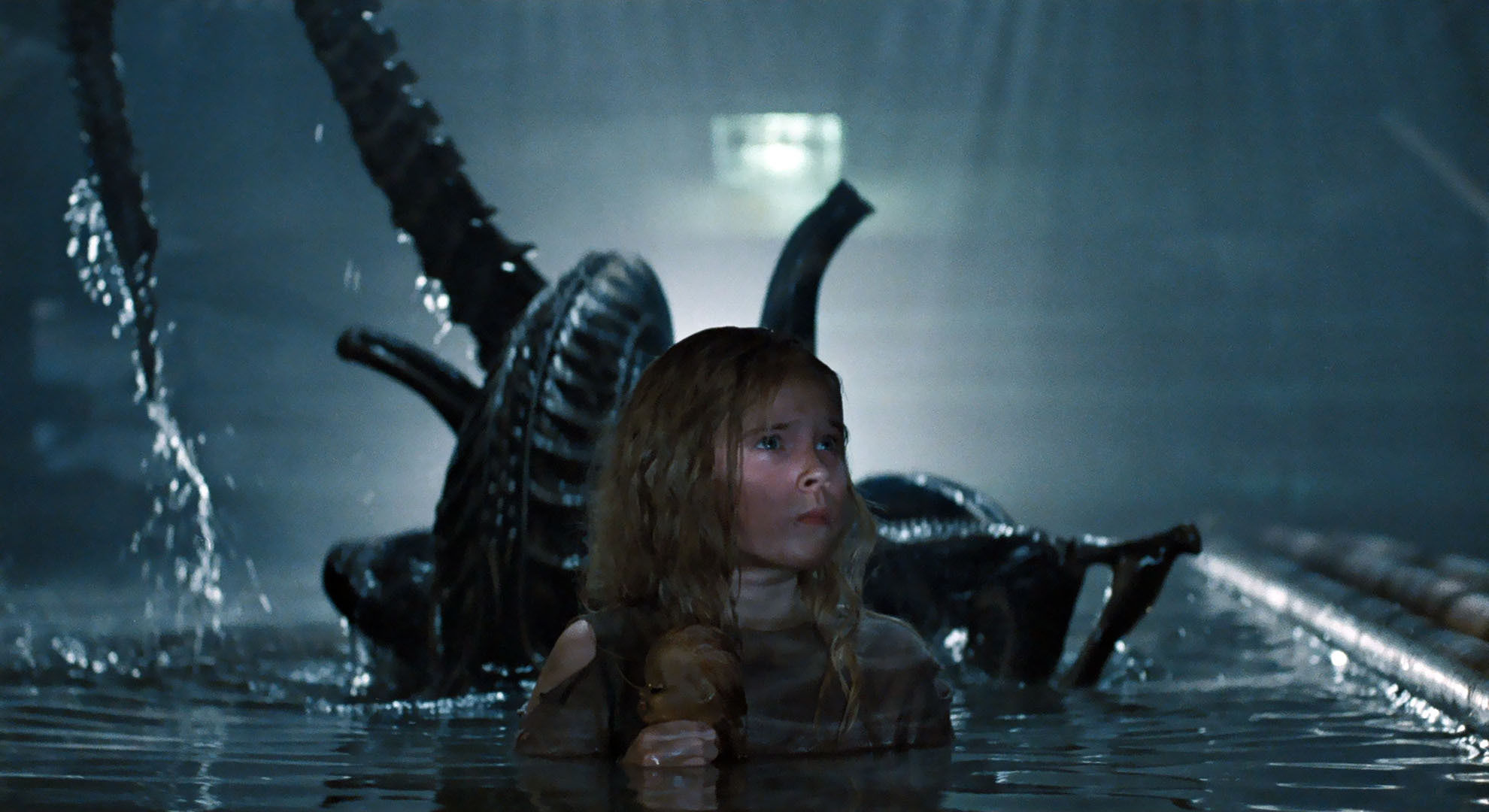
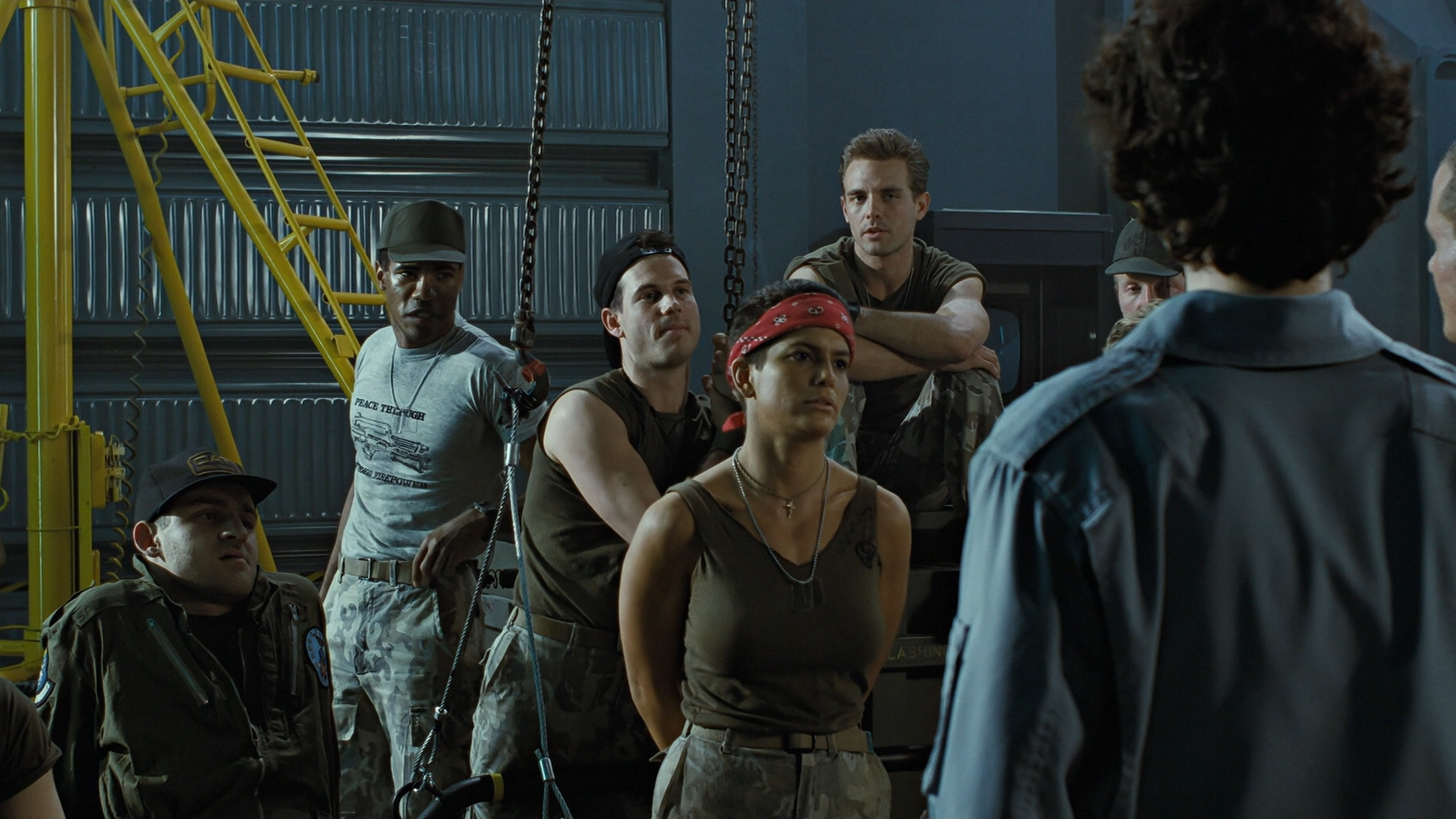
The film’s legacy extends beyond its genre innovations. It solidified Ellen Ripley as an enduring icon of female empowerment in cinema, a character who faced unimaginable horrors and emerged as a hardened, resourceful survivor. The introduction of a squad of Colonial Marines, though often portrayed with dark humor, provided a formidable counterpoint to Ripley’s solitary struggle in the first film, adding new layers of character interaction and combat scenarios. The meticulous world-building, from the grimy industrial aesthetic of Hadley’s Hope to the menacing architecture of the Xenomorph hive, further enriched the universe.
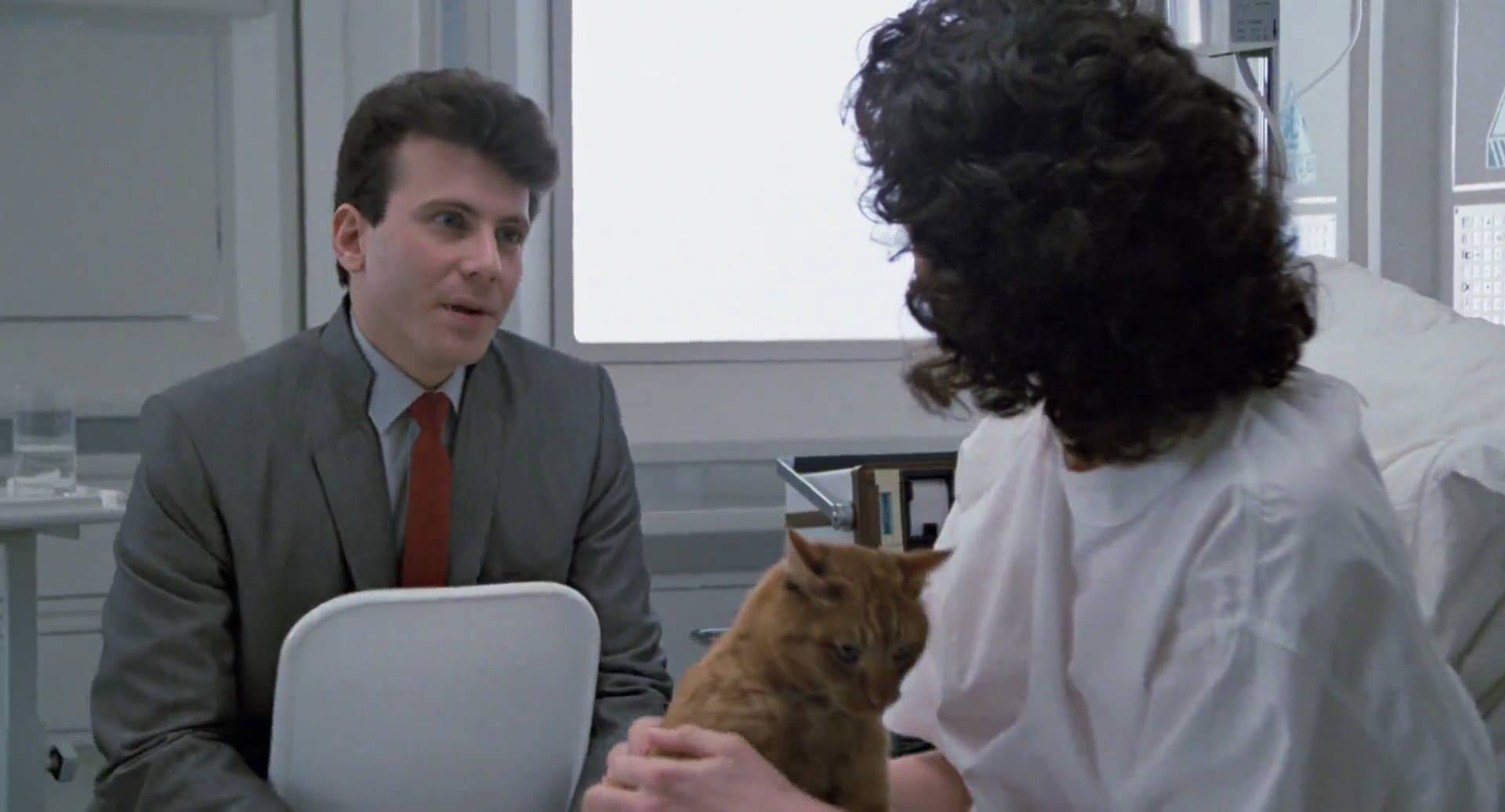
Looking back, the near-collapse of "Aliens" serves as a potent reminder of the unpredictable nature of filmmaking. The studio’s initial hesitations, budgetary disputes, and near-abandonment of its central character underscore the immense challenges faced by filmmakers in bringing ambitious projects to fruition. Yet, it was the unwavering vision of James Cameron, the tenacity of producers like Larry Gordon and Gail Anne Hurd, and the iconic performance of Sigourney Weaver that ultimately triumphed. "Aliens" stands not only as a landmark achievement in science fiction cinema but also as a compelling narrative of creative perseverance against the odds, proving that even in the face of studio bureaucracy and financial anxieties, a truly exceptional story can find its way to the screen. The echoes of its success continue to resonate, a testament to its enduring power and its place in cinematic history.