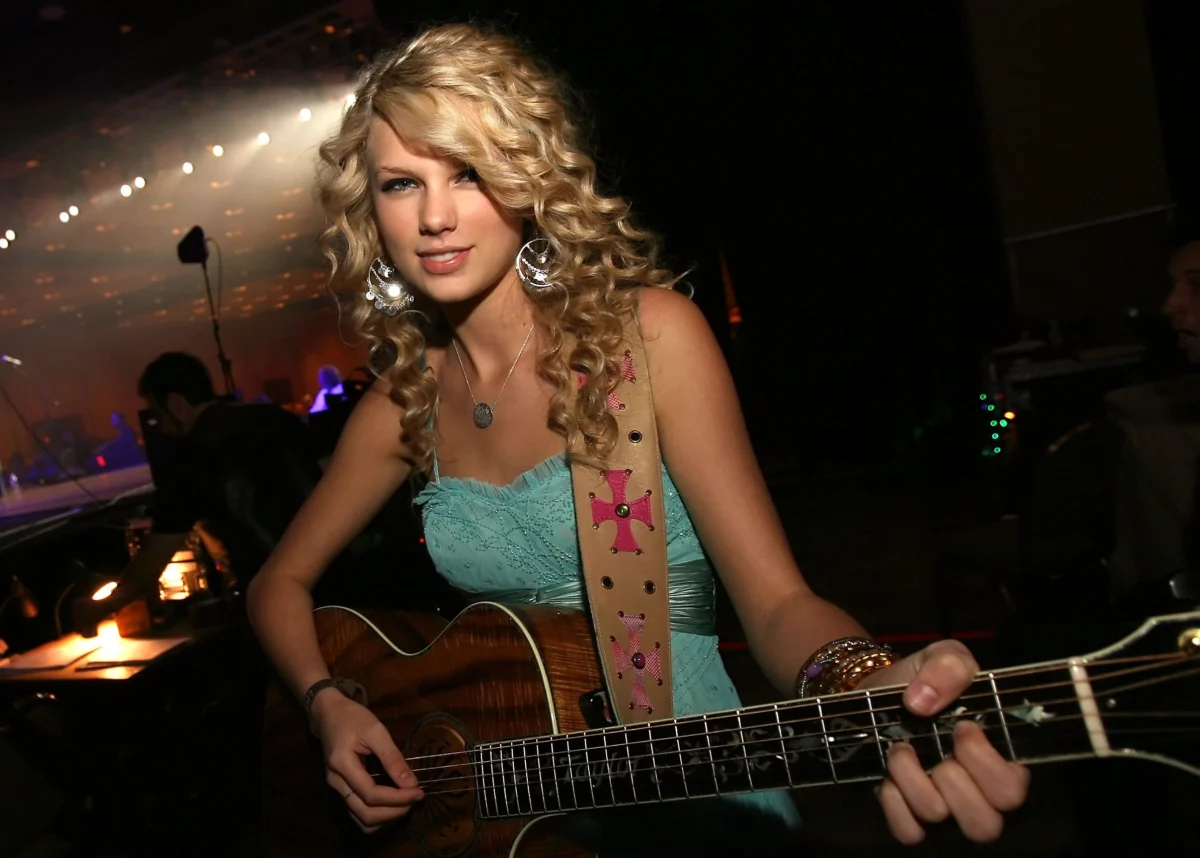
October 24, 2026, marks two decades since the release of the self-titled debut album by Taylor Swift, a record that served as the foundational stone for one of the most significant careers in music history. Released in 2006 when Swift was just 16 years old, the album arrived at a time when the music industry was grappling with the decline of physical sales and the rapid, often chaotic, transition to digital consumption. While it was initially marketed as a country project, the record’s enduring legacy lies in its role as a bridge between traditional Nashville storytelling and the global, confessional pop paradigm that defines contemporary culture.
A Modest Beginning in a Changing Industry
In late 2006, the landscape of country radio was notoriously resistant to teenage artists, particularly female performers. Swift’s ascent was not an overnight success; it was the result of a deliberate, grassroots campaign. At the time, her team operated out of a nascent label, Big Machine Records, which lacked the infrastructure and corporate backing of major Nashville institutions.
Early promotional efforts required unconventional tactics, including extensive regional radio tours and the utilization of MySpace to build a direct line of communication with listeners. Historical records from the era highlight that Swift’s team struggled to convince program directors to play a young woman who did not fit the established archetype of the country star. However, by the time the album reached its peak, it had defied industry expectations, eventually earning multi-platinum certifications and securing a place as a permanent fixture in the Billboard charts.
Chronology of an Unlikely Ascent
The trajectory of the album can be traced through key milestones that shifted the public perception of the artist:

- October 2006: The debut album is released, featuring lead single "Tim McGraw."
- Early 2007: Swift begins gaining traction in the country sphere, earning recognition at industry events such as the ACMs.
- January 2008: During a pivotal period for her career, Swift is nominated for Best New Artist at the Grammy Awards, signaling her crossover potential.
- Mid-2008: The success of "Our Song" and "Teardrops on My Guitar" at both country and pop radio formats proves that the "crossover" model is a viable commercial strategy.
- 2009 and Beyond: The commercial success of the debut sets the stage for "Fearless," the album that would solidify her transition from a country prospect to a global pop phenomenon.
The Songwriting Paradigm Shift
A central pillar of the album’s success was Swift’s insistence on writing her own material. In 2006, the Nashville system relied heavily on professional staff writers. Swift’s early rejection of the "development deal" model—which often required artists to record outside songs—was a radical stance for a teenager. By securing a deal with Sony/ATV Publishing at age 14, she proved that young artists could possess the technical skill to craft hits.
The conversational nature of her songwriting—exemplified by "Our Song," which she famously wrote for a high school talent show—provided a level of intimacy that resonated with her peer group. By including specific, granular details about high school life, social isolation, and early romantic experiences, Swift created a blueprint for what would later be termed "confessional pop." This approach forced other artists and songwriters to adopt more vulnerable, autobiography-driven lyrics to remain competitive in the market.
Economic and Cultural Implications
The economic impact of the 2006 debut was not immediately apparent to industry analysts at the time. However, retrospective data shows that the album was a major contributor to the stabilization of country music’s revenue during a period of industry-wide contraction. By attracting a younger demographic to the genre, Swift widened the market for country music, allowing it to compete more effectively with pop and rock.
Beyond the charts, the album’s success fundamentally altered the relationship between artists and fans. Swift’s commitment to long-form engagement—often spending hours after performances to sign autographs—fostered a level of brand loyalty that is now considered the gold standard in music marketing. This strategy not only sustained the album’s longevity but also created a self-sustaining ecosystem where fans felt personally invested in the artist’s trajectory.
Analysis: A Legacy of Autonomy
The broader implication of the album’s success is the shift in agency for young, female artists. Before 2006, the industry frequently utilized young stars as conduits for the visions of older producers and executives. Swift’s insistence on managing her career—from selecting singles to negotiating creative control—served as a catalyst for a new generation of artists who demanded ownership of their masters and their creative narratives.

Industry observers often point to the "anti-Britney" label applied to her in the mid-2000s, but this was a reductive assessment. In hindsight, Swift’s approach was less about being "anti" any existing star and more about establishing a template for the "self-made" archetype. She demonstrated that one could maintain a clean, relatable public image while simultaneously engaging in sophisticated, cut-throat business negotiations behind the scenes.
Contemporary Reflections
Two decades later, the music industry is vastly different. The rise of streaming and the total breakdown of genre barriers are often attributed to the groundwork laid by albums like this one. While the industry has since seen a proliferation of self-written, diary-style pop, it is the 2006 debut that remains the primary case study for how to build a career on the foundation of authentic—and specifically detailed—songwriting.
Despite the monumental success that followed, Swift has historically chosen to let the legacy of the debut speak for itself rather than indulging in excessive re-releases or nostalgic pandering. This restraint has arguably kept the album’s original intent intact, preserving it as a snapshot of a 16-year-old girl navigating the Nashville industry.
As of October 2026, the industry continues to look toward the debut as a benchmark for success. For aspiring songwriters, the record serves as a reminder that specific, intimate storytelling can have universal, global appeal. As the artist herself noted during her early years, the goal was never to fit into a pre-existing box but to create a new one. Twenty years later, that objective has been achieved, and the influence of that singular, formative project continues to resonate across the global music landscape.