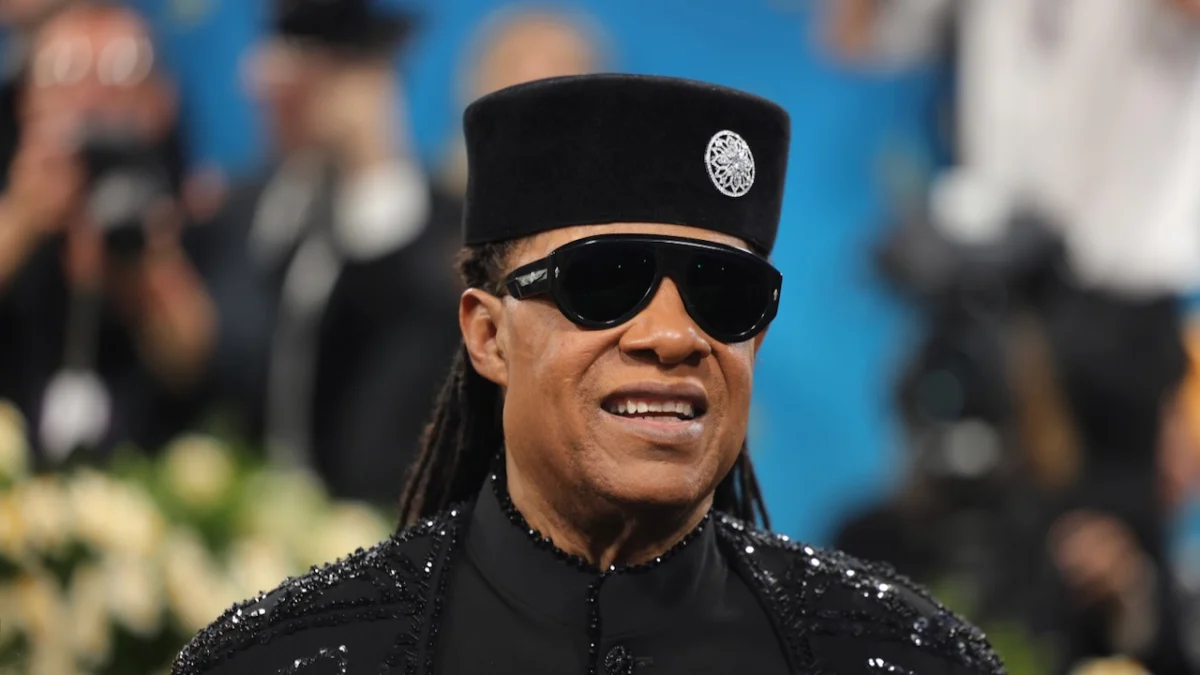
The legendary musical icon Stevie Wonder has initiated formal legal proceedings to regain possession of a residential property in the Hollywood Hills, marking a contentious end to an arrangement that has spanned nearly four decades. The lawsuit, filed on Thursday, October 22, 2026, seeks the eviction of Carmen Efferson, a woman once engaged to the singer, who has occupied the three-bedroom home without paying rent since 1988. This legal maneuver brings an abrupt halt to a long-standing oral agreement that had persisted through several decades of the artist’s career.
The Genesis of the Dispute
The conflict reached a breaking point during a routine administrative process related to the management of Wonder’s real estate portfolio. According to court filings, representatives for the singer were tasked with conducting a property inspection, a standard requirement for the renewal of homeowner’s insurance policies. When Wonder’s legal counsel, David Huff, reached out to facilitate this inspection, he was met with a blunt refusal from Efferson.
The subsequent correspondence between Efferson and Huff highlights a profound breakdown in communication. In an email sent to the attorney, Efferson reportedly rebuffed the request for entry in explicit terms, stating, "fuck the fuck off." Furthermore, she characterized the request as an act of harassment, citing systemic grievances. "Your racist [sic] coldblooded ‘white male privilege’ tone (again with you). I am feeling harassed," Efferson wrote. "Regarding your ORDERS of entering into the place where I am living, I do not consent. Do not make any attempt to make any kind of contact with me."
Following this exchange, the legal team representing the 25-time Grammy Award winner formally notified Efferson that the long-standing oral agreement regarding her residency was terminated. Despite being served with a formal notice to vacate, Efferson remained in the residence, necessitating the current litigation to resolve the matter through the California court system.
A Chronology of the Arrangement
The relationship between Wonder and Efferson dates back to the 1980s, a period when Wonder was at the height of his international superstardom. The oral agreement, established in 1988, allowed Efferson to reside in the Hollywood Hills property without the burden of monthly rental payments. For 38 years, the arrangement functioned without public incident, effectively operating as a private life-estate arrangement.
However, the legal landscape regarding real estate in California is notoriously complex, particularly regarding "oral leases." Under California law, while oral agreements can be legally binding, they are subject to strict limitations. Generally, a lease for a period longer than one year must be in writing to be enforceable under the Statute of Frauds. By failing to formalize the agreement in writing over the course of nearly four decades, both parties left the arrangement vulnerable to the volatility of shifting personal and professional circumstances.
Contextualizing the Property and Legal Strategy
The property in question is located in the Hollywood Hills, a highly desirable enclave known for its privacy and market value. Real estate experts note that in high-net-worth property management, insurance inspections are non-negotiable requirements. When an occupant refuses access, it places the property owner in a position of legal and financial liability, as insurance carriers may void policies if they cannot verify the structural integrity or safety status of the premises.
The lawsuit filed by Wonder’s camp is a strategic move to reassert control over his assets. By filing for an unlawful detainer, the legal team is signaling that the era of informal occupancy has ended. In California, an unlawful detainer lawsuit is a summary proceeding designed to allow a landlord to regain possession of a property quickly. The process typically involves a court hearing where a judge determines whether the occupant has a legal right to remain. Given that the original agreement was oral and has been formally revoked, the legal burden for Efferson to remain in the home is significant.
The Impact of Celebrity Real Estate Management
This case underscores the inherent risks of managing real estate for celebrities, who often hold extensive property portfolios. Personal relationships, even those that have long since concluded, often result in complex housing arrangements that are rarely documented with the same rigor as commercial transactions.
Legal analysts suggest that this case could serve as a cautionary tale for high-net-worth individuals who allow friends, family, or former partners to occupy property without written contracts. Without a clear lease agreement—which would define the duration of occupancy, maintenance responsibilities, and termination clauses—the owner remains vulnerable to protracted legal battles when the relationship inevitably sours or when the owner simply wishes to liquidate or reclaim the asset.
Professional and Personal Background
Stevie Wonder is currently occupied with a significant milestone in his career: the 50th-anniversary tour of his seminal 1976 album, Songs in the Key of Life. The album is widely considered one of the greatest works in the history of popular music, having won the Grammy Award for Album of the Year and solidified Wonder’s status as a cultural icon.
The juxtaposition of this celebratory professional tour with a high-profile eviction battle highlights the contrast between the artist’s public image of warmth and universal love and the harsh realities of private asset management. As Wonder continues to perform for thousands of fans, his legal team is working to untangle the nearly four-decade-old tie to a residence that has become a point of legal contention.
Implications and Next Steps
As the litigation proceeds, the court will likely focus on whether the revocation of the oral agreement followed proper legal protocols. In California, a "notice to quit" must be served correctly, and the subsequent lawsuit must prove that the occupant no longer has a legal right to possession.
While Efferson has expressed that she feels harassed, the legal system generally prioritizes the property owner’s rights in cases where an oral agreement is revoked, provided that adequate notice has been given. There have been no public statements from Wonder himself, as he continues to rely on his legal counsel to navigate the dispute.
For the public, this case serves as an unusual glimpse into the private affairs of one of the world’s most beloved musicians. It also highlights the importance of legal clarity in personal relationships. As the case moves toward a potential court date, the music industry and the public will be watching to see how the court balances the long history of the personal arrangement against the contemporary legal rights of property ownership.
The case of Wonder v. Efferson remains ongoing in the Los Angeles County court system, with further filings expected in the coming weeks as both parties prepare their arguments regarding the legitimacy and termination of the 1988 arrangement.