As escalating anxieties grip the Middle East over the looming threat of a renewed, all-out military conflict between Iran, Israel, and the United States, diplomatic channels remain precariously open. With high-stakes national elections fast approaching in both Israel and the United States, Iranian officials have publicly affirmed that backchannel communications via international intermediaries are still active. Tehran insists that while it rejects what it characterizes as uncompromising unilateral ultimatums, it remains fundamentally open to a diplomatic resolution. Meanwhile, U.S. President Donald Trump has offered mixed signals regarding immediate military action, stating that a strike against the Islamic Republic would not occur "today," even as regional maritime and aerial routes remain on the highest state of alert.
This fragile diplomatic dance unfolds against a deeply volatile backdrop that stretches from the embattled Gaza Strip and the occupied West Bank to the skies above Riyadh and the besieged urban center of Taiz in Yemen. Humanitarian developments, including the resumption of detainee list exchanges between Israel and the International Committee of the Red Cross (ICRC), offer a small window of relief amidst persistent violence. However, regional actors, international organizations, and global powers continue to navigate a labyrinth of converging crises that threaten to ignite a broader conflagration.
Diplomatic Maneuvers and Intermediary Channels
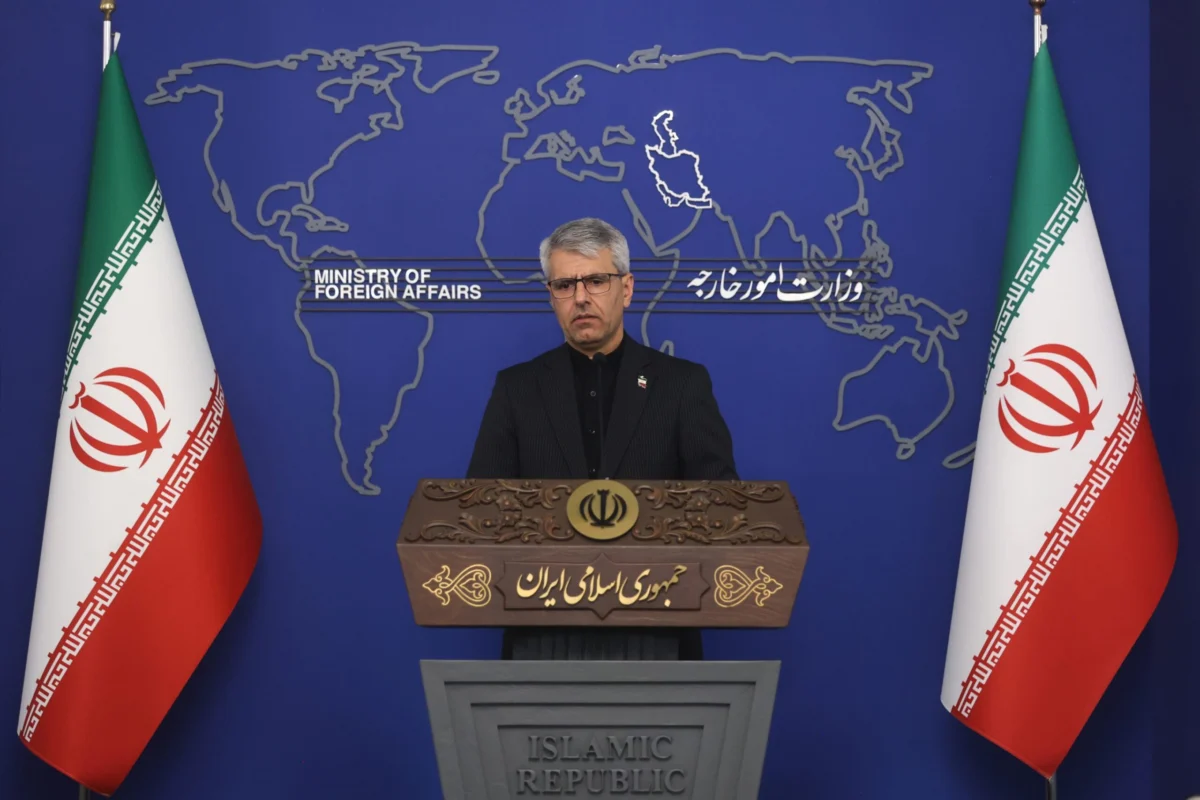
Speaking to international media outlets through state-backed channels, Iranian Foreign Ministry Spokesperson Esmail Baghaei articulated Tehran’s current diplomatic posture. Baghaei emphasized that the window for negotiation has not been permanently shut, noting that diplomatic messaging continues to pass between Washington and Tehran via third-party intermediaries. However, these ongoing contacts face severe structural hurdles. Tehran has forcefully rejected what Baghaei described as persistent unilateral demands from the United States, specifically taking issue with the repeated invocation of "complete surrender" by American officials—a term he asserted no sovereign Iranian government could ever accept.
The diplomatic friction is further compounded by domestic political timelines. Citizens across Iran, Israel, and the broader region are watching the political clock wind down toward crucial electoral events. Analysts suggest that political leadership in multiple capitals is currently operating under the dual pressures of projecting strength to domestic electorates while attempting to calculate the strategic risks of pre-emptive military escalation.
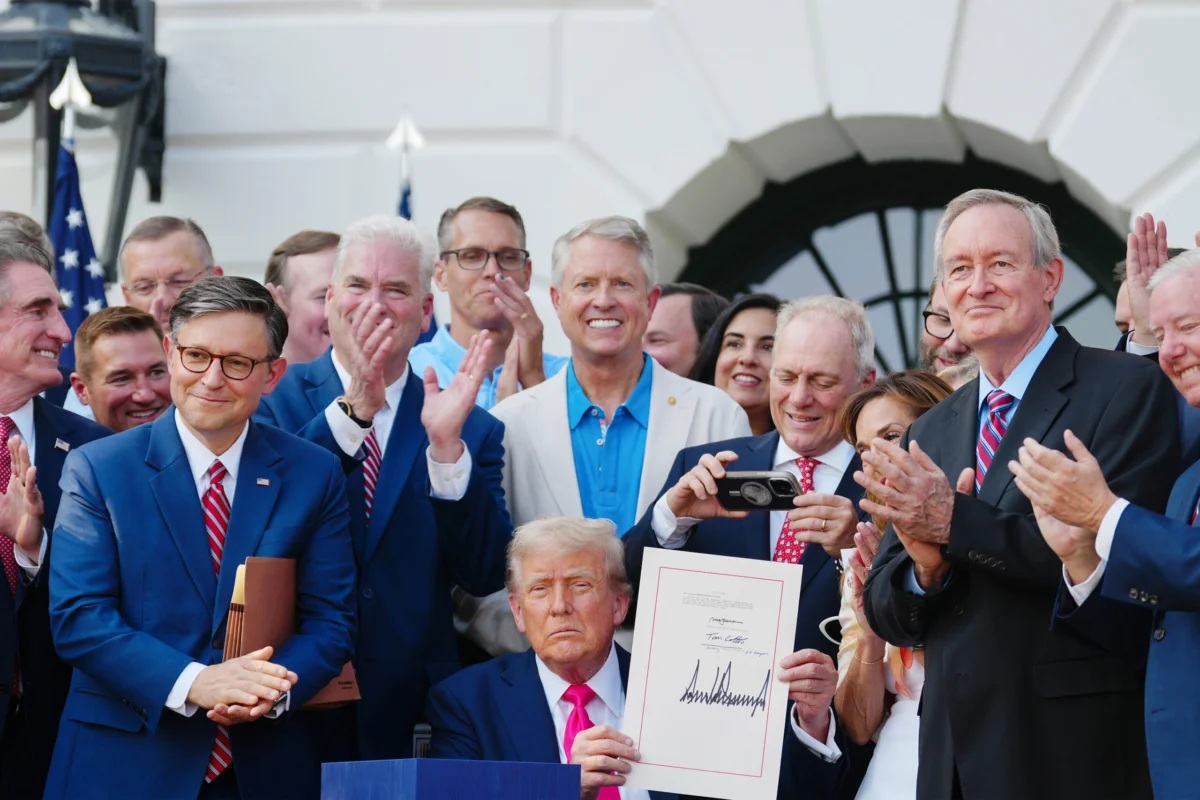
While Iranian leadership signals a theoretical willingness to engage, U.S. and allied postures remain heavily militarized. President Trump, when questioned by reporters regarding the likelihood of a direct military strike against Iranian targets, initially sidestepped the query by stating that telegraphing military moves would be strategically unwise. He subsequently clarified his administration’s immediate posture, declaring, "No. There will not be a strike today."
Concurrently, the operational posture of the U.S. military in the region underscores the acute state of readiness. Admiral Brad Cooper, commander of U.S. Central Command, recently underscored the vital economic and strategic stakes involved by highlighting maritime security operations in the Strait of Hormuz. According to Central Command metrics, over 3,000 commercial vessels have successfully transited the critical waterway under the protective umbrella of U.S. naval support over the past six months, reflecting the persistent economic vulnerabilities tied to the geopolitical standoff.
Israeli Electoral Warnings and Defense Readiness
In Israel, Prime Minister Benjamin Netanyahu has heightened public alert levels, warning that Iran or its regional proxy network might attempt a disruptive military strike designed to interfere with upcoming national elections. Citing classified intelligence assessments, Netanyahu cautioned that hostile actors could seek to exploit the electoral window to achieve strategic surprise.
Visiting an advanced anti-ballistic missile defense battery, Netanyahu projected an uncompromising posture in a televised video address. "The IDF is ready both to defend and to strike," the prime minister declared, issuing a stark warning to adversaries: "You will suffer disproportionate blows far greater than you can imagine."
This heightened defense posture reflects a broader calculus within Israeli security circles. Following the multi-front escalations that have characterized the region since the Hamas-led attacks of October 7, 2023, the Israeli military has maintained an extensive defensive network designed to intercept ballistic missiles, drones, and asymmetric attacks launched from multiple theaters, including Lebanon, Yemen, and Iranian territory itself.
Humanitarian Developments: ICRC Resumes Detainee Lists
Amidst the geopolitical standoff, a significant humanitarian development emerged regarding the welfare of Palestinian detainees. The International Committee of the Red Cross (ICRC) confirmed that it has begun receiving administrative lists detailing Palestinian detainees held by Israeli authorities from the occupied West Bank and the Gaza Strip.
This resumption follows a legal mandate issued earlier this year by the Israeli Supreme Court, which ordered the government to reinstitute the sharing of detainee lists and to facilitate ICRC prison visits. These monitoring mechanisms had been abruptly suspended following the outbreak of the war in October 2023.
ICRC spokesperson Gilad Grossman noted that while the systematic transfer of documentation has recommenced, physical prison visits have not yet been fully authorized to resume. "We hope that we will resume [visits] in the near future," Grossman stated, emphasizing the urgency of assessing conditions inside detention facilities.
In the wake of the October 7 attacks, Israeli security forces detained thousands of individuals across the West Bank and Gaza. While a subset of detainees was released during previous temporary ceasefires and hostage-exchange agreements, human rights organizations estimate that approximately 9,000 Palestinians remain imprisoned or detained under increasingly scrutinized conditions. Legal advocates and international observers continue to press for expanded access and adherence to international humanitarian standards regarding detention practices.
Continued Aerial Threats and Infrastructure Disruptions in Saudi Arabia
The regional spillover of the conflict was once again underscored by kinetic events on the Arabian Peninsula. In Saudi Arabia, King Khalid International Airport in Riyadh announced the reopening of Terminals 1 and 2 for both domestic and international air traffic. However, this resumption of normal civil aviation operations occurred against the backdrop of persistent aerial attacks launched by Iran-backed Houthi forces from neighboring Yemen.
Saudi military spokesman Major General Turki al-Malki reported that Royal Saudi Air Defense forces successfully intercepted and destroyed an inbound ballistic missile and an armed drone targeting the Saudi capital. Despite the successful interceptions, falling debris continues to pose a severe hazard to civilian infrastructure and populations.
In the southern Saudi governorates of Khamis Mushait and Ahad Rafida, local civil defense authorities confirmed that debris from intercepted ballistic missiles caused localized damage and casualties. Two individuals—a Saudi citizen and a resident of an unspecified Asian nationality—sustained injuries from falling shrapnel. Official reports indicated that the falling debris damaged three residential or commercial buildings and seven civilian vehicles, highlighting the persistent dangers faced by civilian populations far removed from the primary front lines.
These incidents follow a devastating precedent set earlier in the month, when a Houthi strike successfully penetrated defensive perimeters to hit an airport complex housing two other terminals in Riyadh, resulting in 17 fatalities and over 330 injuries. The sustained frequency of these cross-border attacks has kept Saudi security forces on maximum alert.
Ground Operations and Casualties in the Gaza Strip
On the ground in the Gaza Strip, the humanitarian crisis deepened further as local health officials reported a new wave of Israeli military strikes resulting in civilian casualties. According to data compiled from major medical facilities—including Shifa, Hamad, Nasser, and Al-Aqsa hospitals, alongside an operating American field hospital—recent strikes claimed the lives of at least seven Palestinians.
Incidents reported across the enclave included strikes in Gaza City that resulted in four fatalities, an attack in the southern city of Khan Younis that killed two brothers, and a separate strike in the central town of Deir al-Balah that claimed one life.
The Israel Defense Forces (IDF) maintain that their ongoing operations are strictly targeted at neutralizing militant infrastructure and leadership. However, the cumulative human toll over the past year remains catastrophic. According to the Gaza Health Ministry—operating under the administration in Gaza—the cumulative death toll since the outbreak of hostilities has surpassed 1,500 individuals. While the ministry’s statistical reports do not consistently disaggregate civilian casualties from active combatants, international humanitarian organizations note that women and children constitute nearly half of the recorded fatalities.
International Diplomatic Appeals: The Situation in Yemen
The multifaceted humanitarian crises spanning the region drew renewed international attention, notably from the Vatican. Pope Leo XIV issued an urgent public appeal calling for an immediate cessation of hostilities in Yemen, specifically highlighting the catastrophic humanitarian conditions unfolding in the strategic city of Taiz.
Over one million residents in Taiz have endured a protracted siege imposed by Houthi forces, leading to critical shortages of essential supplies. "The population is suffering from a lack of food, water and medical care," the pope stated in a message shared across digital platforms. Local reports confirm that families inside Yemen’s third-largest city have resorted to strict water rationing, while severe supply chain disruptions and fuel shortages have caused consumer goods prices to skyrocket, pushing vulnerable urban populations to the brink of famine.
Libyan Leadership Responds to U.S. Political Rhetoric
Beyond the immediate theater of the Middle East, diplomatic ripples also reached North Africa, where political leaders in Libya voiced sharp objections to recent characterizations made by former U.S. President Donald Trump.
During a domestic campaign event in the United States, Trump criticized immigration policies by alleging that political opponents sought to open U.S. borders to "armies of migrants from terror-infested countries like Libya, Yemen, Haiti, Somalia."
The remarks drew swift and unified condemnation from Libya’s fractured political leadership. Prime Minister Abdulhamid Dbeibah, heading the Tripoli-based administration, publicly rejected "any affront" directed at the Libyan state or its citizenry, emphasizing the immense sacrifices made by Libyans in their ongoing national struggle against extremist groups and terrorism.
Concurrently, the self-styled Libyan National Army (LNA), representing rival authorities in the country’s east, issued a formal call for national institutions to lodge an official diplomatic protest against the remarks. Libya has remained locked in political division and institutional instability since the 2011 NATO-backed uprising and civil war that led to the overthrow of longtime ruler Moammar Gadhafi, leaving the country vulnerable to external rhetorical fallout and internal governance challenges.
Broader Implications and Strategic Outlook
As the Middle East stands at this critical juncture, the convergence of impending elections in Israel and the United States, persistent cross-border skirmishes involving Iran-aligned networks, and unresolved humanitarian crises in Gaza, Yemen, and Lebanon creates a volatile matrix of risk.
While diplomatic backchannels managed by international intermediaries offer a fragile lifeline to prevent total escalation, the margin for error remains razor-thin. Military readiness is at an apex, with naval patrols securing vital energy chokepoints like the Strait of Hormuz, air defense batteries operating on high alert from Riyadh to Tel Aviv, and civilian populations bearing the brunt of ongoing asymmetric and conventional engagements. Regional and international observers will closely monitor the coming days, as the outcomes of domestic political ballots and immediate military decisions are poised to dictate the trajectory of security and stability across the region for the foreseeable future.