
Telecommunications giant AT&T and major legacy carrier American Airlines have officially rolled out a high-value promotional campaign, offering current subscribers an easy pathway to accumulate loyalty currency. Under the terms of the newly announced cross-industry initiative, existing AT&T customers can secure 5,000 American Airlines AAdvantage miles simply by linking their respective telecommunications and frequent flyer accounts.
While the offer is designed to appeal to a broad base of consumers looking to boost their travel rewards balances, the promotion operates on a strict tier-based availability cap. The full allotment of 5,000 bonus miles is exclusively reserved for the first 65,000 eligible customers who successfully complete the account-linking process. Once this initial threshold is reached and the cap is exhausted, the promotional payout will be permanently reduced by half, dropping to a still-respectable 2,500 miles for subsequent participants.
This strategic collaboration underscores the growing trend of non-airline corporate partnerships within the travel loyalty sector. By blending telecommunications services with premier airline frequent flyer programs, both corporations aim to capture higher customer engagement, drive brand loyalty, and incentivize cross-platform utilization.
Eligibility Requirements and Fine Print
Participation in the AT&T and American Airlines promotional offer is subject to specific criteria designed to filter out ineligible accounts and ensure precise alignment between both corporate databases.
To qualify for the mileage bonus, consumers must maintain an active AT&T postpaid wireless account, AT&T Fiber subscription, or AT&T Internet Air service. Customers utilizing prepaid cellular options, Cricket Wireless—a wholly-owned subsidiary of AT&T—and AT&T OneConnect services are strictly excluded from the promotion. Furthermore, the promotional guidelines mandate a strict matching rule: the first and last name registered on the customer’s AT&T billing profile must precisely match the name on their American Airlines AAdvantage frequent flyer account. Discrepancies in naming conventions, middle initials, or maiden names may result in failed account-matching attempts, barring subscribers from receiving their allocated bonus miles.
Industry observers note that while the administrative hurdle of matching profile details is relatively minor, it serves as an essential security and verification measure to prevent fraudulent sign-ups and duplicate account claims.

Background Context of the Corporate Alliance
The partnership between AT&T and American Airlines is not an isolated marketing gimmick, but rather the latest iteration of a deeply integrated commercial relationship. AT&T maintains a substantial corporate financial commitment to American Airlines, historically underwriting various passenger-facing amenities. Most notably, AT&T has served as the corporate sponsor for onboard Wi-Fi services across American Airlines’ mainline and regional fleets, providing connectivity to millions of travelers annually.
However, behind the consumer-facing Wi-Fi sponsorships lies a more complex financial and operational ecosystem. While AT&T brand messaging frequently accompanies the rollout of inflight connectivity, the underlying commercial mechanics often involve co-marketing agreements with major financial institutions—chiefly Citibank, American Airlines’ primary co-branded credit card issuer.
Airlines derive a significant portion of their operational profitability not strictly from selling seats, but from the sale of frequent flyer miles to third-party partners, including banks, hotel chains, and telecommunications firms. By partnering with massive consumer-facing enterprises like AT&T, American Airlines successfully feeds the top of its AAdvantage enrollment funnel. Encouraging everyday consumers to link utility and telecom accounts establishes a direct communications channel, paving the way for targeted marketing campaigns designed to transition casual program members into lucrative co-branded credit cardholders.
Chronology of the Promotion and Strategic Rollout
The launch of the account-linking bonus follows a systematic rollout strategy aimed at maximizing digital engagement and managing server capacity during peak enrollment phases.
Phase one of the campaign involved backend software integration between AT&T’s customer relationship management (CRM) portals and American Airlines’ loyalty database, ensuring that verification protocols could handle high volumes of simultaneous queries. Following successful technical integration, the public-facing landing page went live, allowing eligible subscribers to authenticate their accounts and initiate the data-sharing process.
Because the initial 65,000-customer cap creates a natural sense of urgency—often referred to in the loyalty industry as "velocity mechanics"—industry analysts anticipated rapid initial uptake. Frequent flyer enthusiasts and bargain-seeking consumers immediately shared the promotion across digital travel forums and social media channels, leading to a substantial surge in traffic to the dedicated AT&T and AAdvantage landing pages within the first 48 hours of the announcement.

Step-by-Step Participation Mechanics
For consumers wishing to take advantage of the promotion before the premium tier expires, the enrollment process has been streamlined into a series of digital verification steps:
- Verification of Account Status: Customers must first confirm they hold an eligible AT&T postpaid wireless, fiber, or Internet Air account and that their contact information is up to date.
- Accessing the Portal: Subscribers must navigate to the official promotional landing page hosted via AT&T’s benefits portal.
- Authentication and Linking: Users are prompted to log in using their AT&T credentials and subsequently authenticate their American Airlines AAdvantage account credentials.
- Data Matching: The system cross-references account holders’ names to ensure compliance with the identical-naming rule.
- Mileage Credit: Once verified, the system queues the bonus miles for deposit into the user’s AAdvantage account, typically processed within a standard multi-week review cycle.
Privacy and Data-Sharing Considerations
Whenever traditional telecommunications providers and commercial airlines establish data-linking agreements, data privacy and consumer consent emerge as prominent talking points. Privacy advocates and consumer watchdogs routinely scrutinize cross-industry data-sharing arrangements, noting that linking accounts often grants participating corporations broader permissions to track consumer habits, spending patterns, and lifestyle preferences.
However, industry experts point out that major corporations operate under strict regulatory frameworks regarding data protection, including compliance with state-level privacy statutes such as the California Consumer Privacy Act (CCPA). Furthermore, the corporate arrangement between AT&T and American Airlines includes standard opt-out provisions.
For privacy-conscious consumers who value data minimization over promotional loyalty currency, the structural design of the program allows for flexible exit strategies. Industry analysts have emphasized that participants are under no long-term contractual obligation to maintain the linked status. Subscribers can secure their 5,000 AAdvantage miles and subsequently access their American Airlines profile settings to unlink their AT&T account at any future date, effectively terminating the data-sharing bridge while retaining the accrued mileage balance.
Broader Economic Implications for the Loyalty Industry
The collaboration between AT&T and American Airlines reflects a broader, highly lucrative evolution within the modern loyalty marketing landscape. For decades, frequent flyer programs operated as internal accounting mechanisms designed strictly to reward premium-fare business travelers. Today, these loyalty programs function as independent financial assets, frequently valued by Wall Street analysts at billions of dollars—often eclipsing the market capitalization of the airlines themselves.
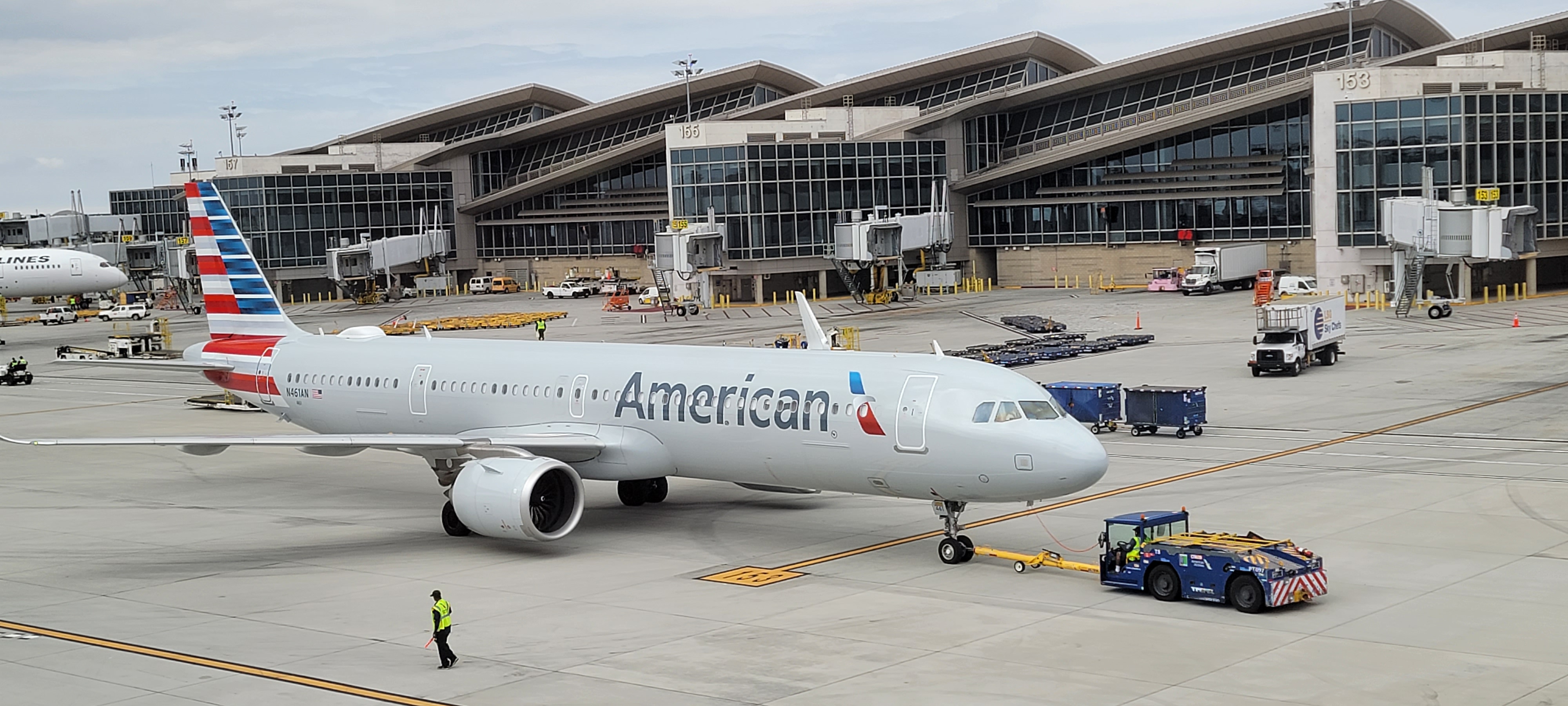
By expanding the earning ecosystem beyond traditional flights and credit card spending into daily utilities, telecommunications, and lifestyle services, carriers create sticky ecosystems that insulate them against broader macroeconomic downturns. Even during periods of reduced consumer discretionary spending on travel, households continue to pay for cellular phones, home internet, and broadband connections. By attaching airline miles to these non-discretionary utility bills, airlines maintain continuous top-of-mind awareness among millions of households.
Simultaneously, telecommunications providers benefit from reduced customer churn. In an intensely competitive saturated market where carriers frequently engage in aggressive pricing wars to poach subscribers, offering high-value ancillary perks—such as thousands of airline miles—serves as a powerful value-add that differentiates standard broadband and wireless plans from rival offerings.
Future Outlook and Consumer Recommendations
As the initial 65,000-customer cap for the 5,000-mile tier steadily diminishes, consumer advocacy groups and travel experts recommend that eligible AT&T subscribers act expeditiously if they wish to maximize their return.
While the subsequent tier offering 2,500 miles still represents a favorable return for minimal effort, securing the maximum allocation requires prompt execution. Consumers are advised to double-check their billing profile names across both corporate portals before initiating the link to avoid unnecessary delays or automated rejections driven by minor typographical errors.
Ultimately, this cross-industry promotion illustrates the increasing convergence of telecommunications and travel rewards, providing observant consumers with a straightforward opportunity to pad their mileage balances with zero incremental spending on air travel.