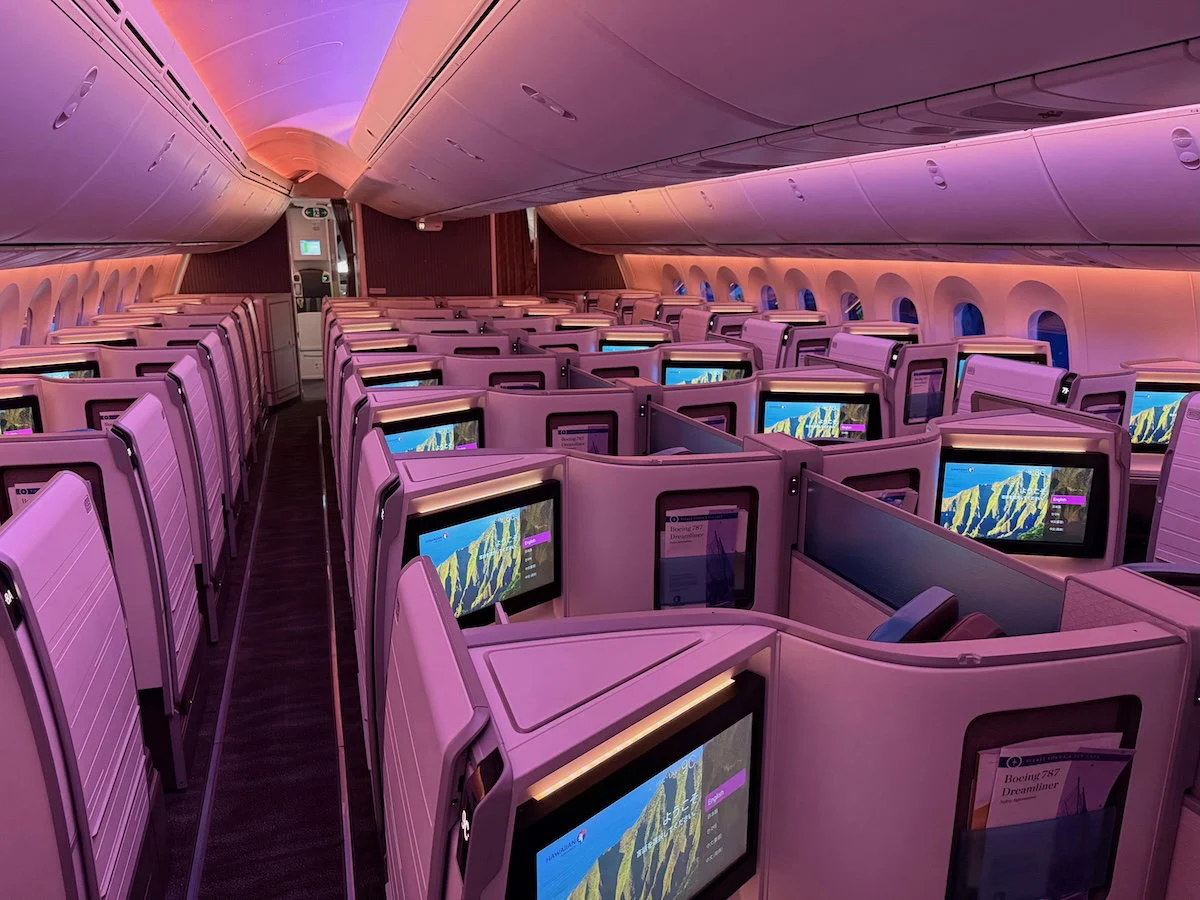
The landscape of airline loyalty programs has undergone substantial transformation over recent years, shifting away from traditional metrics dictated exclusively by distance flown toward revenue-based earning and heavily incentivized credit card ecosystems. Within this evolving framework, frequent flyer strategies require continuous recalibration. A prominent travel industry analyst and frequent flyer who recently transitioned primary elite status loyalty from American Airlines AAdvantage to the Alaska Airlines Atmos Rewards program has reached a strategic crossroads. Having already secured Atmos Rewards Platinum status—which grants reciprocal oneworld Emerald privileges—the traveler is now evaluating whether to push forward to the program’s apex tier: Atmos Rewards Titanium.
Background and Context of the Loyalty Program Shift
For travelers based in non-hub cities such as Miami, aligning with a specific legacy carrier is often driven by alliance network utility rather than domestic upgrade optimization. American Airlines has historically served as a primary carrier for Miami-based flyers, but recent structural updates across airline partnerships have encouraged frequent flyers to reevaluate where they credit revenue and reward travel.
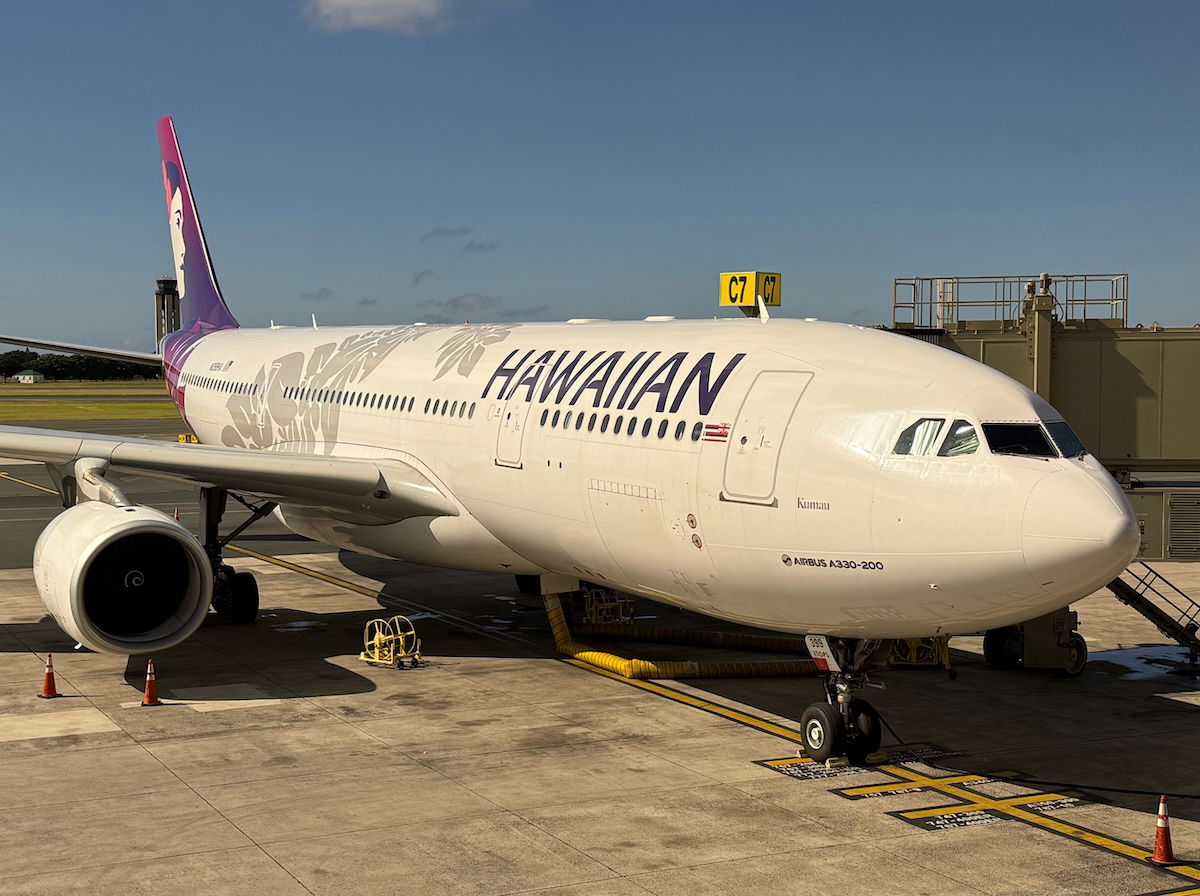
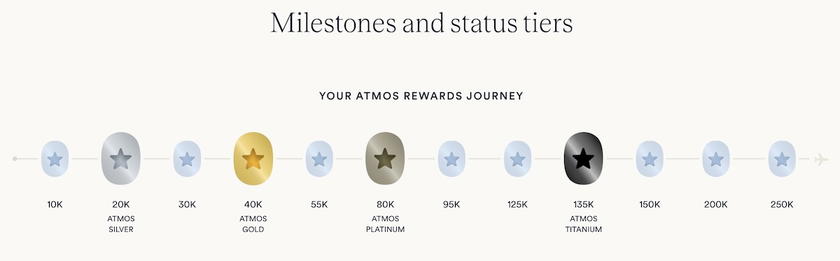
The Alaska Atmos Rewards program has garnered attention due to its distinctive credit card integration, status point earnings on award tickets, and tiered milestone rewards structure. Unlike programs that strictly require physical time spent in the air, modern loyalty strategies increasingly leverage co-branded financial products and strategic spending to achieve top-tier thresholds. The specific thresholds for Atmos Rewards status dictate a clear escalation: Silver status requires 20,000 status points; Gold requires 40,000; Platinum requires 80,000; and the premier Titanium tier demands 135,000 status points.
Achieving Platinum and Securing Oneworld Emerald
The decision to pivot toward Alaska Atmos Rewards initially materialized through a combination of credit card expenditures via the Atmos Rewards Summit Card, base status point grants, and accumulated status points from award redemption flights. By consolidating credit card spend and optimizing travel bookings, the traveler successfully crossed the 80,000-point threshold to secure Atmos Rewards Platinum status for the current program year.
The primary incentive for achieving Platinum status is the attainment of oneworld Emerald tier recognition. For international travelers and domestic flyers alike, oneworld Emerald status unlocks premium lounge access globally, expedited security screening, priority boarding, and enhanced baggage allowances across all member airlines. Because the traveler’s core priority centers on lounge access and alliance-wide benefits rather than domestic complimentary upgrades—which have become increasingly rare across the industry—Platinum status effectively satisfies the baseline operational requirements.
The Incremental Economics of Reaching Titanium Status
Despite having already secured the functional benefits required for travel, an analytical evaluation of the program’s milestone perks has sparked consideration of a final push toward the 135,000-point Titanium threshold. In advanced frequent flyer strategy, decision-making often relies on marginal analysis: evaluating whether the incremental cost of additional spending or flying yields a proportionate return in value.
Atmos Rewards incorporates a milestone rewards structure that distributes valuable incentives as members cross specific status point thresholds. Having already crossed the 95,000 status point mark, the traveler is eligible to select multiple milestone benefits, such as significant bonus point allotments or international upgrade certificates.
To reach Titanium status from the current standing, an additional 40,000 status points are required. Financial modeling indicates that channeling approximately $60,000 in targeted business or personal expenditure through the Atmos Rewards Summit Card before the conclusion of the calendar year could mathematically generate the necessary status points, alongside supplementary bonuses including a 100,000-point Global Companion Award.
Weighing the Practical Utility of Titanium Benefits
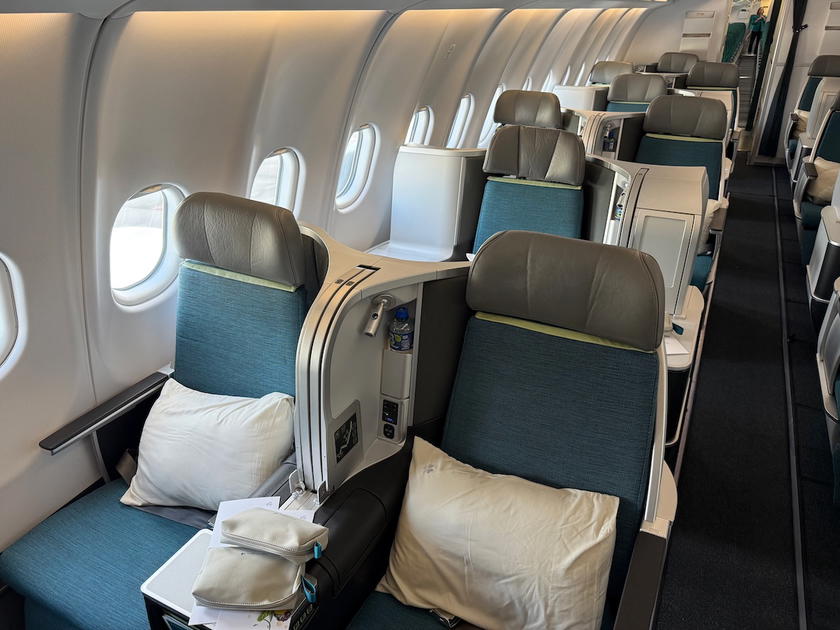
While the mathematical yield of points and certificates presents a compelling value proposition on paper, the practical utility of Titanium-specific benefits requires careful scrutiny. The most prominent perk exclusive to Atmos Rewards Titanium members is the inclusion of complimentary global upgrades, which extend to long-haul international flights.
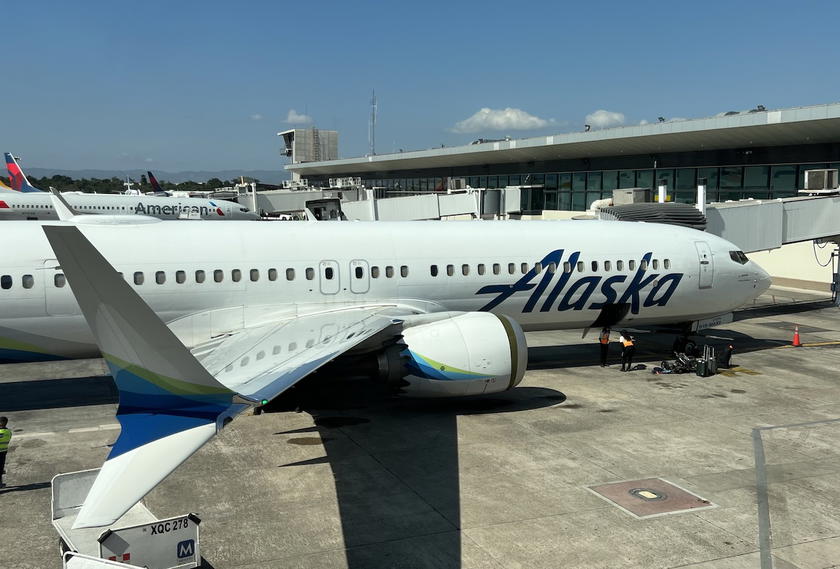
However, industry analysts note a geographic mismatch for flyers who are not based near primary Alaska Airlines or Hawaiian Airlines hubs. For a traveler residing in Miami, opportunities to utilize regional domestic upgrades on Alaska-operated metal are exceptionally limited. Furthermore, clearing long-haul global upgrades at the boarding gate introduces operational unpredictability and potential anxiety for passengers accustomed to confirmed premium cabin bookings.
Strategic Implications of the "Double-Dip" Loyalty Cycle
The deliberations surrounding Atmos Rewards Titanium status also highlight a broader trend in advanced mileage-running and status-chasing behavior: the alternating-year strategy, colloquially known as the "double-dip."
Frequent flyers who maximize co-branded credit card milestone bonuses often find that concentrating intensive spending and flying into alternate years yields a higher return on investment than maintaining top-tier status annually. By aggressively pursuing status and milestone perks in one calendar year—thereby overlapping calendar-year benefits with anniversary-year credit card perks—travelers can extract maximum marginal value. In subsequent years, the flyer may pivot back to legacy programs such as American AAdvantage, allowing status cycles to reset efficiently without incurring diminishing returns.
Industry Analysis and Future Outlook
Airlines continue to refine their elite qualification requirements to balance elite tier overcrowding while maintaining lucrative co-branded credit card revenue streams. The integration of Alaska Airlines and Hawaiian Airlines under the Atmos Rewards umbrella has created a more expansive domestic and international network, increasing the desirability of top-tier status for frequent flyers nationwide.

For individual travelers, the choice between stopping at Platinum or advancing to Titanium ultimately depends on a personalized calculation of opportunity cost. If the incremental spending required to bridge the gap can be executed without sacrificing higher-yielding alternative credit card rewards, the secondary bonuses—such as companion awards and upgrade certificates—can justify the effort. Conversely, if the core driver is alliance lounge access, stopping at Platinum achieves the objective with minimal capital outlay.
As the program year draws to a close, decisions regarding final credit card spending thresholds and milestone selections will dictate whether this frequent flyer formally joins the ranks of Atmos Rewards Titanium members or preserves capital for future loyalty cycles.