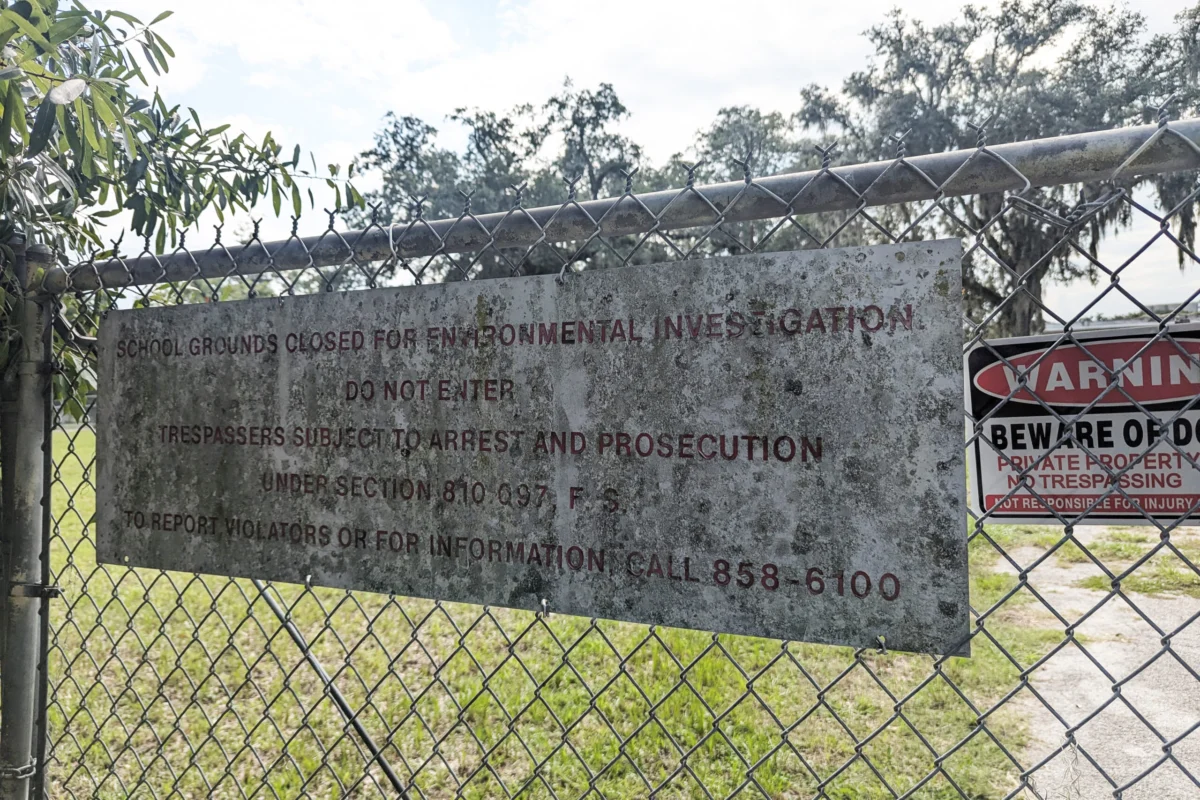
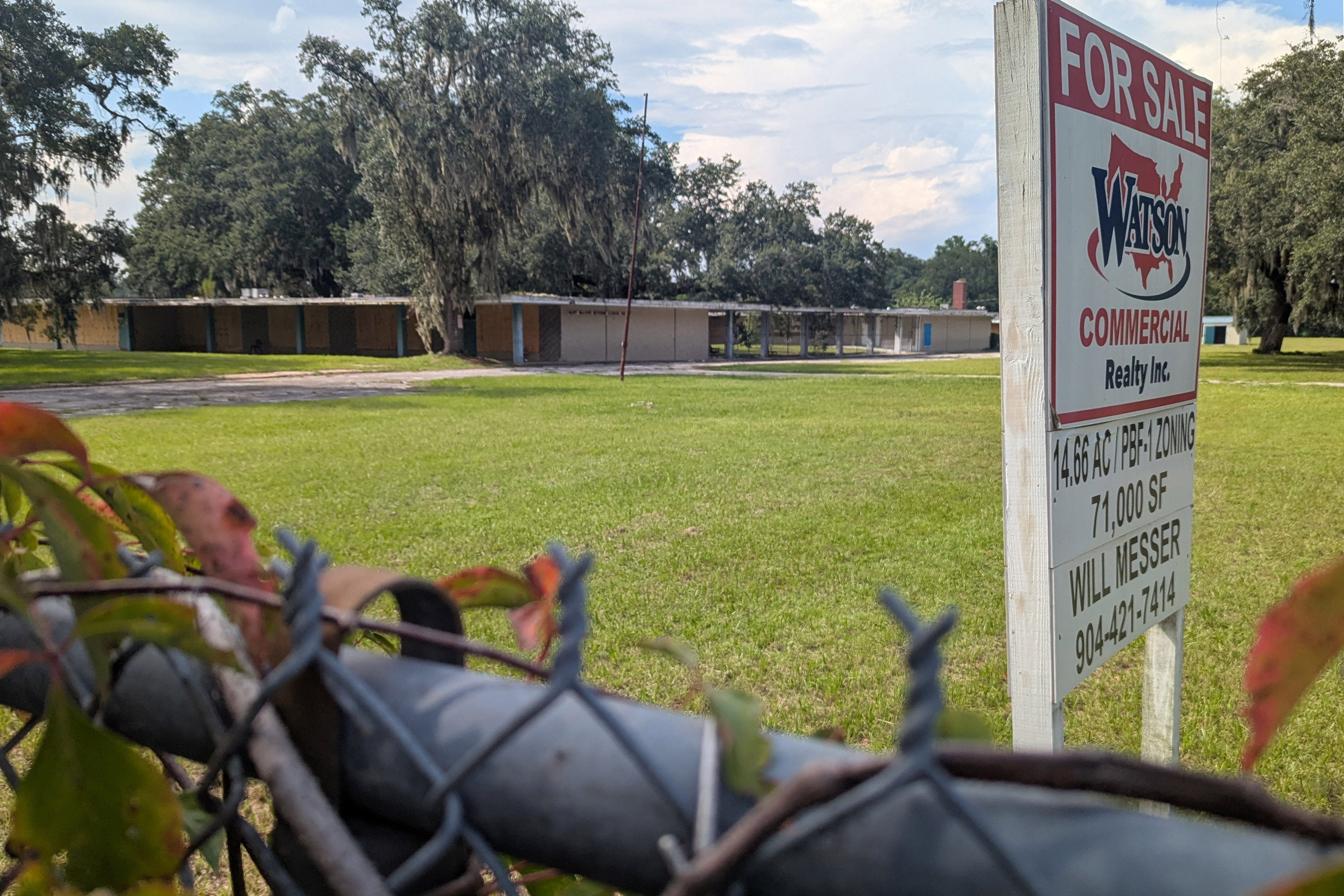
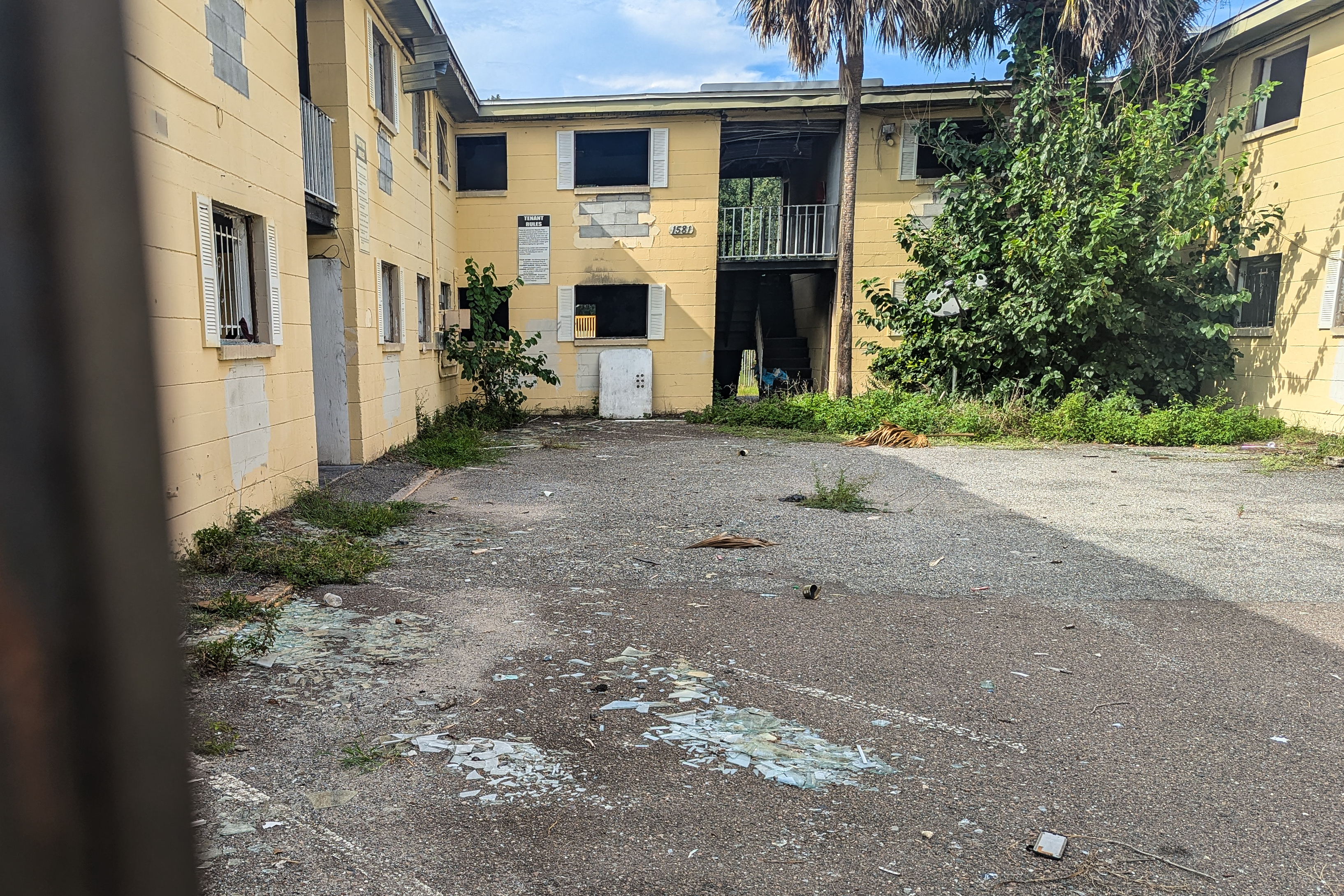
JACKSONVILLE, Fla. — In a Duval County neighborhood bearing the silent scars of systemic environmental injustice, a boarded-up elementary school named after civil rights icon Mary McLeod Bethune stands as a haunting monument to a forgotten past. The abandoned institution is situated squarely within a 250-acre expanse historically known as Brown’s Dump, a site that encapsulates the intersection of racial segregation, toxic contamination, and modern-day public health emergencies.
From the late 1940s through the mid-1950s, municipal operators used the plot as a dumping ground, heaping toxic ash from nearby garbage incinerators. Ignoring the environmental and human hazards, the Duval County School Board subsequently erected a school on the polluted footprint during the 1950s, while real estate developers carved out surrounding tracts for residential homes and apartment complexes. For generations, predominantly Black children grew up playing, learning, and drinking groundwater atop a foundation of heavy metals and carcinogenic waste.
This toxic legacy is no longer viewed merely as an isolated environmental oversight. Public health experts, criminologists, and community advocates are increasingly drawing a direct line between historic environmental racism—specifically childhood lead and toxin exposure—and the modern epidemic of youth gun violence plaguing America’s historically segregated cities.
A Chronology of Neglect and Contamination
The timeline of Brown’s Dump and its surrounding neighborhoods reveals decades of regulatory delay and institutional indifference toward predominantly Black communities in Jacksonville:
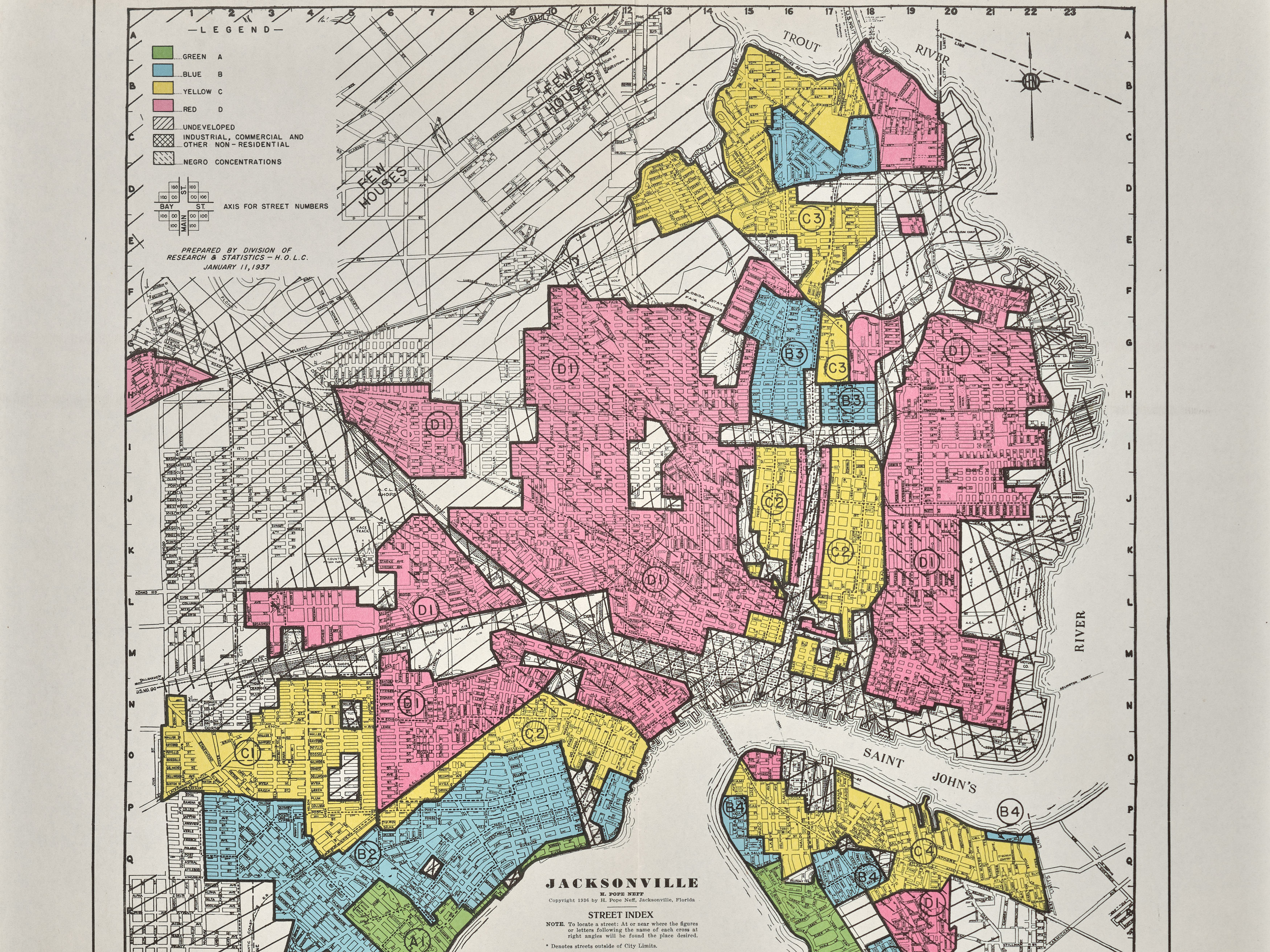
- 1930s: The federal Home Owners’ Loan Corporation (HOLC) drafts residential security maps of Jacksonville, coloring Black neighborhoods red and marking them undesirable for mortgage lending, effectively strangling private investment.
- Late 1940s – Mid-1950s: The city operates a landfill at the Brown’s Dump site, burying toxic municipal incinerator ash.
- 1950s: Despite the toxic deposits, the Duval County School Board constructs an elementary school on the property, and housing developments expand around the perimeter.
- 1985: Federal authorities assess Brown’s Dump as a potential Superfund site for the first time.
- 1999: The federal government and the state of Florida formally declare that the soil at Brown’s Dump poses a “potential public health hazard.”
- 2001: Amid mounting health and safety concerns, the Mary McLeod Bethune Elementary School finally closes its doors.
- 2008: Officials initiate long-overdue remediation efforts to clean up high concentrations of lead, arsenic, and other industrial contaminants.
- 2023: The U.S. Department of Justice announces a $9 million settlement with Ameris Bank to resolve allegations of systemic redlining in predominantly Black and Hispanic neighborhoods in Jacksonville—proof that discriminatory lending persisted well into the 21st century.
- 2024: The U.S. Environmental Protection Agency (EPA) reports that much of the Brown’s Dump site and the nearby 1,100-acre Jacksonville Ash Site have been capped or cleaned, though community leaders argue the historical damage cannot be undone.
The Quantifiable Toll: Hospital Data and Child Gunshot Wounds
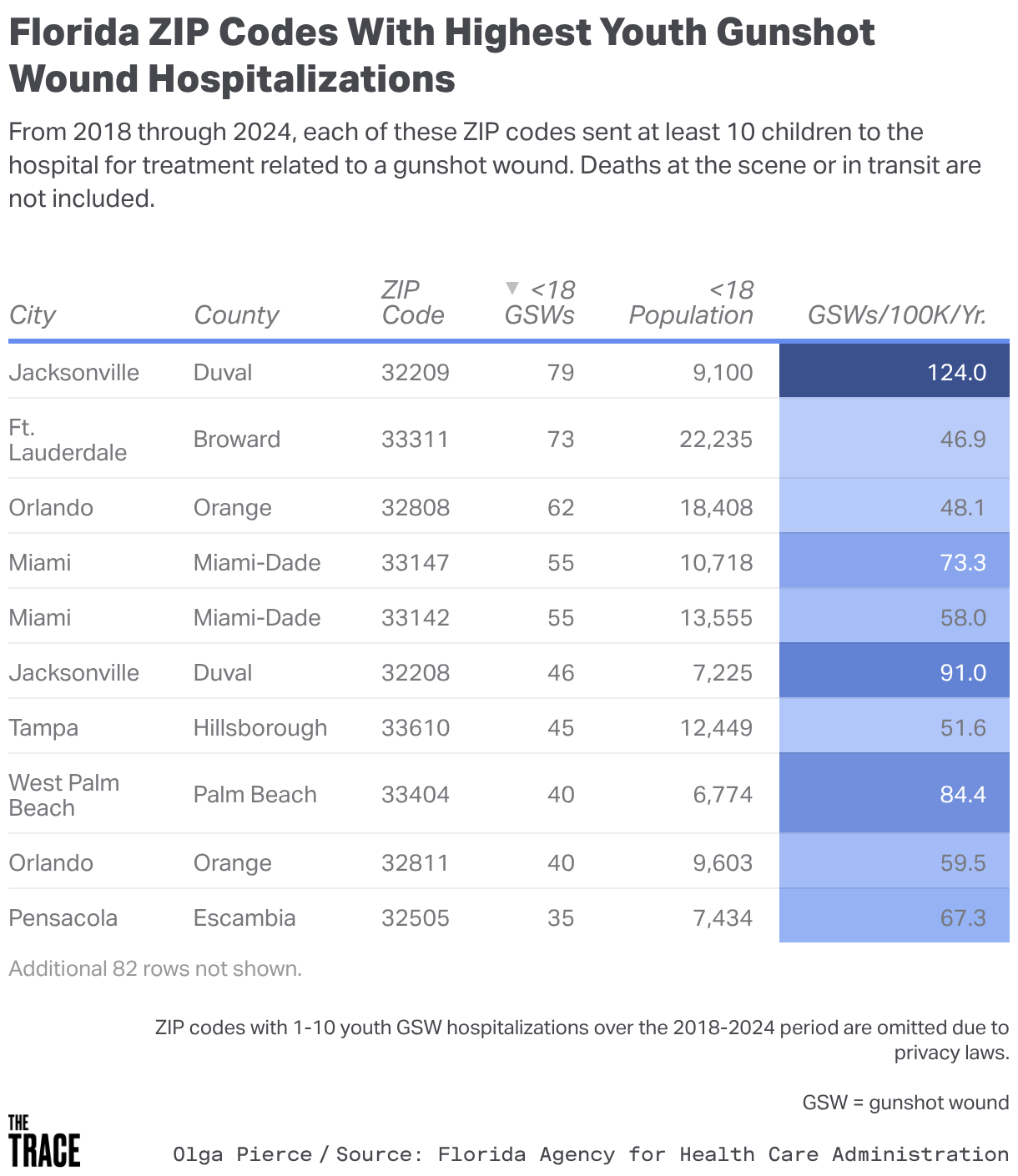
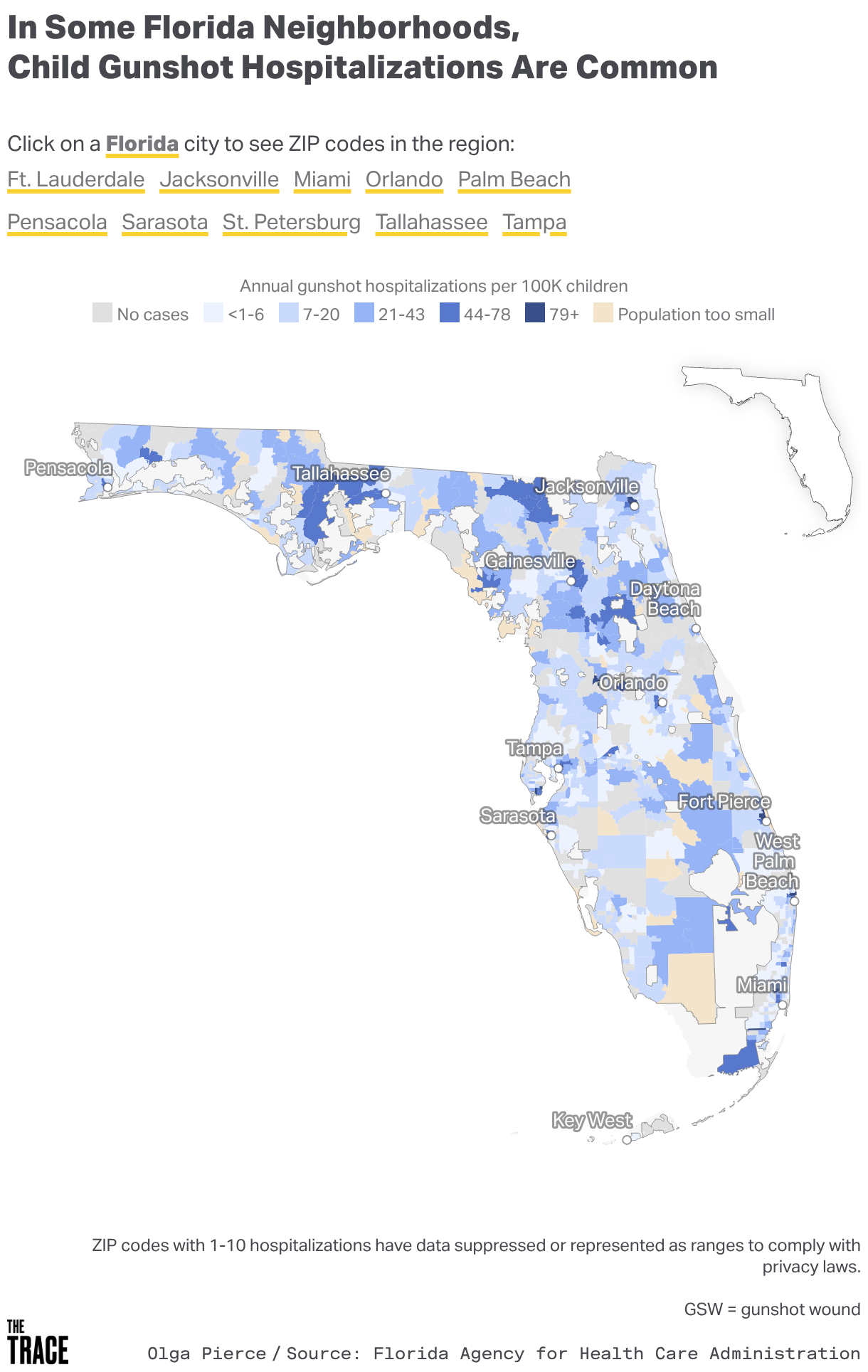
The human cost of these compounding systemic failures is starkly visible in health care records. An exhaustive analysis of hospital billing data obtained exclusively by KFF Health News and The Trace from the Florida Agency for Health Care Administration reveals that more than 4,000 children across the state were hospitalized for firearm injuries between 2018 and 2024—averaging roughly 1.5 children every single day.
In Jacksonville, the data exposes stark geographical disparities. At least 375 children under the age of 18 have been hospitalized for firearm injuries in the city since 2018. Out of those, at least 150 victims hailed from ZIP codes 32206, 32208, and 32209—the very northern and northwestern sectors encompassing Brown’s Dump. These areas consistently rank among the top 10 worst ZIP codes for child firearm injury rates across the entire state of Florida.
"We have to work hard to make sure our kids get home safe," said A.J. Jordan, a local community organizer who frequently counsels the families of gunshot victims. "Anytime we let them out in this society, they could be killed."
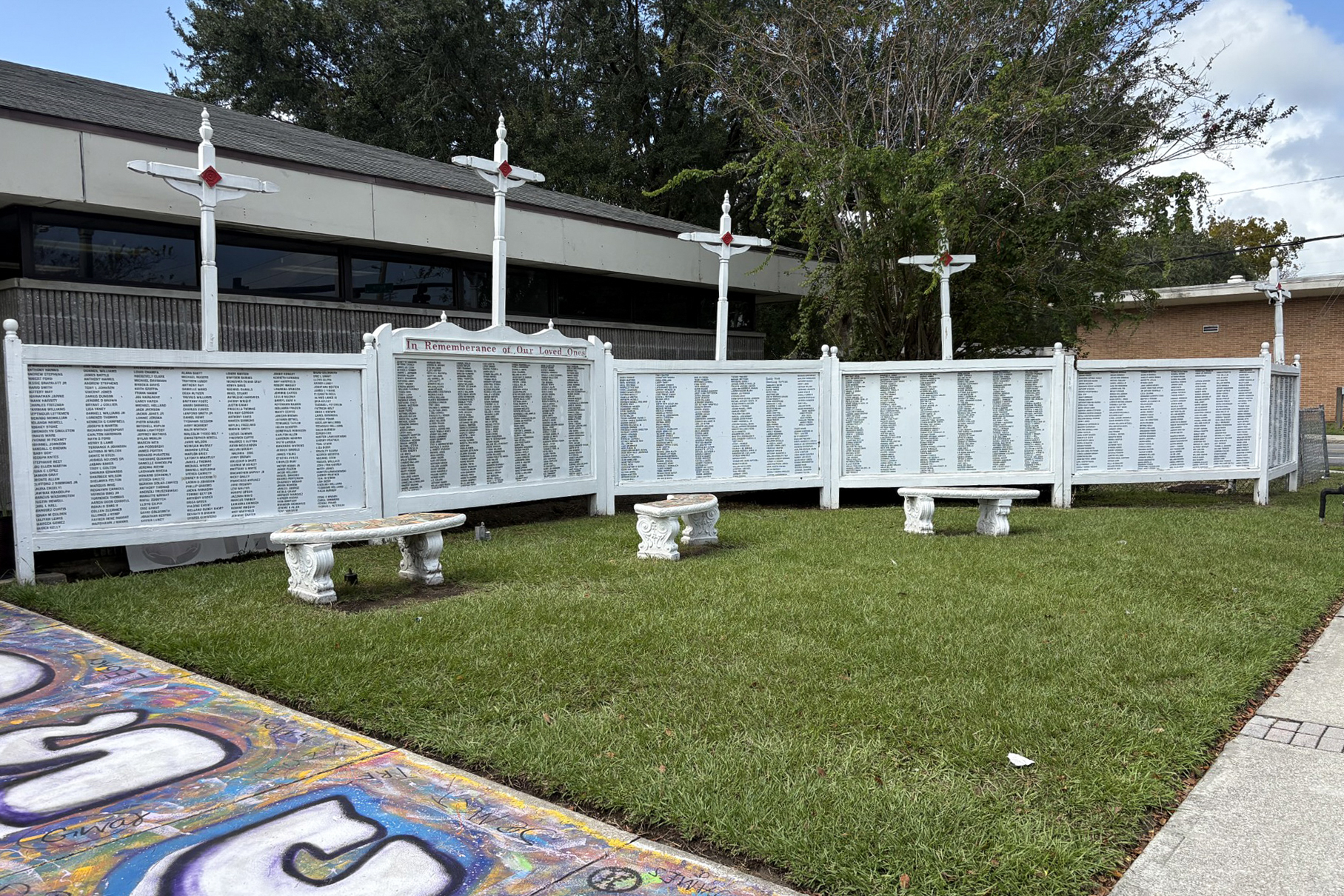
This localized violence has fostered a deep, collective trauma. In Jacksonville, grief has become a permanent fixture of community infrastructure. Local organizers established a "Wall of Compassion" to memorialize young victims of gun violence. When the primary wall ran out of physical space to engrave names, a second wall was erected in an adjacent parking lot.
The Neurotoxic Pipeline: Lead Exposure and Impulse Control
The connection between historic environmental contamination and contemporary gun violence is rooted in established neurological science. Lead is a potent neurotoxin that accumulates in the body over time. There is no known safe blood lead level for humans; even trace amounts impair cognitive development, executive functioning, emotional regulation, and impulse control in young children.
A landmark study led by researchers at the University of Wisconsin-Milwaukee examined over 89,000 individuals tested for lead exposure by age six. The researchers discovered a statistically significant, positive association between early childhood lead exposure and an increased risk of becoming either a perpetrator or a victim of firearm violence in early adulthood, even after adjusting for race, sex, and socioeconomic status.
"It’s the legacy of segregation and redlining," said Lindsay Emer, lead author of the Wisconsin study. "It’s a huge environmental injustice to our African American population."
Dr. Jeffrey Goldhagen, a professor emeritus of pediatrics at University of Florida Health Jacksonville and a former Duval County health director, has long advocated for viewing violence through a public health lens. "If somebody came to me and said, ‘What’s among the most important things you can do to impact gun violence on the Black community?’ I’d say, ‘Get the lead out of the environment,’" Goldhagen asserted.
Sara Baldwin, a forensic social worker who investigates the social and medical histories of criminal defendants to present mitigating factors during sentencing, echoes this sentiment. "I always say the school-to-prison pipeline is lined with lead," Baldwin noted, pointing to the lifelong behavioral consequences of childhood poisoning.
Official Responses and Community Indignation
Despite mounting academic research linking neighborhood disinvestment, toxic pollution, and violence, local and state responses have remained controversial and fragmented.
In 2024, the Jacksonville City Council unanimously passed a resolution acknowledging the lingering harms of historic redlining. However, community leaders argue that the gesture lacked tangible follow-through. Tensions reached a boiling point when the city constructed a $60 million medical examiner’s office and regional morgue in Brentwood, a predominantly Black neighborhood on the city’s north side, directly across the street from a public charter school.
Residents who had petitioned the city for years to build urgent care centers, pharmacies, or youth centers viewed the placement of a morgue in their backyard as a profound institutional insult.
"They have so much disrespect for Black people," said Lydia Bell, a lifelong Brentwood resident and grandmother. "I saw this as a child, and now I am fighting it when I’m supposed to be enjoying being a grandmother."
Anthony Brown, founder of the Red Alliance for Justice, argued that the morgue symbolizes the city’s misplaced priorities. While millions were funneled into municipal facilities, systemic investments in neighborhood health and youth safety remain scarce. "We need something that has teeth," Brown said. "We want some tangible action."
When pressed for comment, a spokesperson for Jacksonville Mayor Donna Deegan declined to answer questions regarding gun violence and racial inequality. Meanwhile, out of 19 members of the Jacksonville City Council, only Council members Jimmy Peluso and Ju’Coby Pittman responded to media inquiries.
Peluso, who co-sponsored the council’s redlining resolution, acknowledged the historical devastation inflicted upon the city’s north side. "The north side has really kind of been ravaged over the years," Peluso said, "and I feel like it’s not given the proper opportunity to kind of stand on both feet."
Councilwoman Pittman, whose district includes the Brown’s Dump site, noted that while federal, state, and local agencies have made strides in capping contaminated soils, physical cleanup alone cannot undo systemic disinvestment. "Remediation of contaminated soil does not, by itself, repair generations of neighborhood disinvestment," Pittman said, emphasizing that long-term recovery requires sustained financial commitments to housing, public health, education, and economic development.
Public Health Infrastructure in Retreat
Public health advocates argue that addressing the root causes of urban violence has been severely hampered by the systematic defunding of local health departments. According to public health data analyses, the Duval County Health Department saw its workforce and budget drastically reduced over the past two decades—dropping from 852 full-time employees in 2008 to 422 workers by 2019, while per capita spending plummeted from $91 to $34.
Goldhagen attributes this decline to a broader statewide shift under Republican leadership. "There was a commitment to public health in the state," Goldhagen said, "but that commitment has been slowly and under Gov. Ron DeSantis rapidly dismantled, so the public health departments in each of the counties are a shadow of what they were."
Today, official state planning documents, such as the State Health Improvement Plan, omit firearms and youth gun injuries as clinical public health priorities. For families living in the shadow of Jacksonville’s toxic history, this institutional silence feels deliberate.
As Jacksonville struggles to reconcile its vibrant cultural heritage with a legacy of environmental racism and soaring rates of childhood trauma, community advocates continue to demand a fundamental re-evaluation of how cities invest in their most vulnerable neighborhoods—arguing that true public safety begins long before a shot is fired, rooted deep within the soil where children live, learn, and grow.