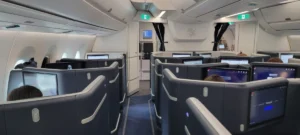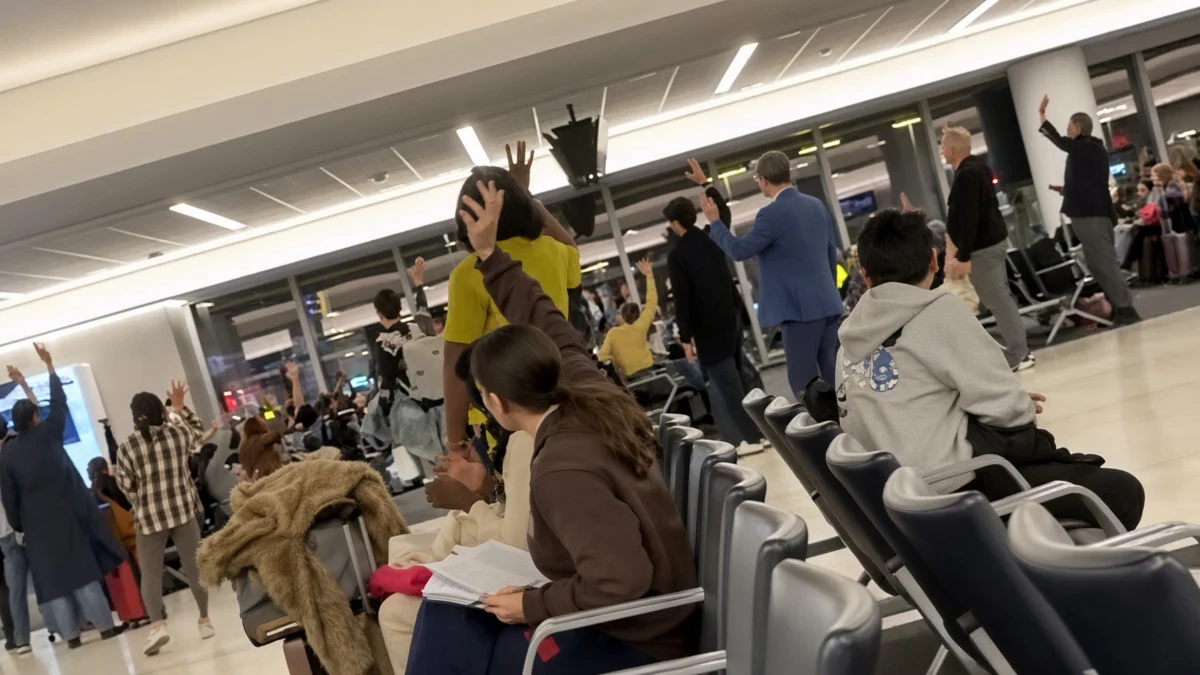
Passengers waiting to board a flight at New York’s LaGuardia Airport were recently presented with a dilemma that has reignited the debate surrounding air travel standards and the growing presence of animals in the cabin. According to video footage shared on social media, the flight’s captain addressed the cabin with an unusual proposal: passengers could either endure a significant departure delay while the aircraft was deep-cleaned to address a canine urination incident from a previous flight, or they could board immediately and accept the lingering odor in exchange for an on-time arrival. By putting the decision to a democratic vote via a show of hands, the flight crew attempted to mitigate the logistical fallout of an unsanitary cabin, a situation that highlights the increasingly complex operational challenges airlines face regarding animal-related disruptions.
The Anatomy of an In-Flight Biological Incident
The incident, which reportedly took place on a Delta Air Lines aircraft, serves as a flashpoint for a broader issue affecting the commercial aviation industry. When an aircraft is soiled by an animal, airlines are governed by strict sanitation protocols designed to maintain public health and aircraft integrity. These protocols typically mandate that if a biological substance—such as urine or excrement—is detected, the cabin must be sanitized by specialized ground crews.
The challenge, however, is that such cleaning services are not always readily available at every gate. A minor sanitation delay can trigger a "cascading delay" effect. In the modern hub-and-spoke system, aircraft are scheduled to fly multiple legs throughout the day. If a flight is grounded for 90 minutes for cleaning, it may miss its departure slot, be forced to wait for new air traffic control clearance, or even result in the crew exceeding their maximum legal duty time. By offering the choice to passengers, the captain was attempting to circumvent a logistical bottleneck that threatened to ground the aircraft for hours.
Chronology of Cabin Disruptions
This incident is far from an isolated occurrence. Over the past several years, the frequency of reports involving animals—specifically dogs—causing sanitary or behavioral issues on commercial flights has increased.

In another documented instance involving Delta, a flight from New York’s John F. Kennedy International Airport (JFK) to Austin, Texas, was forced to return to the gate due to issues surrounding an animal’s documentation. The passenger had claimed the animal was a service dog; however, the lack of proper paperwork led to a significant delay. Once the documentation was resolved, the aircraft required refueling, but because a shift change was occurring for the refueling crew, a 30-minute delay transformed into a two-hour ordeal.
Similarly, a Delta flight from Atlanta to Miami encountered a more severe sanitation breach. In that instance, an animal had become ill on a previous flight, and boarding for the next group of passengers began before the cleaning crew had finished their work. One passenger reported stepping into the mess and was allegedly handed paper towels by staff to clean it up himself—an action that triggered a formal review and resulted in the aircraft being pulled from service for a deep cleaning.
In 2024, a passenger traveling from Fort Lauderdale to Los Angeles endured a multi-hour flight characterized by the pervasive odor of dog diarrhea. While the passenger was initially offered a nominal compensation of 4,000 SkyMiles, the incident underscored the lack of standardized procedures for managing "passenger comfort" when sanitary conditions are compromised. In a separate case involving Frontier Airlines, a dog’s accident prior to a flight from Dallas-Fort Worth to Baltimore resulted in a departure delay exceeding three hours, further illustrating the operational impact of such events.
The Regulatory Landscape and the Service Animal Debate
The core of the issue lies in the distinction between pets and service animals, a categorization that has become increasingly contentious. Under current U.S. Department of Transportation (DOT) regulations, airlines are permitted to require that pets traveling in the cabin remain in an FAA-approved carrier for the duration of the flight. However, these rules do not apply to trained service animals.
The proliferation of "emotional support animals" and the ambiguity surrounding the training requirements for service animals have created a regulatory gray area. Airlines have attempted to tighten their policies, often requiring passengers to submit Department of Transportation Service Animal Air Transportation Forms. Despite these measures, enforcement remains difficult. When a passenger claims their dog is a service animal, the airline has limited authority to challenge the status of the dog, provided it is under the control of the handler. If the animal is not adequately trained to hold its bladder during the duration of a flight, the responsibility for the resulting mess falls to the airline’s ground operations teams.

Implications for Passenger Rights and Airline Operations
The "veil of ignorance" mentioned in the wake of these incidents refers to the lack of transparency regarding exactly where a biological accident has occurred. If a passenger is aware their assigned seat is directly adjacent to the site of an accident, their willingness to tolerate the condition is significantly lower than a passenger seated several rows away. By asking for a general vote, the flight crew effectively obscured the individual impact of the contamination, forcing passengers to make a collective decision based on incomplete information.
The fallout from these incidents presents several key implications for the industry:
- Operational Efficiency vs. Customer Experience: Airlines are caught between the need to maintain flight schedules and the obligation to provide a sanitary environment. When a captain offers a vote, they are effectively outsourcing a liability decision to the passengers. If a passenger later experiences health issues or severe distress due to the exposure, the airline’s defense—that the passengers consented to the conditions—may not hold up in a legal or regulatory review.
- Standardization of Cleaning Protocols: There is an urgent need for airlines to establish uniform, rapid-response cleaning protocols for biological hazards. Relying on paper towels or manual cleaning by flight attendants is insufficient and poses potential biohazard risks to staff and passengers alike.
- Stricter Documentation and Behavior Standards: As the frequency of these incidents grows, pressure is mounting on the DOT to allow airlines more robust tools to verify the training status of service animals. While the rights of individuals with disabilities must be protected, the current system is being tested by the behavior of untrained animals.
Looking Toward Future Solutions
The incident at LaGuardia highlights a failure in the current model of air travel, where the inclusion of animals in the cabin is increasingly clashing with the realities of high-density commercial aviation. As passengers become more vocal about their expectations for cleanliness and safety, airlines are finding that they can no longer treat biological incidents as minor inconveniences.
Industry analysts suggest that the solution may involve dedicated "pet-friendly" zones on aircraft or more rigorous certification requirements for animals traveling in the cabin. Furthermore, the use of rapid-response specialized cleaning crews at major hubs could mitigate the delay-related pressures that lead pilots to ask passengers to accept unhygienic conditions.
Ultimately, the democratization of the decision-making process in a pressurized aircraft cabin is not a sustainable long-term strategy. Airlines must reconcile their policies to ensure that the convenience of pet owners does not supersede the fundamental right of all passengers to travel in a clean, safe, and sanitary environment. Until such standards are universally enforced, travelers may continue to face the uncomfortable choice between the inconvenience of a delay and the unpleasant reality of an improperly sanitized cabin.