The Air France KLM Visa Signature credit card, issued by Bank of America, has launched a promotional campaign offering 70,000 bonus Flying Blue miles alongside 100 Experience Points (XP) following $3,000 in qualifying purchases within the first 90 days of account opening. This offer, which carries an annual fee of $89, is strategically positioned to attract frequent travelers by integrating direct financial incentives with a pathway toward elite status within the Flying Blue loyalty program. The program serves as the joint loyalty scheme for Air France and KLM, two of Europe’s most significant flag carriers.
The Mechanics of the Welcome Bonus and XP Accrual
The core appeal of the current offer lies in the dual-reward structure. While the 70,000 miles provide immediate utility for award travel, the inclusion of 100 XP is the more significant feature for frequent travelers. In the Flying Blue ecosystem, XP is the currency used to determine elite status levels: Silver, Gold, and Platinum. By awarding 100 XP upon reaching the spending threshold, the card effectively grants the holder Flying Blue Silver status immediately, bypassing the traditional requirement of earning status through flight-based activity.
This welcome bonus is part of a broader strategy by Air France and KLM to encourage long-term loyalty among North American travelers. By lowering the barrier to entry for elite tiers, the carriers aim to capture a larger share of the transatlantic market, where Flying Blue is already a dominant player due to its connectivity and its status as a transfer partner for major U.S. credit card rewards programs.
Chronology of Program Evolution
The current promotion follows a significant restructuring of the Flying Blue loyalty program that took effect in September 2024. During that period, the program introduced a tiered award system—Light, Standard, and Flex—designed to segment passengers based on their willingness to pay for flexibility.
Under the "Light" fare category, passengers receive a checked bag but are restricted from accessing airport lounges or performing voluntary changes and refunds, unless they possess specific elite status. Gold and Platinum members maintain significant advantages, including lounge access and the ability to change or refund even the most restrictive "Light" fares. This structural change shifted the utility of elite status, making it not just a perk for convenience, but a functional necessity for travelers seeking value and flexibility in business class bookings.
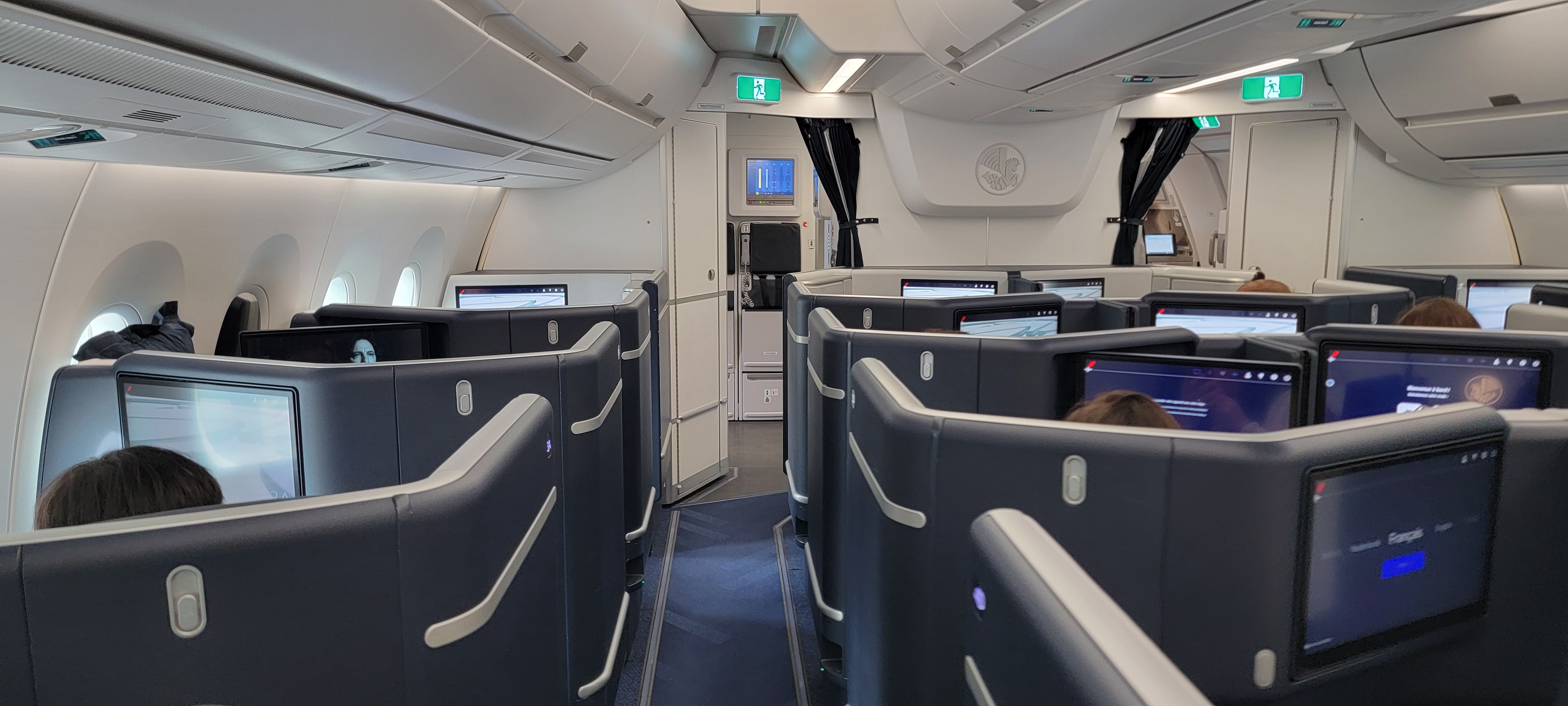
The credit card’s role in this ecosystem has evolved accordingly. In January 2025, the product underwent a refresh, which aligned the card’s earning potential and status-earning capabilities with the new program requirements. The current offer is a continuation of these efforts, specifically targeting high-frequency travelers who view status as a tool to manage travel costs and access premium cabin inventory.
Supporting Data and Spending Strategy
The card provides a tiered XP earning structure based on annual spending. Cardholders can earn 60 XP after $15,000 in purchases, with an additional 100 XP granted after reaching $25,000 in annual spending. This equates to 160 XP per year for those who meet the $25,000 expenditure threshold.
For a traveler attempting to reach the pinnacle of the program—Flying Blue Platinum—the math is substantial. Reaching Platinum from an entry-level position requires 580 XP. However, through strategic partnerships, such as the Bilt Rewards status match, a traveler can obtain Gold status, which reduces the requirement for Platinum to 300 XP.
The integration of rent payments into the rewards structure adds a layer of complexity. The card earns 3 Flying Blue miles per dollar on eligible rent payments made through the Bilt platform, up to a cap of $50,000 annually. Given the 3% transaction fee typically associated with such payments, the net benefit depends heavily on the traveler’s ability to leverage the earned miles for high-value business class redemptions. When analyzing the cost of $25,000 in spending, the opportunity cost compared to other high-earning credit cards must be weighed against the intrinsic value of the 160 XP earned.
Broader Implications for the Travel Industry
The move to tie elite status so closely to credit card spend is a trend observed across the airline industry, but its application here is particularly aggressive. By facilitating status through card spend rather than flight segments, Air France and KLM are effectively commoditizing status, making it accessible to a broader demographic of affluent travelers who may not spend 100+ days a year in the air.
This has several implications for the travel market:

- Increased Demand for Premium Inventory: As more travelers achieve Platinum status, the demand for limited award space, specifically for the exclusive "La Première" first-class cabin, is expected to rise. The airline limits these awards to one seat per flight, creating a competitive environment for those holding top-tier status.
- Shift in Consumer Behavior: Travelers are increasingly prioritizing "ecosystem loyalty." A consumer is more likely to choose Air France or KLM for a transatlantic crossing if they hold Flying Blue status, as that status directly dictates the flexibility and cost of their ticket.
- Competitive Pressure: Other carriers, particularly those within the SkyTeam alliance, are watching these developments closely. The ability of the Flying Blue program to offer a clear, actionable roadmap to elite status via a credit card provides a compelling counter-narrative to programs that have recently tightened requirements or made status harder to achieve.
Analysis of the "La Première" Access
One of the most exclusive benefits associated with the Flying Blue Platinum tier is the ability to redeem miles for "La Première" service. This product is widely regarded as one of the most sophisticated first-class experiences globally, characterized by personalized ground handling at Paris-Charles de Gaulle and high-end culinary offerings. By restricting access to these awards to Platinum and Ultimate status members, the airline ensures that the most coveted cabin remains reserved for its most loyal customers. For many, this specific privilege acts as the primary motivation for pursuing status, as it represents a form of "aspirational travel" that is difficult to purchase through traditional means.
Limitations and Regulatory Context
It is important to note that the promotional offers and the benefits derived from them are subject to the terms and conditions stipulated by Bank of America and the Flying Blue program. The "no foreign transaction fee" policy and the $89 annual fee are industry standards for premium co-branded cards, but the variable nature of award pricing means that the "value" of the 70,000-mile bonus is subjective.
As with all financial products, the editorial stance of independent travel analysis remains that consumers should perform a personal cost-benefit analysis. The value of miles fluctuates based on the airline’s dynamic pricing algorithms, and the "limited-time" nature of the current offer is a standard marketing tactic to drive immediate conversions.
Conclusion
The current 70,000-mile and 100-XP offer from the Air France KLM Visa Signature credit card represents a significant opportunity for travelers to penetrate the upper tiers of the Flying Blue loyalty program. By aligning credit card spend with elite status milestones, the issuer and the airline have created a cohesive, if complex, system that rewards sustained financial engagement. As the airline industry continues to refine its loyalty strategies, the success of this offer will likely be measured by the number of new participants who transition from occasional, transactional travelers to dedicated, high-status members within the Air France KLM ecosystem.