The global travel and aviation sectors have experienced a flurry of significant developments over recent weeks, marked by surprising airline route inaugurations, contentious in-flight incidents, lucrative credit card rewards updates, and heightened geopolitical travel warnings. Industry analysts are closely monitoring these intersecting trends, which reflect both the dynamic recovery of international tourism and the persistent operational and security challenges facing travelers and loyalty program enthusiasts alike.

Unprecedented Route Expansion: Alaska Airlines Links Anchorage to Tokyo Narita
In one of the most unexpected network announcements of the season, Alaska Airlines has quietly introduced a new nonstop route connecting Anchorage, Alaska (ANC), with Tokyo Narita International Airport (NRT). Scheduled to be operated by a narrowbody Boeing 737 MAX 8 aircraft, this deployment pushes the boundaries of single-aisle aircraft capabilities. While it ranks as the second-longest route by distance in Alaska Airlines’ entire network utilizing its 737 fleet, it establishes a historic record for the longest route ever operated by a narrowbody aircraft across the Pacific.
Aviation experts have highlighted the technical achievement and economic efficiency required for such an operation, especially given passenger comfort considerations on long-haul narrowbody flights. For travelers, the new link offers streamlined access between Alaska and Japan without the traditional layovers required through major hubs like Seattle or San Francisco. Concurrently, industry reports indicate that American Airlines is proactively working to retain its unused operational flight rights to the Philippines, signaling intense competition among major U.S. carriers to secure lucrative trans-Pacific corridors amid fluctuating demand patterns.

In-Flight Controversy: The Urine Odor Dilemma and Hotel Breakfast Disclosures
Operational challenges continue to test passenger patience on regional and domestic routes. A recent incident shared widely on social media involved an airline captain giving passengers an uncomfortable ultimatum before departure. Following an incident on a previous leg where a dog urinated inside the cabin, the flight crew offered passengers a direct choice: wait extended hours for the aircraft to undergo a thorough professional cleaning, or depart immediately on schedule with the cabin retaining a lingering odor of urine. The episode has reignited fierce public debates regarding airline turnaround times, sanitation standards, and the handling of pet policies within commercial aviation.
On the hospitality front, travelers scrolling through industry exposés were given a sobering look behind the scenes of hotel breakfast buffets. Recent investigative culinary reports revealed that standard hotel scrambled eggs are frequently produced from a liquid egg blend containing approximately 19 percent added water, artificial coloring agents, and an extended refrigerated shelf life of up to 98 days. The disclosure has prompted consumer advocates to call for greater transparency in complimentary hotel breakfast provisions, contrasting sharply with the upscale marketing imagery presented by major lodging brands.

Geopolitical Tensions Prompt New Middle East Travel Advisories
Geopolitical instability continues to cast a shadow over popular international destinations, most notably in the Middle East. The British Foreign, Commonwealth & Development Office (FCDO) issued a formal and urgent travel warning advising tourists against non-essential travel to Dubai and surrounding regional hubs for the upcoming winter season. The official guidance emphasizes that the regional security situation remains "deeply unpredictable," with an elevated risk of sudden escalation.
This advisory follows stalled diplomatic efforts to stabilize regional flashpoints. Travel insurance providers have noted a subsequent uptick in policy inquiries and cancellations, as holiday planners reassess their winter itineraries. Tourism boards in the United Arab Emirates have countered by emphasizing stringent local security measures and normal operations within major tourist zones, yet foreign ministries urge citizens to maintain continuous vigilance and monitor real-time governmental updates.

Credit Card Rewards, Transfers, and Loyalty Program Shifts
The landscape of travel hacking, credit card rewards, and airline loyalty programs has undergone a series of high-stakes updates, offering lucrative opportunities alongside notable program modifications.
Citi and American Airlines Enhance AAdvantage Offerings
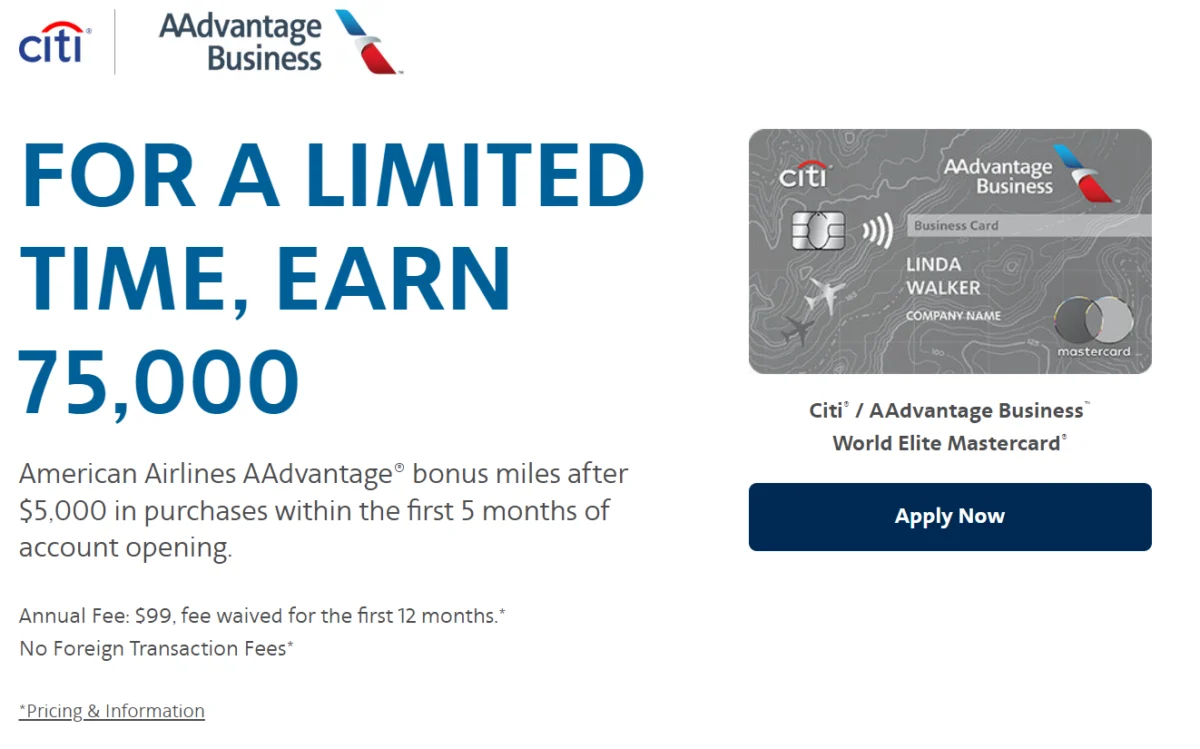
Citi has rolled out a series of enhancements to its co-branded card portfolio. The CitiBusiness AAdvantage Mastercard has introduced an increased welcome offer, allowing small business owners to earn 75,000 American Airlines AAdvantage miles after meeting a $5,000 spending requirement within the first five months of account opening. Additionally, the annual fee is waived for the first year, matching historical highs for this particular business product.

For premium cardholders, Citi has added up to $200 per calendar year in inKind dining credits to the premium AAdvantage Executive Card. This addition is designed to help offset the card’s substantial annual fee by providing statement credits applicable at participating restaurants nationwide. Furthermore, Citi has formally expanded its transfer partner ecosystem to include Copa Airlines, giving ThankYou Rewards collectors greater flexibility when booking Star Alliance award flights.
Chase Ink Business Unlimited and Rakuten-Bank of America Integration
Small business owners looking for straightforward cash back have turned their attention to the Chase Ink Business Unlimited card, which features no annual fee, a 75,000-point introductory bonus, and a flat earning rate of 1.5x points on all purchases. Savvy point-collectors routinely convert these cash-back earnings into Chase Ultimate Rewards points by pairing the card with an annual-fee product like the Chase Sapphire Reserve or Ink Business Preferred, unlocking valuable transfer options to major airline and hotel partners.

Meanwhile, Rakuten—the popular cash-back and points shopping portal—has adjusted its integration with Bank of America credit card applications. While Rakuten previously allowed users to earn portal rewards when approved for select Bank of America cards, these earnings were historically restricted to cash-back setups rather than American Express Membership Rewards earning preferences. Recent adjustments to the platform have clarified these earning mechanics, allowing members to optimize their portal strategies more effectively.
Hotel Status Matching and Airline Award Sales
In the hotel sector, GHA Discovery has captured attention with a paid status match promotion running through 2027. The program allows travelers to secure elite Platinum or Titanium status by paying a fee, which is subsequently offset by bonus Discovery Dollars. Initial reviews from frequent travelers suggest the program provides tangible on-property benefits, including room upgrades and late check-out across independent luxury hotel brands.

In aviation loyalty news, transatlantic premium cabin pricing has seen significant volatility. Atmos Rewards recently highlighted sweet spots enabling travelers to book round-trip business class to Europe for 90,000 to 110,000 points, undercutting United Airlines’ standard 144,000-point requirement for similar itineraries. Concurrently, Delta Air Lines initiated a brief three-day Delta One flash sale for late October bookings, offering transatlantic business class starting at 115,000 miles. However, consumer watchdog analysts note that availability remains heavily restricted, with many popular routes failing to yield meaningful point savings.
Industry Outlook and Economic Implications
As the travel industry navigates the final quarter of the year, airlines and hospitality conglomerates are balancing robust consumer demand with inflationary pressures, aircraft delivery delays, and geopolitical headwinds. The ability of carriers to innovate with long-haul narrowbody routes—such as Alaska Airlines’ transpacific crossing—demonstrates a relentless pursuit of operational efficiency. Simultaneously, the continuous evolution of credit card rewards ecosystems underscores the fierce competition among financial institutions to capture high-spending consumers. Industry stakeholders will need to remain adaptable as macroeconomic indicators and international security landscapes continue to shift in the months ahead.