The pursuit of human spaceflight has long relied on analog missions—terrestrial environments that simulate the extreme conditions of space. While many of these simulations occur in desert landscapes or volcanic terrains, the SEA STAR mission represents a distinct shift toward the "inner space" of the ocean. Led by astrobiologist and veteran commander Dr. Michaela Musilova, the SEA STAR project utilized the Jules’ Undersea Lab in Florida to conduct high-fidelity simulations of Extra-Vehicular Activities (EVAs), commonly known as spacewalks. This mission, which involved living and working 22 feet beneath the surface for five days, serves as a critical testbed for both the psychological resilience of astronauts and the mechanical limitations of life-support gear in high-pressure environments.
The logistics of the mission were designed to mimic the isolation and restricted mobility inherent in deep-space exploration. By operating in a state of saturation, where the crew’s tissues were equilibrated to the ambient pressure of the underwater habitat, the participants faced risks analogous to those encountered on the International Space Station (ISS) or potential lunar bases. Unlike standard laboratory simulations, an emergency during an underwater EVA offered no immediate path to safety, forcing the crew to adhere to rigorous safety protocols mirroring those used by NASA and international space agencies.
Chronology and Operational Framework
The SEA STAR mission was structured around a five-day deployment within the Jules’ Undersea Lab, a facility that has historically served as a hub for marine research and, increasingly, space analog testing. Upon arrival at the habitat, the crew entered a pressurized environment, effectively becoming "aquanauts." This status is achieved when a diver remains at a specific depth long enough for the body to reach a state of inert gas equilibrium.
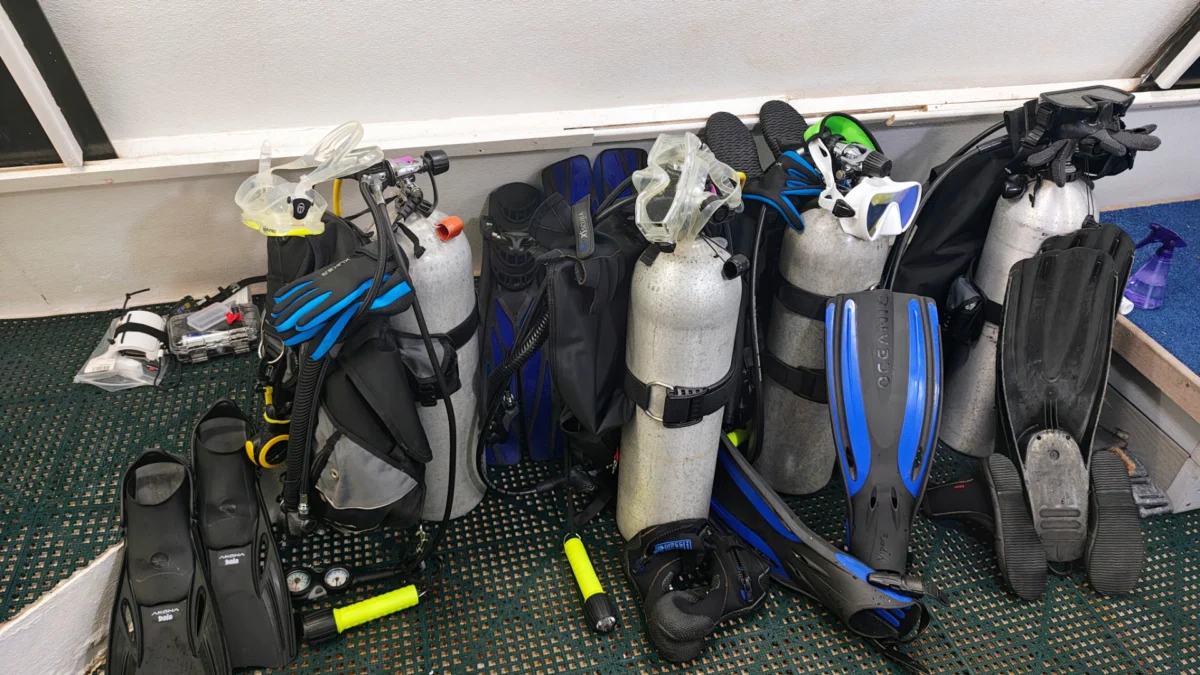
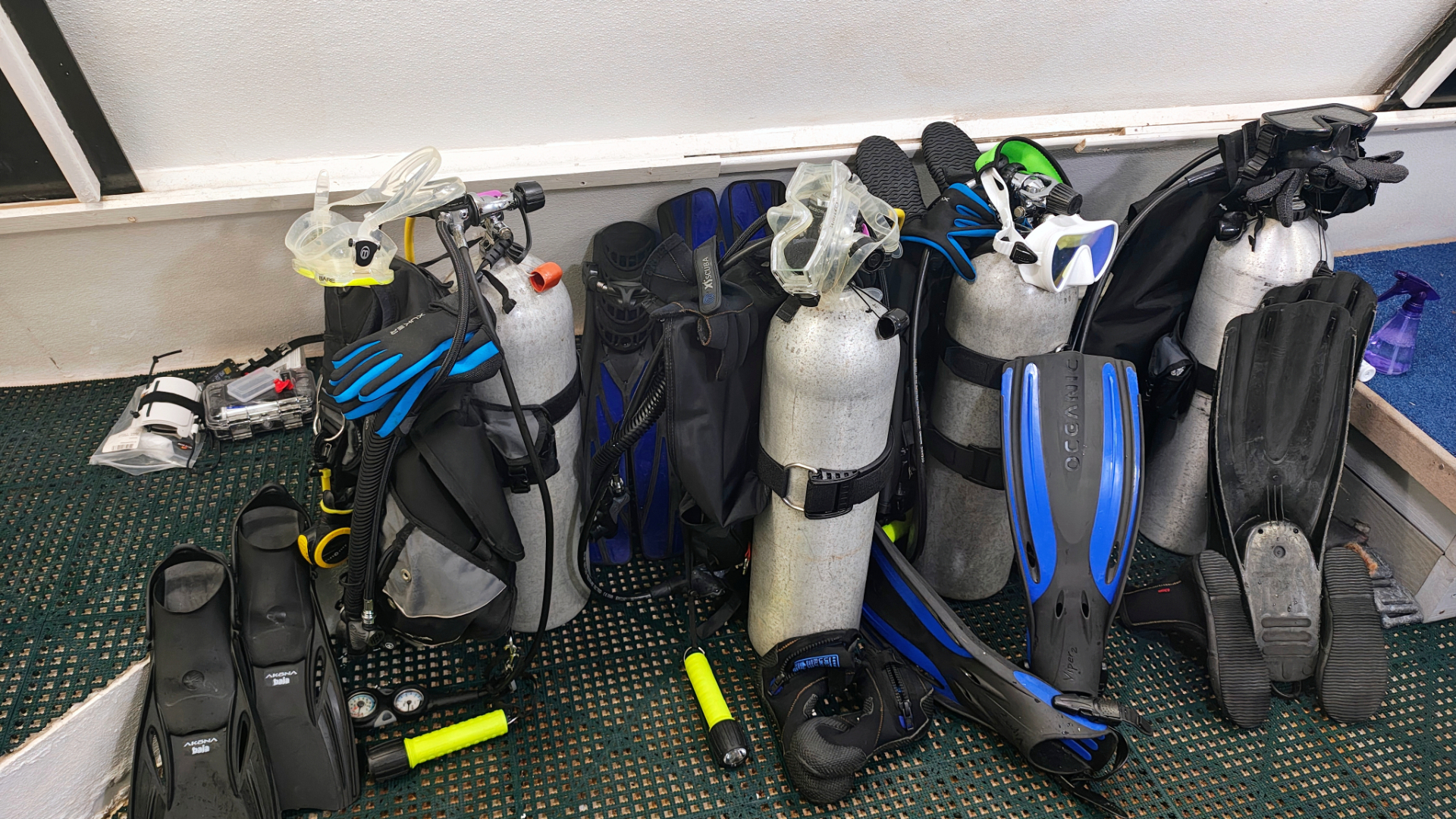
The daily schedule was bifurcated between routine habitat maintenance and the execution of complex EVAs. Each morning, the crew prepared their life-support systems—in this instance, sophisticated scuba diving equipment modified to simulate the constraints of a pressurized spacesuit. The preparation phase was characterized by intense, iterative safety checks. Because the environment was one of constant pressure, the "spacesuits" required meticulous calibration to ensure that air supply, buoyancy, and communication links remained functional throughout the duration of the underwater sorties.
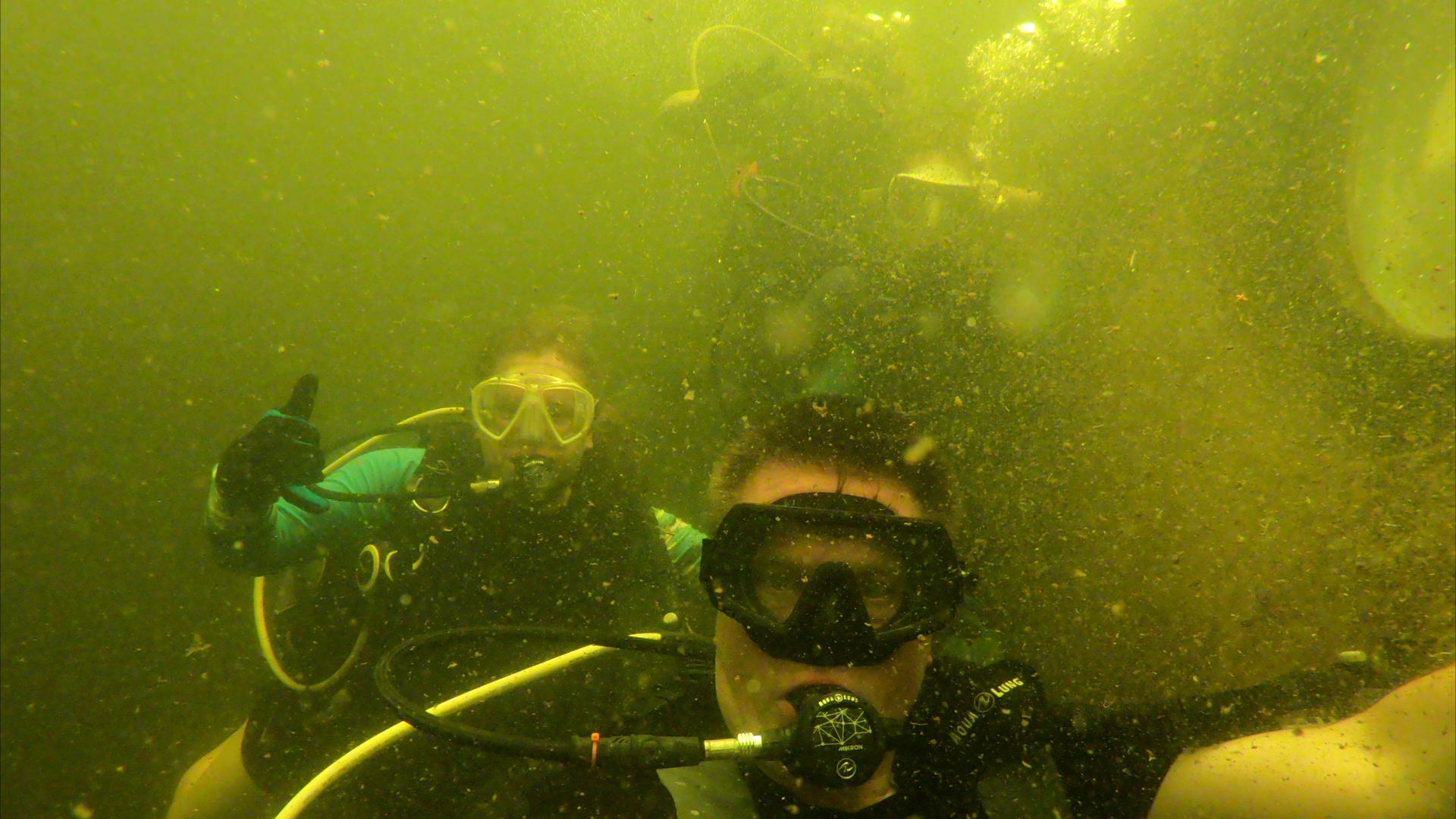
The EVAs themselves were designed to test human performance in low-visibility, high-stakes environments. Navigation was facilitated by the use of specialized flashlights and a strictly maintained buddy system, as visibility often dropped to just a few feet. This forced the crew to rely on a combination of standard scuba sign language and custom-developed communication signals tailored to the mission’s specific objectives.
Comparative Analysis: Space Suits vs. Scuba Gear
A core objective of the SEA STAR mission was to evaluate the efficacy of simplified life-support equipment compared to the massive, highly technical suits worn by astronauts in orbit. A standard Extravehicular Mobility Unit (EMU) used by astronauts on the ISS weighs approximately 310 pounds (141 kilograms) and is a self-contained spacecraft designed to regulate temperature, pressure, and oxygen levels.
In contrast, the analog "spacesuits" utilized by the SEA STAR team weighed roughly 30 pounds (14 kilograms). While significantly lighter, the equipment successfully replicated the physiological and mechanical stressors that astronauts face. The addition of thick gloves served as a primary simulation tool, intentionally reducing the dexterity of the crew members. By limiting tactile sensitivity, the researchers were able to quantify the difficulty of performing fine-motor tasks, such as environmental sampling, camera operation, and debris collection, in a hostile, pressurized environment.
Human Factors and Psychological Resilience
The psychological toll of living in an isolated, confined, and extreme (ICE) environment is a major focus of modern space agency research. During the SEA STAR mission, the crew operated under the awareness that they could not simply return to the surface in the event of a minor psychological or physical lapse.
Dr. Musilova, who has commanded nearly 40 analog missions throughout her career, noted that the responsibility of leading a crew in a high-risk environment fundamentally changes the nature of the work. The "fear of the unknown" is mitigated by training, but the inability to abort the mission at will—a luxury not afforded to astronauts on long-duration missions to Mars—adds a layer of pressure that is rarely captured in terrestrial simulations on land.
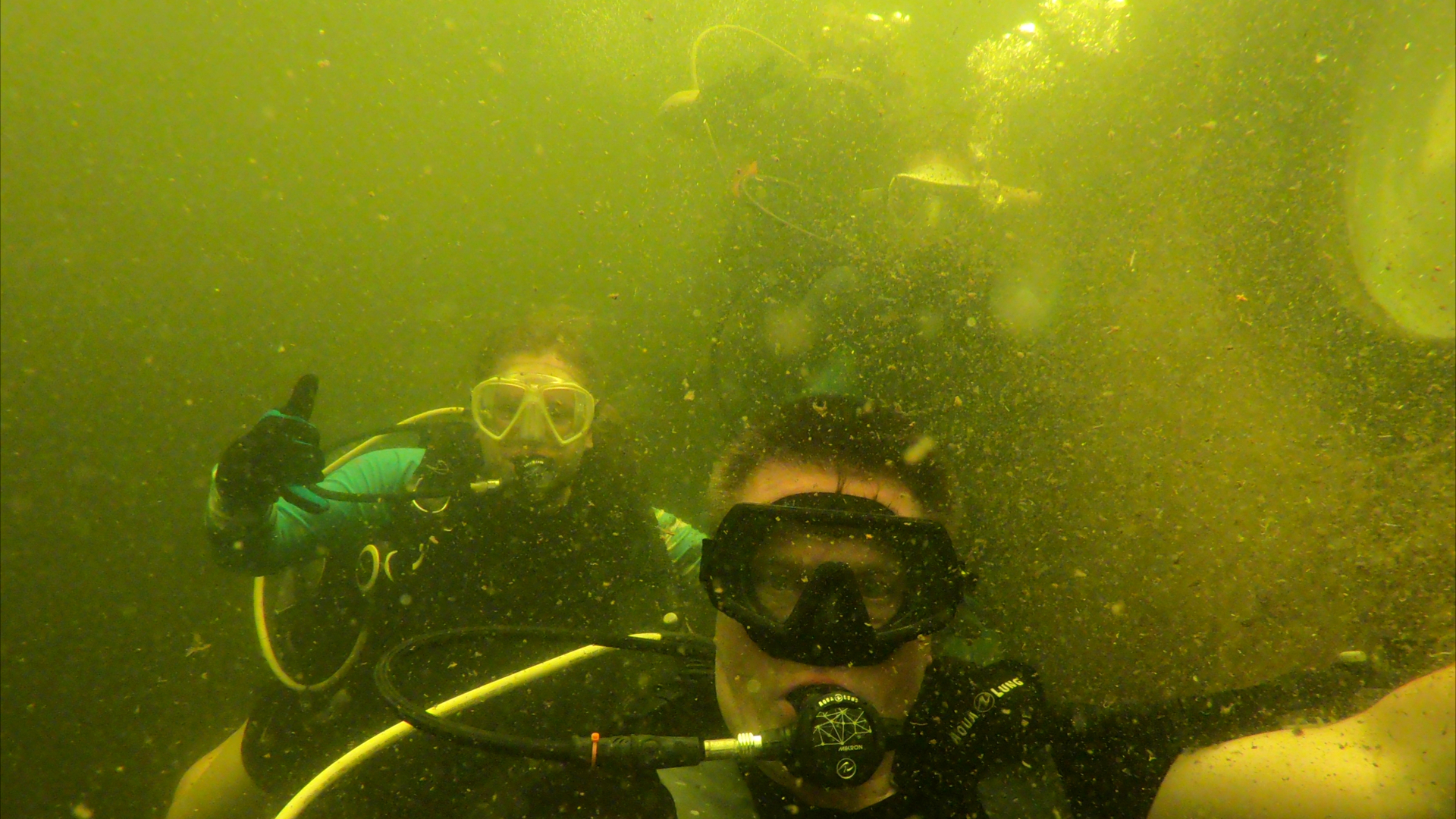
The team documented these stressors through daily psychological debriefings and behavioral monitoring. The findings are expected to contribute to the growing body of literature regarding "crew cohesion" and "cognitive load" in space exploration. These metrics are vital for NASA’s Artemis program and other international efforts, which will require crews to operate independently for months or years at a time.
Broader Implications for Future Missions
The data collected during the SEA STAR mission holds significant value for the development of future lunar and Martian base architectures. The challenges of navigating low-visibility environments, managing the physical fatigue of pressurized suits, and maintaining clear communication protocols are all directly applicable to the challenges astronauts will face on the surface of the Moon or Mars.
Furthermore, the mission highlighted the utility of underwater habitats as an affordable and effective proxy for space. By simulating the "darkness" of space through underwater exploration, the crew developed new techniques for orientation and navigation that could be integrated into future training modules.
"The environment was unforgiving, yet it provided the exact clarity needed to understand our limitations," noted observers familiar with the project. The success of the SEA STAR mission demonstrates that while the technology and the medium—water versus vacuum—may differ, the human requirement for adaptability remains the constant.
Expert Perspectives and Future Outlook
While official statements from space agencies regarding specific private analog missions remain collaborative rather than directive, the methodology employed by the SEA STAR crew is widely recognized as a "best practice" for low-cost, high-impact research. By treating the underwater habitat as a true space-faring vessel, the crew moved beyond simple demonstration and into the realm of actionable science.
As the industry looks toward the 2030s, the reliance on such analog missions is expected to increase. The integration of artificial intelligence for remote monitoring, the testing of new materials for suit dexterity, and the refinement of psychological support systems will all benefit from the "aquanaut" data. The SEA STAR mission stands as a testament to the fact that to reach the stars, we must first master the art of survival in the most challenging, isolated environments our own planet has to offer.
In the final analysis, the mission confirms that exploration is as much an internal battle of focus and discipline as it is an external confrontation with physics and technology. Whether in the depths of the ocean or the vacuum of space, the protocol remains: prepare for the worst, adapt to the unforeseen, and continue the mission with the knowledge that your crew is your only lifeline. As Dr. Musilova’s work continues to influence the field, the lessons learned in the Jules’ Undersea Lab will undoubtedly inform the next generation of space explorers as they prepare to venture into the vast, dark unknown of our solar system.