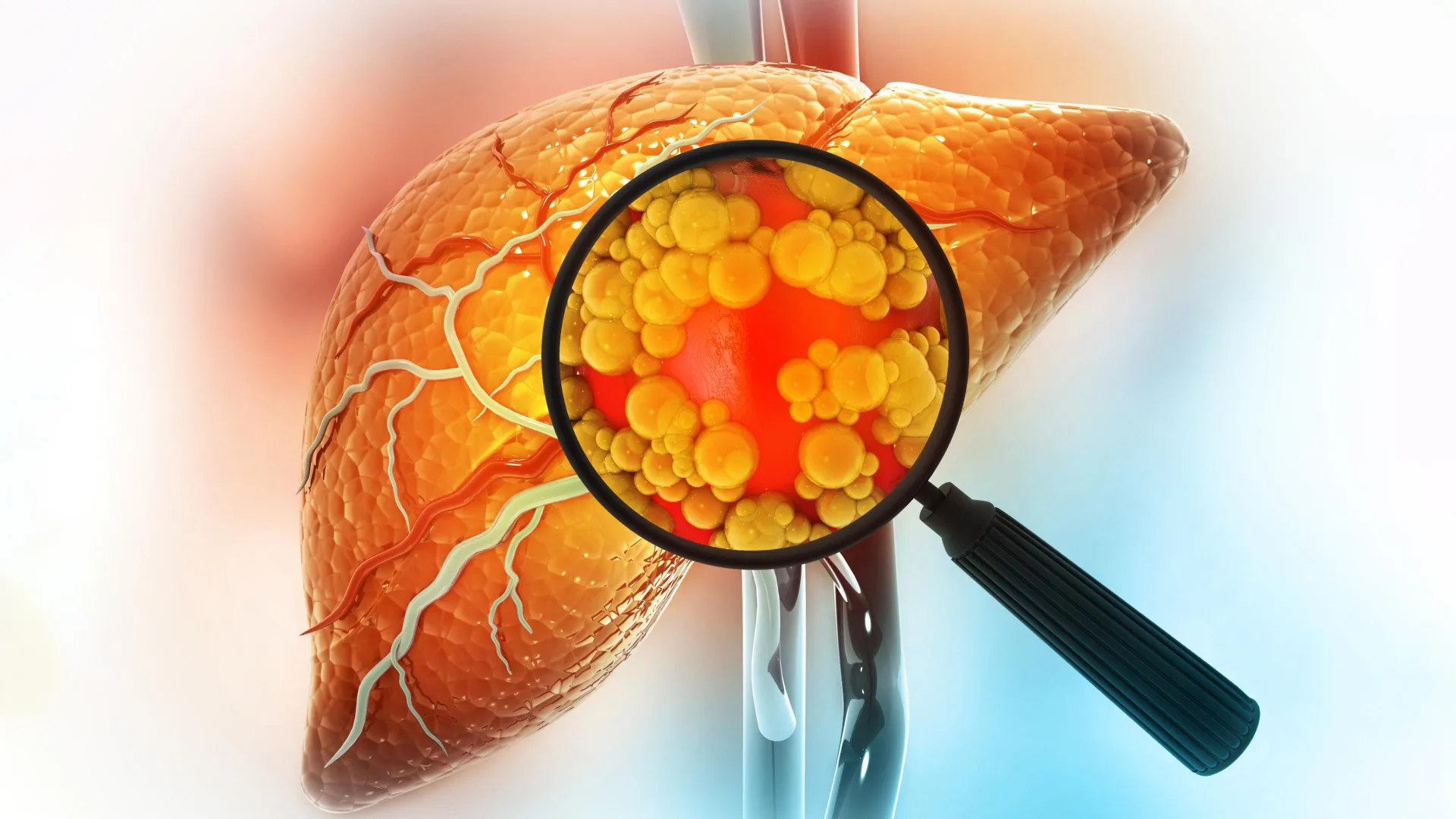
Metabolic dysfunction-associated steatotic liver disease (MASLD), formerly known as non-alcoholic fatty liver disease (NAFLD), has emerged as a silent epidemic in the 21st century. Affecting approximately 40% of the adult male population globally, this condition represents a complex interplay of hormonal health, dietary habits, and the intricate ecosystem of the human gut. Recent research published in the American Journal of Physiology-Endocrinology and Metabolism has shed new light on a particularly dangerous pathway: the synergistic relationship between diminished testosterone levels and high fructose consumption, which together significantly accelerate the progression of fatty liver disease.
The Rising Burden of Metabolic Liver Disease
The global prevalence of MASLD is inextricably linked to the rapid shifts in dietary patterns and sedentary lifestyles that have defined the last four decades. As the metabolic syndrome—a cluster of conditions including obesity, hypertension, and insulin resistance—becomes more common, the liver often bears the brunt of these systemic failures. MASLD begins with the accumulation of excess fat in the liver, known as steatosis. While early stages are often asymptomatic, the progression to inflammation and fibrosis can lead to cirrhosis or liver failure.
Historically, the medical community has viewed these risk factors—obesity, diabetes, and low testosterone—as individual contributors to liver pathology. However, the study conducted by a research team at the Graduate School of Agriculture, led by Hiroki Takahashi and Associate Professor Naoki Harada, suggests that these factors do not merely exist in parallel. Instead, they function as a biological "perfect storm" when combined, creating an environment that forces the liver to store fat at an accelerated rate.
Experimental Design and Chronology of the Study
To unravel the biological mechanics of this interaction, the research team implemented a controlled study using eight-week-old male mice. The experimental timeline was structured to isolate the effects of testosterone levels and fructose intake through a series of six distinct groups.
The methodology utilized castration as a model for systemic low testosterone, a standard approach in endocrinology research to observe the absence of androgenic influence on metabolic processes. The experimental groups included:
- Sham-operated mice (control)
- Sham-operated mice with a high-fructose diet
- Sham-operated mice with a high-fructose diet and antibiotic administration
- Castrated mice (control)
- Castrated mice with a high-fructose diet
- Castrated mice with a high-fructose diet and antibiotic administration
The inclusion of an antibiotic-treated group was a critical design choice. By modifying the gut microbiome, researchers could test whether the observed liver fat accumulation was mediated by the bacteria inhabiting the gastrointestinal tract. Over the course of the study, the team performed a multi-omic analysis, examining liver tissues, blood plasma markers, cecum organic acids, and bacterial colony composition.
The Discovery of a Metabolic Pathway
The data revealed a stark divergence between the individual and combined effects of the experimental variables. Individually, low testosterone and high fructose intake resulted in only modest changes to liver triglyceride levels. However, when the two variables were combined in the castrated, fructose-fed group, the liver weights increased significantly, indicating a profound escalation in fat accumulation.
The key to understanding this escalation lay in the cecum, a pouch connected to the junction of the small and large intestines. In mice exposed to both low testosterone and high fructose, the researchers observed a marked increase in the production of pyruvate—a key intermediate in the metabolic process that links sugar breakdown to energy production.
"Upon examining this mechanism, we found that changes in the gut microbiota led to increased levels of pyruvate within the intestine," stated Hiroki Takahashi. Further laboratory experiments using mouse-derived primary hepatocytes (liver cells) confirmed that pyruvate acts synergistically with fructose to promote the accumulation of neutral lipids. Essentially, the gut bacteria were acting as a catalyst, converting dietary inputs into a chemical compound that sensitized the liver to the fattening effects of fructose.
Microbiome Mediation and Antibiotic Intervention
The observation that antibiotic treatment mitigated the weight gain in the livers of the castrated, fructose-fed mice serves as strong evidence for the role of the gut-liver axis. This axis represents the bidirectional communication between the gut microbiota and the liver, mediated by microbial metabolites, bile acids, and immune signaling.
In this context, the study implies that low testosterone levels fundamentally alter the microbial landscape of the gut. This shift in the microbiome composition increases the metabolic output of pyruvate, which is then absorbed into the portal vein and transported directly to the liver. Once in the liver, the combination of elevated pyruvate and high dietary fructose creates a "hyper-lipogenic" environment, forcing the liver cells to synthesize and store triglycerides at a rate far higher than either factor could achieve on its own.
Implications for Human Health
The findings carry significant weight for public health policy and clinical practice. With approximately 40% of adult men struggling with some form of MASLD, the realization that hormonal decline (such as age-related hypogonadism) compounds the dangers of high-sugar diets provides a new framework for intervention.
For clinicians, these results suggest that patients with low testosterone levels may require more stringent dietary monitoring, particularly concerning the intake of high-fructose corn syrup and processed foods. Furthermore, the identification of the pyruvate pathway opens a new frontier in drug development. If pharmaceutical interventions can target the specific microbial populations responsible for excess pyruvate production, it may be possible to prevent the progression of liver damage in patients who are otherwise unable to strictly control their dietary intake.
"Going forward, we hope to clarify the mechanism by which pyruvate promotes triglyceride accumulation to pioneer the development of therapeutic drugs and establishment of preventive methods through dietary interventions," noted Professor Naoki Harada.
Contextualizing the Study within Broader Metabolic Research
The scientific community has long understood that the liver is a primary organ for fructose metabolism. Unlike glucose, which is processed by cells throughout the body, fructose is metabolized almost exclusively in the liver. When consumed in excess, it bypasses the body’s standard energy-regulation checkpoints, leading to rapid conversion into fat.
The addition of low testosterone to this equation is a vital development. Testosterone is known to have protective effects on metabolic health, including the regulation of insulin sensitivity and the promotion of lean muscle mass. As men age, the gradual decline in testosterone may inadvertently leave the liver more vulnerable to dietary insults. By linking this hormonal decline to microbial shifts, the researchers have provided a granular explanation for why older men are at a higher statistical risk for severe metabolic liver disease.
Limitations and Future Directions
While the results are compelling, it is essential to acknowledge that this study was conducted in a mouse model. While mice are the gold standard for metabolic research due to their physiological similarities to humans, the human gut microbiome is significantly more diverse and influenced by a wider array of environmental factors, including stress, sleep patterns, and medication use.
Future research must focus on validating these findings in human cohorts. Longitudinal studies tracking testosterone levels, dietary fructose intake, and microbiome composition in men would be the logical next step. Furthermore, researchers will need to determine if probiotic or prebiotic interventions could mimic the protective effects seen with the antibiotics used in the current study, potentially offering a safer, non-pharmacological approach to managing liver health.
Conclusion: A Multi-Pronged Approach to Prevention
The research from the Graduate School of Agriculture represents a significant advancement in our understanding of metabolic dysfunction. By identifying the gut microbiome as a mediator between hormonal health and dietary intake, the study highlights the importance of an integrated approach to liver health.
As MASLD continues to challenge global health systems, the focus must shift toward personalized strategies that account for the interconnected nature of the body’s systems. Whether through dietary modification, hormonal optimization, or future therapies targeting the gut-liver axis, the goal remains the same: to stop the progression of fatty liver disease before it reaches the point of irreversible damage. The synergy between testosterone and fructose, while dangerous, offers a clear target for medical intervention, promising a more effective path forward in the management of this chronic condition.