A Decade of Transformation: From Minimalist to Experiential
The landscape of airport lounges in 2016 was markedly different from today. At the time, American Airlines maintained its Flagship lounges primarily for high-net-worth international first-class passengers and top-tier elite status holders. However, the business-class-specific Flagship experience had not yet been fully realized, and the broader Admirals Club network was undergoing a period of aesthetic stagnation.
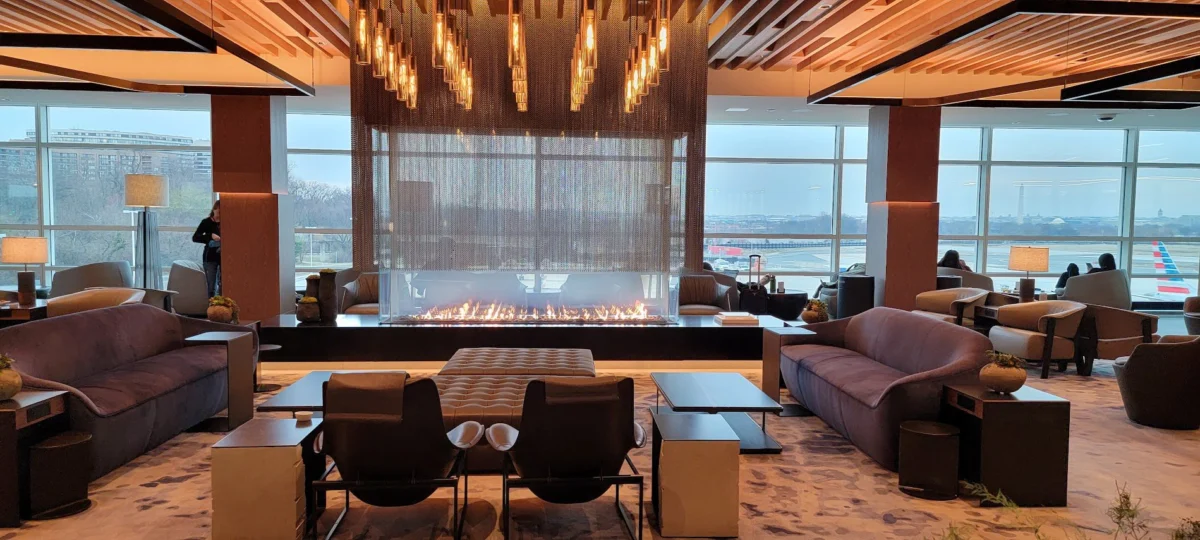
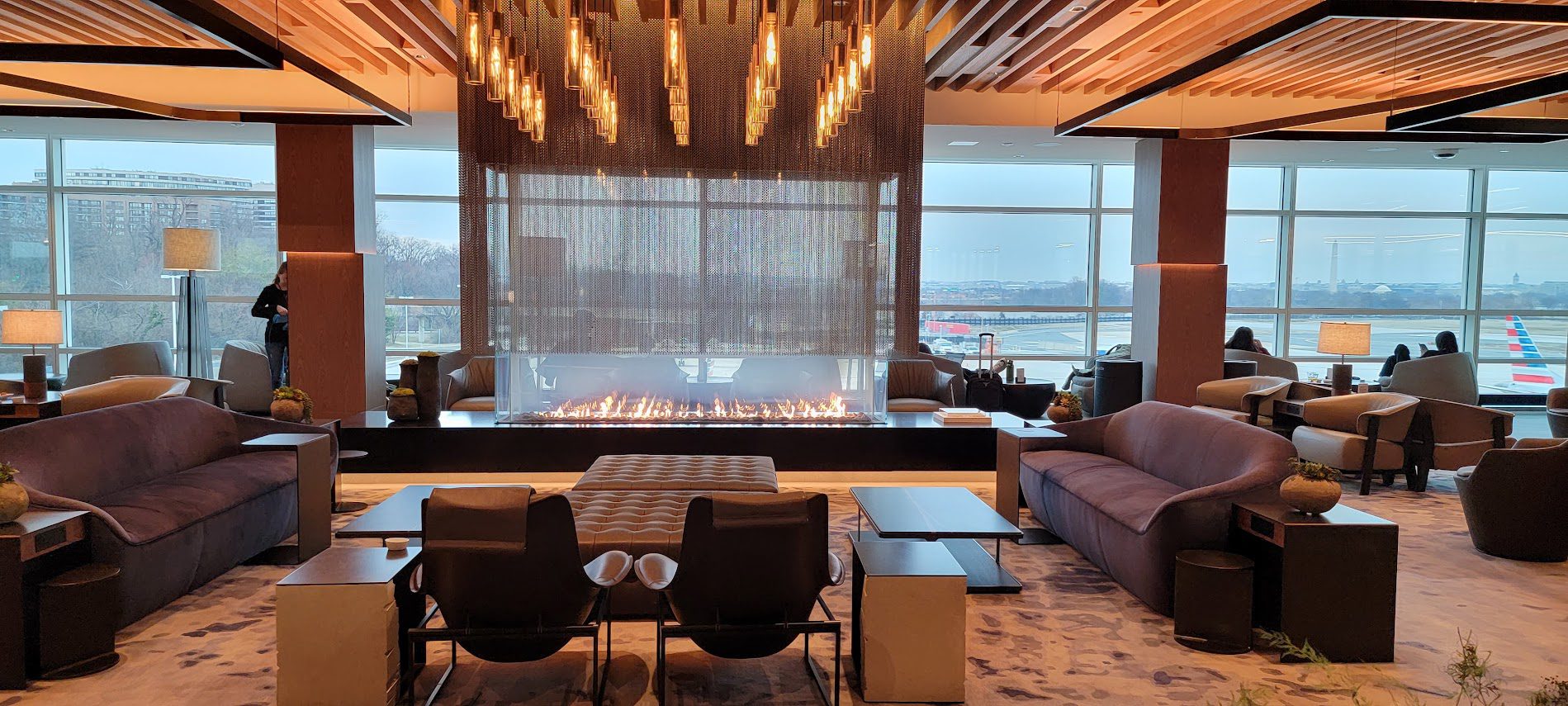
During the mid-2010s, American Airlines pursued a design philosophy often derided by frequent flyers as the “modern hospital” aesthetic. These renovations focused on clinical, cold finishes, sparse seating, and limited food options—often restricted to basic snacks like cheese cubes. This era of austerity was eventually abandoned in favor of a more premium, welcoming approach. The pivot began in earnest around 2022 with the unveiling of the new Admirals Club design at Washington National (DCA) Concourse E. By introducing warm lighting, natural wood finishes, cozy seating areas, and even fireplaces, the airline effectively rebranded its clubs from mere waiting rooms to destinations in their own right.
Following the success of the DCA model, American Airlines expanded its refurbishment program to Denver and Newark in 2023, followed by a significant overhaul of the Philadelphia lounge network in 2025. This move away from "bare-bones" service toward genuine hospitality—including improved buffet options and specialized dining—has directly influenced passenger behavior.
The Catalyst of Connectivity and De-banking
Several operational factors have contributed to this surge in lounge occupancy. American Airlines has systematically implemented a "de-banking" strategy at its major hubs. By spreading flight arrivals and departures more evenly throughout the day, the airline has successfully reduced congestion on the tarmac and improved on-time performance. However, this operational shift often results in longer connection times for passengers.
Instead of viewing these longer layovers as a disadvantage, travelers are increasingly using the time to access lounges. Because the quality of these spaces has improved, the "opportunity cost" of spending an hour or two in a lounge has vanished. Passengers are now staying longer, eating full meals, and utilizing the clubs as remote offices. This increased duration of stay creates a compounding effect on lounge capacity, requiring the airline to expand footprints even as total passenger volume remains relatively stable.
The Competitive Influence of Financial Institutions
The evolution of the airport lounge is inextricably linked to the entry of credit card issuers into the physical space. When American Express launched its inaugural Centurion Lounge in Las Vegas in 2013, the bar for quality was set significantly higher than what legacy airlines provided at the time. The inclusion of high-end dining, spa services, and sophisticated design elements created a competitive pressure that the airline industry could not ignore.
Initially, major carriers like American Airlines viewed these bank-operated lounges as a threat to their own membership programs. However, the market proved that the presence of high-quality lounges actually increased the overall demand for premium travel products. The banks were, in part, making a defensive play. As major airline mergers—such as the Continental-United consolidation and the American-US Airways merger—resulted in the loss of proprietary credit card lounge access for certain cardholders, financial institutions had to create their own ecosystems to retain customer loyalty.

The impact of this shift is so significant that it has even influenced state legislation. In 2023, the Commonwealth of Virginia passed emergency legislation to modernize alcohol licensing laws, specifically to allow financial institutions and their partner lounge operators to serve mixed beverages. This legal intervention paved the way for spaces like the "Capital One Landing" at DCA, which features high-profile culinary collaborations. These lounges have become a primary marketing hook for premium credit cards, with banks now acting as the primary financiers of the airport experience.
Economic Implications and Future Outlook
The current business model prioritizes credit card partnerships over direct memberships. While a full Admirals Club membership can cost up to $1,400 annually, American Airlines aggressively markets the Citi Executive AAdvantage World Elite Mastercard, which provides lounge access for an annual fee of $695. By tethering lounge access to credit card spending, the airline secures long-term financial relationships that extend far beyond the duration of a single flight.
The data confirms that this strategy is working. Despite the proliferation of third-party lounges operated by banks, throughput in American’s own clubs has continued to grow. This suggests that the market for premium airport space is not a zero-sum game; rather, it is a growing sector where supply is struggling to keep pace with demand.
To address this, American Airlines has shifted its strategy from one of contraction to aggressive expansion. After a decade marked by closures and budget-focused renovations, the airline has committed to an ambitious development schedule: promising to open, renovate, or expand one lounge per month, on average, over the next three years.

Conclusion: The New Standard of Travel
The 80% growth in lounge traffic is more than a statistical curiosity; it is a reflection of the "premiumization" of the passenger journey. Travelers now demand a seamless, high-quality environment that serves as an extension of their home or office. With airlines and financial institutions locked in a cycle of upgrading amenities to capture the loyalty of high-spending customers, the airport lounge has transitioned from an optional luxury to a core expectation of modern air travel. As American Airlines continues its multi-year expansion, the focus will likely remain on capacity management and the integration of even higher-quality dining and service standards to ensure that these spaces remain viable as passenger demand continues to evolve.