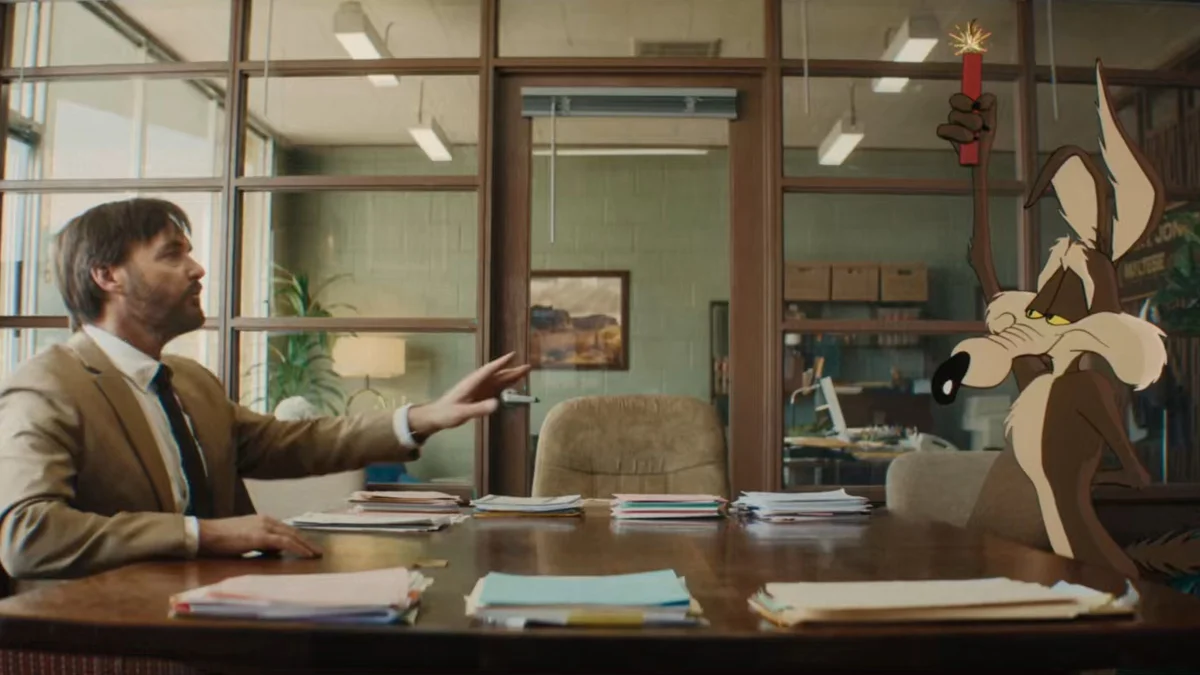
The long-gestating, highly publicized hybrid film Coyote vs. Acme has officially cleared its final hurdle in the road to cinematic legitimacy: the Academy of Motion Picture Arts and Sciences has confirmed the film’s eligibility for the Best Animated Feature category at the 2027 Academy Awards. This development marks a significant milestone for a project that, only months ago, appeared destined to be erased from the cultural record. Following a dramatic acquisition by Ketchup Entertainment, the film—which blends live-action performances from Will Forte and John Cena with the classic animation of the Looney Tunes—is now positioned to compete against some of the most anticipated titles in the industry.
A Turbulent Journey: From Shelving to Submission
The history of Coyote vs. Acme is a case study in the shifting landscape of modern studio economics. Originally produced under the Warner Bros. Discovery banner, the film was initially slated for a streaming release on the Max platform. However, in late 2023, the studio made the controversial decision to shelf the completed film entirely, opting for a tax write-down instead of a public release. This move triggered an unprecedented outcry from creators, industry professionals, and the general public, who viewed the abandonment of a finished, multimillion-dollar project as a dangerous precedent for the film industry.
For several months, the fate of the film remained in limbo as rumors circulated about its potential destruction. The public discourse centered on the value of artistic labor and the ethics of corporate tax strategies that prioritize balance sheets over the distribution of creative content. The eventual "rescue" of the film by Ketchup Entertainment allowed for the project to find a home, a release strategy, and ultimately, an Oscar campaign. This transition from a corporate liability to a recognized Academy contender underscores the volatile nature of the current film distribution environment.
The Hybrid Category: Redefining Animation
The eligibility of Coyote vs. Acme brings renewed attention to the criteria for the Best Animated Feature Oscar. Historically, the Academy has grappled with the definition of "animation," particularly as modern filmmaking techniques continue to blur the lines between live-action, motion capture, and traditional animation.
Coyote vs. Acme is not the first film to navigate these waters. In 2022, the critical darling Marcel the Shell With Shoes On, a stop-motion animated film that prominently featured live-action elements, was deemed eligible for the category. The precedent established by such films suggests that the Academy is increasingly willing to look at the "soul" of the production—specifically the amount of labor and frame-by-frame animation required—rather than relying on a binary live-action vs. animated classification.
According to the rules set forth by the Academy, to be considered for Best Animated Feature, a film must have a running time of more than 40 minutes and a significant number of its major characters must be animated. With the Looney Tunes characters serving as the primary drivers of the narrative alongside their human counterparts, Coyote vs. Acme comfortably meets these requirements, setting the stage for a competitive season.
The 2027 Competitive Landscape
Securing eligibility is only the first step in a long race. The 2027 category for Best Animated Feature is shaping up to be one of the most crowded and diverse in recent memory. The competition includes:
- Wildwood: A stop-motion fantasy epic from the acclaimed studio Laika, known for its meticulous attention to detail and hand-crafted aesthetic.
- Toy Story 5: The latest installment in Pixar’s flagship franchise, representing the high-gloss, technological prowess that the studio is known for.
- Hoppers: Another major entry from the Disney-Pixar pipeline, representing the studio’s push into new narrative territory.
- Ray Gunn: The long-awaited science-fiction project from legendary director Brad Bird, which has generated significant buzz for its innovative visual style and thematic depth.
The presence of Coyote vs. Acme in this lineup creates an interesting dynamic. While the other contenders are largely studio-driven, big-budget animated epics, Coyote vs. Acme brings a meta-commentary on the nature of cartoons and the legacy of the Looney Tunes brand. The film’s ability to lean into its identity as a hybrid production may be its greatest asset or its most significant challenge, depending on how the Academy’s animation branch decides to prioritize its voting criteria this year.
Economic and Strategic Implications
The path of Coyote vs. Acme offers a clear look at the changing economics of film distribution. The decision to move the film to Ketchup Entertainment proved that there is a viable market for "orphaned" films—projects that fall outside of the strategic focus of major conglomerates. By allowing the film to seek independent distribution, the original stakeholders were able to mitigate their losses while providing an opportunity for the cast and crew to see their work reach an audience.
Market analysts have noted that the 4K Ultra HD pre-order availability of the film, which begins shipping on December 1st, is a key component of its commercial strategy. By targeting the home media market alongside its Oscar eligibility, the production team is maximizing its reach. This dual-track approach—balancing prestige, critical acclaim, and consumer accessibility—is becoming the gold standard for independent and mid-budget films in a theatrical market that is increasingly dominated by tentpole franchises.
Official Responses and Industry Sentiment
While neither Warner Bros. nor Ketchup Entertainment has provided extensive public commentary on the Oscar bid, industry insiders suggest that the move was highly calculated. Securing an Oscar nomination, or even the validation of being "eligible," provides a stamp of legitimacy that can drive downstream licensing and streaming interest.
For the talent involved, such as Will Forte and John Cena, the eligibility status represents a vindication of their efforts. In interviews surrounding the film’s release, the cast has frequently highlighted the dedication of the animation team, noting that the production was designed to pay homage to the classic "Acme" era of Looney Tunes shorts while injecting a modern, satirical edge. The Academy’s decision to recognize the film validates the artistry that went into the project, regardless of the behind-the-scenes turmoil that once threatened to suppress it.
Looking Toward the Awards Ceremony
The nomination process will conclude in the coming months, with the final list of nominees to be announced early in 2027. The Academy’s animation branch, which consists of professionals who work in both traditional and computer-generated animation, will be tasked with evaluating a diverse slate of entries.
The inclusion of Coyote vs. Acme serves as a reminder that the Academy is not immune to the broader cultural conversations surrounding the film industry. The story of the film—from its near-erasure to its current status as an award contender—has resonated with audiences who are increasingly concerned about the preservation of creative history.
As the 2027 awards season progresses, the discourse will likely move from the film’s troubled history to its technical merits. Critics who have reviewed the film have often pointed to the balance between the live-action sequences and the integration of the animated characters as a technical achievement in itself. If the film can successfully navigate the crowded field of Pixar, Laika, and other major studios, it will represent a victory for independent production strategies and a testament to the resilience of the creative team behind the Looney Tunes legacy.
In summary, the eligibility of Coyote vs. Acme is more than just a bureaucratic milestone; it is a signal that the landscape of animation is expanding. By bridging the gap between live-action performance and traditional animation, the film has carved out a unique space for itself in a high-stakes competitive field. Whether it ultimately takes home the golden statue or serves as a successful disruptor in the category, the film’s journey from a discarded asset to an Oscar contender will be studied by industry professionals for years to come.