When catastrophic climate events strike, the immediate aftermath is defined by structural devastation, emotional shock, and a frantic scramble for survival. Yet, alongside rising floodwaters and wind-whipped infernos, a secondary crisis is rapidly unfolding across the globe: an unprecedented wave of digital misinformation and conspiracy theories that outpaces the speed of emergency response agencies. In an era marked by escalating climate anomalies, eroding institutional trust, and a fragmented digital information ecosystem, rumors are no longer just a byproduct of public confusion—they have become an active hazard that delays disaster relief, endangers public safety personnel, and deepens community trauma.
The modern information crisis surrounding natural disasters is characterized by a toxic convergence of factors. Major social media platforms have largely dismantled rigorous content moderation and fact-checking protocols, generative artificial intelligence has introduced opaque and unvetted sources of real-time data, and public trust in government institutions has plummeted to historic lows. According to recent data from the Pew Research Center, fewer than 20 percent of Americans state that they trust the federal government to do the right thing most of the time. This deep-seated skepticism creates a fertile vacuum where unverified claims, political posturing, and outlandish conspiracy theories can take root, spread virally, and directly undermine emergency recovery efforts.
Anatomy of a Climate Conspiracy: The Maui Wildfires
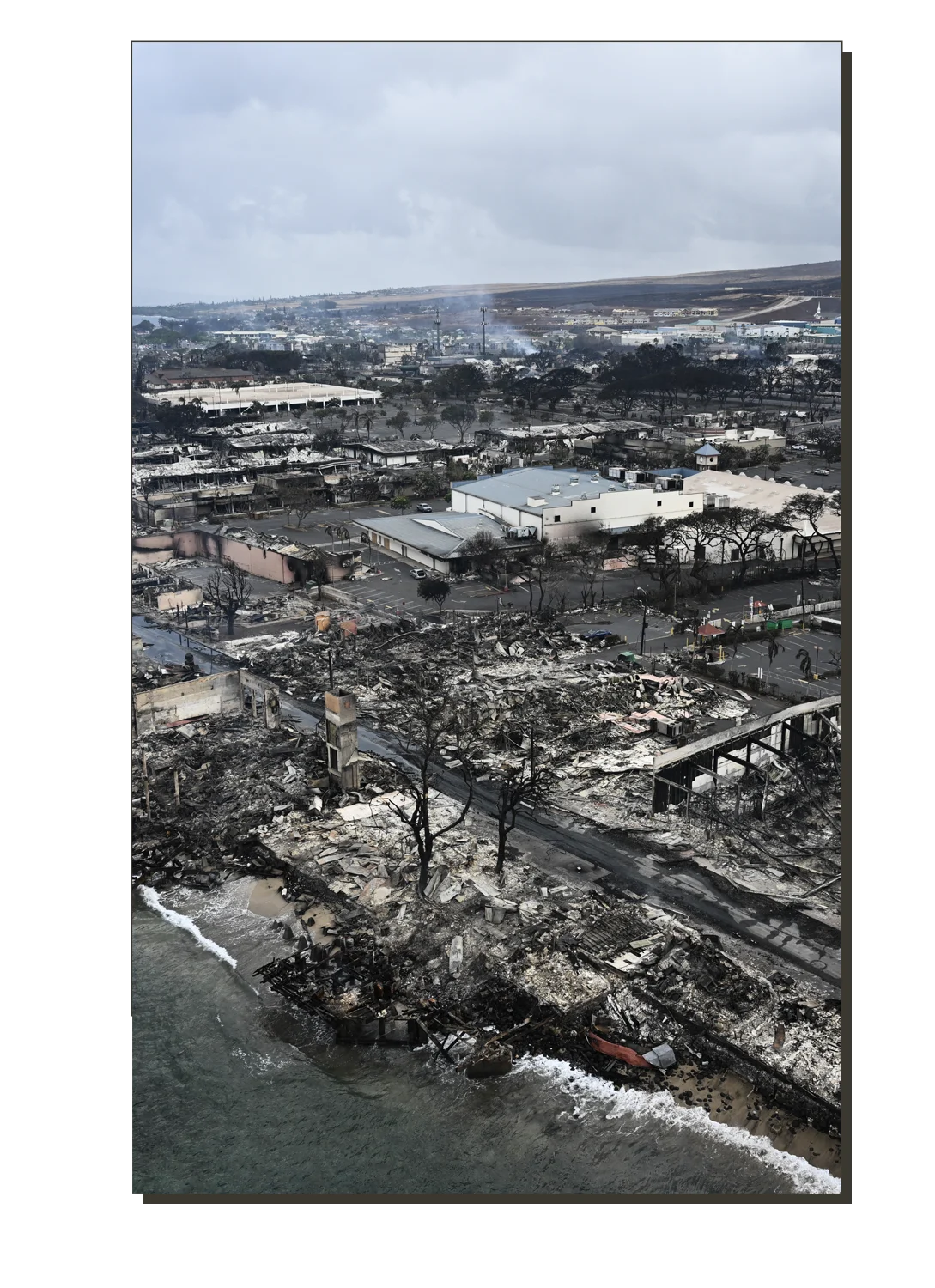
To understand how rapidly misinformation can distort public perception during a crisis, one need only examine the devastating wildfires that swept through Maui, Hawaii, in August 2023. The disaster, which was triggered when a broken power pole owned by a local utility sparked against dry vegetation on a high-wind day, ultimately claimed more than 100 lives, destroyed nearly 2,000 structures, and caused upwards of $5.5 billion in damages.
Almost immediately, however, digital platforms were flooded with a fabricated narrative alleging that the fires were not a natural or accidental tragedy, but a deliberate attack. Across TikTok, Instagram, and X (formerly Twitter), viral posts claimed that the government had deployed a "directed energy weapon" or an invisible laser to burn down the historic town of Lahaina. These falsehoods were amplified by various right-wing media personalities and, according to findings by the New York Times, foreign state-linked accounts, notably from China, which circulated parallel rumors of weather-control weaponry.
The evolution of this specific conspiracy theory illustrates how old images and unrelated events are aggressively recontextualized to fit a manufactured crisis narrative:
January 2018: A mechanical issue at the Marathon Petroleum Refinery in Canton, Ohio, causes a routine industrial flare. A local resident captures a blurry photograph containing an upward-pointing lens flare and uploads it to Facebook.
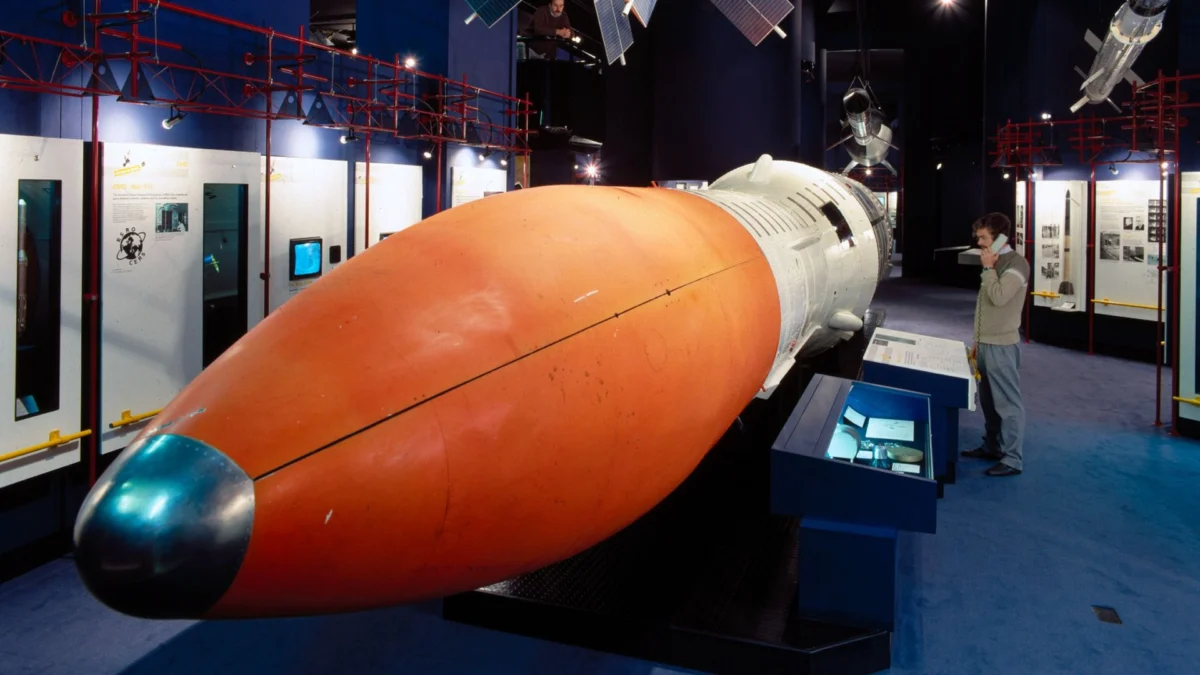
May 2018: SpaceX launches a Falcon 9 rocket from Vandenberg Space Force Base in California, posting an official photograph of the plume and trail on Instagram.
May 2023: A severe windstorm in Santiago, Chile, causes an electrical transformer to explode, capturing a bright flash and accompanying lens flare on video, which is subsequently shared on TikTok.
August 2023: Brush fires erupt and spread uncontrollably across Maui, Hawaii, resulting in catastrophic loss of life and property.
Post-Disaster Amplification: Within hours of the Maui fires, social media accounts began harvesting the 2018 Ohio refinery flare, the California rocket launch, and the Chilean transformer explosion, falsely presenting them as visual evidence of energy weapons targeting Hawaii.
The Spread and Failure of Retractions: While some initial uploaders, such as Hawaii-based Instagram creator @for_our_rights_kauai, later posted retractions acknowledging the images were entirely unrelated, the corrections gained a fraction of the visibility. Influential accounts, such as the health-entrepreneur-run page @cultivateelevate, broadcasted screenshots of the debunked claims to hundreds of thousands of followers, allowing the conspiracy to take on a permanent life of its own.
Impact on Emergency Management and Public Safety
The real-world consequences of such widespread disinformation extend far beyond online debates; they directly impede emergency operations on the ground. The Federal Emergency Management Agency (FEMA), which serves as the primary federal backstop for state and local disaster response, has consistently borne the brunt of these conspiracy campaigns.
During the aftermath of Hurricane Helene in late 2024, misinformation reached dangerous levels. Baseless rumors circulated online claiming that the federal government was intentionally withholding aid from North Carolina, or conversely, that relief workers were seizing private land and property from victims. These falsehoods fueled intense hostility toward emergency personnel. FEMA Administrator Deanne Criswell reported that field operations had to be temporarily shut down after credible threats involving armed individuals targeting relief workers emerged. Furthermore, high-ranking FEMA officials, including Criswell and her deputy, were subjected to "swatting"—a malicious prank where anonymous callers made false emergency reports designed to dispatch heavily armed SWAT teams to their residential addresses.
These coordinated disruptions severely strained an already overextended disaster relief apparatus. Academic reviews published in public health and emergency management journals have consistently noted that bad information during crises leads directly to resource misallocation, overwhelmed emergency hotlines, and the diversion of critical attention away from genuine humanitarian needs. Furthermore, studies tracking public response to extreme weather—such as a Department of Homeland Security analysis of a 2017 California flood and Inter-American Development Bank research following the 2017 Mexico City earthquake—demonstrate that inaccurate instructions and manufactured crises lead to unnecessary mass evacuations, traffic gridlock, and permanent drops in civic trust.
The Emerging Threat of Artificial Intelligence
Compounding the traditional hazards of social media rumor mills is the rapid proliferation of generative artificial intelligence and large language models (LLMs). With approximately a quarter of U.S. adults now utilizing AI chatbots on a daily basis—predominantly as search engines for real-time information—these systems occupy a critical and largely untested role during weather emergencies.
While corporate chatbots are generally programmed to reject blatantly false queries—such as confirming the existence of directed energy weapons in Maui—they remain vulnerable to data-scraping errors, outdated reports, and contextual misinterpretations. In a fast-moving disaster scenario where evacuation routes change hourly or eligibility criteria for federal assistance shift rapidly, relying on an unverified algorithmic summary can prove hazardous. Organizations such as the American Red Cross and academic institutions have begun developing specialized crisis-response chatbots, such as Clara and Crisischat, to streamline relief communication. However, communication experts emphasize that public trust in these automated tools remains an unquantified variable. As Dr. Anita Atwell Seate of the University of Maryland notes, if a public distrusts official sources, they will act on whatever information they perceive as credible, regardless of its objective accuracy.
Strategies for Mitigating Information Chaos
Emergency management professionals increasingly recognize that combating misinformation cannot rely solely on reactive fact-checking or algorithmic censorship. Because corrections inherently travel slower and achieve significantly less reach than sensationalist falsehoods, traditional debunking efforts are insufficient.
Instead, leading experts advocate for a proactive, community-centric model of communication. Establishing trusted information channels long before a disaster strikes is vital. Toward the end of the Biden administration, FEMA began experimenting with localized engagement strategies, partnering with trusted community figures, such as native cultural leaders in Hawaii and caregiving associations, to distribute verified instructions through organic social networks. By relying on respected local messengers—"Jim down at the fire station" rather than an anonymous federal spokesperson—emergency agencies can bridge the profound trust deficit that characterizes contemporary society.
Ultimately, navigating the modern information landscape during extreme weather requires viewing crisis communication not as a definitive battle to be won, but as ongoing trench warfare. As climate change continues to supercharge natural disasters, the ability of emergency managers to secure a shared sense of truth will remain one of the defining challenges of modern governance—often marking the decisive difference between a managed recovery and an avoidable tragedy.