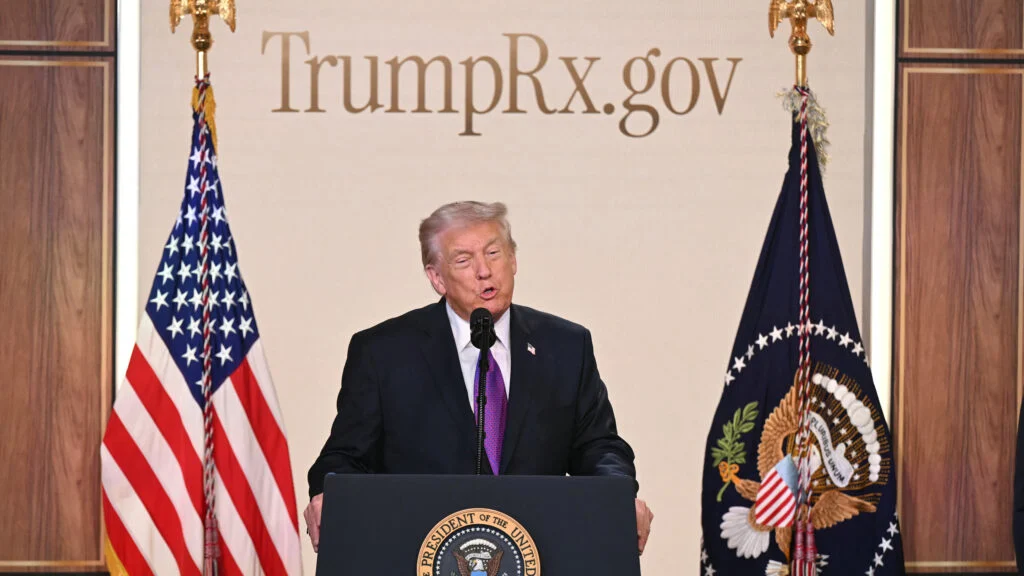
A high-stakes political and regulatory showdown is brewing over the efficacy of the White House’s flagship pharmaceutical initiative, TrumpRx. Frank Pallone (D-N.J.), the ranking member of the House Committee on Energy and Commerce, has formally requested that the Government Accountability Office (GAO) launch an independent audit into the platform. At the heart of the request is a demand for transparency regarding the administration’s bold assertion that the website has facilitated $700 million in savings for American consumers since its inception in February 2026.
The TrumpRx platform, which functions primarily as a digital clearinghouse for pharmaceutical discount coupons and links to manufacturer programs, has been a centerpiece of the administration’s healthcare strategy. While the White House has championed the portal as a transformative tool for patients struggling with high out-of-pocket costs, critics argue that the lack of verifiable data regarding these claims obscures the true impact of the project.
The Scope of the Inquiry
In a letter dated October 27, 2026, Representative Pallone articulated concerns that have been circulating among health policy experts for months. The inquiry focuses on whether the platform provides genuine financial relief or if the claimed savings figures are based on opaque metrics. Pallone’s letter explicitly challenges the administration’s refusal to disclose the terms of "most-favored nation" agreements brokered with more than two dozen major pharmaceutical manufacturers.
"The public has been inundated with sweeping statements about the success of the TrumpRx platform," Pallone wrote. "However, the administration has failed to disclose key information that would allow independent observers to evaluate whether this portal has provided any meaningful financial benefit to the average patient, or if these figures are simply a reflection of existing manufacturer programs being rebranded under the TrumpRx umbrella."
A Timeline of the TrumpRx Initiative
The development of TrumpRx represents a pivot in the administration’s approach to drug pricing, moving away from broad legislative mandates toward voluntary agreements with the private sector.

- February 2026: The TrumpRx portal is officially launched with the promise of lowering prices for thousands of prescription drugs by connecting patients directly to manufacturer-led discount programs.
- April 2026: The administration releases initial figures suggesting that tens of thousands of users have accessed the site, though specific dollar-value savings data remains sparse.
- August 2026: The White House issues a formal fact sheet announcing a major expansion of the program, claiming that agreements with nine additional pharmaceutical manufacturers have brought the cumulative consumer savings to $700 million.
- October 2026: Representative Frank Pallone formally submits a request to the GAO, citing a lack of transparency and a need for rigorous oversight of the platform’s performance metrics.
Analyzing the Claims of $700 Million in Savings
The figure of $700 million, while significant in a political context, warrants a deeper look into how "savings" are calculated in the pharmaceutical industry. Economists and healthcare analysts often note that "list price" versus "net price" creates a wide chasm in patient costs. Many of the programs linked through the TrumpRx site are pre-existing manufacturer assistance programs (PAPs) or third-party coupon initiatives that have been in operation for years.
The GAO investigation will likely seek to determine if the $700 million figure represents incremental savings—money that would not have been saved had the website not existed—or if it is merely an aggregation of standard manufacturer discounts that were already available to the public. If the latter is true, the claim that the platform itself has "saved" Americans money may be fundamentally misleading.
Furthermore, the "most-favored nation" agreements referenced in the House letter add a layer of complexity. These agreements typically stipulate that the manufacturer will provide the government with the lowest price available in other markets or to other large purchasers. If the White House has indeed secured such terms, the implications for the broader market could be substantial. However, without public disclosure of these contracts, it is impossible for the public or independent watchdogs to verify if these prices are being passed on to the consumer or if the savings are being captured by middlemen in the pharmaceutical supply chain, such as pharmacy benefit managers (PBMs).
Reactions and Official Perspectives
The White House has consistently defended the platform as a vital resource. A spokesperson for the administration stated that the portal was designed to bridge the information gap, ensuring that patients are aware of the assistance programs available to them. "The goal of TrumpRx is to cut through the complexity of the drug pricing system," the official remarked. "By aggregating these discounts, we are putting power back into the hands of the American patient."
Conversely, industry watchdogs and patient advocacy groups have expressed cautious support for the intent of the program while echoing Pallone’s call for transparency. "Transparency is the bedrock of effective public policy," said one representative from a non-partisan healthcare advocacy group. "If the government is going to tout a $700 million success story, they have an obligation to show their work. Without a clear methodology, these numbers are just rhetoric."
The Broader Implications for Healthcare Policy
The GAO audit, should it proceed, will serve as a bellwether for the future of executive-led healthcare interventions. If the investigation concludes that the platform’s impact has been overstated, it could provide significant political ammunition to the administration’s opponents, potentially leading to legislation that would force stricter oversight of digital health initiatives.

Moreover, the inquiry highlights a recurring issue in the pharmaceutical sector: the proliferation of discount coupons. Critics argue that these coupons often shield patients from the true, high cost of drugs, effectively encouraging them to continue using expensive brand-name medications when cheaper biosimilars or generics might be available. By promoting these coupons, the administration could inadvertently be propping up high list prices rather than incentivizing lower, sustainable drug pricing.
What Comes Next
The GAO’s process typically begins with a preliminary inquiry to determine if the request falls within its mandate. If accepted, the audit would likely involve a multi-month review of the administration’s documentation, interviews with the agencies responsible for managing the platform, and an analysis of the data provided by the pharmaceutical companies that signed the agreements.
The outcome of this audit will be closely watched by stakeholders across the spectrum, from pharmaceutical executives who are wary of government intervention into their pricing strategies, to insurers and employers who are searching for any mechanism to curb the rising costs of employer-sponsored health plans.
As the political climate remains volatile, the TrumpRx platform serves as a case study in the intersection of digital convenience and the complex, often opaque, mechanics of the American healthcare economy. Whether the GAO finds that the portal is a triumph of policy or a triumph of marketing remains to be seen, but the request for an audit ensures that the debate over the platform’s true value is far from over.
For now, the burden of proof rests with the administration. As Representative Pallone noted in his conclusion to the GAO, "The American people deserve to know if these savings are real, or if they are simply a mirage created by a lack of oversight. We owe it to the patients who rely on these medications every day to provide full transparency on this matter." The upcoming months will undoubtedly see a rigorous examination of these claims, potentially reshaping the discourse on how the government interacts with the pharmaceutical industry in the digital age.