Deep beneath the surface of the Atlantic Ocean, near the coral reefs of Key Largo, Florida, four researchers recently completed a five-day mission that bridged the gap between marine exploration and interplanetary colonization. The SEA STAR crew, led by astrobiologist Dr. Michaela Musilova, utilized the Jules’ Undersea Lab to conduct a rigorous simulation of long-duration space flight. By living in a pressurized, isolated environment 22 feet below the surface, the team aimed to gather critical data on human performance, psychological resilience, and operational efficiency in extreme environments—parameters that will define the success of future crewed missions to the Moon and Mars.
The Jules’ Undersea Lab, a facility with a storied history in saturation diving, served as the ideal surrogate for a planetary habitat. Originally commissioned in the 1970s as "La Chalupa," the structure was designed as a mobile research station, capable of being submerged or towed like a barge. Today, it remains one of the few functional underwater habitats in the world, providing a rare opportunity for researchers to test the boundaries of human endurance in a setting that mimics the physical and mental pressures of life in space.
A Chronology of Underwater Habitats and Scientific Missions
The concept of using underwater saturation as a training ground for space exploration is not new, yet it remains one of the most effective methods for preparing astronauts for the hazards of space. The history of the Jules’ Undersea Lab is marked by significant milestones in human physiology and deep-sea engineering.
In the 1970s, La Chalupa was a marvel of marine engineering. Its modular design allowed aquanauts to submerge the vessel by flooding its ballast tanks, effectively turning a floating barge into a pressurized submarine. Once the mission concluded, the crew would de-ballast the vessel, allowing it to return to the surface for relocation.
Over the decades, the facility transitioned from its original commercial and research purposes to a specialized hub for space-analog studies. It has hosted dozens of missions, including a landmark 30-day NASA-sponsored project and two separate expeditions that achieved world records for the longest duration spent living underwater: 73 days and 100 days, respectively. These missions provided invaluable longitudinal data on how prolonged isolation and pressurized living affect the human immune system, circadian rhythms, and cognitive function.
The Anatomy of an Extreme Environment
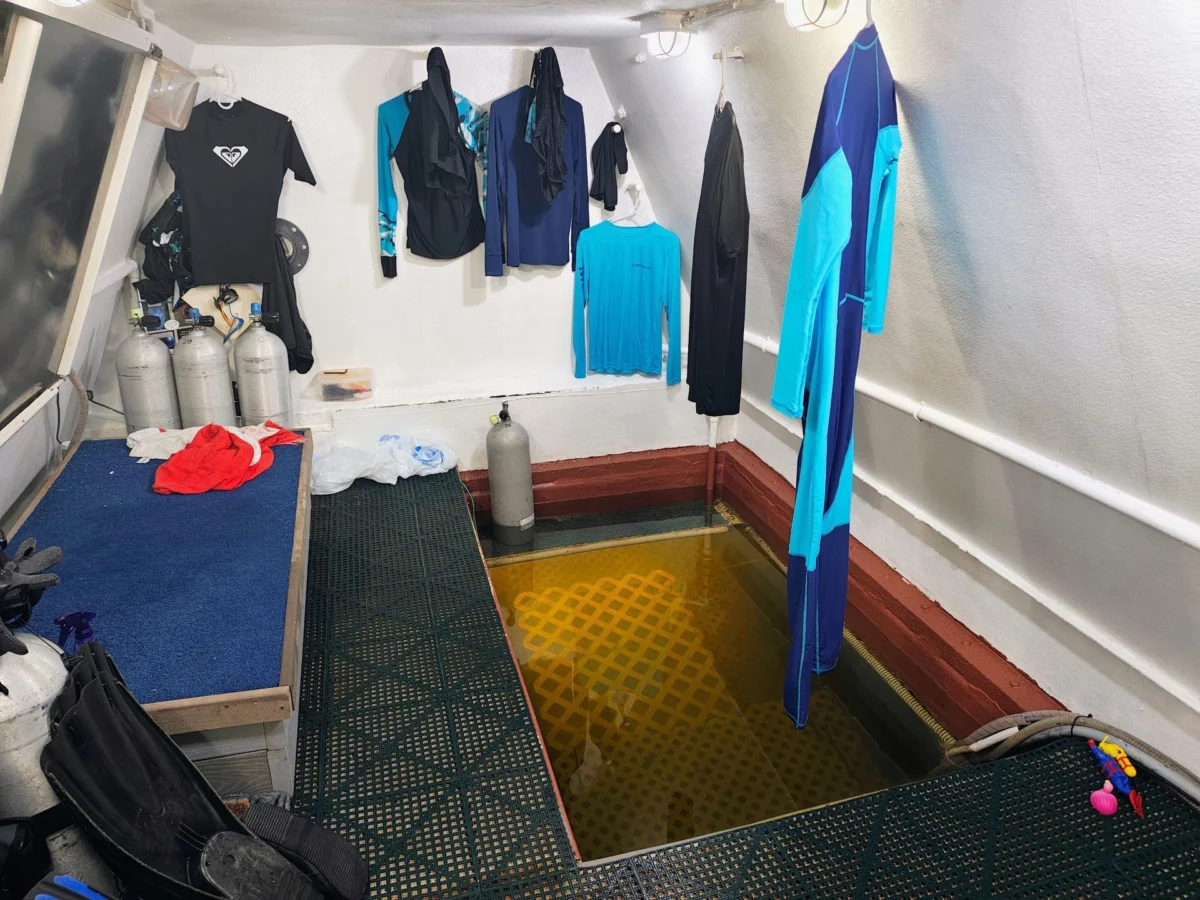
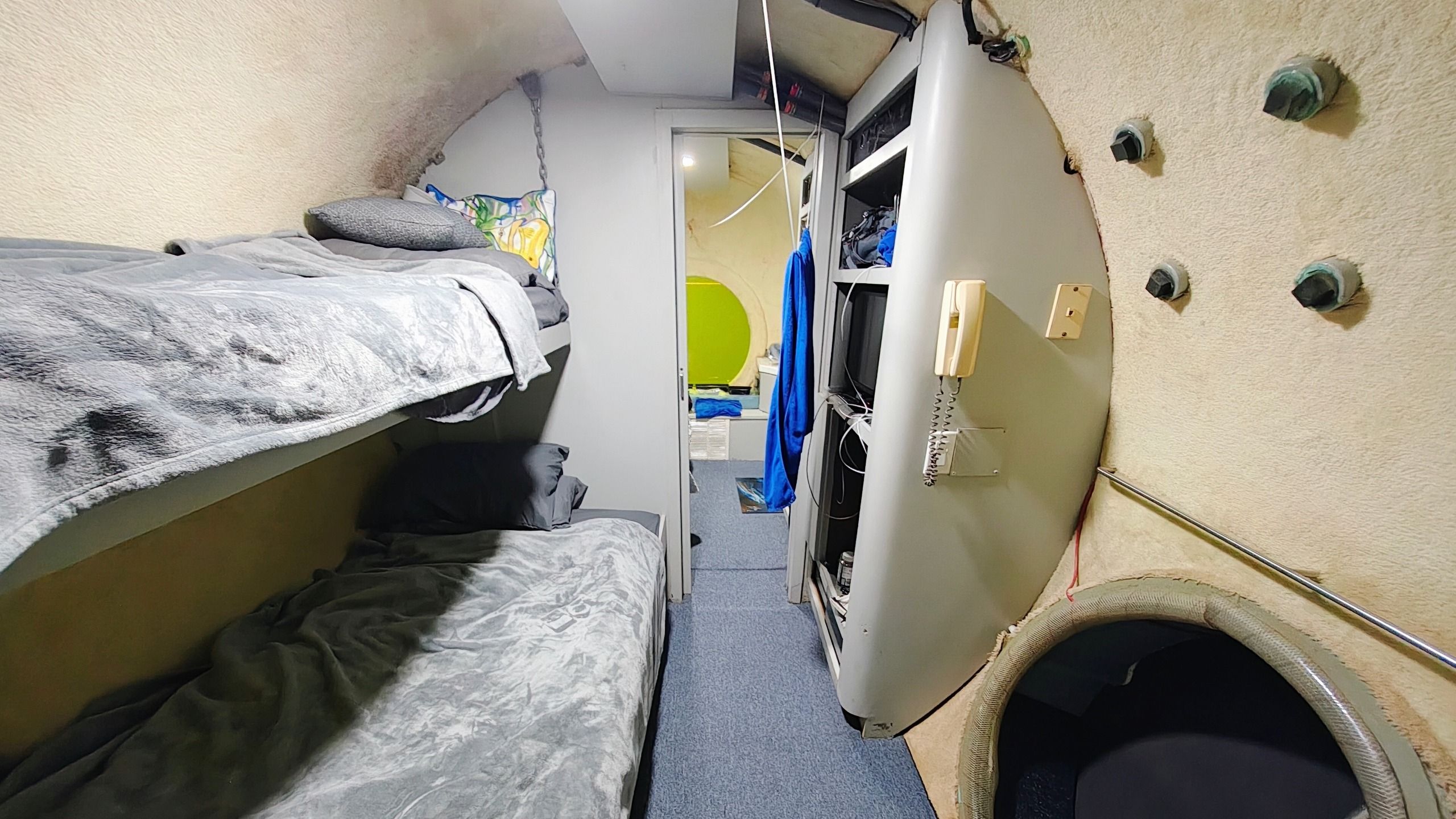
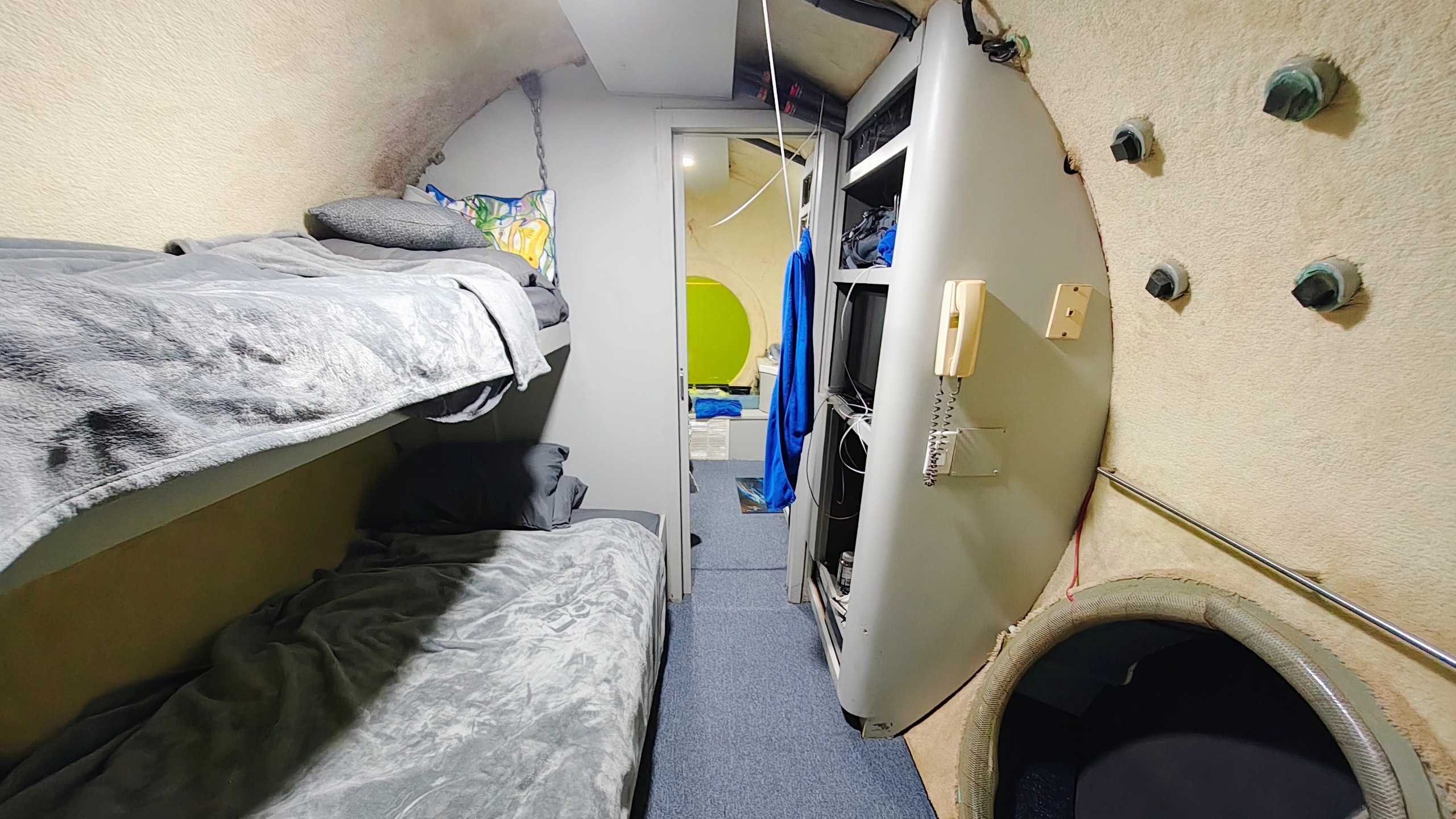
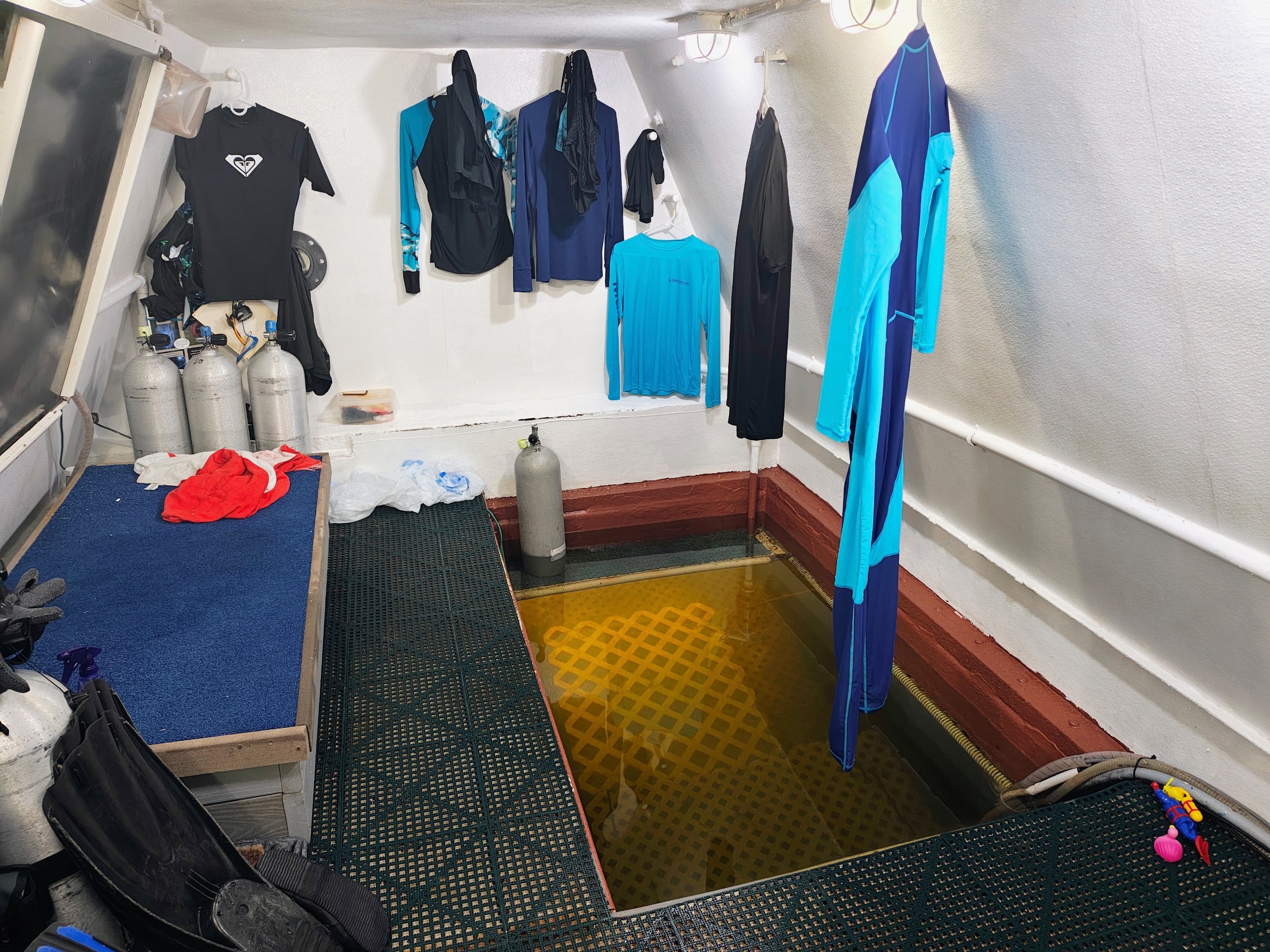
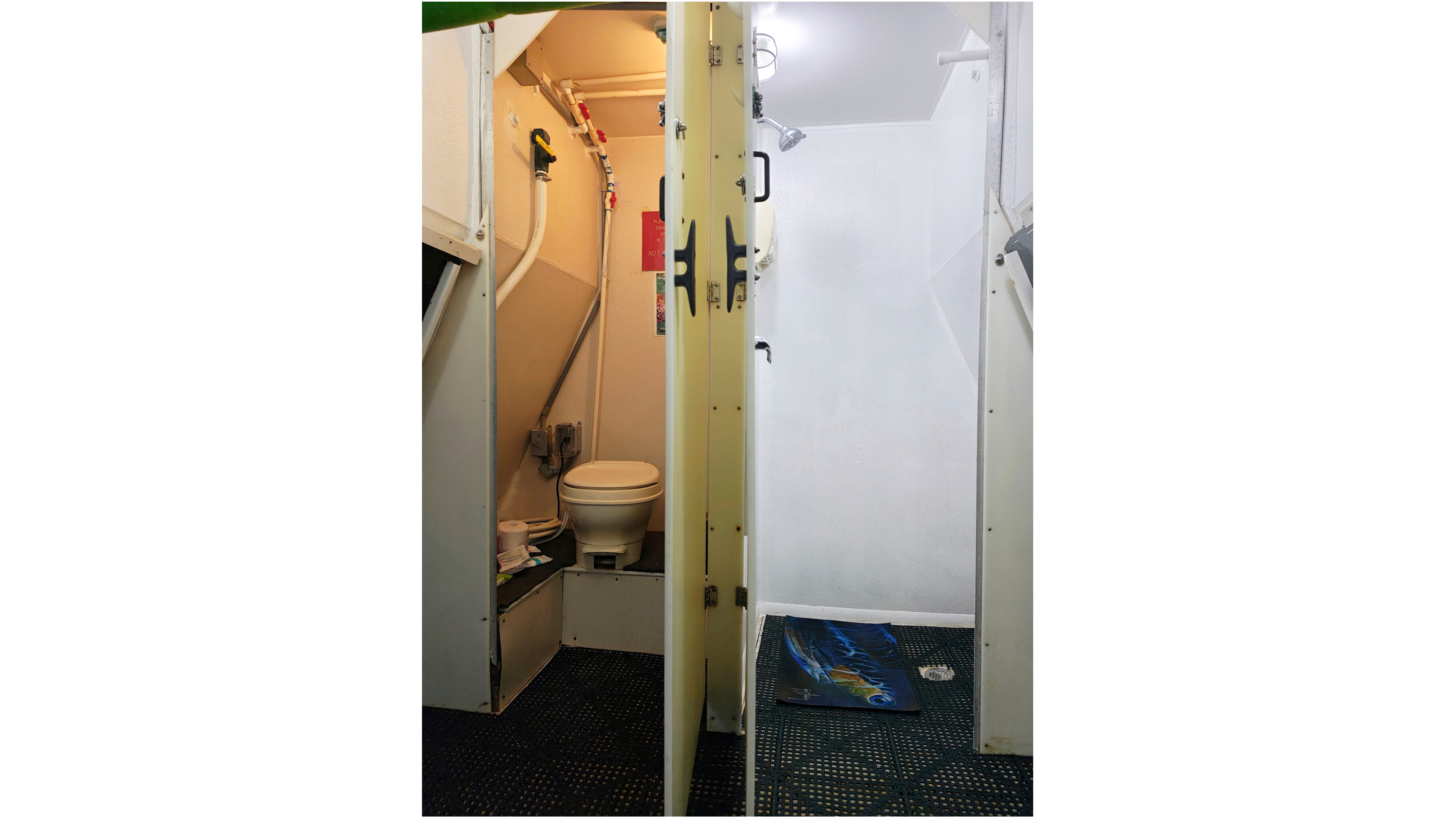
Living in the Jules’ Undersea Lab requires a disciplined adherence to strict life-support protocols. The interior of the station is compact, prioritizing functionality over comfort. It features a galley area for food preparation, a rudimentary hygiene station (toilet and shower), and a sleeping quarters divided into two sections via bunk beds. Entry and exit are facilitated through a "moon pool," a vertical opening that connects the pressurized interior to the surrounding ocean.
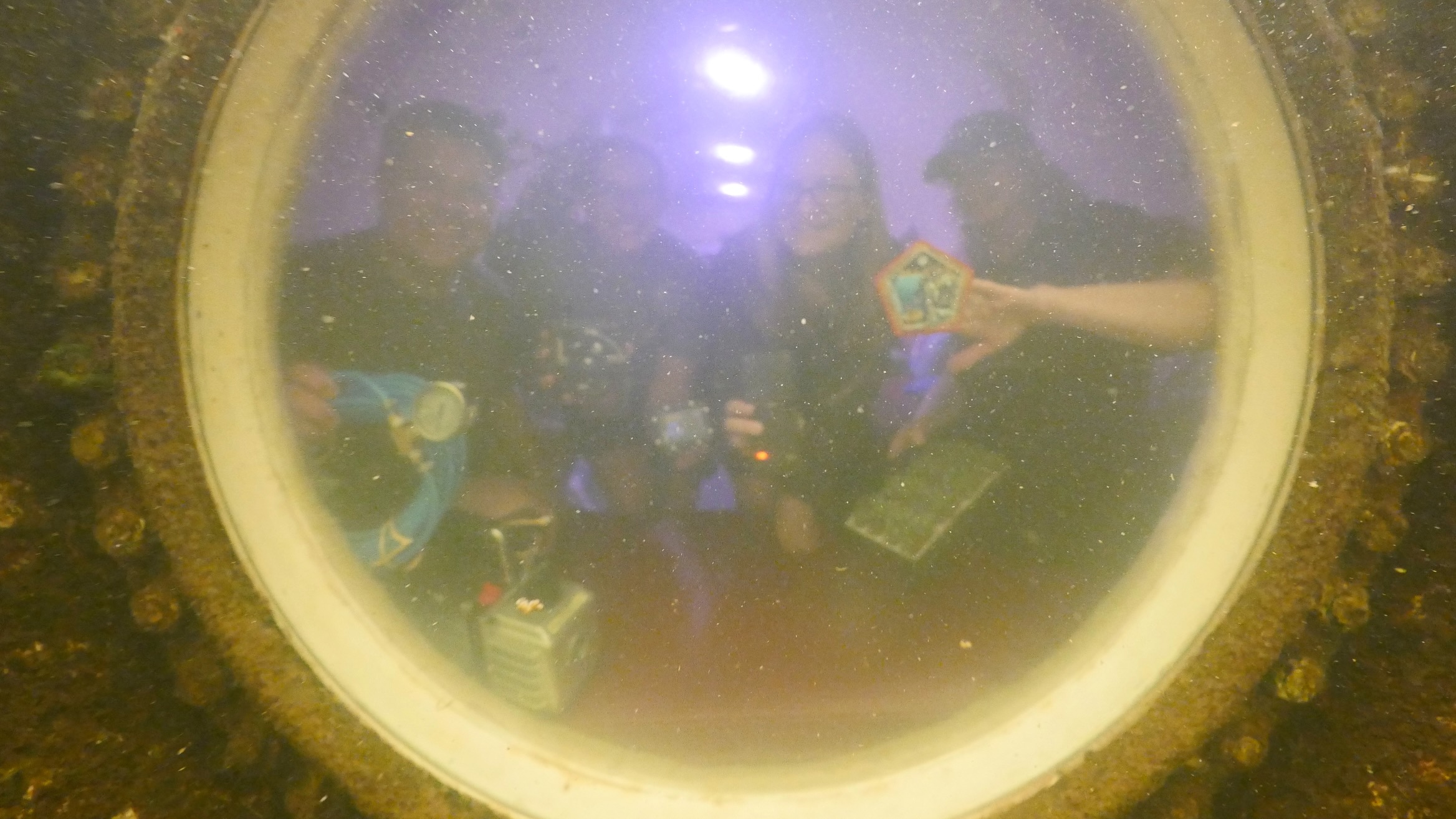
The technical requirements for such a habitat are extensive. The station relies on an umbilical system—a series of reinforced cables that supply life-sustaining oxygen, fresh water, and electrical power from the surface. These systems are critical; any failure in the umbilical connection would necessitate immediate emergency protocols. The environment is shielded from the marine elements by the thick steel hull of the barge, yet the inhabitants remain acutely aware of their surroundings through small, reinforced portholes that offer a view of the external marine environment.
For the SEA STAR crew, the mission was not merely a stay in a unique location, but a highly structured work environment. The crew followed a schedule modeled after the International Space Station (ISS). This included daily maintenance of the life support systems, rigorous cognitive testing, routine medical checkups, and collaborative research projects.
Data Collection and Physiological Implications
One of the primary objectives of the SEA STAR mission was to assess the physiological stress induced by living under constant, elevated pressure. Inside the lab, the atmospheric pressure is approximately twice that of sea level. This hyperbaric environment significantly alters how the body manages exertion.
Unlike typical simulated space missions, where participants are often required to engage in intensive daily exercise to mitigate muscle atrophy associated with microgravity, the SEA STAR crew found that the physical toll of the pressurized environment was sufficiently taxing. The energy expenditure required for daily operations and the physiological strain of the ambient pressure meant that traditional, high-intensity exercise regimens were often unnecessary or even counterproductive.
The psychological dimension of the mission was equally critical. The crew remained in constant contact with a Mission Control team on the surface, mimicking the communication latency and operational oversight typical of deep-space missions. This "human-in-the-loop" approach allowed researchers to evaluate team cohesion and decision-making processes under conditions of forced confinement. The absence of natural sunlight and the constant, monotonous sound of life-support machinery served as potent stressors, providing a realistic approximation of the sensory deprivation expected during a multi-year journey to Mars.
Implications for Future Space Exploration
The data gathered during the SEA STAR mission underscores a vital truth about space travel: technology is only one half of the equation; human performance is the other. As NASA and international partners work toward the Artemis program and eventual crewed landings on Mars, the reliance on Earth-based analogs will grow.
The ability to sustain a crew in an environment where mistakes can be fatal is the cornerstone of mission safety. Findings from the Jules’ Undersea Lab suggest that modularity and psychological well-being are just as important as the structural integrity of a habitat. The "small joys" identified by the crew—such as the ability to prepare hot meals using a simple crockpot—were noted as essential morale boosters, suggesting that the psychological design of a Mars habitat must prioritize domestic comforts to ensure long-term mission success.
Furthermore, the mission highlighted the importance of "spacewalk" training. The crew performed numerous underwater excursions in full scuba gear, simulating the extravehicular activity (EVA) required to maintain a lunar or Martian outpost. These sessions were physically grueling, testing the endurance of the crew’s suits and their ability to perform delicate technical tasks while navigating a buoyant, three-dimensional environment.
Conclusion: Bridging the Oceans and the Stars
The SEA STAR mission serves as a testament to the versatility of human scientific inquiry. By shifting the focus from the stars to the sea floor, researchers have unlocked a robust methodology for stress-testing the next generation of space explorers. The Jules’ Undersea Lab remains a vital asset in this endeavor, providing a unique intersection where the challenges of Earth’s deepest waters help prepare humanity for its greatest journey yet.
As we look toward the mid-21st century, the lessons learned from these underwater laboratories will likely influence the design of habitats on the Moon and beyond. Whether it is through the development of better life-support umbilical technology or the refinement of psychological support protocols, every day spent in the Jules’ Undersea Lab brings us one step closer to making interplanetary living a sustainable reality. The transition from aquanaut to astronaut is, in many ways, a shift in perspective, but the fundamental challenges of life in an alien environment remain constant. Through these missions, we are not just exploring our own planet; we are drafting the blueprint for our future among the stars.