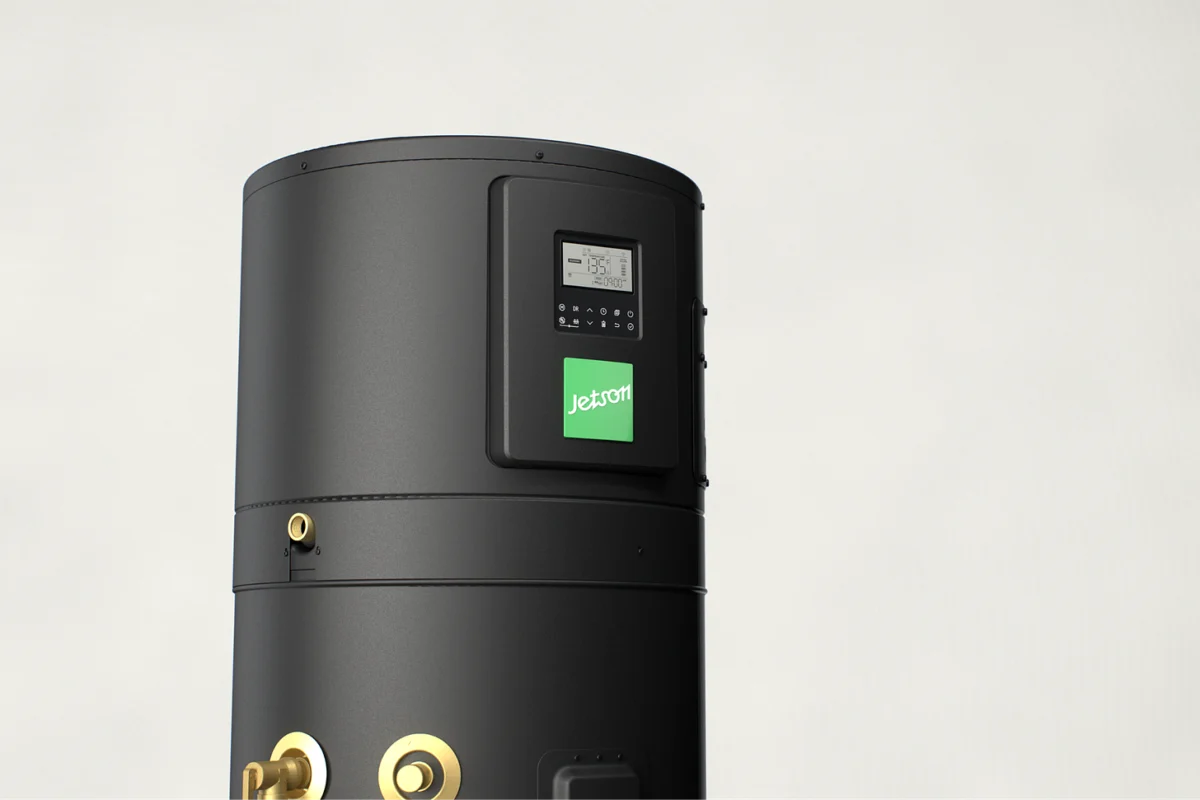
In a strategic expansion timed to coincide with Heat Pump Water Heater (HPWH) Week, the climate-technology firm Jetson has announced the launch of its own branded heat pump water heater, signaling a significant shift in how residential energy-efficient equipment is procured, installed, and maintained. By applying its proven model of vertical integration—which currently encompasses the entire lifecycle of heat pump HVAC systems—to water heating, the company aims to dismantle the fragmented supply chain that has long inflated costs and complicated the adoption of decarbonization technology for the average homeowner.
The announcement positions Jetson as a notable entrant into a competitive and rapidly maturing market. As the firm pivots from its foundational success in home heating and cooling, it brings a unified, fixed-price service model designed to address the "hidden" costs of electrification, such as electrical panel upgrades and complex plumbing integration.

The Evolution of the Heat Pump Water Heater Market
Heat pump water heaters have transitioned from a niche industrial application to a critical component of the national decarbonization agenda. While conventional electric resistance water heaters remain the default for millions of homes, the inefficiency of that technology has drawn the scrutiny of federal regulators. The U.S. Department of Energy (DOE) is currently moving forward with new efficiency standards that will effectively phase out traditional electric resistance units in many new installations by 2029. This regulatory horizon has catalyzed the industry, pushing manufacturers to innovate and lower price points.
Currently, HPWHs represent a modest 2% to 3% share of total domestic water heater sales. However, this figure is deceptive when viewed against the growth trajectory of the last 15 years. With 17 major manufacturers now competing in the space and the looming 2029 federal mandate, industry analysts project that sales will scale into the millions by the close of the decade. Despite this momentum, the technology has struggled to overcome the "barrier to entry" problem: the upfront cost for a high-efficiency heat pump water heater is typically two to three times that of a standard gas or electric unit. While federal and local rebates have attempted to bridge this gap, the complexity of hiring separate contractors for electrical, plumbing, and mechanical work has kept total project costs high for the average consumer.
The Jetson Model: Eliminating the Middleman
Jetson, which began its operations two years ago in Vancouver, British Columbia, and Denver, Colorado, has distinguished itself by eschewing the traditional contractor-distributor model. Instead of relying on a network of independent third-party installers, the company maintains direct control over every touchpoint of the installation process. This includes site assessment, equipment procurement, installation, and post-installation monitoring.
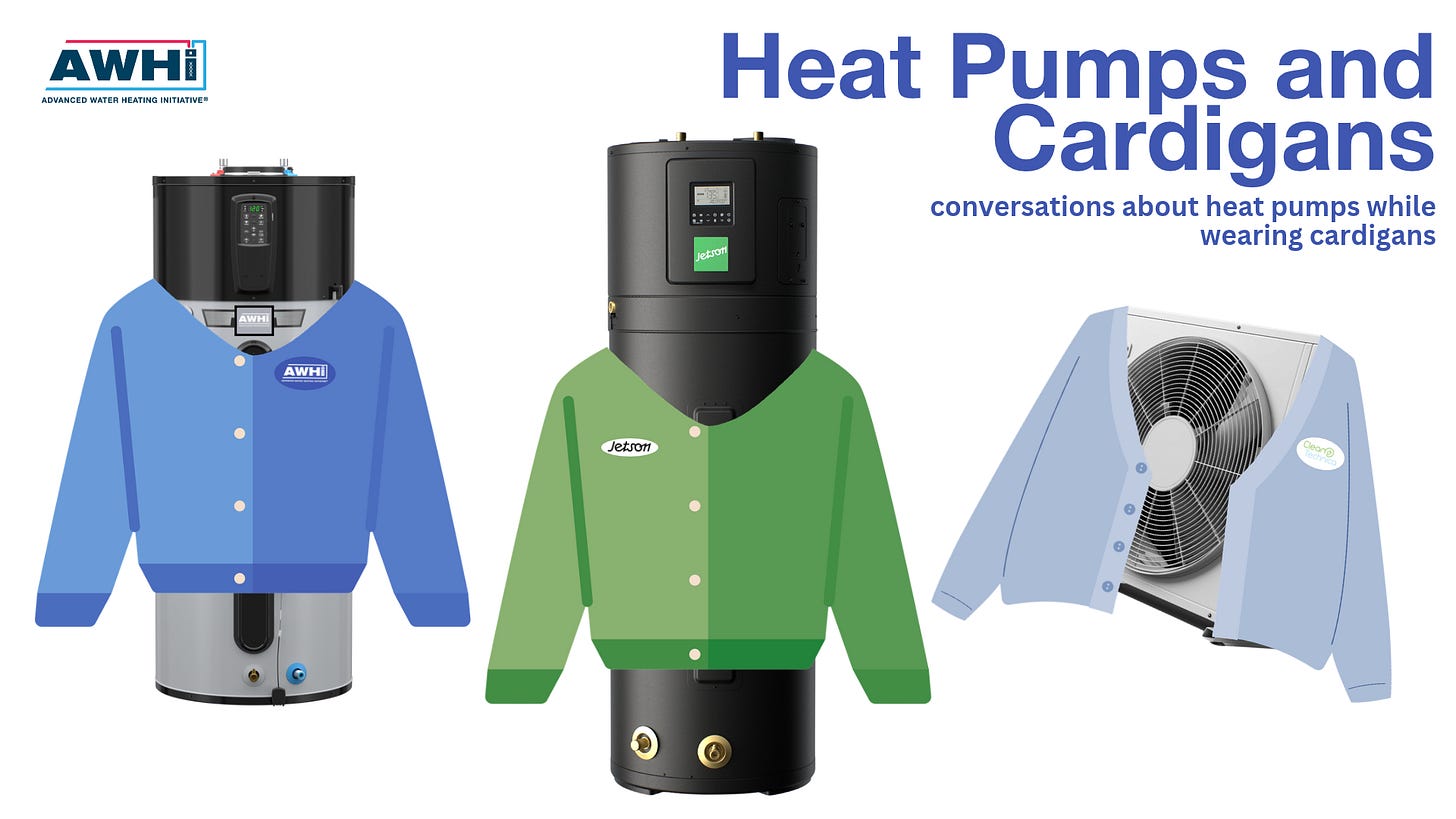
By controlling the full value chain, Jetson claims it can achieve efficiencies that traditional installers cannot. The company’s new offering for a 50-gallon heat pump water heater is set at a fixed price of $4,495, a figure that includes all necessary electrical work—a critical inclusion given that many legacy homes require a 240V, 30A circuit to support the more powerful HPWH systems. By bundling these services into a single price, Jetson removes the unpredictability of site-specific labor costs, which often catch homeowners off guard during a typical renovation.
CEO Stephen Lake emphasized that the decision to expand into water heating was a direct response to consumer demand. Homeowners who had already transitioned to Jetson-installed heat pumps for space heating frequently inquired about replacing their water heaters as well. The firm’s ability to monitor equipment remotely ensures that these systems perform at their rated efficiency, protecting the customer from the "performance gap"—a phenomenon where high-efficiency equipment fails to save money because it was improperly installed or commissioned.
Technical Specifications and Maintenance Strategy
The hardware being introduced by Jetson aligns with current industry best practices. The unit features both top and side connections, a design choice intended to simplify the replacement of aging tank-style heaters in tight utility closets. The system is ducting-enabled, allowing for flexibility in placement, and includes integrated leak detection—a vital safety feature in residential water heating.
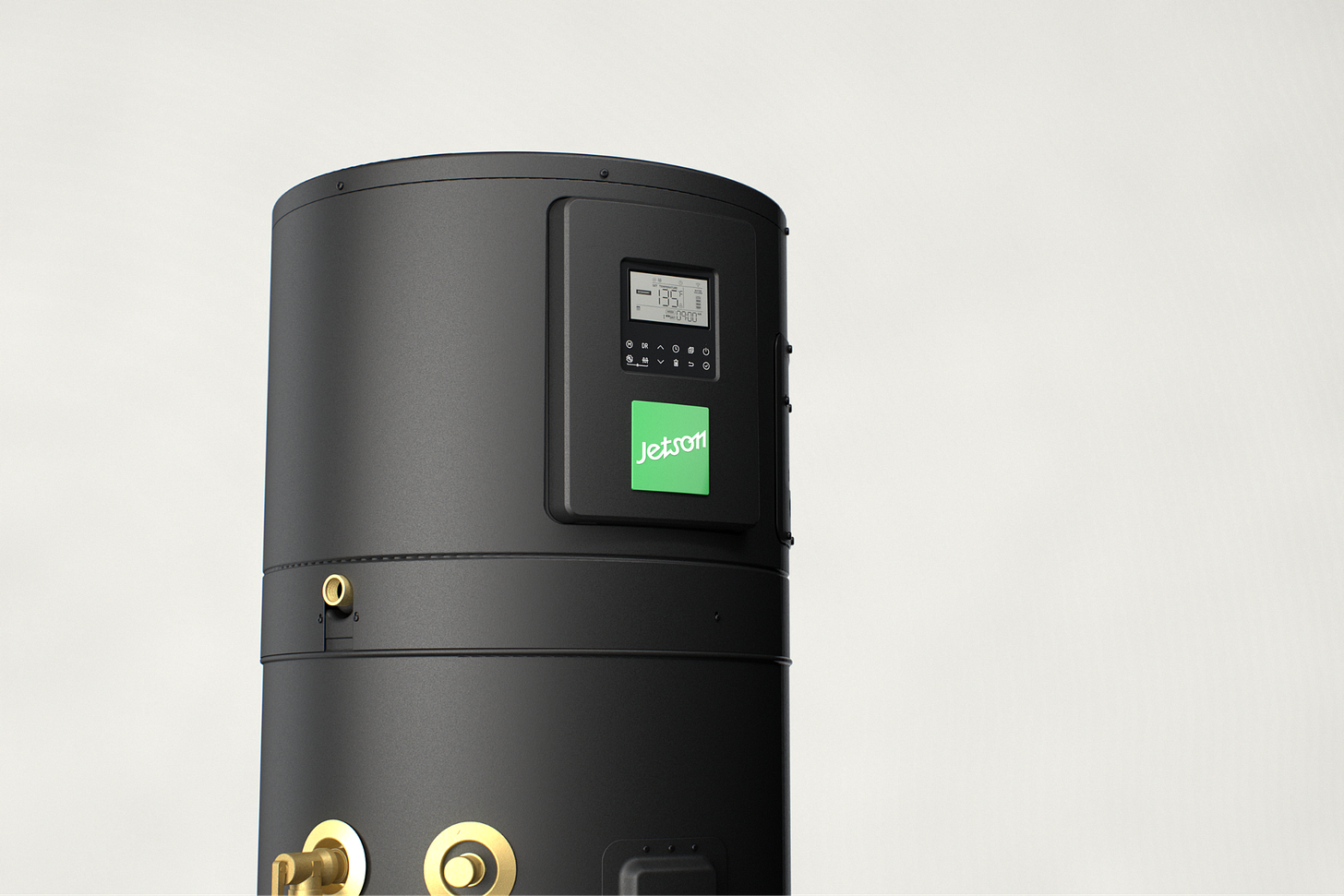
Perhaps most notable is the inclusion of a mixing valve as a standard component. By storing water at 140 degrees Fahrenheit and mixing it down to a safer delivery temperature, the unit effectively increases the "usable" capacity of the tank. This allows a 50-gallon unit to mimic the performance of a larger tank, mitigating one of the most common consumer concerns regarding the slower recovery time associated with heat pump technology.
Furthermore, the company is introducing "Jetson Care," a subscription-based maintenance model costing approximately $10 per month. This package represents a departure from the "install and forget" approach of the traditional HVAC industry. It provides proactive maintenance and, crucially, a full replacement guarantee if the compressor—the heart of the heat pump—fails within the first three years. This level of service is designed to mitigate the "fear of the unknown" that often prevents consumers from moving away from gas-powered water heating.
Market Implications and Future Outlook
The entry of a vertically integrated player like Jetson suggests a wider trend in the HVAC and plumbing industry: the "platformization" of home services. As residential systems become more connected and reliant on software, the line between a hardware manufacturer and a service provider is blurring.
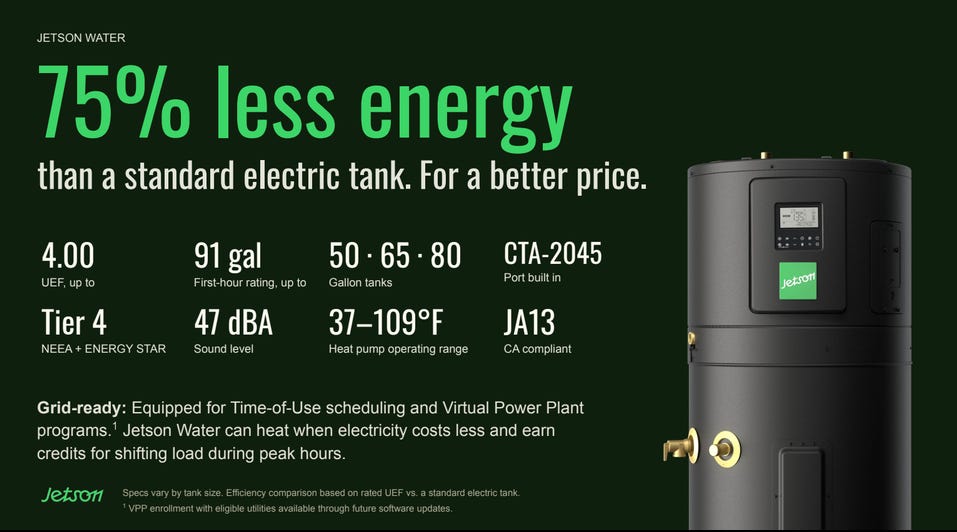
For the broader market, Jetson’s approach serves as a test case for whether the industry can achieve "soft cost" reduction through operational centralization. If the company can successfully lower the barrier to entry through fixed-price, "all-in" installation, it may force traditional HVAC contractors to reevaluate their own pricing models.
However, challenges remain. Scaling a company that owns its own installation teams is significantly more capital-intensive than a franchise-based model. Jetson’s ability to maintain high quality and competitive pricing as it expands from its initial markets—Vancouver, Denver, New York, California, Tennessee, and Maryland—into more rural or decentralized regions will be the true test of its business model.
The Advanced Water Heating Initiative (AWHI), which has tracked the rise of these technologies, views the entry of such firms as a vital step in market transformation. By standardizing the customer experience and providing long-term performance data, manufacturers like Jetson are helping to build the consumer trust necessary for mass adoption.

As the 2029 DOE standards approach, the market for heat pump water heaters is poised for a decade of intense growth. Whether the industry evolves toward a model of decentralized, independent contractors or one defined by vertically integrated, tech-forward firms, the result is likely to be a more efficient, lower-carbon residential landscape. The success of Jetson’s expansion into water heating will likely serve as a barometer for how quickly the residential sector can pivot toward the next generation of energy-efficient infrastructure.