The landscape of pediatric healthcare in the United States is undergoing a quiet, alarming transformation as hospitals nationwide shutter specialized units dedicated to treating the country’s sickest children. Over the past year alone, medical facilities in states such as Montana, Oregon, and Missouri have closed their pediatric intensive care units (PICUs), while overnight hospital wings for pediatric patients have vanished entirely in communities across Illinois and California. This steady erosion of local medical infrastructure is forcing families to travel hundreds of miles—sometimes by emergency flight—to secure lifesaving care for their children, raising profound concerns among doctors, public health researchers, and parents alike.
The phenomenon is not isolated to a single region or healthcare system. It spans community hospitals owned by small nonprofits as well as massive private equity firms and for-profit healthcare conglomerates. As administrative burdens mount, staffing shortages intensify, and financial pressures squeeze hospital margins, pediatric beds are increasingly being converted into more lucrative adult care facilities or specialized neonatal units. Consequently, pediatric critical care is becoming heavily centralized into major metropolitan medical hubs, leaving rural and suburban populations dangerously underserved.
A Decades-Long Decline in Pediatric Infrastructure
The recent wave of closures is part of a broader, systemic contraction that has been quietly unfolding for nearly two decades. A comprehensive analysis of pediatric inpatient units—hospital wings specifically designed to provide overnight care for children—revealed a dramatic downturn between 2008 and 2022. During this 14-year period, the number of hospitals offering pediatric inpatient services plummeted by nearly 30%, dropping from 1,749 facilities down to 1,226. This steep decline means that roughly three-quarters of American hospitals now operate entirely without dedicated pediatric inpatient services.
Medical experts attribute this reduction to a complex matrix of medical advancements, demographic shifts, and economic disincentives. On the medical front, the overall U.S. birth rate has steadily declined, resulting in fewer pediatric patients overall. Furthermore, modern medicine has made remarkable strides: early diagnosis, improved pharmaceutical treatments, and widespread vaccine development have successfully prevented or minimized once-common childhood hospitalizations. Illnesses that were once fatal can now often be managed on an outpatient basis or treated swiftly before they escalate into emergencies.
However, these medical triumphs have inadvertently complicated hospital economics. When children do require intensive care today, they frequently present with highly intricate, multi-system conditions that demand specialized pediatric subspecialists—experts who are already in historically short supply nationwide. Because pediatric subspecialists generally earn significantly lower salaries than their adult-focused counterparts, recruitment and retention in community hospitals have become nearly impossible. Coupled with the fact that insurance reimbursement rates for treating children are notoriously lower than those for adults, and the reality that pediatric-specific medical gear carries additional overhead costs, local children’s units have become financial liabilities for many institutions.
The Real-World Impact on Families
For families living far from major metropolitan medical centers, the disappearance of local PICUs transforms a health crisis into a logistical nightmare. The terrifying reality of this geographic gap was starkly illustrated in 2022 for Darby Waldbillig and her family. Residing in Helena, Montana’s capital, Waldbillig faced every parent’s worst nightmare when her nearly two-year-old daughter, Siobhan, suddenly struggled to wake up, exhibiting a swollen face and drifting dangerously in and out of consciousness.
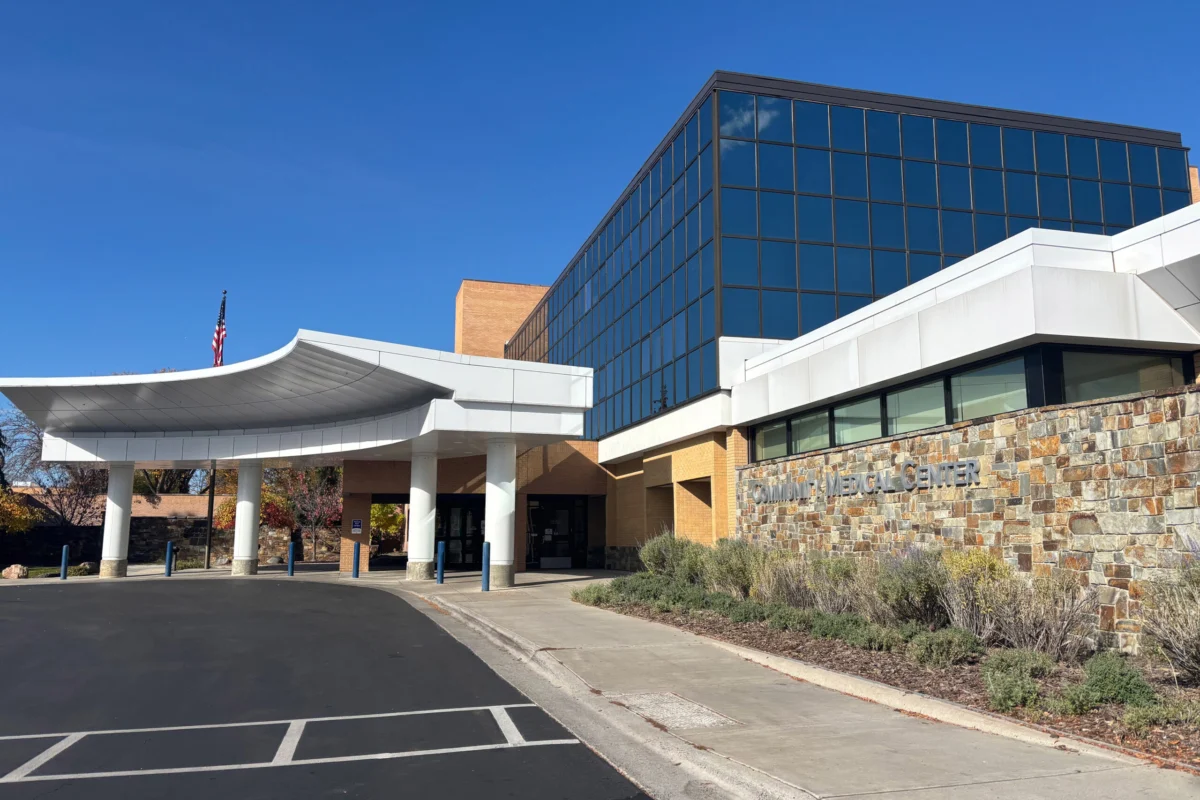
With no local pediatric critical care available in Helena, Siobhan’s family relied on a grueling 100-mile emergency flight to reach the nearest pediatric intensive care option at Community Medical Center in Missoula. There, medical professionals diagnosed Siobhan with bacterial meningitis, a life-threatening infection causing rapid swelling of the tissue surrounding the brain and spinal cord. Thanks to the swift intervention of local emergency workers and the specialized care she received in the Missoula PICU, Siobhan survived after spending more than a week in intensive care.
Yet, the very unit that saved Siobhan’s life recently closed its doors, victims of low patient volumes and persistent staffing deficits. While Community Medical Center will continue to stabilize children, the sickest patients—those requiring continuous ventilator support or close monitoring for severe seizures—must now be transferred even farther away, with the next-closest PICU located roughly 150 miles north in Kalispell.
Institutional Perspectives and the Corporate Bottom Line
Hospital administrators and health system executives defend these difficult decisions by pointing to safety, quality, and economic sustainability. Greg Cook, CEO of Community Medical Center in Missoula—a facility owned by the for-profit healthcare giant Lifepoint Health, which generates over $10 billion in annual revenue—explained that the downgrade of the hospital’s PICU was necessary. Cook noted that the hospital had been unable to successfully recruit a permanent local pediatric critical care physician since the retirement of its last specialist eight years ago, forcing the facility to rely on rotating doctors flying in from elsewhere. At the time of closure, the unit averaged only about two pediatric intensive care patients per month, affecting roughly 25 children a year.
"We made the decision to take care of the kids that we could absolutely take care of," Cook stated, emphasizing that the move was motivated by a commitment to clinical quality rather than raw finances. In a subsequent statement, hospital spokesperson Megan Condra reiterated that the decision was driven by patient volume and staffing challenges rather than the quality of historical care.
Similarly, in Portland, Oregon, St. Vincent Medical Center shuttered its four-bed pediatric intensive care unit, which hospital representatives noted was frequently empty. Operated by Providence—a large nonprofit health system spanning seven states that recently reported significant financial shortfalls—the hospital concluded that maintaining an underutilized unit was unsustainable.
Medical leaders at major regional hubs acknowledge the complex balancing act facing community hospitals. Dr. Raj Basu, division chief of critical care medicine at the Ann and Robert H. Lurie Children’s Hospital of Chicago, warned that community facilities attempting to treat highly complex pediatric cases without adequate experience or specialized staff can inadvertently jeopardize patient safety. Because modern pediatric critical care requires immense expertise, centralization can theoretically ensure that sick children receive top-tier interventions.
Broader Economic Pressures and Future Vulnerabilities
Beyond institutional balance sheets, public health researchers warn that upcoming federal policy shifts could exacerbate the crisis. Recent administrative changes and tightening eligibility criteria regarding federal Medicaid spending threaten to reduce the number of Americans enrolled in public health coverage. Because approximately half of all children in the United States rely on Medicaid or the related Children’s Health Insurance Program (CHIP) for healthcare access, any increase in administrative hurdles or paperwork complications for caretakers can result in children losing vital coverage.
When children lose Medicaid coverage, hospitals absorb the financial shock through uncompensated care, further disincentivizing smaller institutions from maintaining costly pediatric infrastructure. Dr. Kenneth Michelson, director of emergency medicine research at Lurie Children’s Hospital and lead author of the study tracking the decline of pediatric units, argues that healthcare access for children should not be treated as a traditional market commodity.
"There’s a case to be made that we don’t need this capacity, but this can’t be viewed as a typical good that we get from, like, a grocery store," Michelson noted. "This is people’s lives, children’s lives. So I think it’s more of a national necessity."
Michelson’s research highlights that the contraction of intensive care units is actively rippling into routine pediatric surgical care. Between 2003 and 2022, the number of hospitals performing routine pediatric procedures, such as appendectomies on children, decreased by more than half. As these services concentrate in urban medical centers, regional hubs face severe strain during seasonal surges in pediatric illness. A prominent example occurred during the severe respiratory virus season of 2022, when children’s hospitals reached full capacity nationwide, forcing community emergency departments to contact dozens of facilities just to find a single accepting bed.
Navigating the Path Forward
Despite the sobering trend of closures, healthcare advocates and regional medical providers are actively exploring collaborative solutions to bridge the widening gaps in care. Medical organizations, including the Society of Critical Care Medicine, are championing regional hub-and-spoke models. These frameworks establish formal partnerships between major specialty centers and rural community hospitals, facilitating standardized training, telehealth consultations, and streamlined emergency transfer protocols.
Furthermore, public health experts emphasize the urgent need for structural policy reforms, such as increasing federal funding for rural health access and raising Medicaid reimbursement rates to accurately reflect the true cost of pediatric medicine.
Even as the overarching healthcare landscape shifts, local clinicians remain dedicated to protecting their communities. Dr. Lauren Wilson, a pediatrician at Community Medical Center in Missoula, reassures anxious parents that while the dedicated PICU has closed, the hospital continues to provide comprehensive newborn intensive care, routine inpatient pediatrics, emergency care, surgical services, and active remote consultations with pediatric subspecialists.
"This is still the place I would take my child if they were sick and I was worried," Wilson affirmed. Nevertheless, as the map of American pediatric care continues to contract, the burden on families and the resilience of the nation’s healthcare safety net will face unprecedented tests in the years ahead.