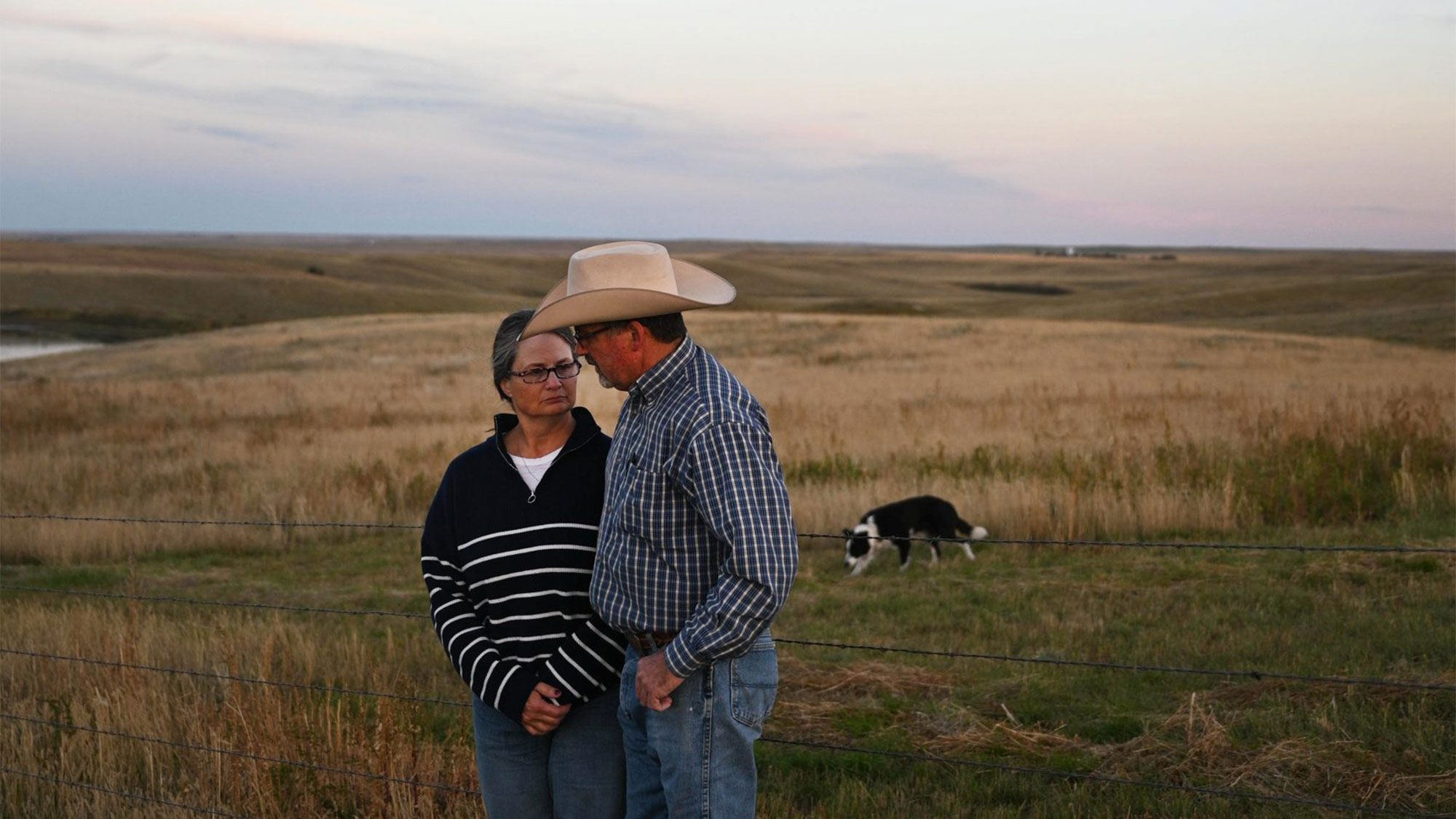
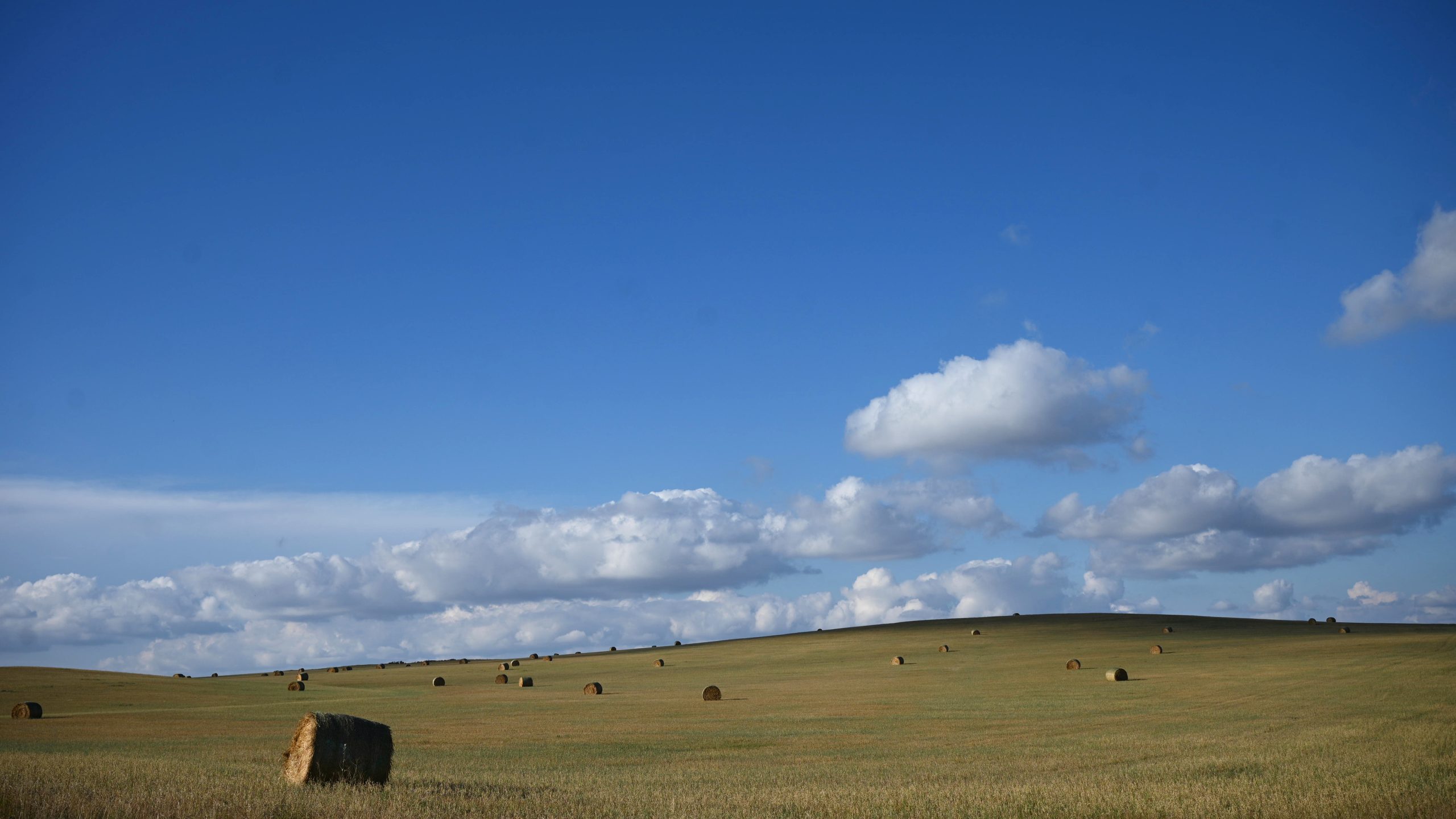
Opheim, Montana — Standing on a patch of cleared land with his combine idling in the background, Jerry Arnold surveyed the rolling hills of his unirrigated farm near the Canadian border, where three-foot-tall stalks of wheat pulse against a dusty golden horizon. Last year’s unseasonably warm and dry winter severely impacted agricultural yields across the region, leaving moisture levels critically low and stunting crop development. Yet, a potential source of financial recovery is on the horizon. Arnold is among nearly 300 Montana landowners situated along the proposed path of a massive multi-state energy infrastructure project designed to cut through nine eastern Montana counties and an expansive stretch of eastern Wyoming.
For generational farmers and ranchers who have endured years of volatile livestock markets, skyrocketing diesel prices, and punishing multi-year droughts, the project represents a rare injection of capital. While urban centers and tourism hubs in western Montana continue to thrive, rural eastern communities have long struggled to keep pace with economic development. To many landowners grappling with razor-thin operational margins, the promise of substantial easement payouts and long-term tax revenues offers a lifeline, even as it stirs intense debate over environmental safety, climate impacts, and tribal sovereignty.
The 650-Mile Energy Corridor and Regulatory Pathways
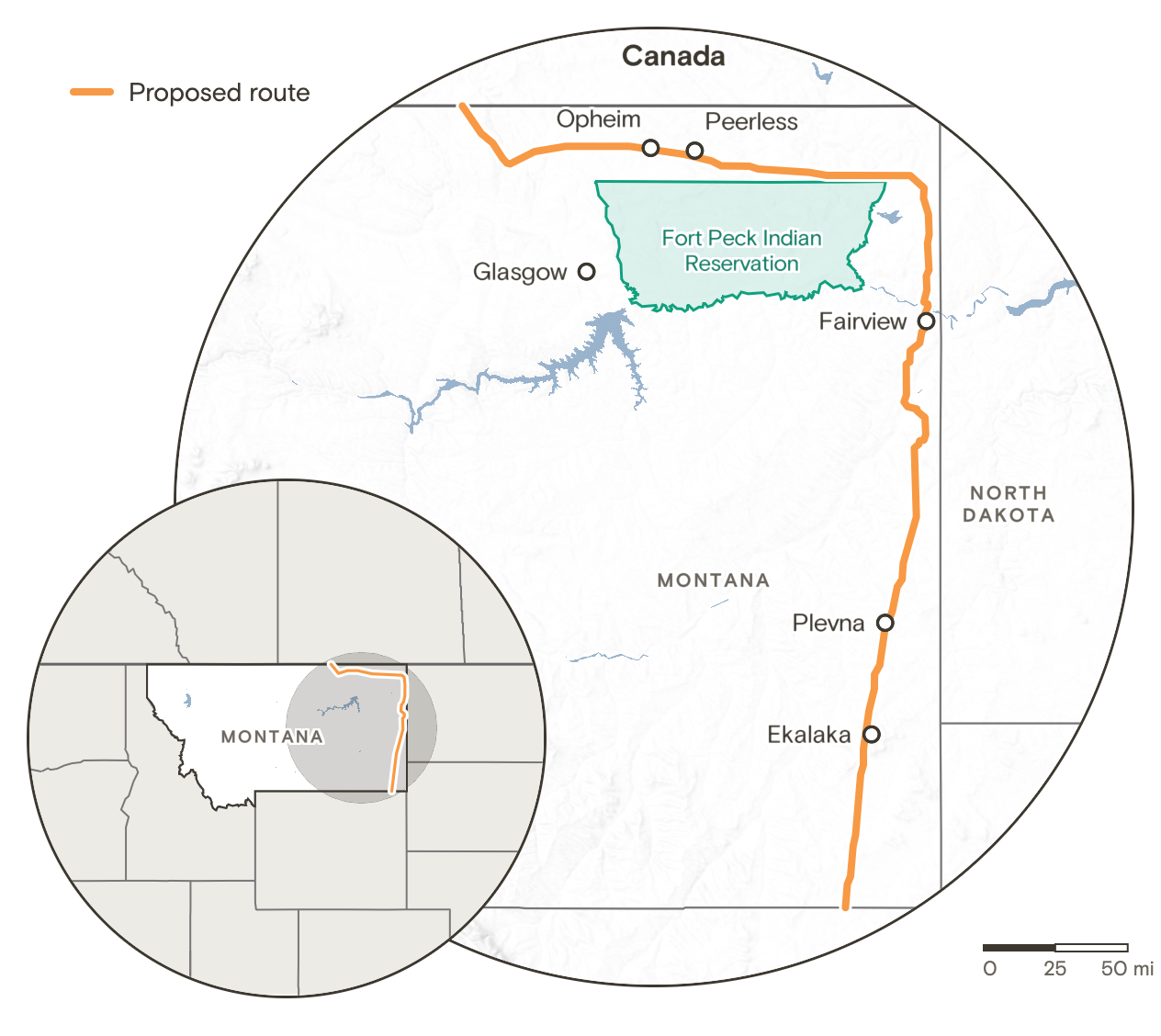
Wyoming-based Bridger Pipeline LLC is spearheading the initiative to construct a 650-mile pipeline engineered to transport heavy tar sands oil—a dense amalgamation of sand, clay, water, and bitumen. According to scientific studies, the extraction, refining, and combustion of tar sands crude generate roughly 20 percent more greenhouse gas emissions than conventional crude extraction methods. The proposed route is slated to connect with an existing Canadian pipeline network, traversing eastern Montana before terminating at a major oil refinery hub and trading center in Guernsey, Wyoming.
Bridger Pipeline officials have indicated that construction could break ground within a year, buoyed by federal backing. Earlier this spring, the federal administration granted the venture a presidential permit authorizing the infrastructure to cross the international boundary in Phillips County, Montana. However, before heavy machinery can move onto private and public lands, the project must navigate a complex series of regulatory milestones.
The Bureau of Land Management (BLM) is tasked with publishing a comprehensive environmental review for public comment. Following the public review period, Bridger must secure a suite of state and federal compliance permits, finalize ongoing easement negotiations with private property owners, and distribute agreed-upon financial compensations. Only then will physical construction be authorized to commence.
Economic Lifelines for Struggling Agricultural Communities
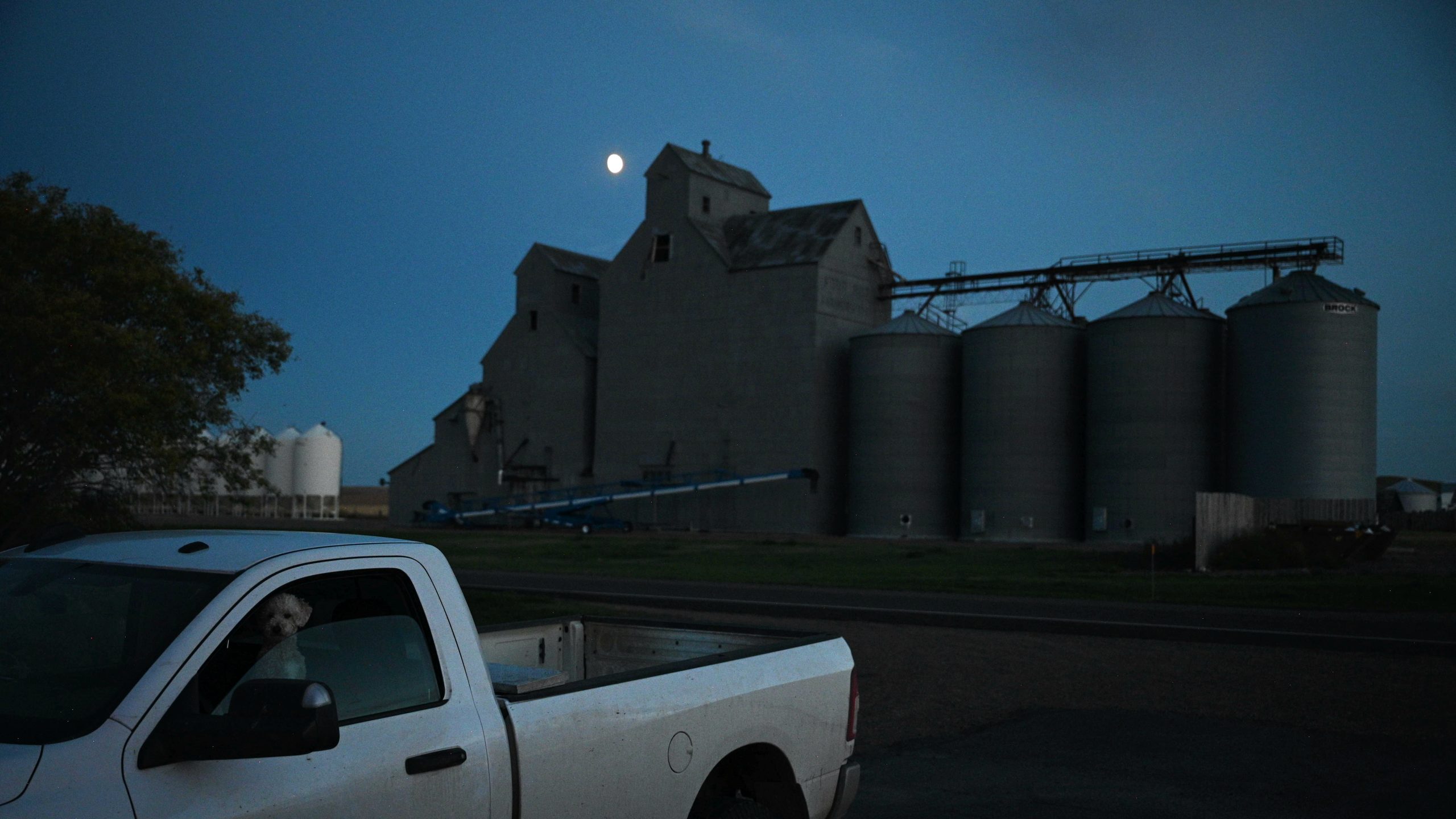
For agriculturalists like Arnold, the financial calculus of pipeline easements is deeply intertwined with the survival of their operations. Arnold recalls facing a devastating trifecta of drought, extreme heat, and grasshopper infestations during the 1980s that threatened to bankrupt his farm. Salvation arrived when the Northern Border Pipeline was constructed, bringing natural gas from Canada to the American Midwest with 105 miles cutting through Montana. The financial compensation Arnold received for that easement allowed him to stabilize his operations. Decades later, when the Keystone XL pipeline was proposed, he hoped for a similar windfall, only to experience profound disappointment when the project was ultimately canceled in 2021. Now, with Bridger approaching him for an easement, Arnold views the development as an economic necessity.

Pipeline companies typically negotiate private agreements with individual landowners, providing a one-time lump-sum payment for land easements, alongside compensation for survey access and preliminary legal consultations. While exact compensation figures remain strictly confidential due to private negotiation terms, historical data from similar infrastructure projects underscores the scale of these payouts. During the development phases of the Keystone XL project, landowners in Nebraska and Texas reported receiving signing bonuses ranging from tens of thousands of dollars to upwards of $150,000 depending on the length of the pipeline crossing their property.
Local county commissioners across the proposed route are overwhelmingly supportive of the venture, emphasizing the transformative impact of centralized property tax revenues. In Daniels County, where approximately 16 percent of the population lives in poverty and no existing pipelines currently contribute to county tax rolls, local leaders view the infrastructure as a vital economic engine. County Commissioner Tammi Fladager noted that the injection of tax revenue and private landowner checks would provide immediate relief to a region that feels routinely overlooked by wealthier population centers in the state’s western half. Similarly, Valley County officials had previously anticipated leveraging tax revenues from the canceled Keystone XL project to fund community improvements, including a $16.8 million school bond.
Bridger representatives estimate that the construction phase will generate between 2,000 and 2,500 temporary jobs, with workers housed in company-managed temporary facilities. Once operational, the pipeline is projected to create between 50 and 100 permanent, full-time maintenance positions in Montana.
Environmental Risks and the Shadow of Past Spills
Despite the welcoming economic embrace from agricultural sectors, the project carries inherent environmental risks that have mobilized conservationists and neighboring indigenous nations. At peak operational capacity, the pipeline is projected to transport over a million barrels of heavy crude daily, raising significant concerns regarding the potential for catastrophic pipeline failures.
A central point of contention involves the proximity of the pipeline’s preferred route to the Fort Peck Indian Reservation. Skirting just north of the reservation boundary, the pipeline would pass within two miles of tribal lands at its closest point and cross the Poplar River, a vital tributary of the Missouri River. Tribal leaders and water resource managers have warned that any potential spill along this corridor could threaten municipal drinking water systems that supply thousands of residents both on and off the reservation.

These concerns are rooted in historical precedent. In 2015, a separate pipeline operated by Bridger spilled at least 30,000 gallons of Bakken crude oil into the Yellowstone River, contaminating water supplies and prompting authorities to advise roughly 6,000 residents in Glendive to avoid consuming tap water. Bridger ultimately resolved a civil enforcement action with the Montana Attorney General’s Office for $2 million in 2021. Furthermore, federal regulatory data from the U.S. Pipeline and Hazardous Materials Safety Administration indicates that Bridger-operated infrastructure has recorded 12 spills since 2012. In 2023, Bridger and affiliated pipeline operator Belle Fourche agreed to pay a $12.5 million civil penalty under the Clean Water Act and federal pipeline safety statutes following multiple oil spills across Montana and North Dakota.
Bridger representatives have maintained that safety protocols have been substantially modernized since the 2015 incident. Company spokespersons emphasize that contemporary pipeline architecture incorporates advanced, round-the-clock monitoring capabilities, including proprietary artificial intelligence-driven leak detection systems designed to identify anomalies instantly.
Tribal Consultation and Regulatory Limitations
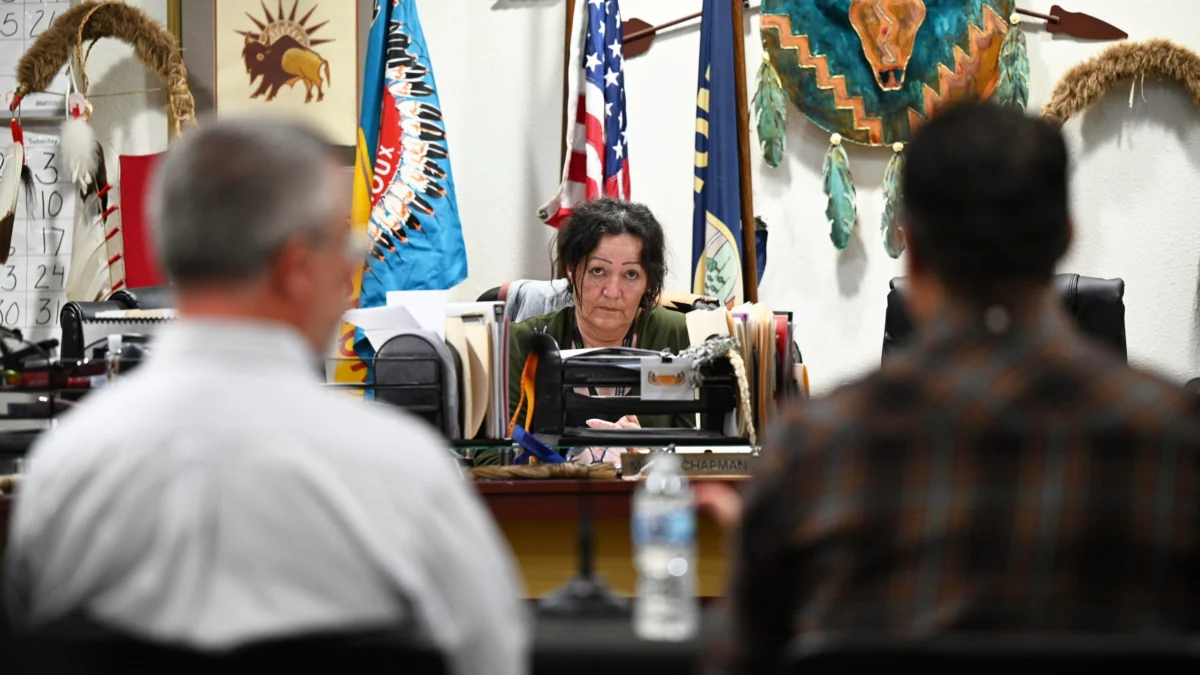
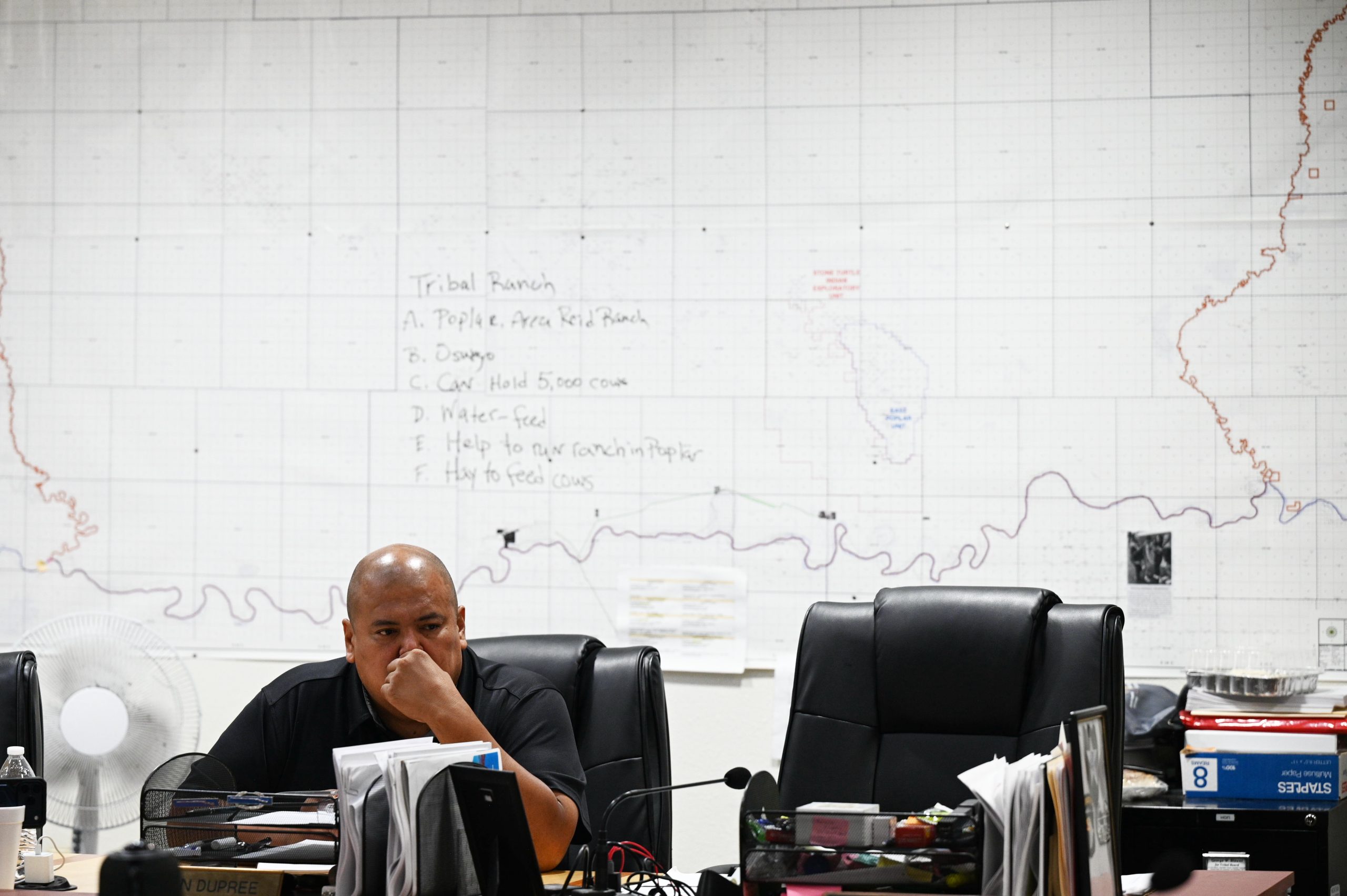
During informational sessions held in late September within tribal chambers in Poplar, Montana, members of the Fort Peck Tribal Executive Board pressed BLM representatives regarding emergency response protocols, socio-cultural impact mitigations, and the scope of federal environmental assessments. Board members specifically questioned whether the BLM’s environmental impact statement would account for the cumulative greenhouse gas emissions generated by the long-term processing and combustion of tar sands crude.
Citing a recent Supreme Court precedent narrowing the scope of the National Environmental Policy Act (NEPA), federal project leads clarified that the agency’s environmental review is not legally mandated to evaluate downstream or lifetime emissions associated with the transported product, focusing instead on localized construction impacts. BLM officials further noted that finalization of their environmental analysis has been repeatedly delayed as the agency awaits detailed engineering and logistical data from Bridger Pipeline LLC.
Broader Geographic Implications and Future Outlook
While Wyoming marks the immediate terminus of the Bridger pipeline, industry analysts note that the crude is intended for further transit. Through collaborative agreements with other energy entities, plans are underway to extend transportation networks from Guernsey, Wyoming, through Colorado and Kansas to the primary storage and trading hub in Cushing, Oklahoma, with ultimate access to Gulf Coast export terminals.
Company executives argue that expanding pipeline capacity enhances national energy security by introducing an anticipated 550,000 barrels per day into the market, which can help stabilize price volatility during geopolitical supply shocks. Conversely, landowner advocates and regional critics point out that the energy flowing through the pipeline is largely destined for international markets or out-of-state refineries, leaving local communities to bear the environmental exposure while securing only localized tax and easement benefits.
As Bridger Pipeline prepares for forthcoming technical assessments and scheduled consultations with tribal governments in December, the project remains suspended in a delicate balance between rural economic desperation and profound environmental vigilance. For landowners like Bob Thielen of Plevna, who navigates the complicated administrative phase of surveying and easement discussions, the reality of the pipeline is defined by uncertainty. As federal agencies deliberate and local communities weigh the promise of financial relief against the haunting memory of past environmental disasters, eastern Montana stands at another critical crossroads in its long-standing relationship with fossil fuel infrastructure.