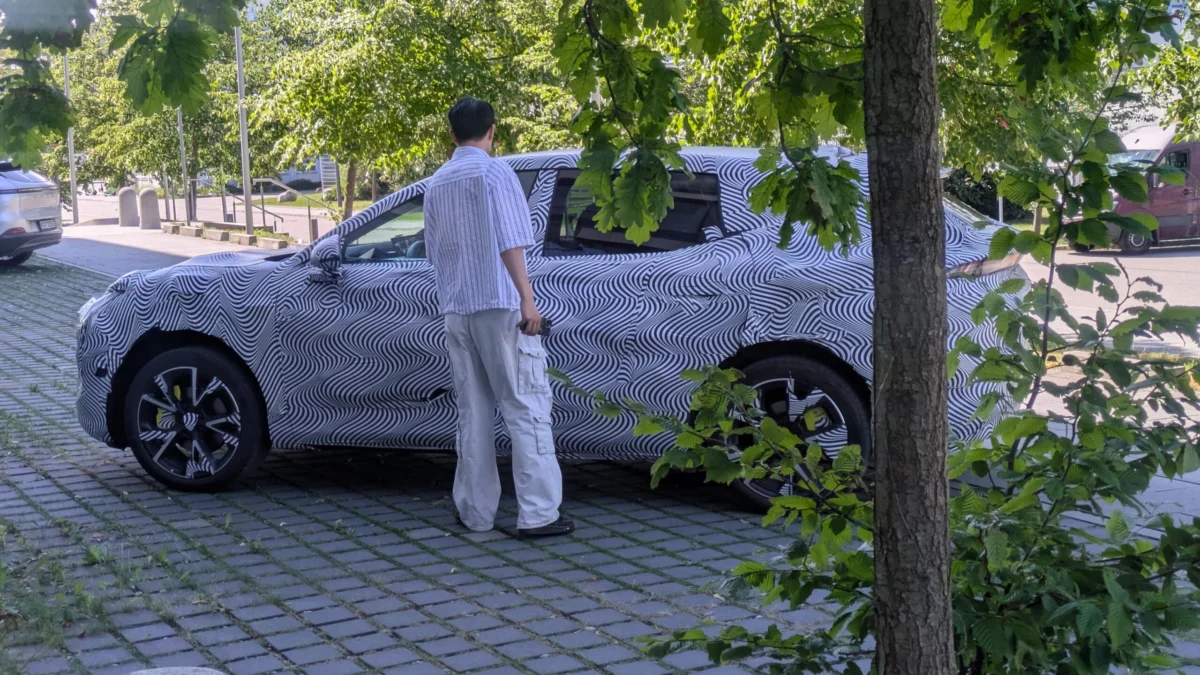
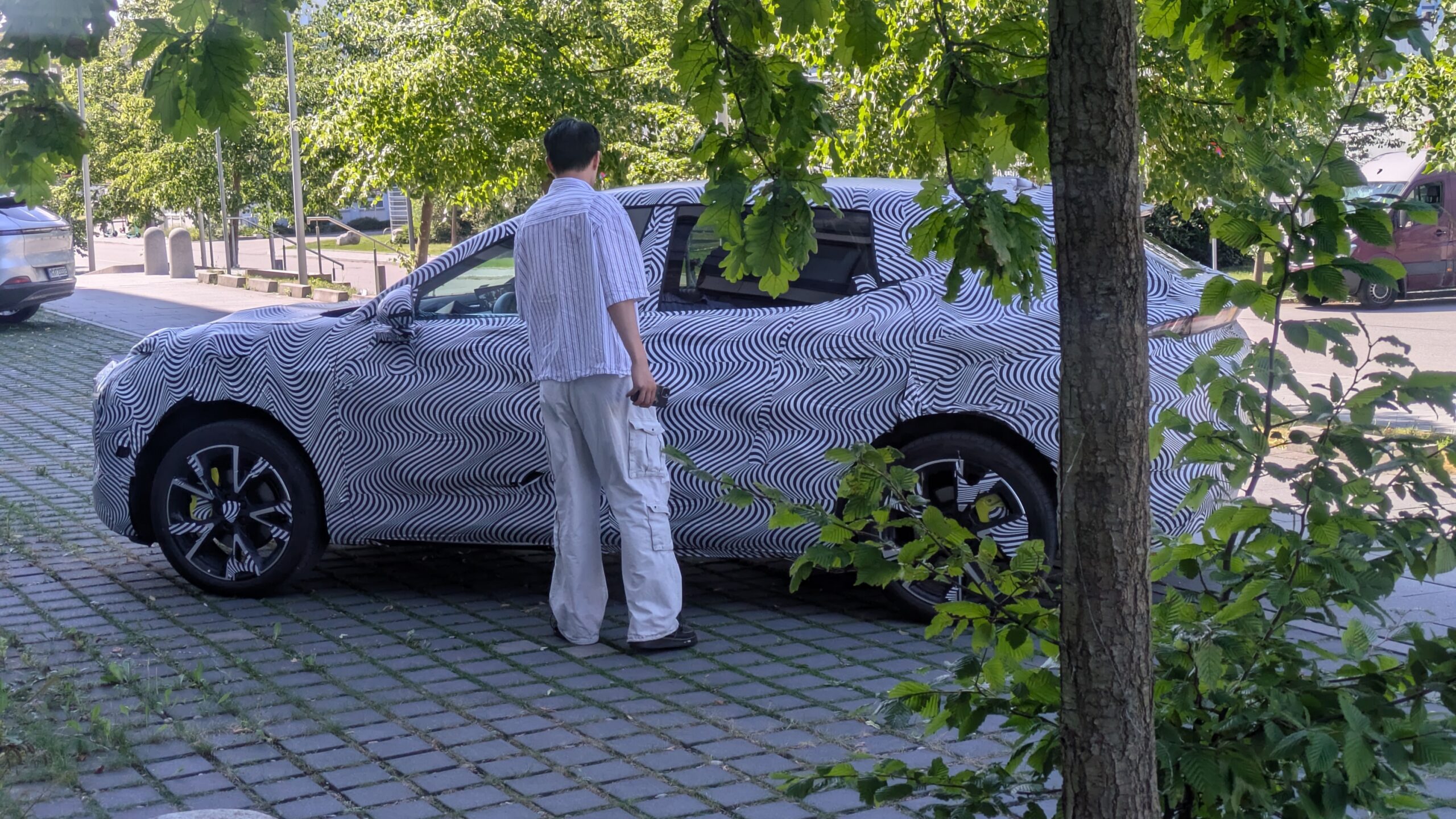
XPENG has officially initiated sales of its latest electric vehicle, the L05, in China, simultaneously commencing the first wave of global shipments. This strategic move follows months of anticipation and the observation of camouflaged prototypes on European roads, including in Munich. The L05 serves as a dimensional evolution of the existing L03, positioning itself as a high-capacity, feature-rich alternative within the mid-size electric sedan segment. By diversifying its portfolio, XPENG aims to challenge established incumbents like the Tesla Model Y, not by reinventing the segment, but by optimizing interior utility and passenger comfort.

Development Chronology and Market Entry
The trajectory of the L05 project reflects XPENG’s accelerated product development cycle. Initial sightings of camouflaged units in mid-2026 provided early indicators that the vehicle would share significant architectural DNA with the L03. Throughout the third quarter of 2026, XPENG finalized the production specifications, confirming that the L05 would prioritize cabin volume and rear-seat amenities over the high-performance 800V architectures found in the brand’s premium offerings like the G6. By October 2026, the company successfully transitioned from prototype testing to full-scale commercial production, targeting both the domestic Chinese market and key international regions.
Technical Architecture and Performance Metrics
The L05 is built upon a 400V electrical architecture, a design choice that prioritizes cost-efficiency and mass-market appeal over the extreme high-voltage capabilities of premium performance EVs. While this architecture does not offer the record-breaking charging speeds associated with 800V platforms, it remains competitive within its class. The vehicle utilizes a 3C charging rate, enabling a 10% to 80% state-of-charge transition in approximately 20 minutes.

Regarding dimensions, the L05 measures 4,870 mm in length, representing a significant increase over the 4,650 mm L03. For context, the Tesla Model Y measures 4,791 mm, placing the L05 firmly in a category that emphasizes longitudinal interior space. This increase in physical footprint results in an additional 50 kg of curb weight compared to its predecessor. The vehicle is powered by a 183 kW (approximately 245 horsepower) electric motor, delivering a 0-100 km/h acceleration time of 6.8 seconds. While this is slightly slower than the 6.6-second sprint of the smaller L03, it maintains a performance edge over the European-spec Tesla Model Y Standard Range, which typically manages the same metric in 7.2 seconds.
Battery Efficiency and Range Considerations
The L05 utilizes battery packs with capacities of 58.2 kWh and 71.1 kWh, mirroring the configurations found in the L03. However, the increased mass and dimensions of the L05 result in a marginal decrease in range efficiency. The long-range RWD configuration, which achieves 650 km under the China Light-Duty Vehicle Test Cycle (CLTC) in the L03, is rated for 635 km in the L05. As the vehicle enters global markets, industry analysts are monitoring how these figures will translate under the more stringent Worldwide Harmonized Light Vehicles Test Procedure (WLTP), which typically provides a more conservative estimate of real-world range.
Interior Innovation and Utility
XPENG has focused heavily on internal ergonomics to distinguish the L05 in a crowded market. The vehicle features a comprehensive storage strategy, incorporating 41 distinct storage locations, including clever under-seat compartments. Cargo capacity has been significantly optimized; the L05 offers a noticeably larger volume than the L03, with the manufacturer demonstrating the ability to stow nine carry-on suitcases with the rear seats in the upright position.
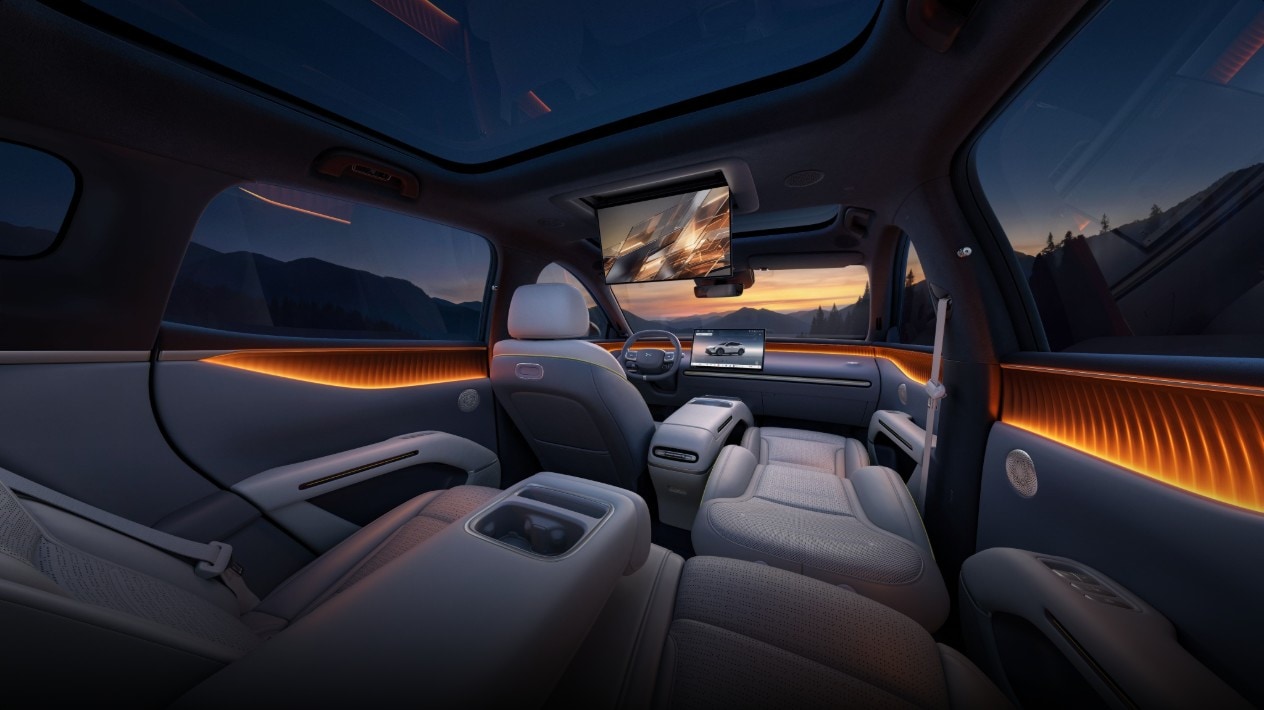
The passenger experience has been upgraded to cater to both families and chauffeured transit. Notable additions include fold-down rear tray tables, an integrated 17.3-inch ceiling-mounted entertainment screen for rear passengers, and deployable sunroof shades. The cockpit features a 17.3-inch central touchscreen, an upgrade from the 15.6-inch display found in the L03, alongside heated, cooled, and massaging seats. Furthermore, the inclusion of XPENG’s NGP (Navigation Guided Pilot) system with VLA 2.0 software ensures the vehicle remains at the forefront of the assisted driving race.

Pricing Strategy and Competitive Positioning
In the Chinese domestic market, the L05 is priced aggressively. The base 560 Plus trim starts at 144,800 RMB (approximately $21,722 USD), while the flagship 635 Ultra SE tops out at 176,800 RMB (approximately $26,522 USD). Additionally, an Extended Range Electric Vehicle (EREV) variant is available, offering a combined range of 1,310 km, with pricing between 154,800 RMB and 166,800 RMB.
The pricing strategy for international markets faces upward pressure due to logistical costs, import duties, and value-added taxes (VAT). Following the implementation of EU-specific tariffs and countervailing duties, the entry-level price for European consumers is projected to hover around €38,000. This places the L05 in direct competition with the Tesla Model Y, which currently retails for approximately €39,900 in Germany. However, the L05’s value proposition is complicated by the presence of the XPENG G6, which is priced at the same level as the top-tier L05 but offers an 800V platform, greater power output, and similar spatial utility.

Implications for the EV Market
The release of the L05 underscores a broader trend in the automotive industry: the shift toward "segment-blurring" vehicles. By offering the dimensions of a larger sedan with the technology suite of a premium crossover, XPENG is testing the limits of consumer preference. The decision to maintain a 400V architecture suggests that the manufacturer is prioritizing the mass-market volume segment rather than competing solely on raw technical specs.
For global markets, the success of the L05 will depend on how XPENG navigates the current geopolitical climate, specifically regarding trade barriers and the expansion of its service infrastructure. As Chinese manufacturers continue to scale their international operations, the L05 represents a critical test case. If the vehicle can capture significant market share from the Model Y, it will validate the strategy of leveraging "more car for less money" as a viable long-term export model. Conversely, if the internal competition from the G6 cannibalizes sales, XPENG may need to refine its product hierarchy to prevent redundant offerings.
In summary, the XPENG L05 is a calculated entry into the mid-size electric vehicle market. It does not aim to replace the high-performance, flagship models that have built the company’s reputation, but rather to provide a highly practical, feature-dense alternative for consumers who prioritize cabin volume and passenger comfort. As the first shipments reach international shores, the automotive industry will be watching closely to see if the L05’s unique balance of size, tech, and price can successfully disrupt the established dominance of local and global EV leaders.