The intersection of planetary warming and human vulnerability has emerged as one of the defining crises of the twenty-first century, prompting vital institutional alignments to safeguard global populations. In a definitive move to address the escalating health threats posed by a changing climate, the World Health Organization (WHO) and the Kingdom of the Netherlands have officially renewed their strategic partnership. This revitalized collaboration is underpinned by a fresh financial contribution of €500,000 from the Dutch government for the year 2024. The newly allocated funds are specifically earmarked to reinforce global climate resilience, bolster sustainable healthcare infrastructure, and drive critical operational programs coordinated by the WHO.
This latest financial injection builds directly upon foundational agreements forged between the two entities in 2023. Since the inception of this bilateral focus on climate and health, total Dutch support for WHO initiatives in this critical domain has surpassed €1.1 million. The timing of this renewed funding is exceptionally strategic, arriving as the international community prepares for the upcoming United Nations Climate Change Conference, COP29, in Azerbaijan. As extreme weather events, shifting vector-borne disease vectors, and systemic environmental shocks increasingly burden fragile healthcare infrastructures worldwide, the WHO-Netherlands alliance serves as a vital anchor for nations striving to adapt to unprecedented ecological realities.
Background Context: The Convergence of Climate Change and Public Health
For decades, international climate negotiations primarily concentrated on mitigation strategies, such as reducing greenhouse gas emissions, transitioning to renewable energy, and curbing industrial pollution. However, the human toll of global warming has shifted the paradigm dramatically. Rising global temperatures, prolonged droughts, catastrophic flooding, and intensified heatwaves have direct, cascading consequences for human morbidity and mortality.
Climate change acts as a risk multiplier for public health. Changing precipitation patterns and elevated temperatures expand the geographic range of vector-borne diseases such as malaria, dengue fever, and Zika virus. Concurrently, extreme weather events routinely destroy vital healthcare facilities, disrupt medical supply chains, and contaminate clean water sources, triggering outbreaks of cholera and other waterborne illnesses. Furthermore, atmospheric warming exacerbates air pollution and prolongs pollen seasons, worsening chronic respiratory and cardiovascular conditions.
Recognizing that health is the ultimate human indicator of climate change, the global health community has increasingly demanded that medical considerations take center stage in climate policy. Vulnerable populations—particularly in low- and middle-income countries across Africa, Asia, and the Eastern Mediterranean—bear the brunt of these impacts despite contributing the least to global carbon emissions. It is within this complex landscape that the WHO and the Netherlands have concentrated their joint interventions, prioritizing regions where healthcare systems are least equipped to absorb climate shocks.
Chronology of the Partnership and Key Milestones
The formalization of the WHO-Netherlands climate and health partnership represents the culmination of years of targeted diplomatic and institutional engagement. A chronological overview illustrates how this collaboration has evolved into a cornerstone of international health diplomacy:
- Pre-2023: The Netherlands establishes itself as a persistent advocate for progressive public health policies, gradually integrating environmental sustainability into its overarching foreign policy and development frameworks.
- Early 2023: The WHO and the Kingdom of the Netherlands formally establish a dedicated partnership to address the nexus of climate change and public health, laying the groundwork for targeted regional interventions.
- Throughout 2023: Initial funding supports capacity-building initiatives across African, Asian, and Eastern Mediterranean nations. Countries are aided in implementing integrated climate and health surveillance systems, establishing early warning frameworks, and meeting initial COP26 health commitments.
- Late 2023 / Early 2024: The Netherlands, in close diplomatic coordination with Peru, spearheads the development of a comprehensive new resolution addressing the acute health threats of a warming planet.
- May 2024: The Seventy-Seventh World Health Assembly adopts the landmark Resolution on Climate Change and Health, replacing an outdated 2008 resolution and mandating a comprehensive WHO global action plan.
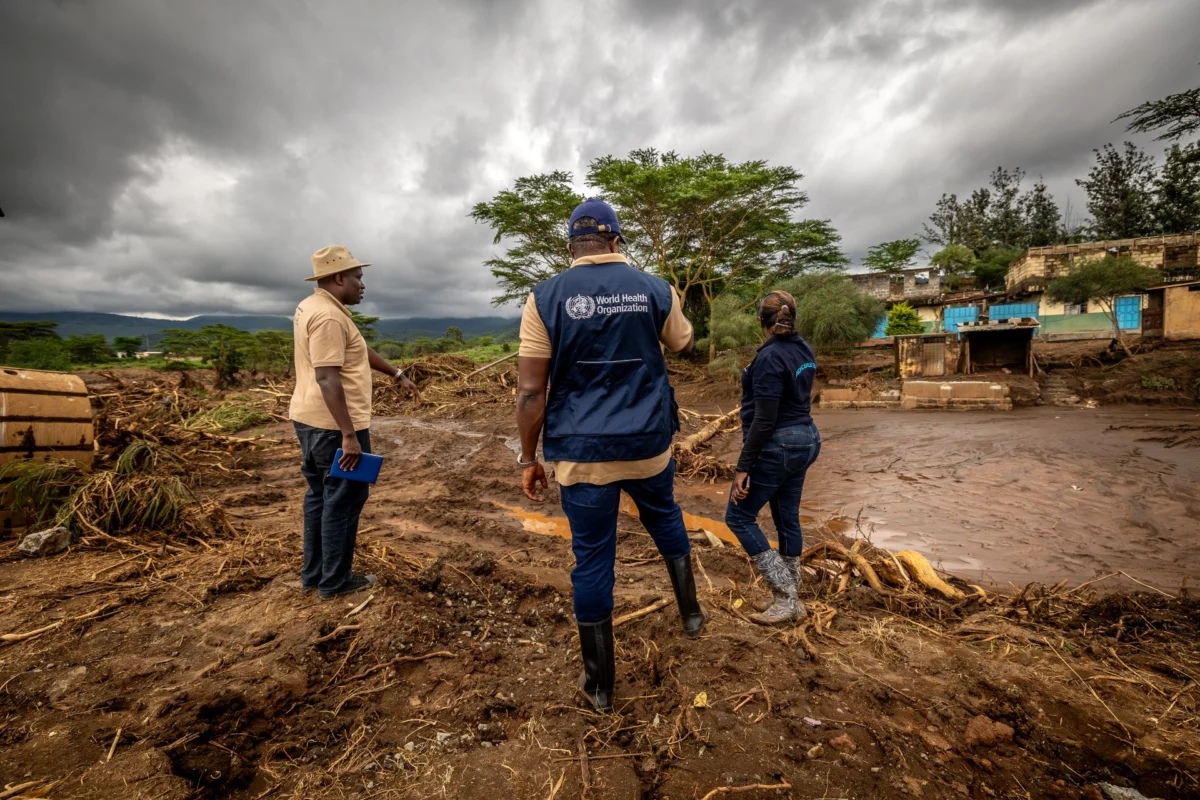
- April–May 2024: Severe weather devastates regions such as Kenya, where WHO-trained Rapid Responders evaluate flash flood aftermaths in Mai Mahiu. The crisis highlights the immediate, ground-level utility of the surveillance systems supported by international partnerships.
- Late 2024: The Netherlands announces a renewed allocation of €500,000 for 2024 to support the Alliance for Transformative Action on Climate and Health (ATACH) Secretariat, pushing total cumulative funding since 2023 past the €1.1 million threshold ahead of COP29.
Supporting Data and Operational Focus Areas
The deployment of the €500,000 allocation for 2024 is targeted toward specific operational pillars designed to maximize institutional impact. A primary beneficiary of these funds is the Secretariat of the Alliance for Transformative Action on Climate and Health (ATACH). ATACH operates as a collaborative mechanism that translates international climate and health commitments—made during successive Conference of the Parties (COP) summits—into concrete national policies and resilient healthcare operations.
The financial support enables the WHO to deliver targeted technical assistance across multiple high-priority domains:

- Integrated Early Warning Systems: Helping developing nations establish robust surveillance mechanisms that connect meteorological data with epidemiological forecasting. These systems allow health authorities to anticipate outbreaks of climate-sensitive diseases before they overwhelm local clinics and hospitals.
- Climate-Resilient Health System Readiness: Empowering ministries of health to stress-test their infrastructure, ensuring that physical facilities can withstand extreme weather events such as hurricanes, floods, and severe heatwaves while maintaining uninterrupted power and water supplies.
- Low-Carbon Healthcare Transition: Assisting Member States in greening their healthcare sectors. Healthcare systems globally are responsible for a significant share of carbon emissions; transitioning to energy-efficient, low-carbon models is essential for long-term sustainability.
- Fostering Multi-Stakeholder Collaboration: Bridging the gap between traditional health ministries, civil society organizations, Multilateral Development Banks (MDBs), United Nations agencies, and frontline health professionals to ensure a unified, cross-sectoral response.
The tangible necessity of these interventions was starkly illustrated in early 2024. Between March and May, Kenya experienced exceptionally heavy seasonal rains that triggered catastrophic flash floods. The disaster caused widespread fatalities, displaced thousands of residents, destroyed critical infrastructure, and elevated the immediate risk of waterborne disease outbreaks. In response, WHO-trained Rapid Responders were deployed to affected areas like the Mai Mahiu region to evaluate health risks, support local medical teams, and prevent secondary humanitarian crises. Events of this magnitude underscore the critical importance of the early warning and response capabilities fostered by the WHO-Netherlands partnership.
Diplomatic Leadership and Legislative Milestones
The Kingdom of the Netherlands has consistently positioned itself at the vanguard of international climate advocacy, anchored by its comprehensive Dutch Global Health Strategy 2023–2030. This strategy explicitly recognizes that environmental degradation and human health are inextricably linked, mandating that Dutch foreign assistance actively address both crises simultaneously.
A crowning achievement of this diplomatic leadership occurred at the Seventy-Seventh World Health Assembly (WHA77) in 2024. Recognizing that the previous landmark global health resolution on climate change—adopted back in 2008—was wholly insufficient for the escalating velocity of the climate crisis, the Netherlands joined forces with Peru to champion a modernized mandate.
The resulting WHA77 Resolution on Climate Change and Health was successfully adopted, marking a major turning point for the global health architecture. The resolution mandates several transformative actions:
- The development of a comprehensive WHO Global Action Plan on Climate and Health.
- A formal call for intensified national efforts to mainstream climate resilience across all domestic health policies.
- The integration of climate-health priorities into the WHO’s Fourteenth General Programme of Work (GPW 14).
By updating these frameworks, the international community has established a clear regulatory and operational baseline to guide member states through the climate transitions required in the coming decade.
Broader Impact, Economic Implications, and the Path to COP29
The strategic alignment between the WHO and the Netherlands carries profound implications for global health security and economic stability. Healthcare systems that are unprepared for climate shocks face crippling financial burdens, structural failures, and acute workforce shortages. Conversely, investing proactively in climate-resilient and low-carbon health systems yields substantial economic and humanitarian dividends.
According to the WHO’s latest Investment Case, concerted global action on climate change and health—integrated across Member States and supported by key partners—is projected to save approximately 7.5 million lives over the next four years. This ambitious projection highlights the life-saving potential of systemic preparedness, institutional capacity building, and targeted resource allocation.
As international delegates, policymakers, and health experts converge in Azerbaijan for COP29, the partnership between the Netherlands and the WHO provides a replicable model of effective bilateral support within multilateral frameworks. The discussions at COP29 are expected to focus heavily on climate finance, loss and damage mechanisms, and the operationalization of health commitments within national adaptation plans.
Moving forward, both the WHO and the Dutch government remain steadfast in their commitment to keeping human health at the center of climate negotiations. By empowering vulnerable regions, fostering sustainable healthcare solutions, and bridging the historical divide between environmental policy and medical practice, the partnership aims to build a durable defense against the defining health threat of our era. The continued investment of financial capital and political will ensures that global health institutions remain agile, prepared, and capable of protecting populations worldwide from the compounding crises of a warming world.