A bipartisan coalition of United States lawmakers has formally called upon Secretary of State Marco Rubio to withhold American support for the Colombian government’s contentious proposal to resume aerial eradication of coca crops using chemical herbicides in the fragile Amazon rainforest basin. In a strongly worded communication, the congressional members underscored profound apprehensions regarding the prospective collateral damage to local human populations, public health standards, and the delicate ecological balance of one of the world’s most vital biodiversity strongholds.
The brewing diplomatic friction highlights a persistent and deeply entrenched strategic dilemma between Washington and Bogotá. While the administration of Colombian President Gustavo Petro contends that targeted chemical fumigation remains an indispensable tactical instrument to curb soaring cocaine production and economically strangle entrenched illegal armed factions, domestic and international detractors maintain that the methodology is profoundly counterproductive. Critics argue that decades of reliance on aerial spraying have consistently failed to achieve sustainable reductions in illicit crop cultivation, while simultaneously accelerating widespread deforestation, polluting vital water sources, and destabilizing vulnerable rural and indigenous communities.
As the U.S. State Department under Secretary Rubio evaluates its ongoing foreign assistance priorities and counternarcotics framework in the Andean region, this congressional intervention places renewed scrutiny on the historical legacy, ecological costs, and ultimate efficacy of American-backed drug control policies in Latin America. Despite billions of dollars in bilateral funding and decades of sustained security collaboration under historical initiatives such as Plan Colombia, the South American nation stubbornly retains its dubious distinction as the world’s preeminent producer of cocaine.
Historical Context and the Evolution of U.S.-Colombia Counternarcotics Strategy
To understand the gravity of the current dispute, one must examine the decades-long evolution of the counternarcotics partnership between the United States and Colombia. For the better part of thirty years, aerial fumigation—primarily utilizing the herbicide glyphosate—served as a cornerstone of joint anti-drug operations. Initiated in earnest during the late 1990s and significantly expanded under Plan Colombia, the strategy sought to systematically eliminate the raw material underpinning the global cocaine trade by spraying fields from low-flying aircraft.
At its peak, hundreds of thousands of hectares were blanketed with the herbicide annually. However, the campaign faced mounting domestic and international opposition. Communities living in coca-growing regions repeatedly reported acute health complications, including respiratory illnesses, skin lesions, and gastrointestinal disorders, alongside the widespread destruction of legal subsistence food crops. Environmental scientists also warned that the chemical runoff posed severe risks to aquatic life and accelerated habitat degradation.
In 2015, the administration of Colombian President Juan Manuel Santos made the momentous decision to suspend aerial spraying. This suspension was heavily influenced by a landmark ruling from the World Health Organization’s International Agency for Research on Cancer, which classified glyphosate as "probably carcinogenic to humans." Following the suspension, the Colombian government shifted its strategic focus toward voluntary crop substitution programs and manual eradication efforts conducted by specialized military and police units.
Despite these policy shifts, subsequent administrations struggled to suppress surging coca cultivation. The return of aerial spraying has periodically re-entered political discourse as conservative leaders argue that manual eradication is too slow and exposes security personnel to lethal ambushes by drug trafficking organizations and dissident guerrilla groups. The current push by President Petro’s administration to selectively reintroduce aerial methods—framed as a modern, technologically monitored approach—has thus resurrected a contentious debate that many thought had been permanently laid to rest.
The Ecological and Public Health Dilemma in the Amazon
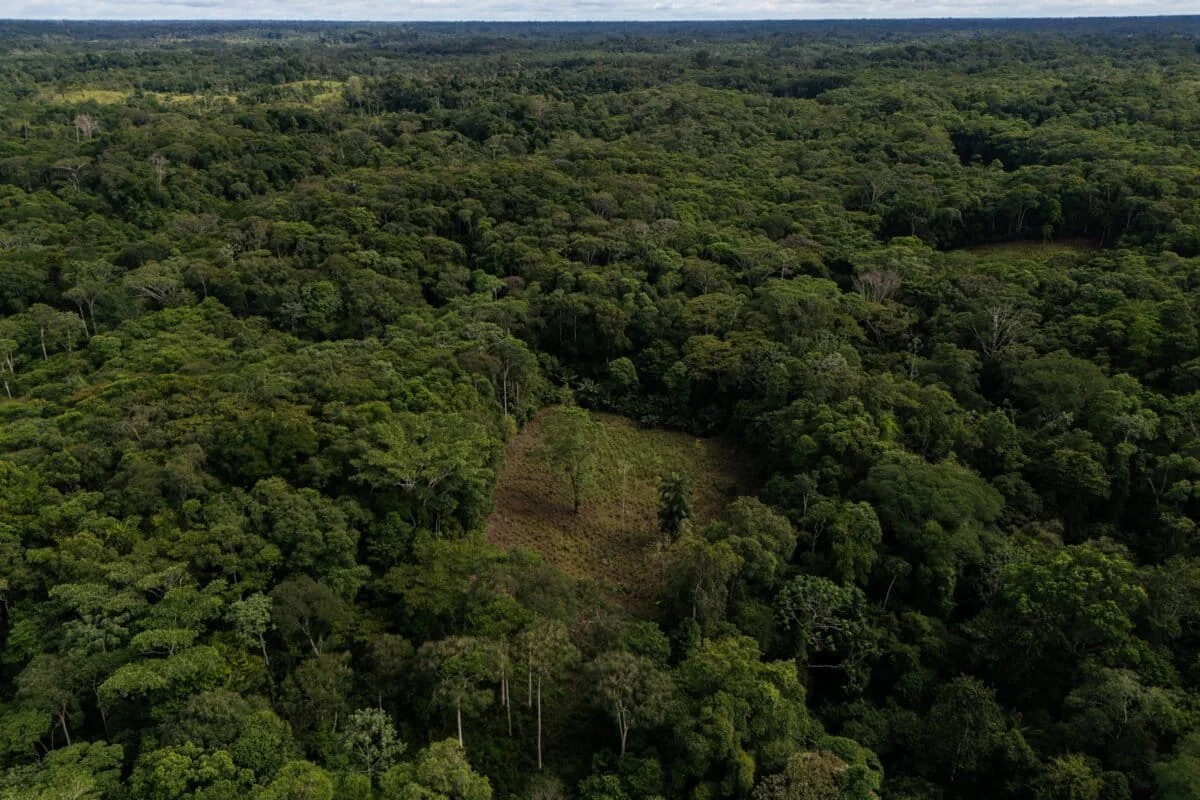
The epicenter of the current controversy is the Amazon rainforest, a region of paramount global importance for climate regulation, carbon sequestration, and indigenous heritage. Lawmakers and environmental scientists warning Secretary Rubio point out that introducing large-scale chemical spraying into this pristine ecosystem could trigger irreversible environmental consequences.
Aerial spraying, by its inherent design, lacks surgical precision. Drift from winds and atmospheric currents frequently carries herbicides far beyond intended target fields, contaminating primary rainforest canopies, protected nature reserves, and communal farming plots. In the Amazon basin, where soil composition and hydrological systems are exceptionally intricate, the introduction of potent herbicides can destabilize fragile food webs and poison vital river tributaries relied upon by indigenous populations for drinking water and sustenance.

Furthermore, critics emphasize a paradoxical dynamic long documented by environmental watchdogs: aerial fumigation frequently drives deforestation. When illicit coca fields are destroyed via chemical spraying, impoverished farmers are often forced to abandon their ruined plots and push deeper into untouched primary forest lands to clear new acreage for cultivation. This cyclical displacement not only perpetuates the coca economy but also directly contributes to the accelerating loss of forest cover in the Colombian Amazon, undermining global commitments to combat climate change.
Congressional Concerns and Strategic Implications
The intervention by U.S. lawmakers represents a significant legislative check on executive foreign policy and foreign assistance allocations. In their messaging to Secretary Rubio, the members of Congress demanded comprehensive transparency regarding any potential logistical, financial, or intelligence involvement by U.S. agencies in Colombia’s proposed fumigation campaign.
The congressional coalition is pressing the Department of State to prioritize alternative assistance packages that foster sustainable rural development, strengthen institutional rule of law, and support voluntary crop substitution. Such alternatives, proponents argue, yield more enduring results by integrating marginalized rural communities into the formal legal economy rather than alienating them through punitive environmental measures.
For Secretary Rubio, whose foreign policy tenure is expected to emphasize robust regional security, border enforcement, and the disruption of transnational criminal cartels, the situation presents a delicate diplomatic challenge. Navigating relations with Bogotá requires balancing the imperative of dismantling international drug trafficking networks against the statutory human rights and environmental guardrails mandated by U.S. foreign assistance legislation.
Persistent Challenges in Global Cocaine Markets
The underlying pressure driving Colombia’s consideration of resumed aerial spraying is the relentless global demand for cocaine and the adaptability of criminal syndicates. Despite decades of intense interdiction, eradication, and law enforcement pressure, global production volumes have reached unprecedented highs in recent years.
Data compiled by the United Nations Office on Drugs and Crime (UNODC) consistently demonstrates that coca cultivation in Colombia remains at or near historical records. Sophisticated trafficking networks—comprising remnants of insurgent groups, right-wing paramilitary successors, and transnational cartels—have decentralized their operations, improved crop yields through genetically resilient plant varieties, and optimized local laboratory processing techniques.
This resilient supply chain infrastructure renders traditional eradication methods increasingly obsolete unless paired with comprehensive socioeconomic reforms. Analysts point out that simply destroying crops without establishing permanent state presence, robust infrastructure, and viable licit market access merely creates a vacuum rapidly filled by competing armed factions.
Looking Ahead: The Path Forward for Bilateral Relations
As the diplomatic dialogue between Washington and Bogotá intensifies, the decisions made by Secretary Rubio and the State Department will profoundly shape the trajectory of U.S.-Colombia relations and counter-drug policy across the Western Hemisphere.
The core debate transcends the technical question of whether to spray or not to spray; it touches upon the fundamental philosophy of international security cooperation in the 21st century. As lawmakers continue to advocate for human-centric and environmentally sustainable alternatives, the Colombian government faces mounting internal and external pressure to demonstrate tangible results in its war against drug trafficking without sacrificing the health of its citizens or the ecological integrity of the Amazon basin.