
The Nature of the Advisory
The core of the issue lies in the preparation method of the tiramisu provided by the catering service. Unlike many culinary applications where alcohol is used as a flavoring agent and subsequently cooked off through heat—thereby evaporating the ethanol—the tiramisu in question is a cold-prepared dessert. Because the dish is not heated after the inclusion of alcohol, the chemical integrity of the spirits remains intact within the finished product.
The APA committee, which oversees the Human Intervention Motivation Study (HIMS) program—a specialized initiative designed to support pilots with substance use disorders—has explicitly advised all flight crew members to decline the dessert entirely. For pilots, the presence of alcohol in a routine meal is not merely a matter of personal preference or dietary restriction; it is a professional liability. The union is currently coordinating with the American Airlines Phoenix Flight Office to ensure the immediate removal of the item from all crew menus and to facilitate the provision of suitable, alcohol-free alternatives.
Regulatory Context and the "Fit to Fly" Standard
The aviation industry operates under a zero-tolerance policy regarding impairment. Federal Aviation Administration (FAA) regulations, specifically 14 CFR § 91.17, strictly prohibit the operation of an aircraft if a crew member is under the influence of alcohol, has consumed alcohol within the previous eight hours, or has an alcohol concentration of 0.04 or greater in a blood or breath test.
For the general population, a single serving of tiramisu would be considered negligible regarding intoxication. However, for a pilot, the threshold for professional discipline is significantly lower than the legal threshold for intoxication. The concern is not necessarily acute impairment—the amount of alcohol in a single dessert serving is unlikely to cause a pilot to be "drunk" in a clinical sense—but rather the risk of a positive result during random alcohol testing or, more critically, the implications for pilots subject to abstinence monitoring.
Historical Precedents and Legal Complications
The risks associated with "hidden" alcohol in food are well-documented within the aviation legal community. A landmark case, Erwin v. Federal Aviation Administration, serves as a cautionary tale for the industry. In this case, a Delta Air Lines pilot who was subject to an abstinence monitoring program as part of his return-to-work medical certification tested positive for alcohol. The pilot maintained that the positive result was caused by consuming pulled pork that had been prepared with beer, a fact that was not disclosed on the restaurant’s menu.
The FAA initially moved to withdraw the pilot’s medical authorization, effectively ending his ability to fly. The ensuing legal battle eventually reached the appellate court level, which determined that the agency had failed to adequately account for the pilot’s evidence regarding the food’s preparation. While the pilot eventually challenged the findings, the ordeal highlighted the extreme career vulnerability faced by pilots when trace amounts of alcohol appear in their system, regardless of the source.
The Role of Catering and Supply Chain Oversight
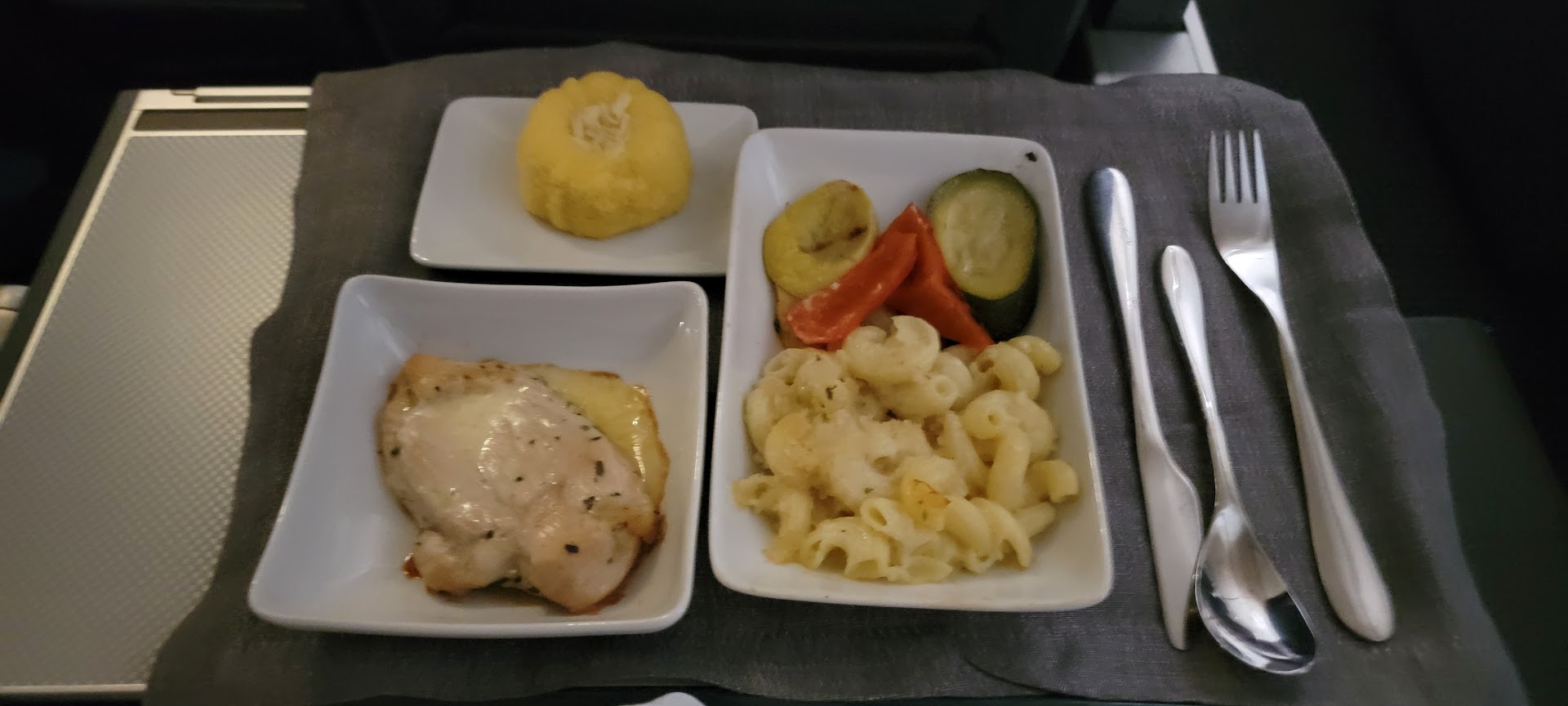
The inclusion of alcohol-infused items in crew meals highlights a recurring tension between airline catering procurement and the specific requirements of the flight deck. Historically, American Airlines pilots have received the same meal service as those in the first-class cabin. While this ensures a high standard of quality, it also means that the menu is curated for a general consumer base, not necessarily for the high-stakes regulatory environment of the cockpit.
The current situation in Phoenix suggests a lapse in the communication chain between the airline’s procurement office and the third-party caterer. In large-scale aviation catering, meal components are often standardized across various routes. If a caterer updates a recipe to include alcohol for a broader, upscale menu offering without flagging the change for internal crew-meal compliance teams, items that are inappropriate for pilots can inadvertently reach the crew tray.
Operational Impacts for Pilots
The APA has provided clear instructions for any crew member who may have already consumed the dessert. Pilots concerned about their fitness to fly or those who fear their status on random alcohol tests could be compromised are encouraged to contact their union representatives immediately.
Beyond the medical and regulatory risks, there is the issue of operational efficiency. The union has previously instructed pilots to obtain replacement meals in airport terminals when their designated meals have failed to load correctly. In this instance, the meal is physically present, but the union has effectively rendered it "incomplete" by declaring it off-limits. This adds a logistical burden on pilots who, already operating on tight turnarounds, must now navigate the need for alternative nutrition to avoid flying on an empty stomach during long-haul or high-workload flight sequences.
Broader Industry Implications
This incident serves as a reminder of the "zero-tolerance" culture in aviation, which is both a safety necessity and a significant stressor for personnel. The airline industry has faced similar controversies in the past regarding the portrayal of alcohol in flight-related marketing. For instance, American Airlines previously faced backlash for an issue of its inflight magazine, American Way, which featured a photo spread of bartenders dressed in pilot uniforms mixing cocktails. The incident caused significant friction with the pilot group, who felt the imagery trivialized the strict sobriety requirements of their profession.
The current tiramisu warning is a more localized issue, but it underscores the necessity for rigorous oversight. As airlines continue to outsource catering to specialized firms, the responsibility for verifying ingredient lists—particularly for items that are not cooked post-preparation—must be integrated into the safety management system (SMS).
Analysis of Risk and Mitigation
From an analytical perspective, the probability of a pilot testing positive for alcohol solely due to a serving of tiramisu is statistically low, assuming a reasonable amount of time passes between consumption and any potential breathalyzer test. According to FAA-published guidelines on alcohol metabolism, the body processes alcohol at a predictable rate. A small dessert portion, even one containing a modest amount of liquor, would likely be metabolized long before a standard random check.
However, for the cohort of pilots in the HIMS program or similar recovery-monitoring tracks, the threshold for failure is often absolute abstinence. For these individuals, any trace of ethanol is a catastrophic event for their career. The union’s decision to issue a blanket warning is a strategic move to insulate the entire pilot group from the potential for "false positive" scenarios that could trigger mandatory, career-threatening investigations.
Conclusion
As the Phoenix Flight Office and the APA work to rectify the catering oversight, the episode highlights the complexities of modern airline operations. The incident is not merely about a dessert choice; it is a testament to the rigorous, often unforgiving regulatory environment in which commercial pilots operate. Until the specific tiramisu product is removed from the rotation, the warning remains in effect, serving as a reminder that in the high-stakes world of aviation, even the smallest item on a meal tray can carry significant professional consequences. The resolution of this matter will likely involve a stricter vetting process for catering suppliers to ensure that the menu items provided to crew members align with the safety and medical standards required for flight deck duty.