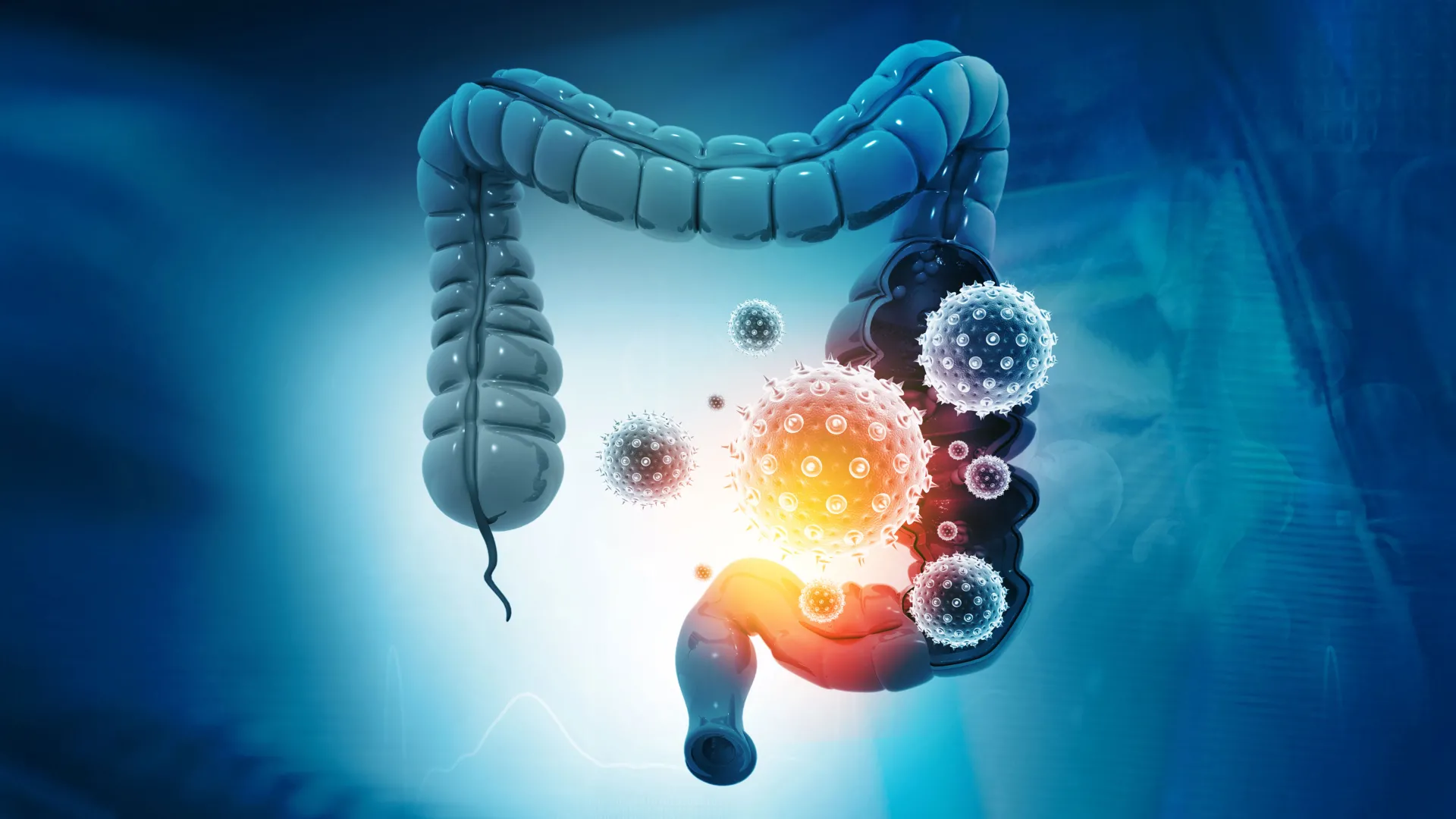
For nearly two decades, the medical community has grappled with a persistent mystery: how a common, toxin-producing strain of the gut bacterium Bacteroides fragilis initiates the cellular damage that eventually drives colorectal cancer. While researchers established the link between the bacterium’s toxin—B. fragilis toxin, or BFT—and tumor formation as early as 2009, the mechanism by which the toxin latches onto human cells remained elusive. Now, a breakthrough study led by researchers at the Johns Hopkins Kimmel Cancer Center has finally identified the missing link, revealing that a protein known as claudin-4 acts as the essential "docking station" for the toxin. This discovery, published in the journal Nature, not only solves a long-standing biological puzzle but also provides a concrete strategy for blocking the toxin before it can compromise the intestinal barrier.
A Two-Decade Scientific Pursuit
The investigation into Bacteroides fragilis has been a slow, methodical process of unraveling the complex interactions between the human microbiome and oncogenesis. Bacteroides fragilis is a commensal organism, present in the intestinal tracts of approximately 20% of the healthy human population. In most instances, it lives in harmony with its host. However, specific subsets of this bacterium express the BFT protein, a potent metalloprotease that acts as a catalyst for inflammation and tissue degradation.
The timeline of this research traces back to seminal work published in 2009 in Nature Medicine, where Dr. Cynthia Sears and her colleagues first demonstrated that BFT could directly promote colon tumor development in animal models. This established the "toxin-inflammation-cancer" axis, proving that chronic exposure to the toxin could cause the protective epithelial lining of the colon to breach. The primary target identified in those early years was E-cadherin, a critical protein responsible for maintaining the tight junctions between cells. When BFT cleaves E-cadherin, the integrity of the intestinal wall is compromised, leading to a "leaky" gut that exposes underlying tissue to pathogens and inflammatory agents. Despite knowing the target, scientists could not identify the receptor that allowed the toxin to bind to the cell surface in the first place, leaving a significant gap in the understanding of the disease’s pathogenesis.
Leveraging CRISPR to Decode the Mechanism
To bridge this knowledge gap, the research team employed a high-throughput, genome-wide CRISPR-Cas9 screening approach. By systematically disabling individual genes within colon epithelial cells, the researchers sought to isolate the specific protein responsible for the toxin’s binding event. The collaboration between the Johns Hopkins laboratory of Dr. Cynthia Sears and the Harvard Medical School laboratory of Dr. Matthew Waldor proved decisive.
Maxwell White, an M.D./Ph.D. candidate who served as the lead researcher on the screening effort, oversaw the exhaustive process of switching off genes to observe which cells became resistant to BFT. The results were definitive: when the gene responsible for producing claudin-4 was deactivated, BFT lost its ability to bind to the cell. Claudin-4, a member of a family of proteins that regulate the permeability of the intestinal lining, was identified not merely as a bystander but as the primary receptor for the toxin.
This finding was particularly surprising to the scientific community. Prior to this discovery, many experts hypothesized that BFT would bind to a G protein-coupled receptor (GPCR)—a class of proteins frequently involved in cellular signaling. Instead, the toxin utilizes a structural protein involved in tight junction formation. This reveals a highly specialized attack strategy: the bacterium exploits the very structures meant to protect the gut, using them as a gateway to deliver its enzymatic payload and initiate the cleavage of E-cadherin.
Structural Confirmation and Interdisciplinary Collaboration
To validate the functional screen, the team collaborated with structural biologists F. Xavier Gomis-Rüth and Ulrich Eckhard at the Molecular Biology Institute of Barcelona. Through advanced molecular interaction analysis, the researchers confirmed that BFT and claudin-4 form a high-affinity complex. The interaction is stoichiometric, meaning one molecule of the toxin pairs with one molecule of the receptor. This physical evidence provided the "smoking gun" that had been missing for years, confirming that BFT docking is a prerequisite for its downstream destructive activities.
The implications of this structural binding are profound. Most proteases function by interacting directly with their substrates; however, BFT requires this "gateway" step, marking it as a unique class of bacterial pathogen. The researchers noted that they could not find any other known toxin that utilizes an identical mechanism, suggesting that Bacteroides fragilis has evolved a sophisticated, two-step strategy to breach the mucosal defenses of the human colon.
From Discovery to Therapeutic Decoy
The identification of the claudin-4 receptor immediately opened the door to pharmacological intervention. The research team hypothesized that if the interaction between BFT and claudin-4 could be interrupted, the downstream damage to E-cadherin—and the subsequent inflammation—could be averted. To test this, the scientists engineered a molecular decoy: a soluble protein fragment derived from the binding site of claudin-4.
In experiments conducted in collaboration with Dr. Min Dong’s laboratory at Harvard Medical School, the decoy was introduced to mouse models exposed to the toxin. The results showed that the BFT molecules preferentially bound to the soluble decoys circulating in the gut environment rather than the claudin-4 receptors on the epithelial cell membranes. By effectively "soaking up" the toxin, the decoy prevented the disruption of the intestinal barrier and protected the colon tissues from the inflammatory damage typically induced by BFT.
Broader Implications for Human Health
The potential clinical impact of these findings is vast, extending well beyond the prevention of colorectal cancer. Chronic inflammation caused by BFT is also linked to persistent diarrhea and, in more severe cases, systemic bloodstream infections. By targeting the toxin’s ability to bind to the colon wall, researchers may be able to develop a new class of prophylactic treatments, such as small molecules or biologics, that could be administered to high-risk populations to mitigate the risk of toxin-mediated disease.
Dr. Cynthia Sears, the Bloomberg-Kimmel Professor of Cancer Immunotherapy at Johns Hopkins, emphasized the urgency of these next steps. "Understanding how bacterial toxins work can open doors to new approaches for detection and therapy," Sears noted. The research team is currently evaluating how the decoy strategy might be optimized for pharmacological stability, aiming to create a therapeutic that is easy to administer and effective within the harsh, variable environment of the human digestive tract.
Challenges and Future Directions
Despite the success in laboratory and mouse models, the transition to human clinical applications remains a significant undertaking. While the researchers have identified the binding mechanism, they have not yet resolved the full three-dimensional structure of the BFT-claudin-4 complex. Even with the assistance of cutting-edge artificial intelligence platforms like AlphaFold, the exact geometry of the interaction remains a complex puzzle. Achieving a high-resolution structure will be critical for the rational design of potent small-molecule inhibitors that could serve as future drugs.
Furthermore, while the decoy successfully prevented tissue damage in mice, long-term studies will be required to determine if such an intervention can truly prevent the initiation of colorectal cancer in humans. Colorectal cancer is a multifactorial disease, and while BFT is a potent driver, it is one of several environmental and genetic factors. Nevertheless, the discovery provides a specific, actionable target that has been lacking for nearly two decades.
The research was supported by a coalition of organizations, including the Bloomberg-Kimmel Institute for Cancer Immunotherapy, Janssen Research and Development, Cancer Research UK, and the National Institutes of Health. As the scientific community continues to explore the role of the microbiome in human health, the ability to selectively neutralize harmful bacterial components without disrupting the healthy microbial ecosystem marks a significant milestone in precision medicine. By identifying the missing link between a common gut inhabitant and the onset of malignancy, this study offers a new blueprint for disease prevention that could redefine the management of gut-related pathologies in the years to come.